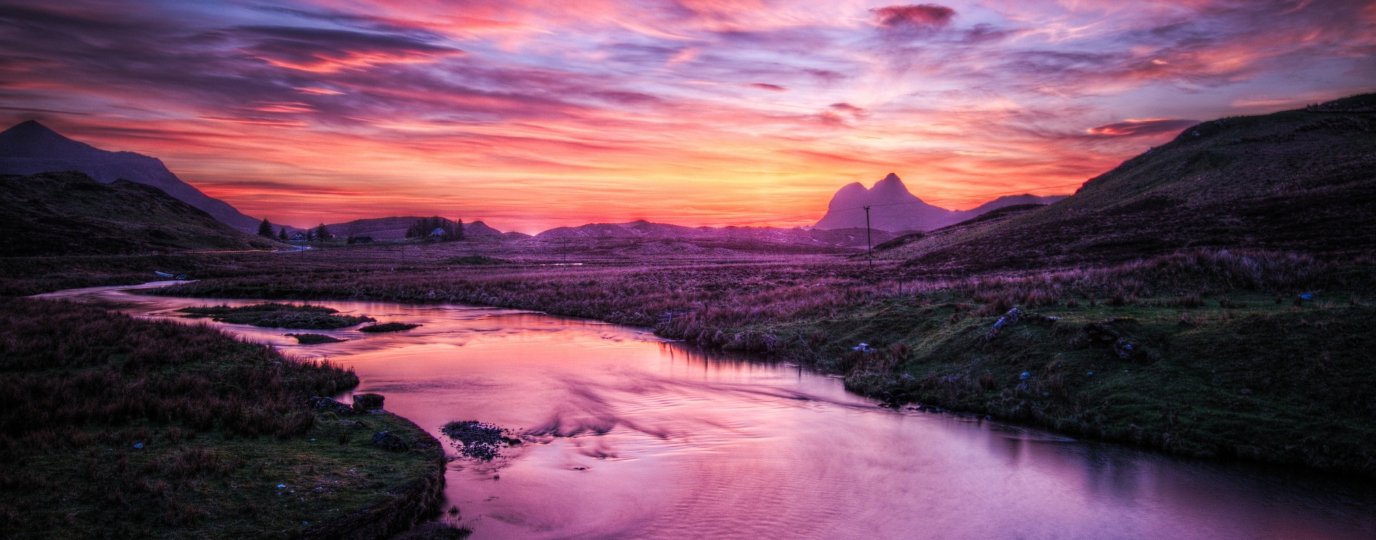
Did you know that the population density of Scotland is less than one-sixth that of England?
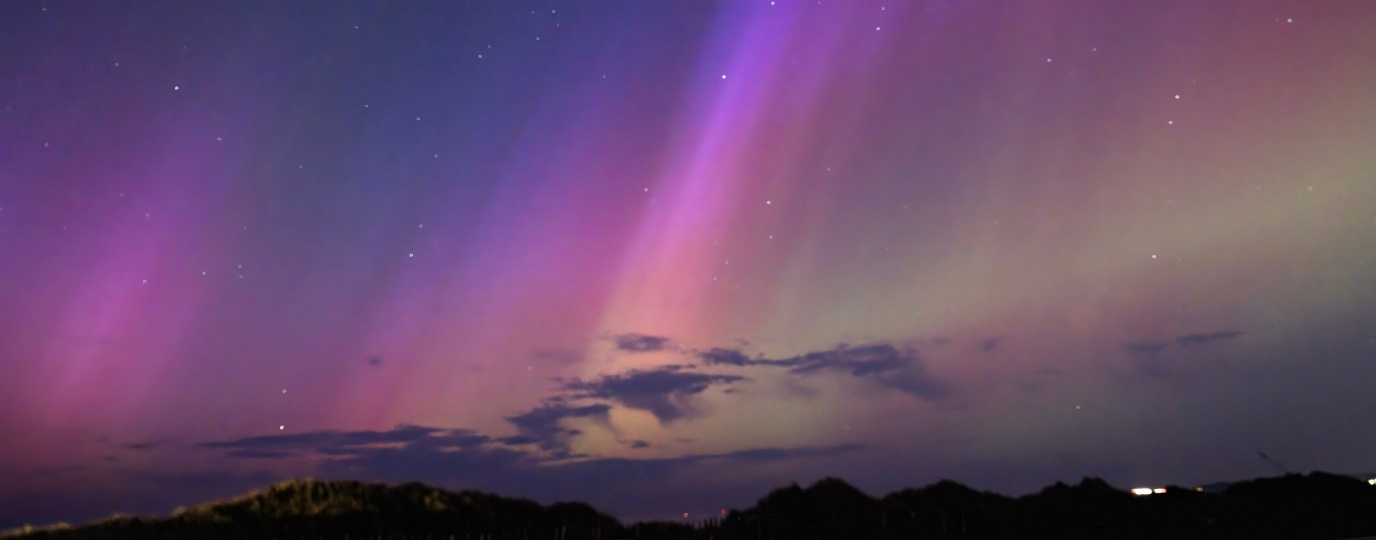
You might wonder what this has to do with stargazing in Scotland, but there’s a logical reason why this is a good thing. Fewer people means fewer buildings and infrastructure, which means less light pollution, which means more and better chances to see all the stars in the night sky.
Outside of Edinburgh, Glasgow and the central belt, much of Scotland is very sparsely populated, giving you vast natural landscapes to explore. But there are still places you can go stargazing in Scotland within easy reach of the big urban centres, too.
In this guide, we’ve picked out some of the best locations for stargazing in Scotland, accompanied by some walking and hiking routes to help you make the most of your next trip.
What do I need to know about stargazing in Scotland?
Firstly, remember that the wild terrain in much of Scotland may be unsafe to hike at night. It’s likely to be better to enjoy a long walk by day, then settle in at your stargazing spot in the evening.
For the best possible views of the stars above, you’ll need:
- A clear night: the fewer clouds, the more you can see, just bear in mind that clearer nights will normally be colder!
- A new moon: so that you don’t have reflected sunlight off the moon dazzling the sky around it
- Minimal light pollution: if you’re unsure whether an area may be affected, check the CPRE’s Dark Skies Map
Here are our top choices for hiking and stargazing in Scotland:
Cairngorms National Park
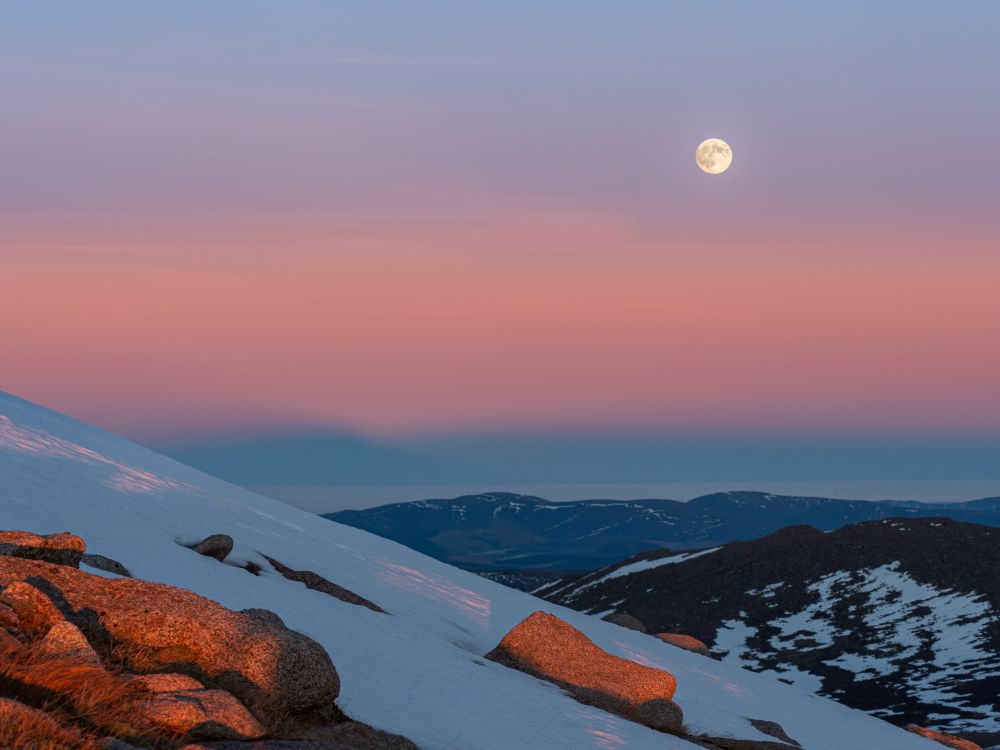
The Cairngorms are beautiful and remote – but you may need to wrap up warm!
The Cairngorms are well known for their skiing in the winter months, and tends to be one of the coldest places in the UK, so a hiking and stargazing trip in the summer is definitely recommended!
The Cairngorm Mountain car park, a few miles to the south-east of Aviemore, is a popular base for stargazing in the area. Parking overnight is allowed, including for motorhomes, although you might have to pay to do so. The reward is some stunning, pollution-free skies, especially to the south and east (looking away from Aviemore).
This route starts and finishes at the car park and will give you some challenging terrain to explore by day, before returning to base camp to stargaze by night.
Loch Lomond and The Trossachs National Park
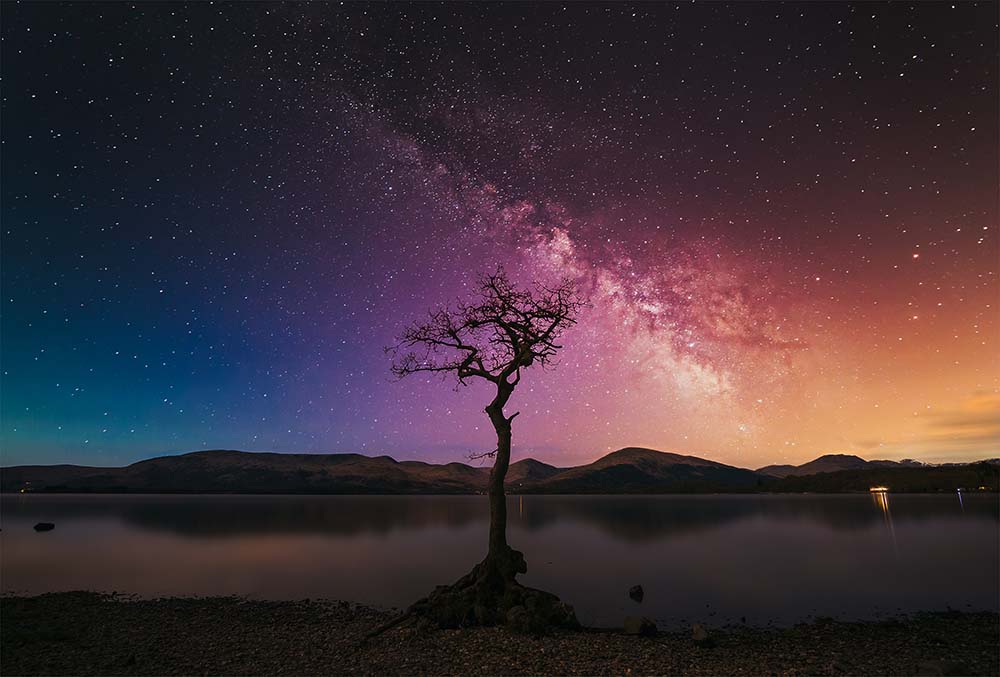
Loch Lomond and the Trossachs are relatively accessible, either west from Stirling on the A84 or north from Glasgow on the A81. The area to the west of Callander, around Loch Venachar, is recognised as a good site for dark skies, and offers hiking opportunities that are perhaps flatter and less challenging than in other Scottish rural environments.
This route should provide some great views towards the north, with the loch in the foreground and the peak of Ben Ledi (879 metres above sea level behind). You may want to look west for some of the darker skies, just in case there is any light pollution emanating from Callander itself.
Pentland Hills Regional Park (near Edinburgh)
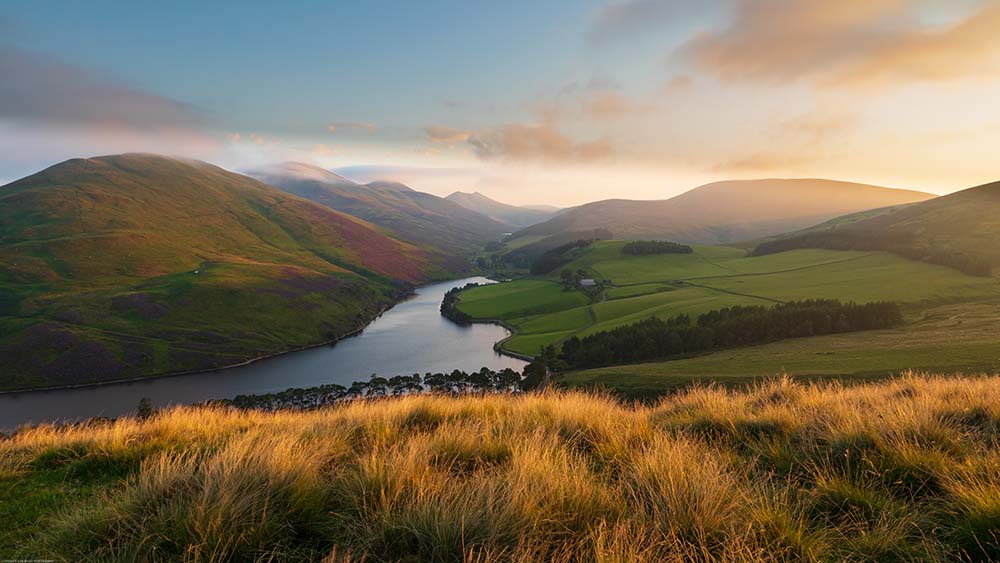
Scotland’s capital city generates large amounts of light pollution, which can make any meaningful stargazing extremely difficult. Therefore, the best chance to see a wider array of stars is to head south of the city, inland to the likes of Pentland Hills Regional Park.
This route along the Pentland Way is perhaps best tackled in reverse from a stargazing perspective. By starting in Swanston on the outskirts of the city and working your way down towards West Linton, you’ll constantly be looking away towards the south-west, helping you avoid the glare of those bright city lights.
Clyde Muirshiel Regional Park (near Glasgow)
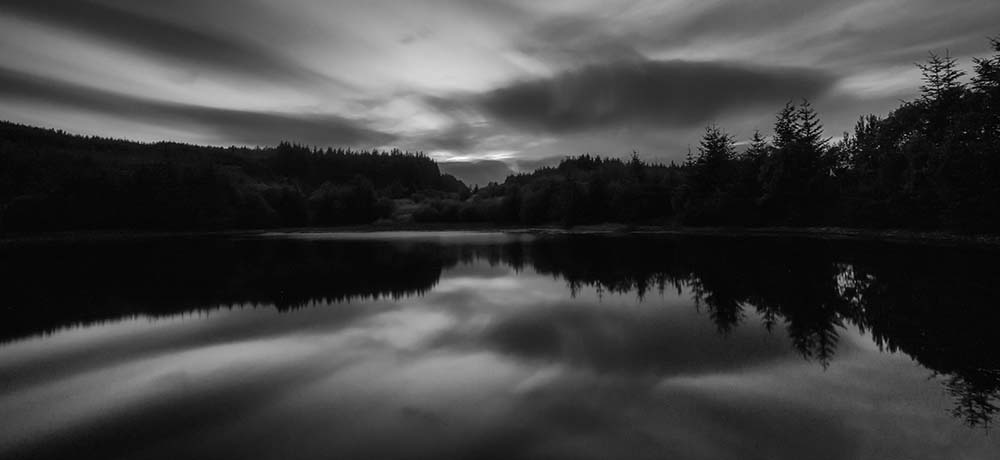
Similar to Edinburgh, the night lights means you’ll have to travel out from the city to find good stargazing near Glasgow. The Clyde Muirshiel Regional Park to the south-west of the city is one of the best options, and local rail services make it a relatively easy one to reach by public transport.
This route focuses on the north-west of the park, not too far from the train stations that sit to the south and west of Greenock. The further south you go, past Loch Thom, the darker the skies should be as you look south towards the centre of the park.
Galloway Forest Park
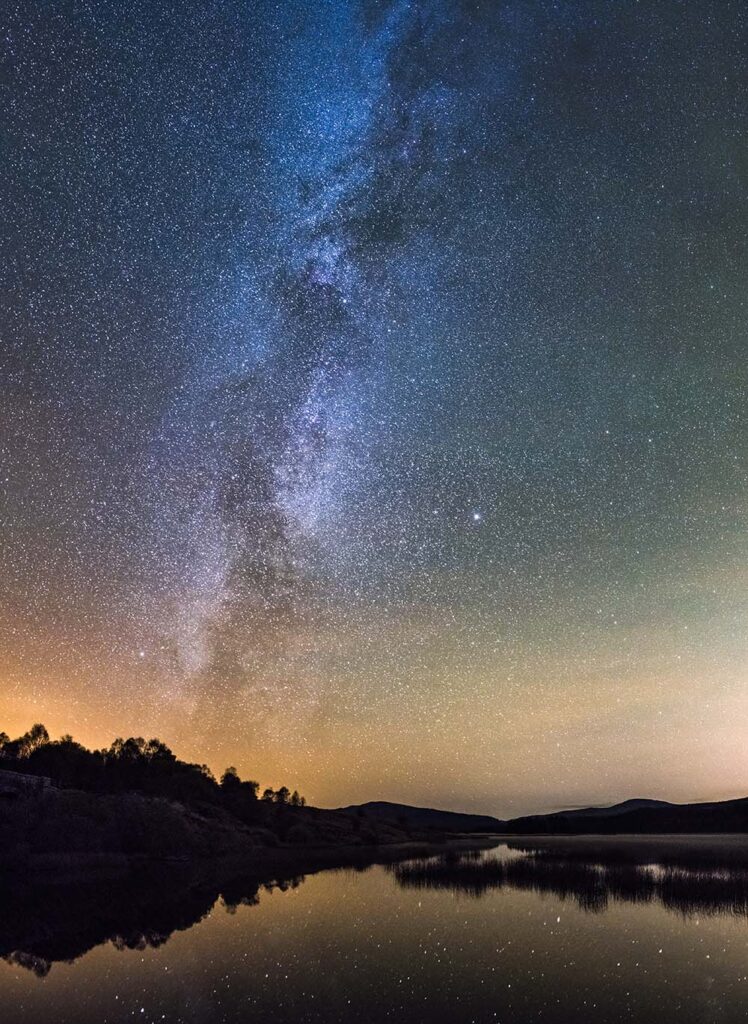
In the south-west of Scotland, Galloway Forest Park has around 300 square miles of stargazing in Dumfries & Galloway for you to explore. In the north of the park, near the village of Dalmellington, is the Scottish Dark Sky Observatory which holds public stargazing events.
If you want to combine a visit to the observatory with your own hike in the area, then you may want to consider heading south towards Newton Stewart and an ascent of Merrick. As the highest summit in the Southern Uplands at 834 metres above sea level, it’s definitely an adventure by day rather than by night.
Hawick, Scottish Borders
In our guide to stargazing in England, we picked out the area around Kielder Water in the Northumberland National Park. While you’re in that part of the world, it would be easy to hop over into Scotland and explore some more stargazing environments in the Scottish Borders.
The town of Hawick makes for a good base, and this route takes you south and away from the town towards the quiet and tranquil Williestruther Loch. It’s a rolling route rather than a mountainous one, and while it doesn’t take you too far from Hawick, it should give you some very dark skies looking south.
Forsinard Flows, North Highlands
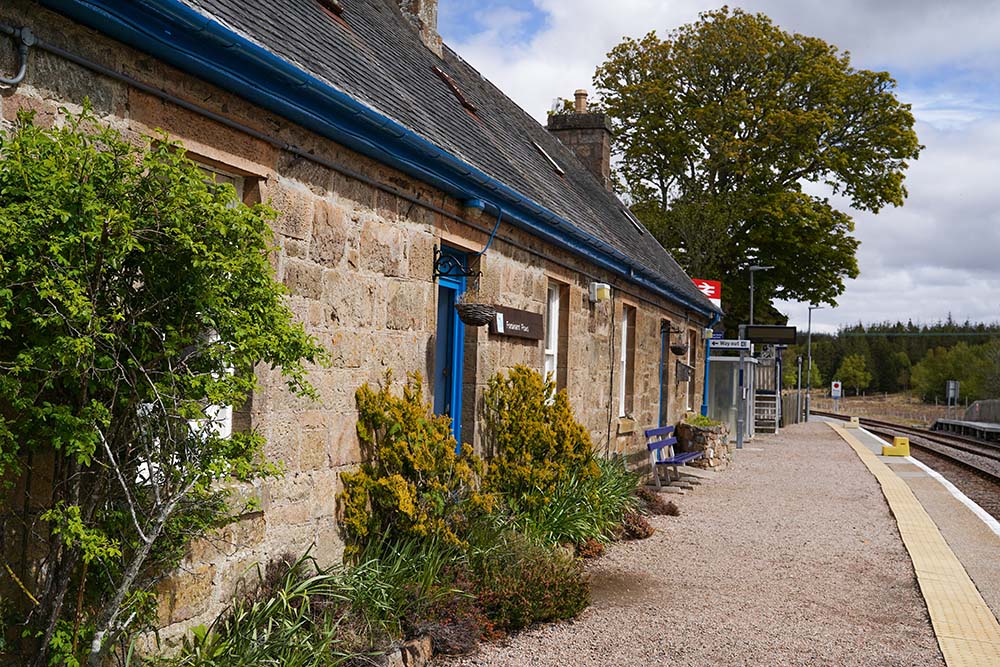
The far north of Scotland is the most remote park of the UK, where you’ll struggle to find any light pollution at all once you’ve passed Inverness on your way north.
RSPB Forsinard Flows is perhaps as remote as it gets, only a handful of miles short of John O’Groats, but offers some of the most unspoiled dark skies (plus the Northern Lights if you’re lucky). Designated as a Dark Sky Discovery site, it’s also surprisingly accessible, with Forsinard station on the Far North Line from Inverness to Thurso.
For an easy hiking route while you’re up there, try this easy walk around Melvich Beach and Portskerra, which has been known to serve up dolphin sightings out at sea.
Abriachan, Loch Ness
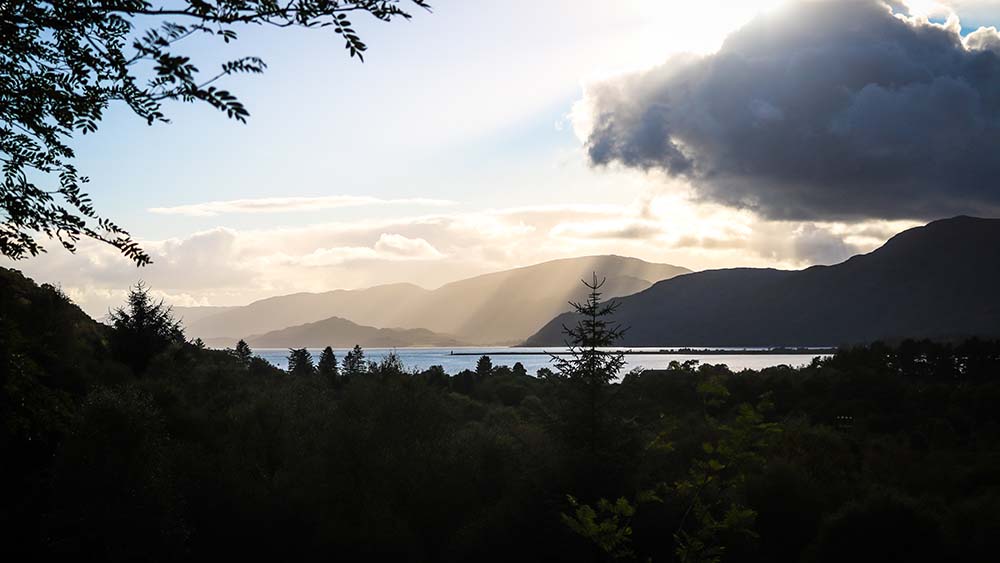
Arguably, no trip to the Scottish Highlands is complete without visiting Loch Ness. But just because it’s a tourist hotspot doesn’t mean it can’t offer excellent stargazing by night and some fascinating hiking by day.
Highland Astronomy organises stargazing events in and around Abriachan Forest, just off the A82 to the south-west of Inverness. This route starts and ends at the Abriachan car park and is a relatively straightforward forest walk with plenty to see and do along the way; ideal if you’re staying in Inverness and don’t want to stretch your journey out too far.
Glen Tanar, near Aberdeen
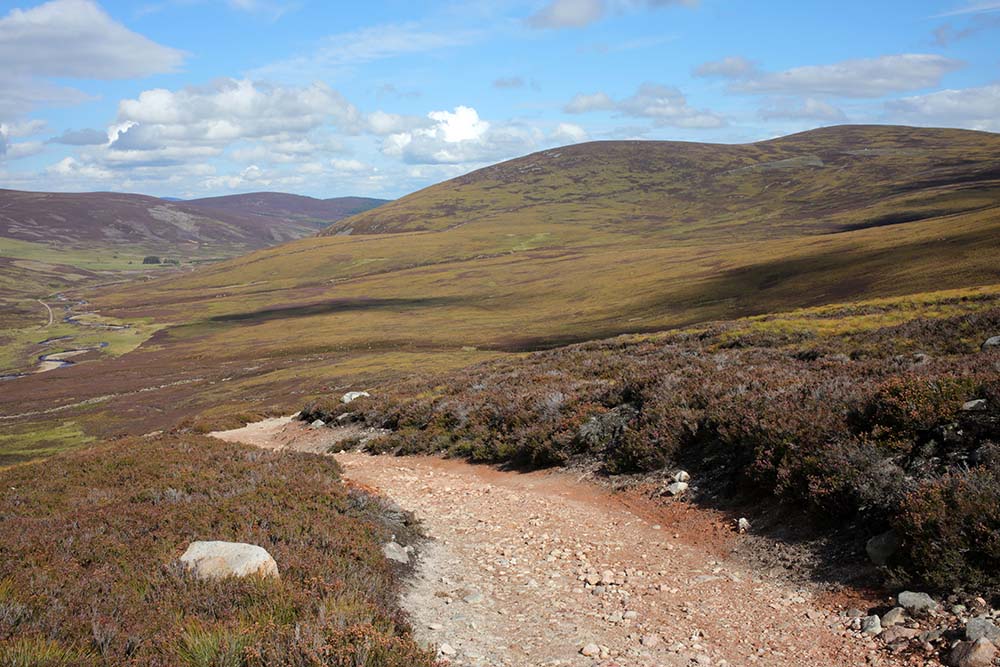
Stargazing near Aberdeen can be difficult unless you’re willing to make a fairly long trip into the Cairngorms (see above). But there are a few spots closer to the east coast of Scotland where good dark skies can be found on a clear night.
The visitor’s centre at Glen Tanar near Aboyne is designated as a Dark Sky Discovery Site, and is easy to access off the A93. This forested route gives you a bit of everything: woodland, waterways, and some clearings from where you can survey the night sky above you.
Trumpan, Isle of Skye
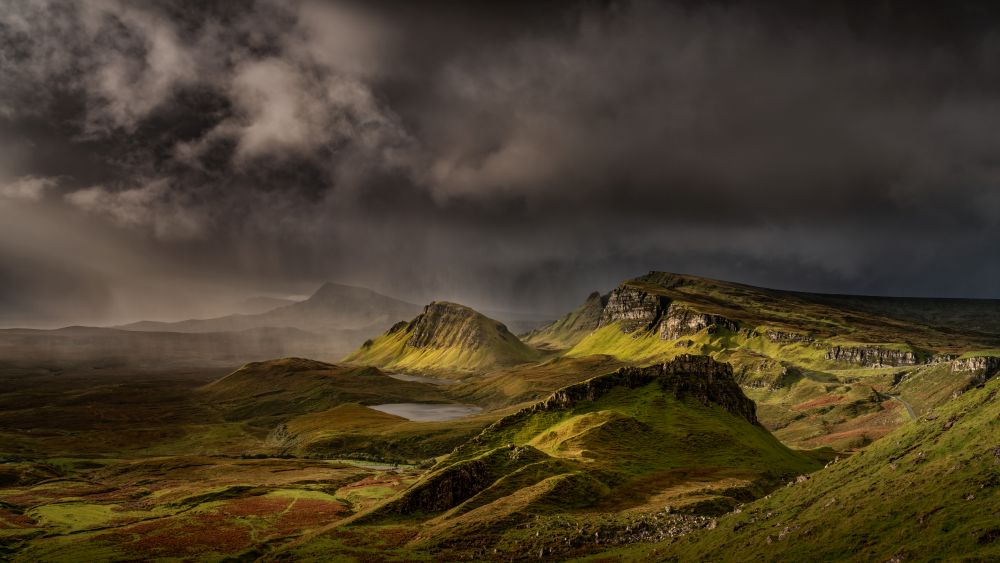
The clue is in the name: the Isle of Skye is remote enough to enjoy some of the darkest skies you’ll find anywhere in the British Isles. The main town of Portree can generate a little light pollution, so it’s best to head north and west for the best views.
The Trumpan car park on the Waternish peninsula has been designated as a Dark Sky Discovery Site, and as well as having a seated viewing area, has no artificial lighting around it at all, making for excellent views in all directions. It’s also the start and end point for this route north along the cliffs to the very end of the peninsula.
Rousay, Orkney
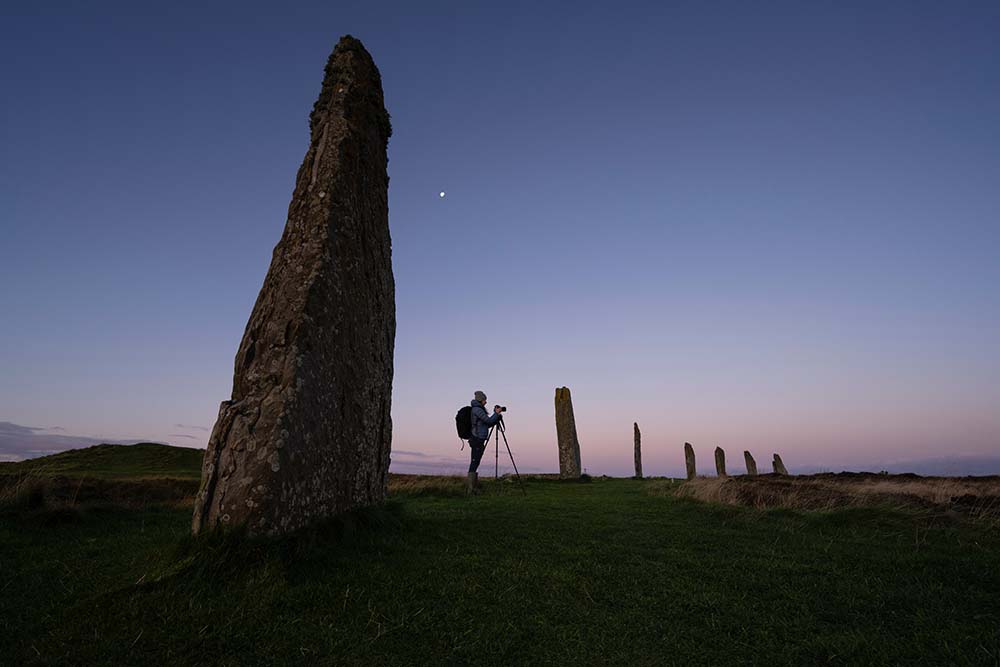
A journey beyond John O’Groats to Orkney – either by air or by ferry – will naturally give you some incredibly remote and secluded spots to see the stars. These become even more tranquil and private if you hop onto one of the local ferries away from the Orkney mainland.
One good base on the island of Rousay is the small Mid Howe Broch car park, west of the ferry port on the B9064. If you want to keep warm at night, you can park your car facing out to sea and watch the stars light up the islands beyond. This short route allows you to take in some of the coastline on foot at the same time.
Shetland
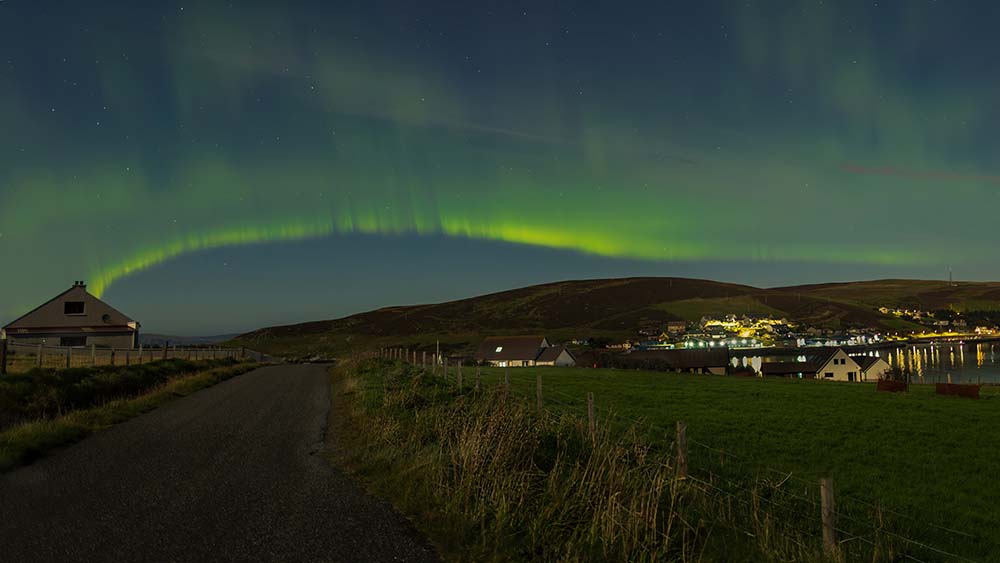
You might think Shetland is the best possible destination for stargazing in Scotland, given just how far north it is. However, the presence of the Sullom Voe Oil Terminal means that some parts of the archipelago are actually quite badly affected by light pollution.
Instead, we recommend heading to the northernmost of all the inhabited British Isles: Unst. You’ll need to take two ferries from the Shetland mainland to get there, but it offers beautiful dark skies and some mountainous day hiking while you’re there. Just remember to wrap up warm because you’ll be further north than Oslo!
Stargazing in the UK
Read all of our recommendations for stargazing in the UK
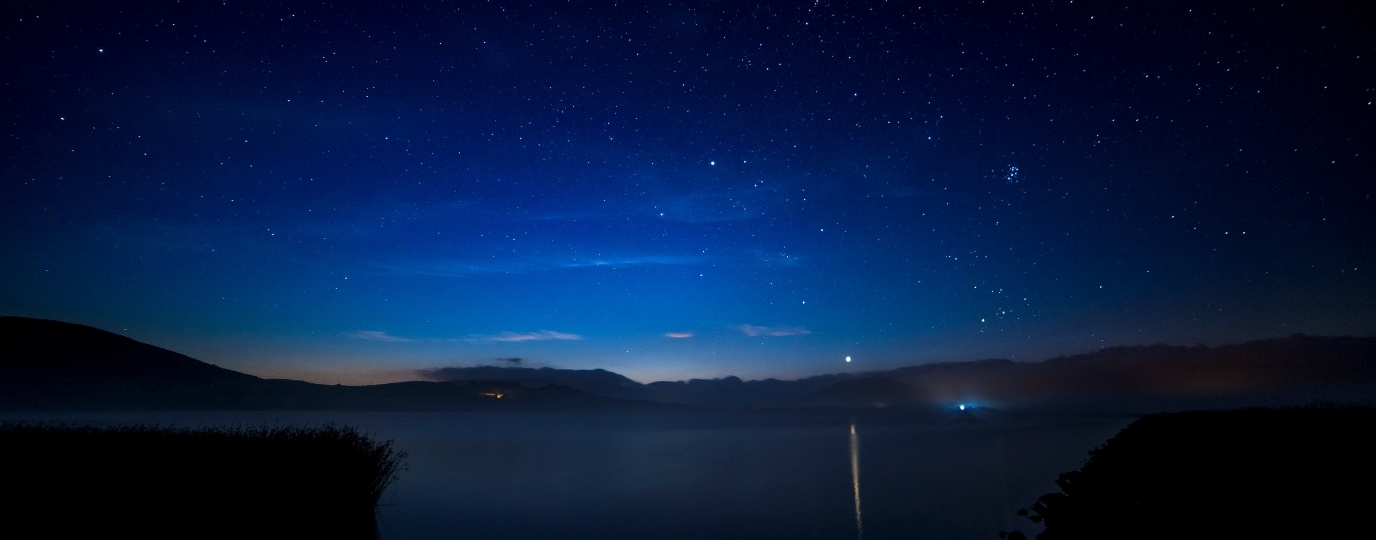
Best Places for Stargazing in Wales
See the best spots for stargazing in Wales, including Eryri and Bannau Brycheiniog, in this OS guide. Find the best routes to see the Wales night sky here.
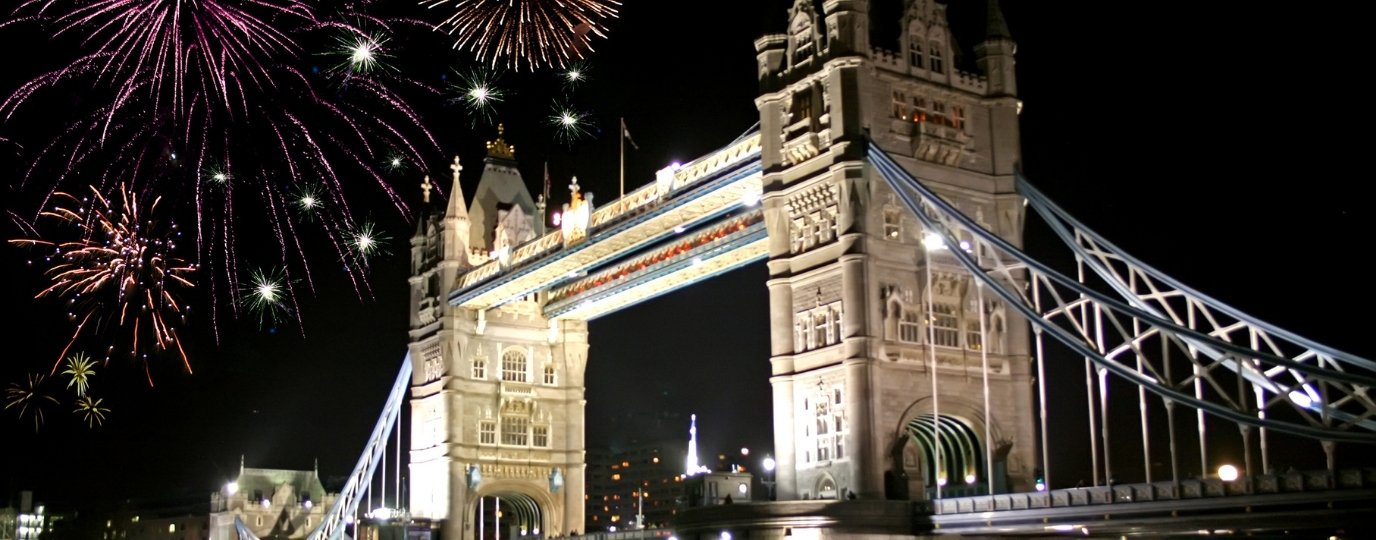
Best Stargazing Spots in and Around London
Find the best places to see the night sky in reach of London. Discover the best opportunities for stargazing near London in this OS Maps guide.
Best Places in England to Stargaze
Despite light pollution in big cities, there are some fantastic opportunities for stargazing in England. See OS Maps’ top stargazing spots in England here.
By OS Maps Discover Team
The OS Maps Discover content team creates and reviews practical, inspiring guides to walking, cycling, navigation and exploring the outdoors. Led by Editor Hilary Pullen, the team works with Ordnance Survey colleagues, outdoor experts and experienced contributors to ensure content is clear, useful and accurate. Have an outdoor story, expert advice or a route you would like to share? Find out how to submit an article idea and become a featured OS author.