In such a densely populated country as England, you might think that it’s impossible to get away from the light pollution of the big cities, and see the stars in the night sky.
Think again: there are some superb opportunities for stargazing in England, many within relatively easy reach of major urban centres.
Naturally, many of these reside within England’s ten national parks, where urban development is much more restricted. But these aren’t the only places where the skies are dark enough to enjoy a star-filled night.
In this guide, we’ve picked out some of the best places in England to see stars, and paired them with some excellent hiking routes so that you can plan your next night-time adventure with ease.
What are the best conditions for stargazing in England?
Several favourable factors need to come together to make for an excellent night’s stargazing, wherever you go in England. You’ll need:
- A clear night: cloud cover will naturally hamper any stargazing opportunities and minimises your chances of getting caught in the rain!
- A new moon: the glare of a full moon can make it harder to pick out the stars around it
- A quiet environment: the fewer people, roads and buildings around, the fewer sources of light pollution that could spoil the experience
Additionally, some of these locations may not necessarily be safe for hiking at night, so planning a trip with hiking by day and stargazing by night may be better. Plan ahead and check route accessibility before you go. National park authorities and visitor centres will be able to give you the best advice.
Please remember when hiking at night you will need advanced navigation skills and the correct gear in order to stay safe.
With that in mind, here’s our pick of the best locations for stargazing in England:
Exmoor National Park
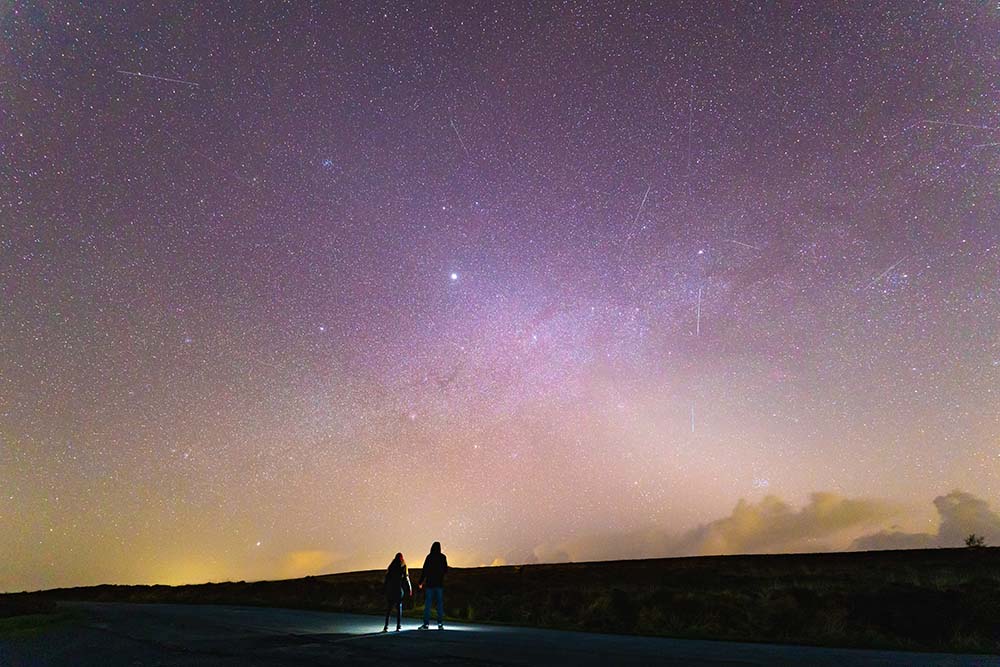
Did you know that Exmoor was the very first place in Europe to be officially designated as an International Dark Sky Reserve? A combination of some high peaks, very few large settlements nearby, and its proximity to the Bristol Channel mean that almost the entire park falls under the darkest grade on CPRE’s Dark Skies Map.
You’re spoiled for choice when it comes to stargazing on Exmoor, but you may want to reach its very highest point to get completely unobstructed views. Dunkery Beacon is 519 metres above sea level, and is relatively easy to access through well-trodden routes from all directions. This hiking route is a short one, and starts and finishes at a car park that should be open at night; ideal if you have stargazing equipment to carry with you.
Dartmoor National Park
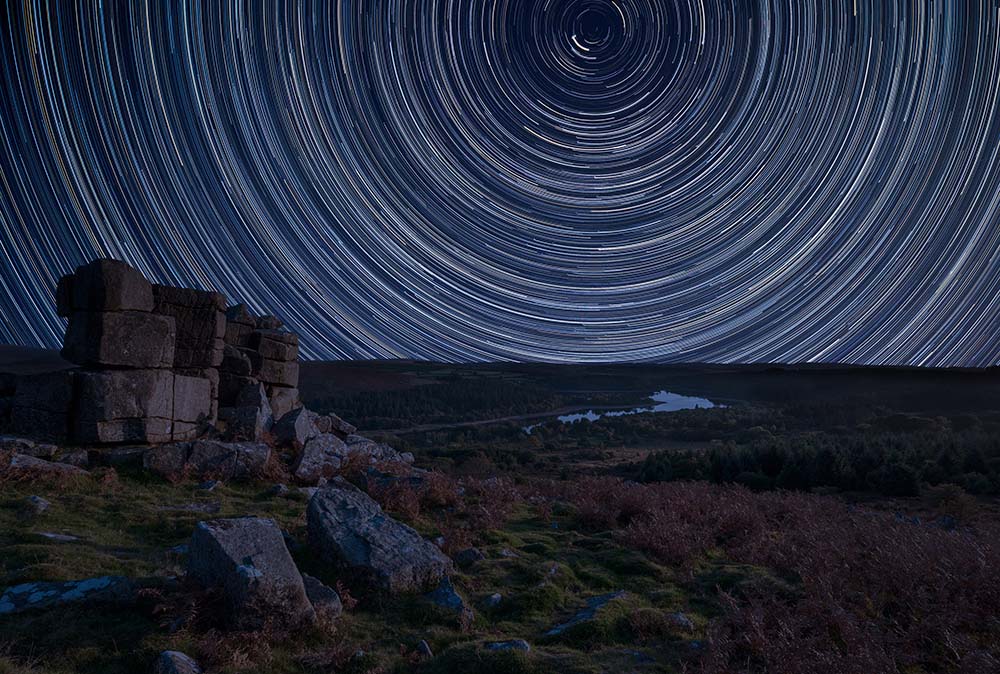
At 368 square miles, Dartmoor is a vast landscape for you to explore, with plentiful opportunities for stargazing. The only places where you may have to worry about light pollution are towards the south-west as you get closer to Plymouth, and around the site of Dartmoor Prison at Princetown.
The Wistman’s Wood walk can be quite challenging, with seven tors and 12 stiles along the way, but will give you a range of views throughout. This route also starts and finishes at a car park, which is also close to a hotel if you’re planning an overnight stay. Some of the route runs through an Army firing range, so check in advance to make sure that the range isn’t being used.
Cornwall National Landscape
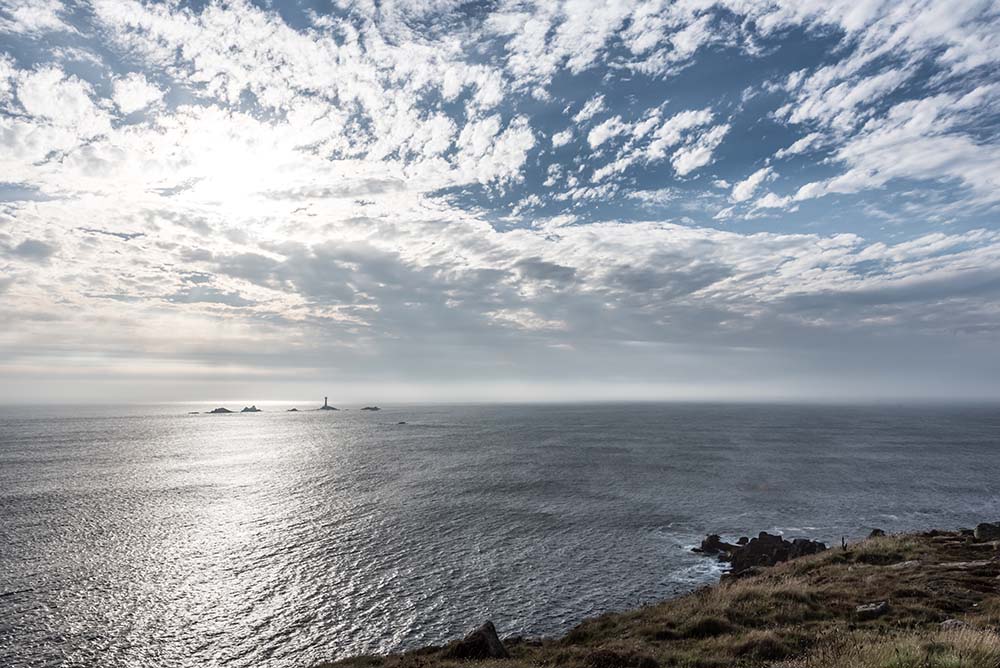
Cornwall has two notable dark sky sites. One is right at the very south-western tip of England: the West Penwith peninsula, close to Land’s End, which is a particularly good location for viewing the Northern Lights.
The other, in the north-east of Cornwall, is Bodmin Moor, which is only surrounded by relatively small towns and so is unimpeded by light pollution. And as the A30 goes through the middle of the moor, it’s also easily accessible by road.
The area around Colliford Lake in the middle of Bodmin Moor is known for good stargazing. This route is long but fairly flat, and starts from the famous Jamaica Inn at Bolventor.
North York Moors
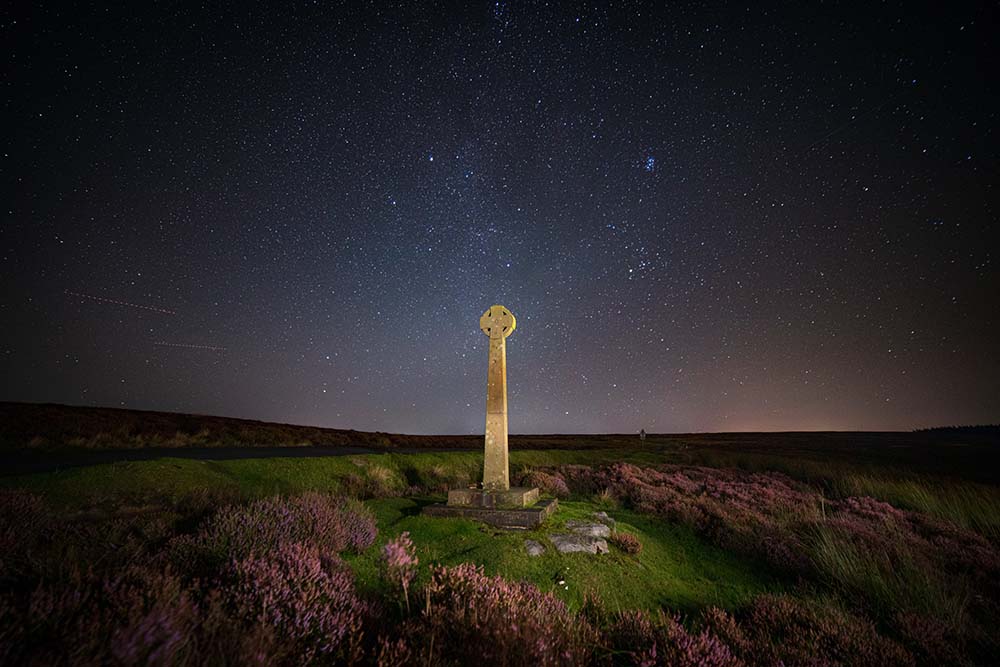
The North York Moors National Park is nestled between two large urban areas: Newcastle, Sunderland and Teesside to the north, and Leeds and the surrounding West Yorkshire towns and cities to the south-west. But despite that, it’s a place of peace, tranquillity and dark skies, especially if you stay inland and away from the seaside resorts at Whitby and Scarborough.
The car park and B&B at Blakey Ridge is a good spot for stargazing, more than 400 metres above sea level between the Rosedale and Farndale valleys. If you want to get away from the (occasional) traffic on the roads, this rugged and steep route takes you down into the Rosedale valley for stargazing in seclusion.
North Pennines National Landscape
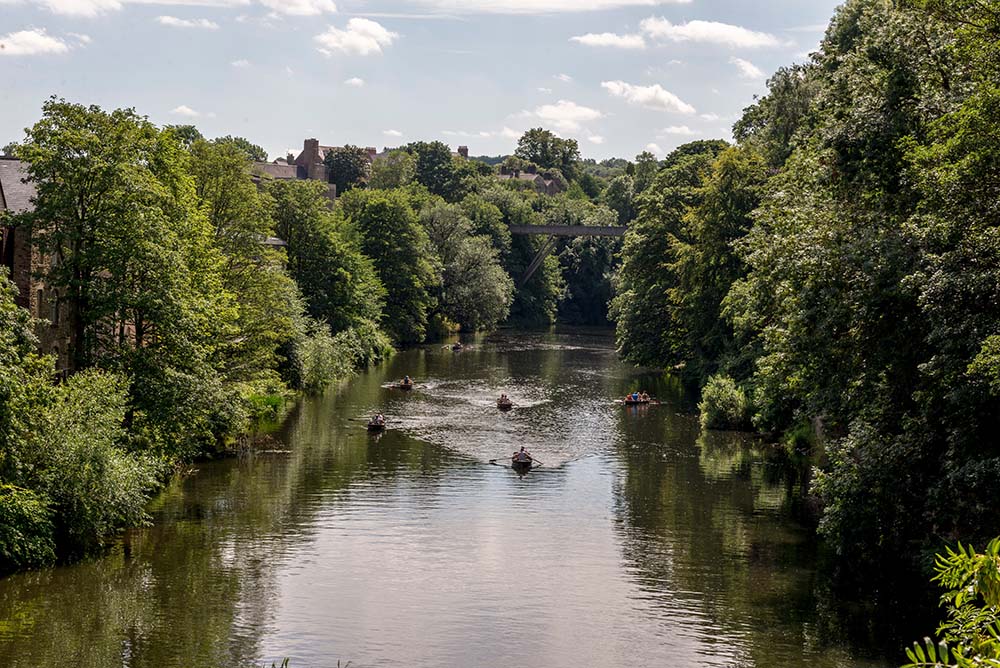
Staying in north-west Yorkshire, north Lancashire or Cumbria gives you four national parks or landscapes within easy reach: ideal if you want to enjoy a stargazing and hiking trip across different sites.
The North Pennines National Landscape is one of those four, with the only real light pollution coming from the towns and villages in the Wear Valley along the A689. Instead, head towards the south-west of the area and the Cow Green Reservoir car park for some excellent dark-sky views. There’s also the chance to take in the Cauldron Snout waterfall at the southern end of the reservoir as part of this route.
Forest of Bowland National Landscape
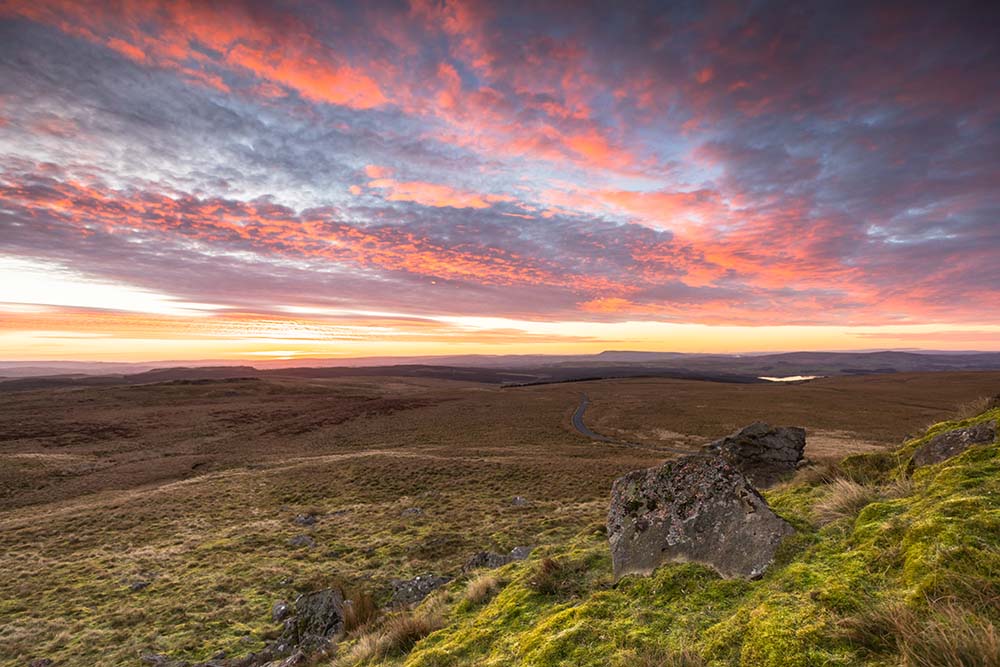
A forest might not seem like the most natural candidate for stargazing, but the Forest of Bowland in Lancashire is a great destination for it. It’s also highly accessible, located just a few miles east of Lancaster and the M6.
Obviously, it makes sense to get further away from the city and the motorway if you want the darkest skies, and Caton Moor Car Park is a great place to start. This undulating route is located a little way to the south of that, but gives you the chance to explore valleys, fields and moorland, as well as an abandoned 19th-century church. Looking north and east will give the best stargazing views.
Lake District National Park
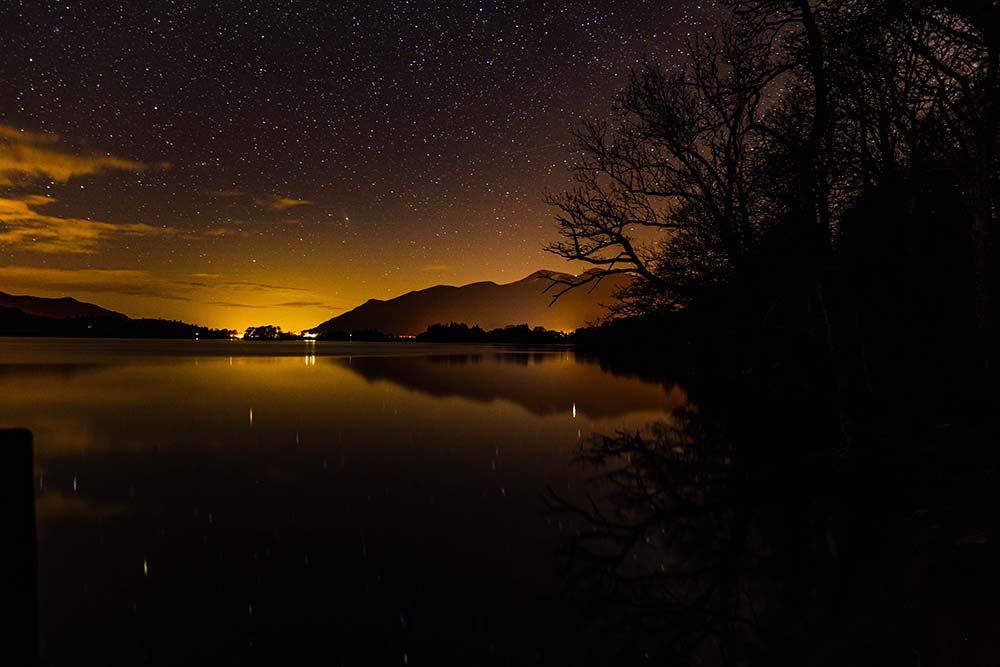
As home to the highest peaks in England, the Lake District is an excellent place to visit for both hiking and stargazing in Cumbria. With so many mountains, lakes and valleys, you’re spoiled for choice when looking for accessible destinations. It’s worth remembering that it may not be especially safe or advisable to tackle some peaks at night, and so you may be better off sticking to flatter routes around some of the lakes. This route stays close to Thirlmere lake, and the village of the same name, but still gives you enough elevation to get some excellent views. It’s also just a few miles south-east of Keswick if you need accommodation.
Northumberland International Dark Sky Park
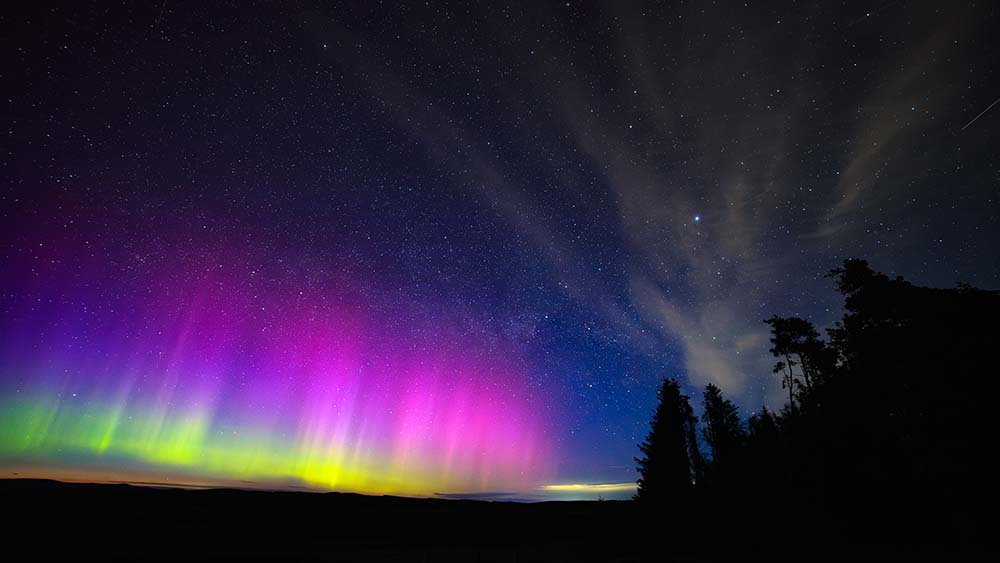
Adjoining the Scottish border, Northumberland has the darkest skies in England. Its International Dark Sky Park, officially designated in 2013, covers the National Park in its entirety, and most of the Forest Park and Kielder Water areas. This makes it arguably the best place in England to see stars and galaxies with the naked eye; handy if you’re hiking and want to keep your backpack weight down.
The Kielder Bull Crag peninsula juts out into Kielder Water, England’s largest artificially made lake. Looking towards the south and east, away from the nearby marina, should give you the best starry skies, especially in the open section in the middle of the peninsula.
Bath Abbey
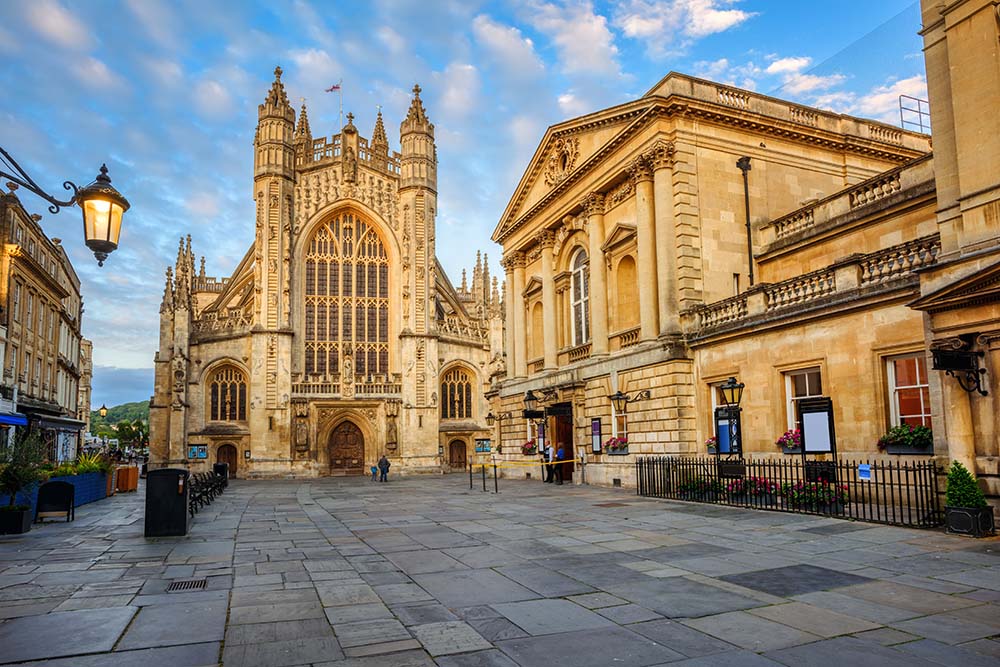
There has been an abbey in Bath since the 7th century, and it has been known for Bath Abbey stargazing events to be organised. However, if you’re looking for something a little more independent, you don’t have to head far out of Bath to find much lower levels of light pollution.
The Lansdown area to the north-west of the city is a good spot for stargazing, as it’s around 200 metres higher than the city centre. Use this route to start at Lansdown and head downhill into Bath afterwards, or reverse it for a more challenging uphill walk with some rewarding starry skies at the end.
Herstmonceux
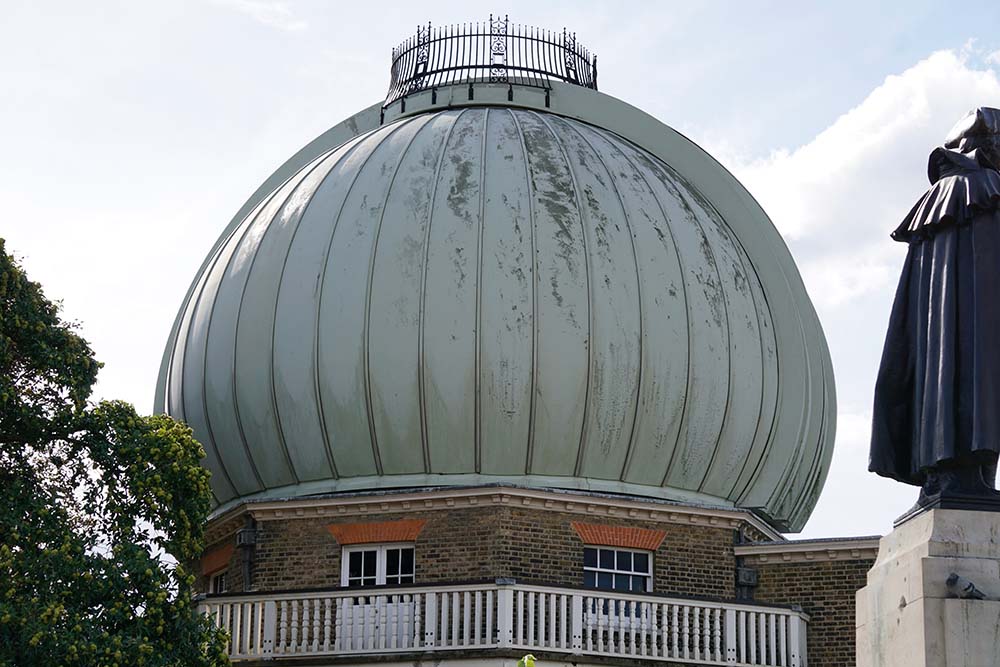
The Observatory Science Centre in east Sussex, formerly the home of telescopes for the Royal Observatory Greenwich, is your ideal starting point for stargazing in Herstmonceux. As well as being a family-friendly science museum and planetarium, they also organise stargazing evenings using powerful telescopes to explore the night sky in detail.
The area around Herstmonceux might be a little too close to the seaside towns of Eastbourne and Hastings to get really dark skies on a hike. So instead, we recommend heading north towards Brightling, within the High Weald National Landscape: this route is relatively straightforward and is easily accessible from the B2096 nearby.