A Guide to Recognising the Most Common Types of UK Moss
I’ve become a bit of a moss nerd over the years. Once you start noticing moss on walks, it’s impossible to stop. What first looks like a carpet of green on closer inspection reveals itself as dozens of different species, each with its own shape, texture and favourite habitat.
Moss might not get the attention of wildflowers or ancient trees, but it plays a huge role in making a landscape feel alive. Spot a patch of vibrant moss and you’ll usually know you’ve found a place rich in moisture, shelter and wildlife.
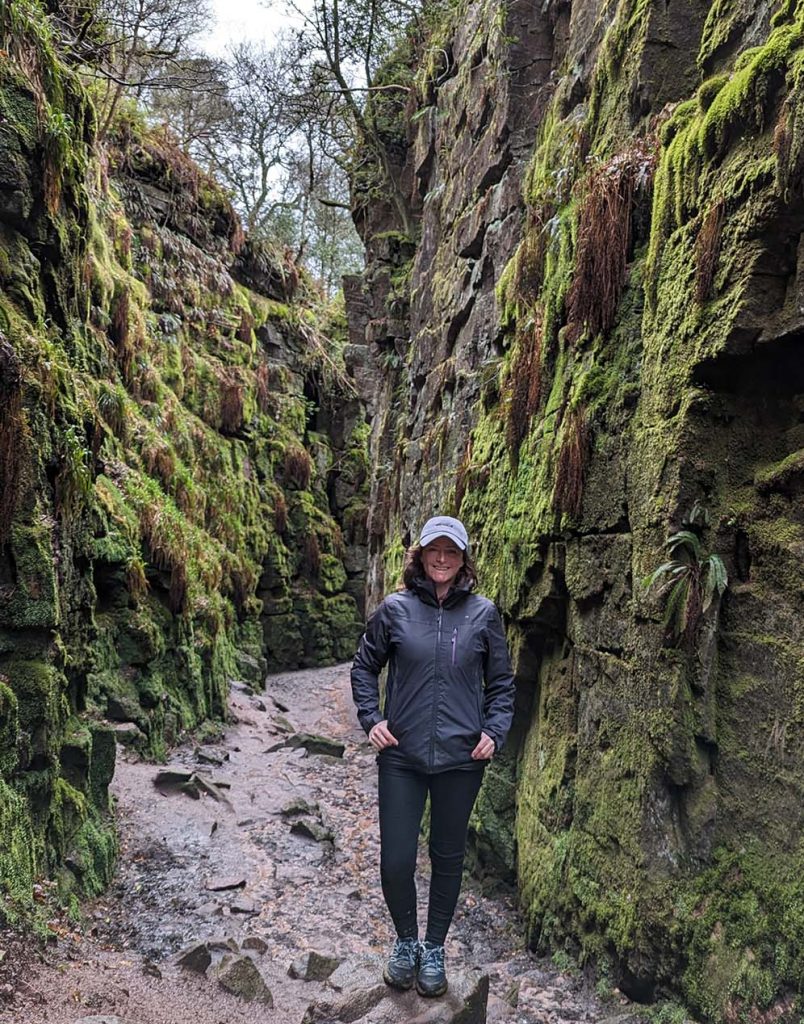
“I’m a self-confessed Bryophile…”
The word bryophyte comes from the Greek words for moss and plant – I may have just made up the term Bryophile but there’s definitely lots of us moss lovers out there. It’s the collective name used by botanists for mosses, liverworts and hornworts. So if you learn nothing else from this guide, you’ve at least gained a new outdoor word that sounds far more impressive than just saying “I love moss”.
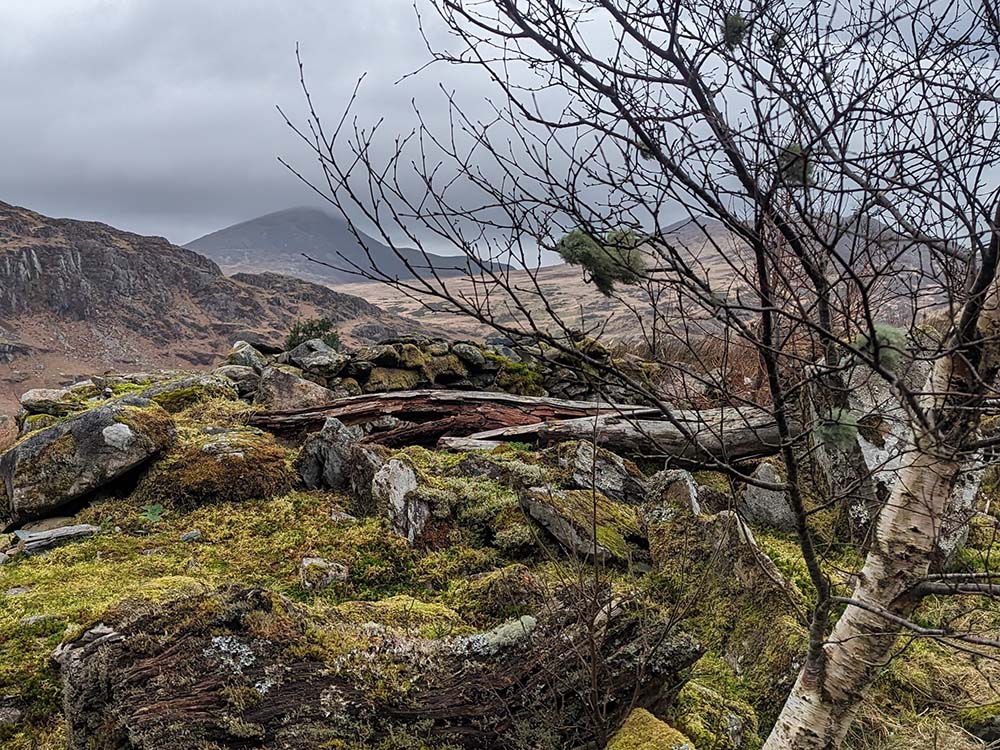
Why moss deserves a closer look
Mosses are among the UK’s most widespread plants and can be found everywhere from mountain bogs and ancient woodland to garden walls and city parks. Unlike flowering plants, mosses reproduce using spores and thrive in damp conditions. They’re particularly abundant in Britain’s wet climate, helping create habitats for insects and other wildlife.
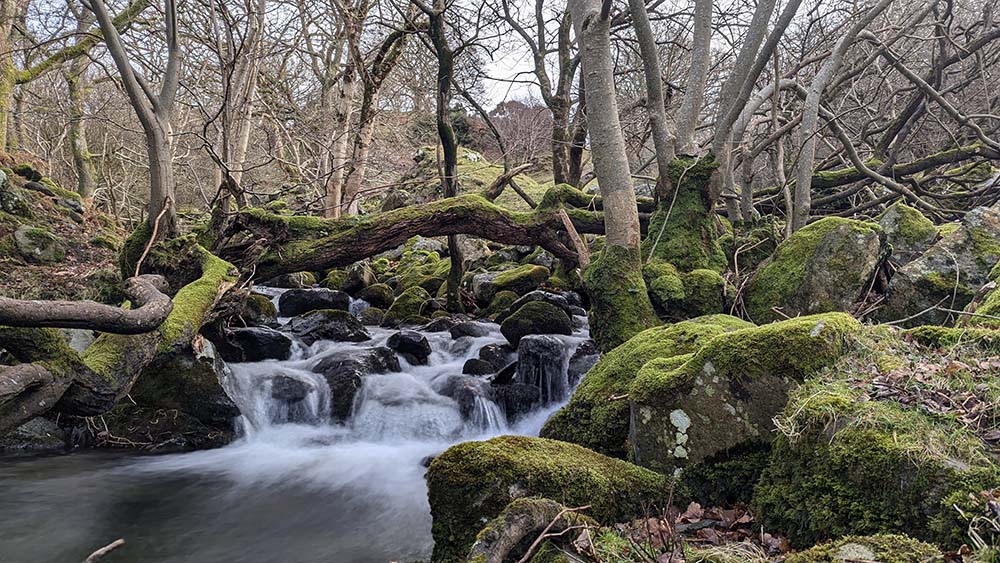
The good news for beginners is that you don’t need to identify hundreds of species. Learning a handful of distinctive mosses will completely change how you see a walk. Plus if you ever get caught short on a walk, a handful of clean damp moss makes a fantastic natural wipe. (following the leave no trace principles)
Sphagnum Moss: The Bog Builder
Sphagnum
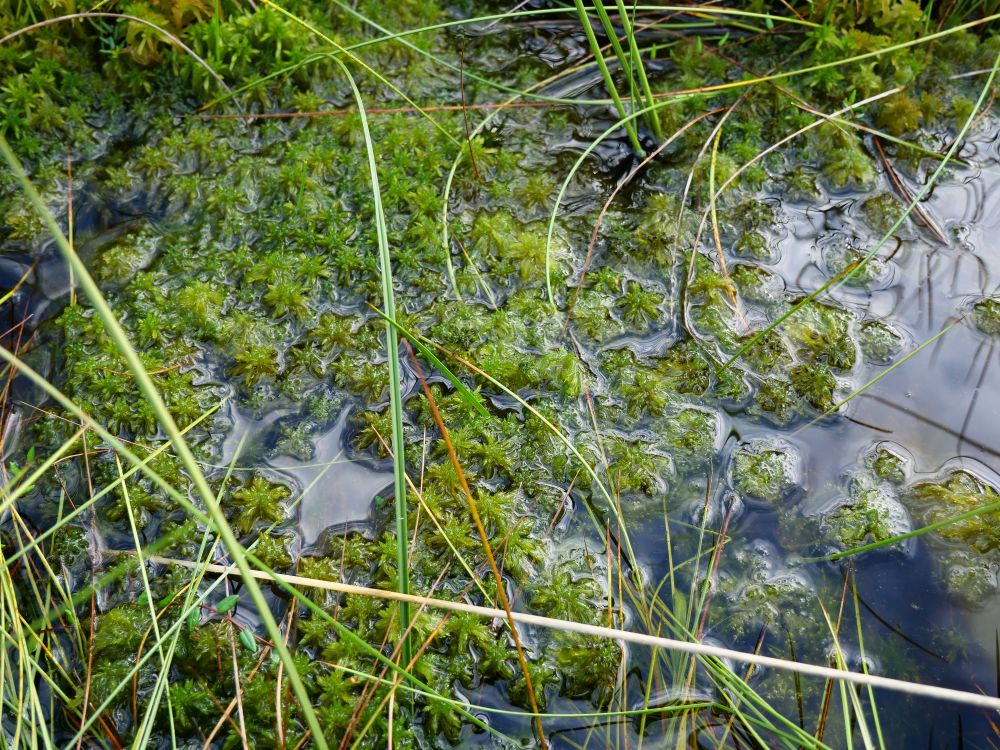
Sphagnum mosses are the foundation of peat bogs and can hold remarkable amounts of water. There are many different varieties within this genus which simply means moss in Ancient Greek. They’re responsible for creating and maintaining many of Britain’s most important peatland habitats. You’ll find it in marshy land like heathland and moors.
ID features:
- Soft, spongy texture
- Often forms colourful carpets or hummocks
- Can be green, yellow, orange, pink or red
- Usually found in very wet ground
- The brighter green, the wetter the bog
Many UK peatlands have been damaged by drainage, pollution, wildfire and erosion, leaving large areas without enough sphagnum moss to recover naturally. As a result, conservation organisations and volunteers plant sphagnum plugs across degraded moorland to help restore these habitats.
OS Maps tip:
If you are exploring a peat bog or blanket bog, stick to established paths where possible. These fragile habitats can take many years to recover from damage. However they can also be very dangerous to walk through as the bogs can be deep and hard to get out of.
Haircap Moss: The Tiny Forest
Polytrichum
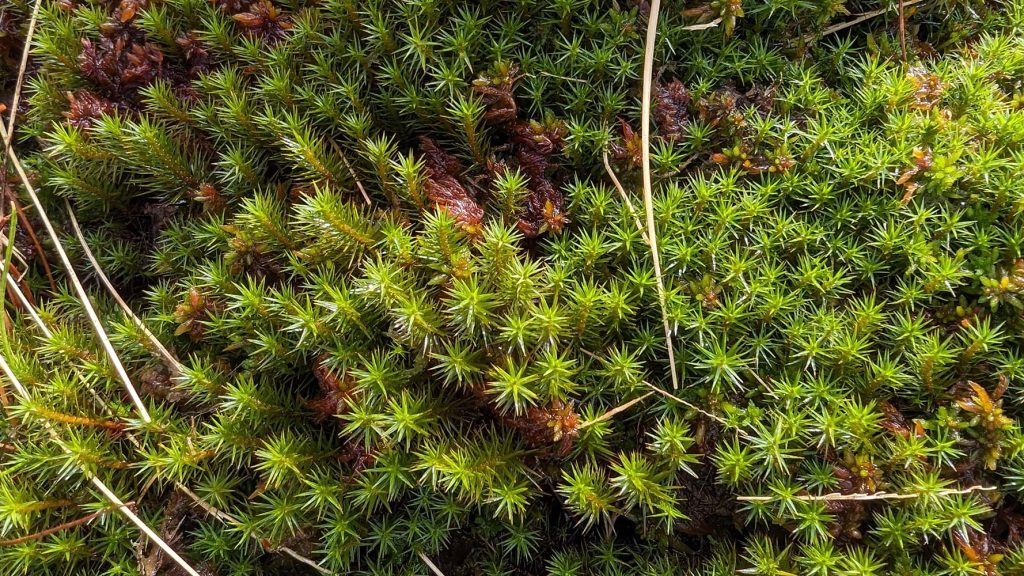
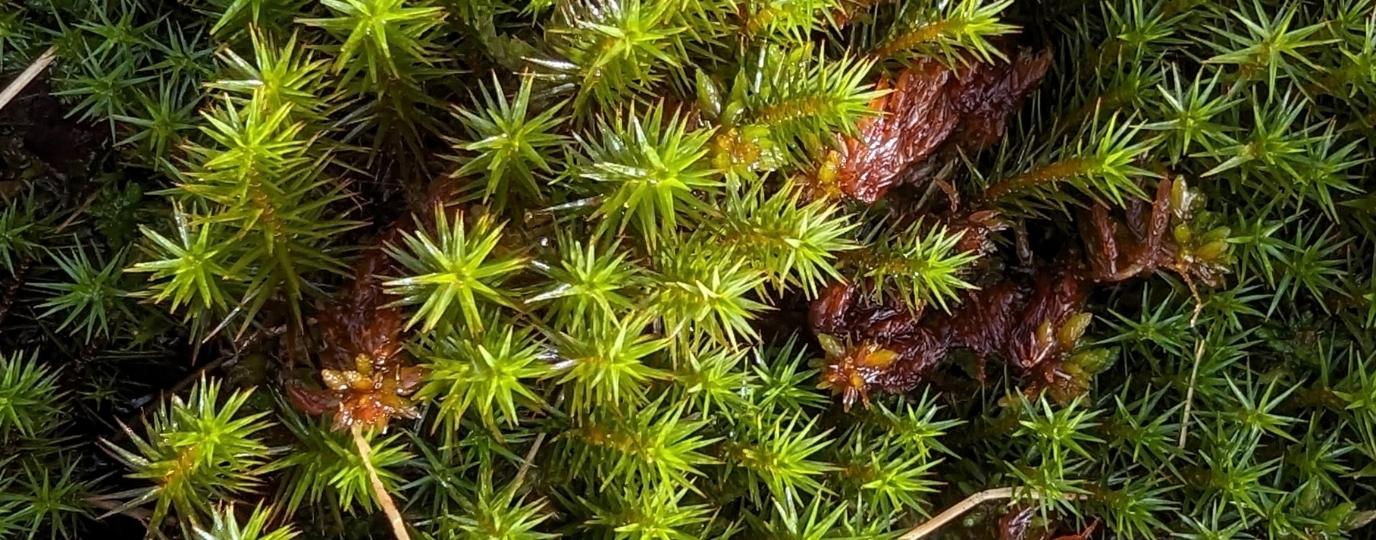
If you’re looking for the easiest moss to recognise, start with common haircap. Growing taller than many other mosses, it often resembles a miniature conifer forest rising from the woodland floor. Once you’ve spotted it, you’ll start noticing it everywhere from woodland banks to heathland paths.
ID features:
- Upright stems
- Dark green colour
- Star-shaped leaf rosettes when viewed from above
- Can grow up to 40cm tall
Common haircap is one of Britain’s tallest mosses and is often one of the first species beginners learn to identify. Look for woodland, heathland and rough ground on your map. Haircap moss often thrives in acidic soils where larger plants struggle.
Feather Moss: Nature’s Green Carpet
Hypnum cupressiforme
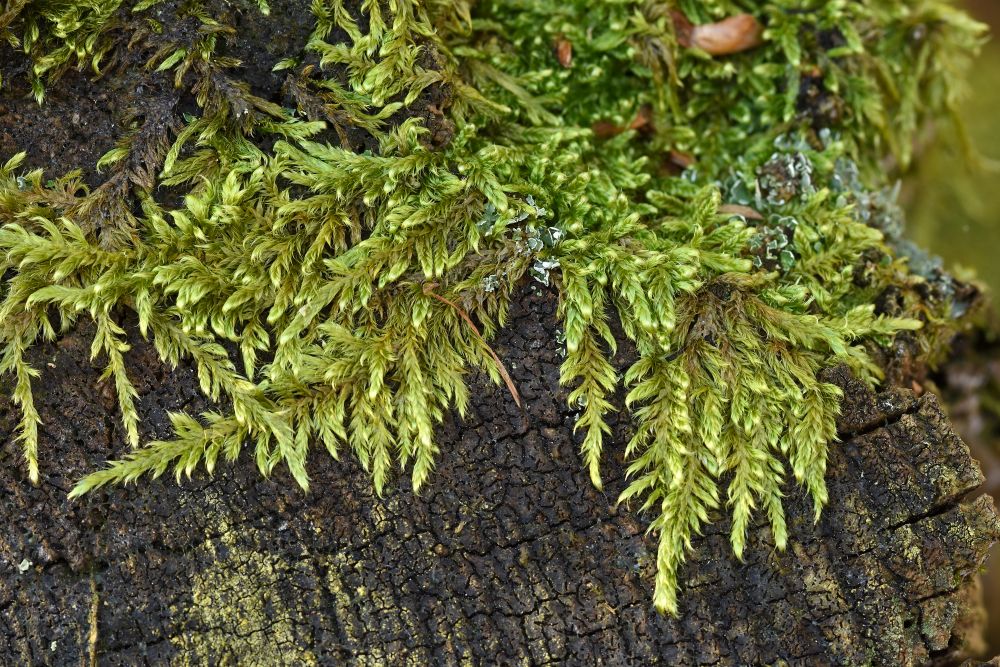
Feather moss is responsible for many of the lush green carpets you’ll see covering woodland floors. Its delicate branching stems give it a feathery appearance, creating some of the most beautiful textures in Britain’s forests.
ID features:
- Feathery appearance
- Forms sprawling mats
- Bright green, especially after rain
- Often covers logs, rocks and soil
Feather mosses help retain moisture in woodland habitats and create valuable shelter for tiny insects and invertebrates.
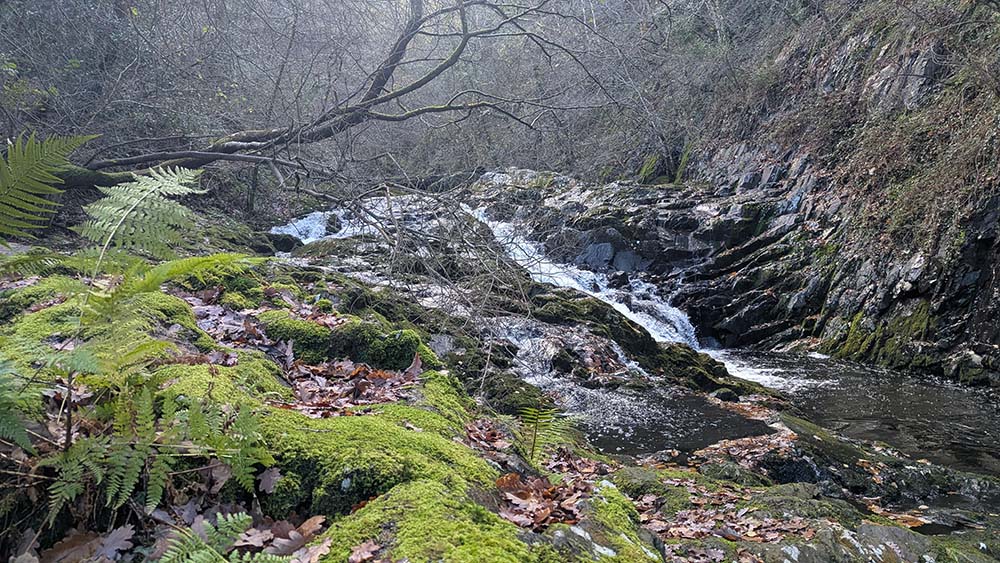
Ancient woodland and streamside trails are often excellent places to spot feather moss. Look for woodland symbols and watercourses on your map.
Cushion Moss: The Neat One
Leucobryum
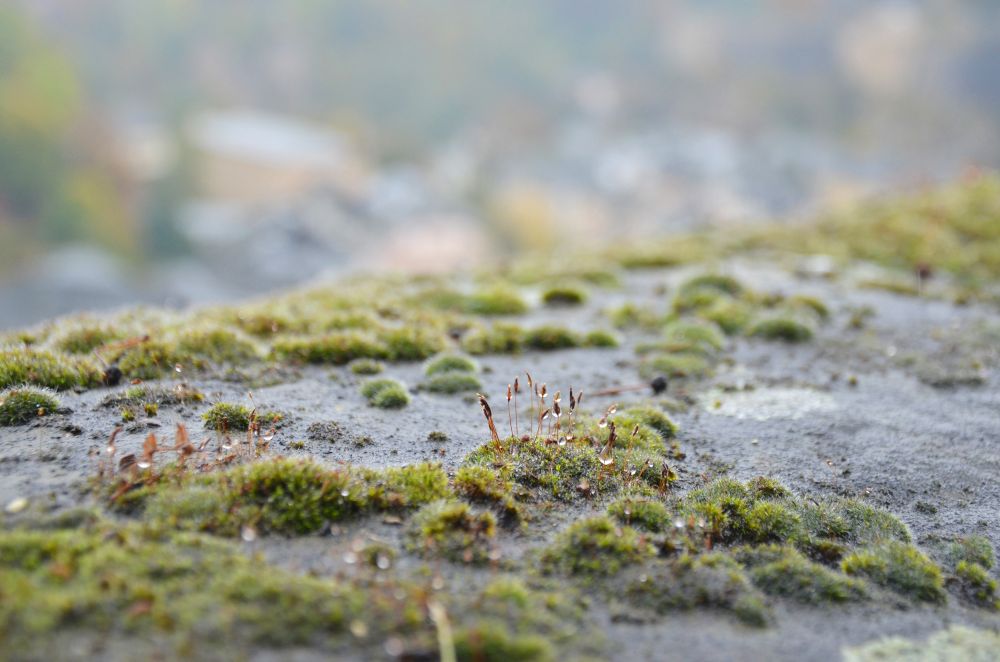
Cushion moss forms neat rounded domes that look remarkably like miniature green cushions scattered across the forest floor. It can get quite big and tufty too, especially when it completely covers a big smooth stone.
ID features:
- Rounded mound shape
- Dense, compact growth
- Soft pale green colour
- Often found on rocks, walls, woodland floors and banks
Individual cushions can survive for many years, slowly growing into larger clumps that stand out from the surrounding vegetation.
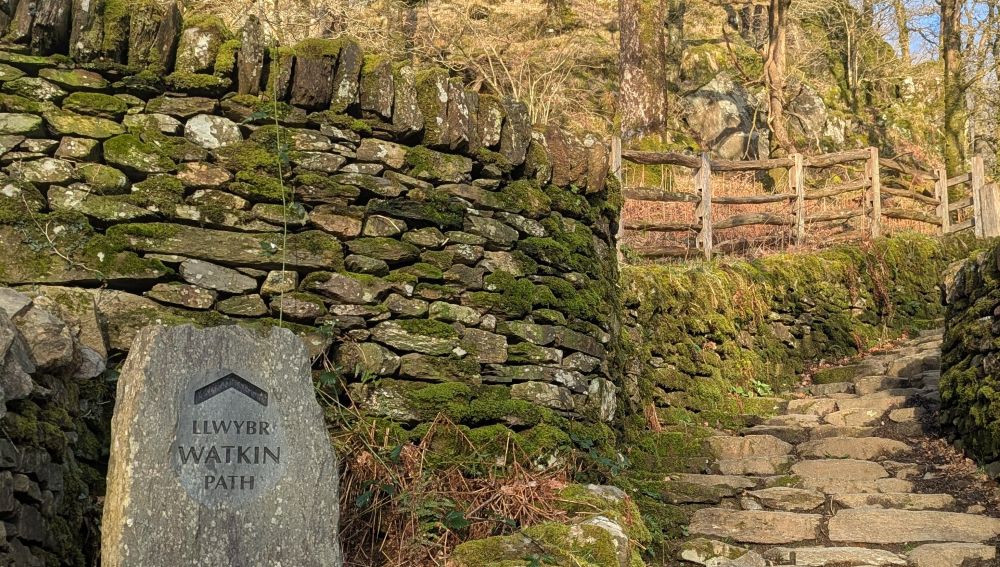
Shady woodland walks are often the best place to find cushion moss. It particularly enjoys damp, sheltered locations.
Moss FAQs
What is moss for?
Moss may be small, but it plays a big role in the landscape. It acts like a natural sponge, helping to hold moisture in woodlands, bogs and river valleys, provides habitat for tiny insects and other wildlife, helps protect soil from erosion and, in the case of sphagnum moss, contributes to the formation of peatlands that store carbon.
What’s the difference between moss and lichen?
It’s a common mistake, but moss and lichen are completely different organisms.
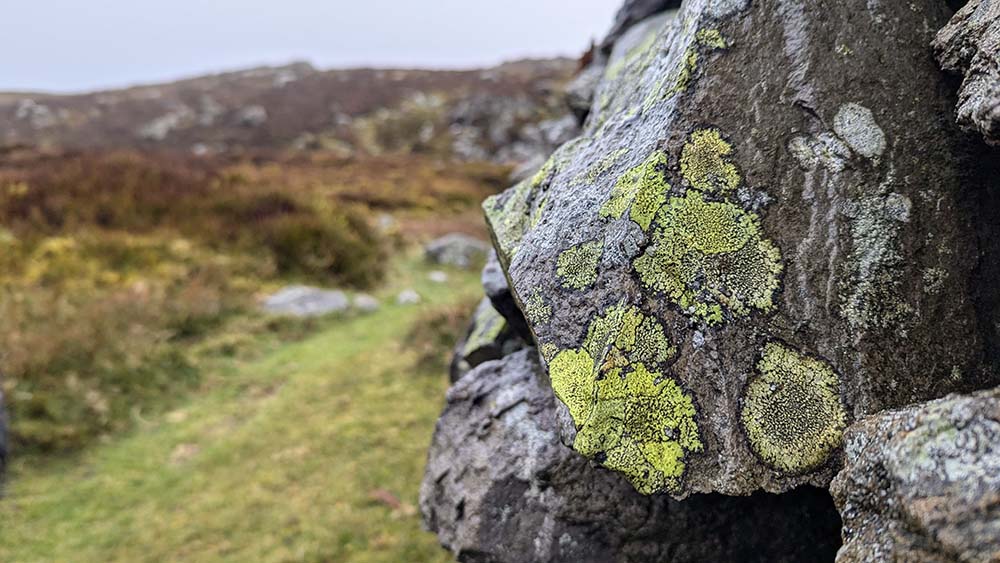
Moss is a simple plant that grows using water, sunlight and nutrients from its surroundings. Lichens are partnerships between a fungus and algae (or cyanobacteria) living together. Mosses usually look soft, leafy or cushion-like, while lichens often appear crusty, flaky, branching or beard-like.
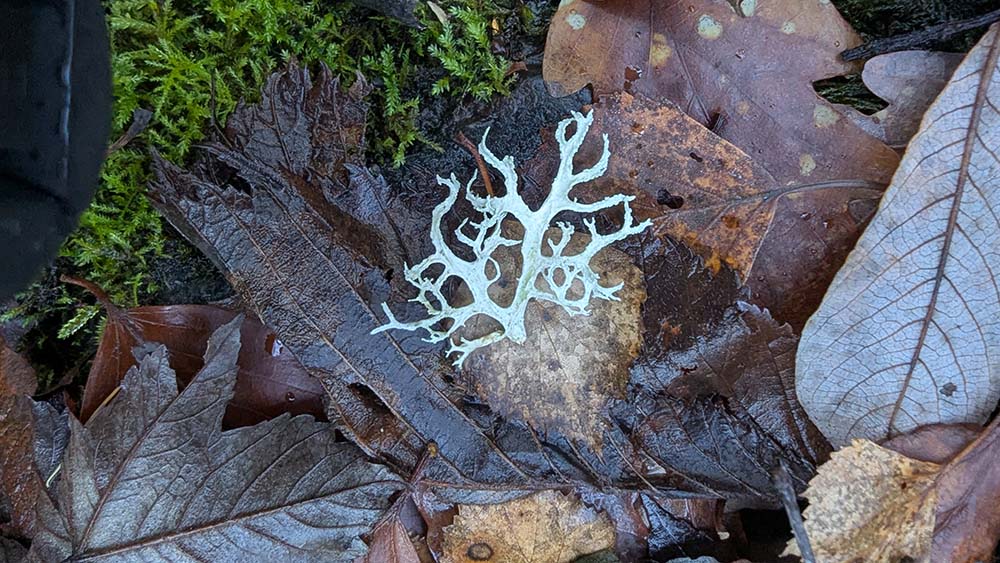
If you’re walking through woodland and see something that resembles tiny green leaves, it’s probably moss. If it looks more like a crust, patch or miniature coral growing on rock or bark, it’s likely lichen.
Is moss a plant?
Yes. Mosses are non-flowering plants known as bryophytes. Unlike trees, grasses and wildflowers, they don’t produce seeds. Instead, they reproduce using spores and absorb water directly through their leaves.
How many species of moss are there in the UK?
There are more than 1000 species of moss recorded in the UK according to the Woodland Trust, making mosses one of the most diverse groups of plants you’ll encounter on a walk.
Does moss only grow on the north side of trees?
No. This is one of the most persistent outdoor myths.
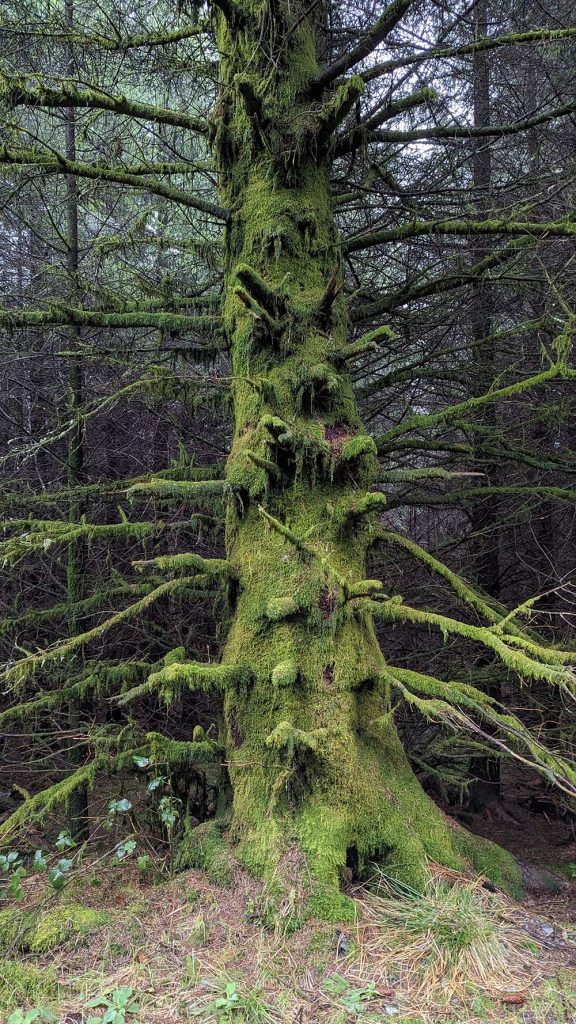
While moss may sometimes grow more abundantly on a shaded side of a tree, it can grow on any side where conditions are damp enough. Shade, shelter and moisture are much more important than compass direction, so moss should never be used as your primary navigation tool.
Where is the best place to find moss?
Look for moss in damp, shaded environments such as:
- Ancient woodland
- Stream and river valleys
- Moorland bogs
- Wet heathland
- Drystone walls
- Tree trunks and roots
- Shaded rocks and boulders

When is the best time of year to spot moss?
Moss can be found all year round, but it often looks its best in autumn, winter and after rainfall, when its colours become brighter and more vibrant.
Is moss good for wildlife?
Yes. Moss provides shelter for insects, spiders and other small invertebrates. In woodlands and peatlands it also helps retain moisture and contributes to healthy ecosystems.
Can moss grow in full sun?
Some species can tolerate sunny conditions, but most mosses prefer damp, shady locations where they are less likely to dry out.
Are heatwaves bad for moss?
Many mosses can survive short periods of hot, dry weather by becoming dormant and rehydrating when rain returns. However, repeated heatwaves and droughts can damage species that depend on consistently damp conditions, particularly sphagnum mosses in peat bogs and mosses found in humid woodland habitats. If you’ve noticed moss looking brown during summer, it isn’t always dead. It may simply be waiting for the next spell of wet weather.
Why is Britain so good for moss?
Britain’s mild climate, frequent rainfall and high humidity create ideal conditions for mosses. Some of the richest moss habitats can be found in temperate rainforests, ancient woodlands and upland peatlands.
This post is part of our mindful hiking series, designed to help you slow down and notice more on your walks. From tiny mosses clinging to rocks and trees to sweeping views across the landscape, taking time to observe the details can deepen your connection to nature and make every walk more rewarding.
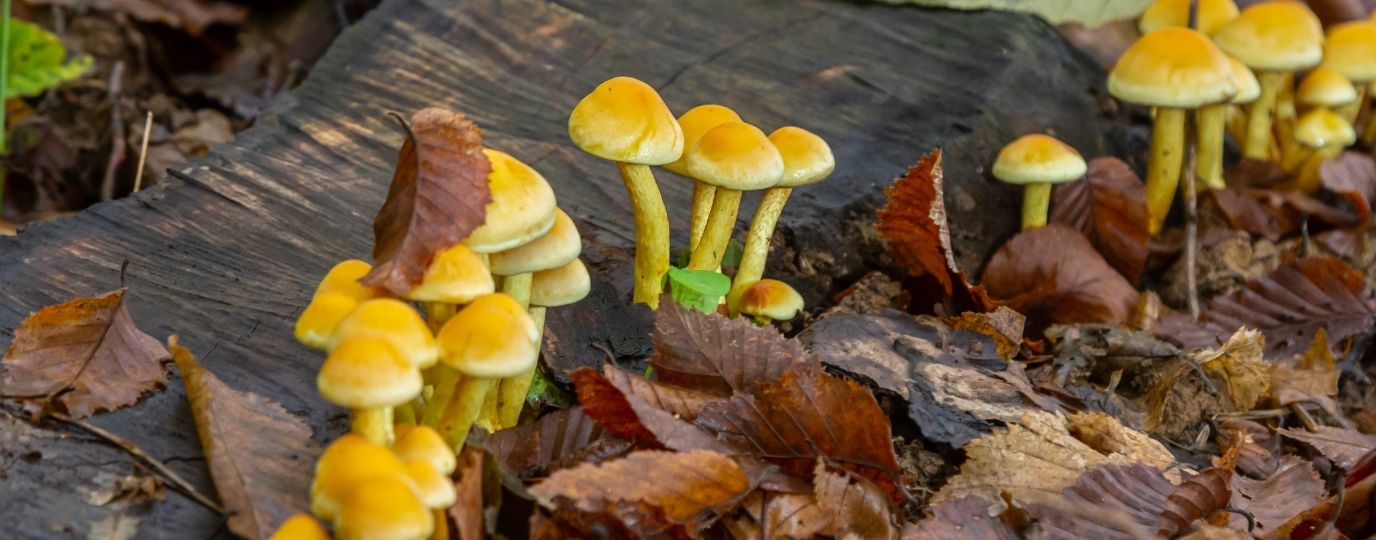
11 Common Fungi to Spot in Britain This Autumn
Explore Britain’s autumn woodlands and discover 10 fascinating fungi species to spot on your next seasonal walk.
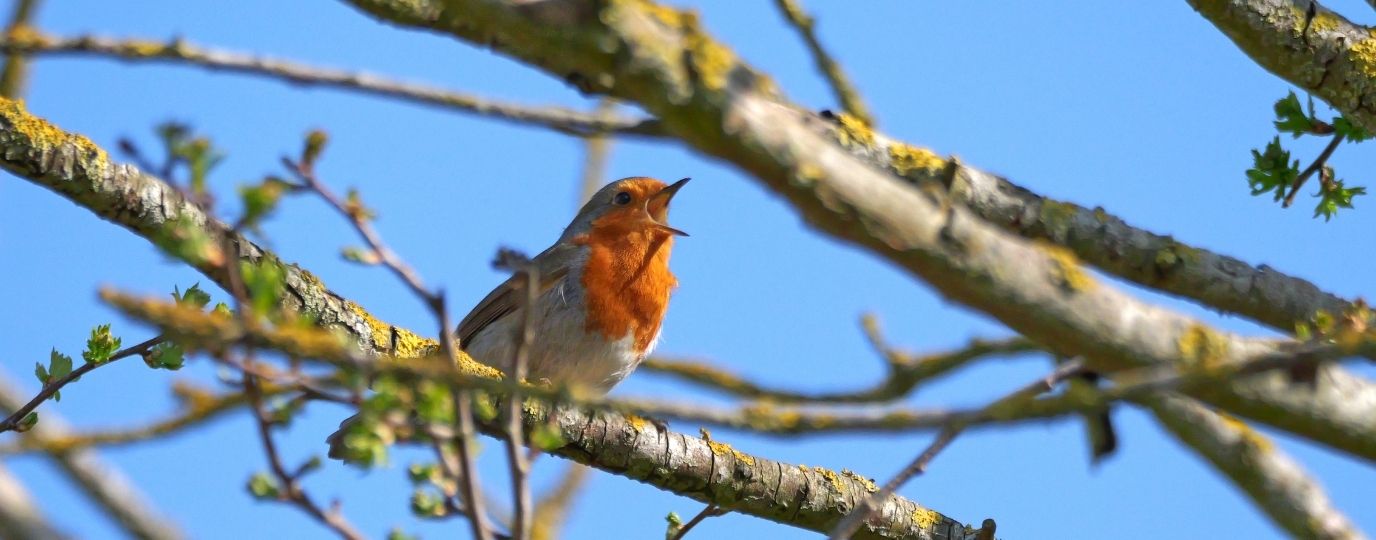
Can You Identify 6 birds by Sound Alone?
Can you identify the birdsong of 6 British birds? We challenge you to become a better hiker by connecting with wildlife more deeply

Nature Walk Bingo Free Printable – Autumn & Winter Walks
Challenge your kids to spot everything on our OS Nature Walk Bingo sheet. This is great for keeping younger kids interested in going a little further on your next walk.
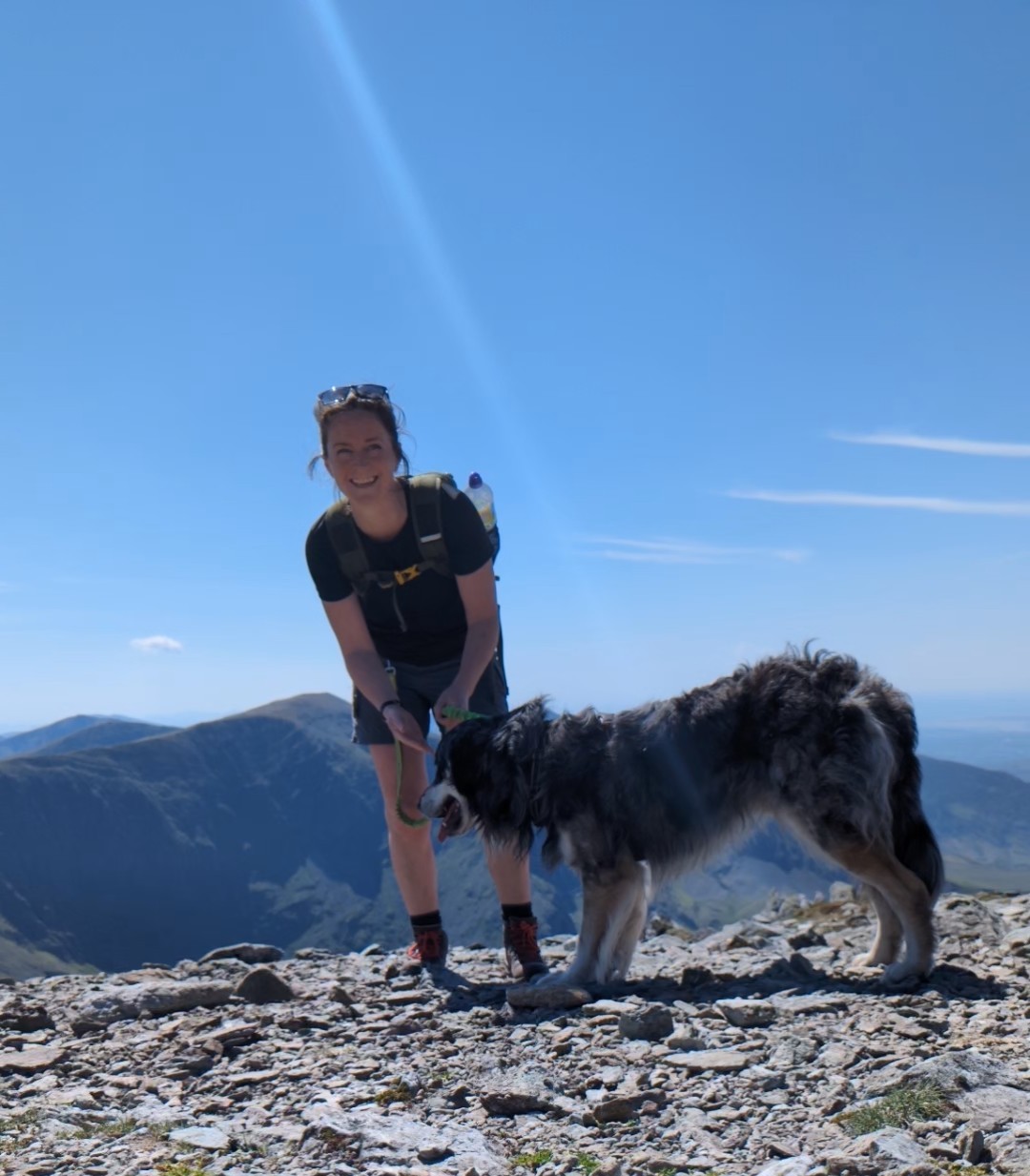
By Hilary Pullen
Meet Hilary, Editor of OS Maps Discover. Hilary is based in North Wales and loves hiking with her dogs in the mountains of Eryri and Bryniau Clwyd, you can find her on Instagram @nearlyuphill and read her guides to walking in North Wales.
If you would like to be a featured OS Author and write an article or route guide find out more here – how to submit an article idea