Identifying birdsong can bring a new dimension to your walks
One of our 26 Challenges to make you a better hiker is to learn the names and songs of the birds you hear and see on your walks. You might not think of yourself as a birdwatcher, but learning to listen more closely can change how you experience a place. This challenge is about paying attention and feeling more connected to nature as you walk.
A deeper connection to nature
“For millennia, humans have evolved alongside nature, so it’s inherent that we want to connect with it. There’s even a scientific term for this theory, the biophilia hypothesis, which means we actively seek out nature, and a perfect example of this is listening to birdsong – hearing a Blackbird or a Song Thrush singing is one of the purest joys of life. When we connect with nature, we not only feel an urge to protect it – we also take care of ourselves.” NHS and TV doctor Dr Amir Khan, President of the RSPB
Studies show that hearing birdsong and paying attention to it while walking can improve mood, reduce stress and help restore attention. Learning bird sounds gives your mind something calm to focus on, helping walks feel more present and you feel more connected to the place you are in.

The RSPB and its President, GP and TV doctor Dr Amir Khan, highlights that spending time outdoors and listening to birds can lift mood and support mental wellbeing. Hearing birdsong, particularly during the dawn chorus, helps stimulate serotonin and encourages a sense of calm and focus. Studies show listening to and watching birds may even slow age-related cognitive decline.
Below, we share a simple way to explore Britain through bird song, using online sound maps. We’ve embedded the birdsong of six of the most common birds you are likely to hear, wherever you walk in the UK, to get you started with the challenge to become a better hiker!
Use Xeno-Canto the global bird sound library to identify birds by sound
One of the best free tools for learning bird calls is the xeno‑canto sound library. It’s one of the best websites for learning to identify birdsong. It lets you explore recordings from specific countries or areas, including Great Britain.
We love maps at OS and the map on Xeno-Canto is such a delight to explore, not just birdsong, you can find wildlife of all varieties there. All the recordings are uploaded by volunteers and then peer reviewed for accuracy. You can have great fun exploring all the recordings in the UK on the site and it’s perfect for entertaining children –“guess what bird or animal makes this sound?”
Six common British birds to recognise by song
Below are six of the most widespread birds in Britain. These species appear in gardens, parks, woodland edges and footpaths across the UK. They are ideal starting points if you want to identify birds by sound.
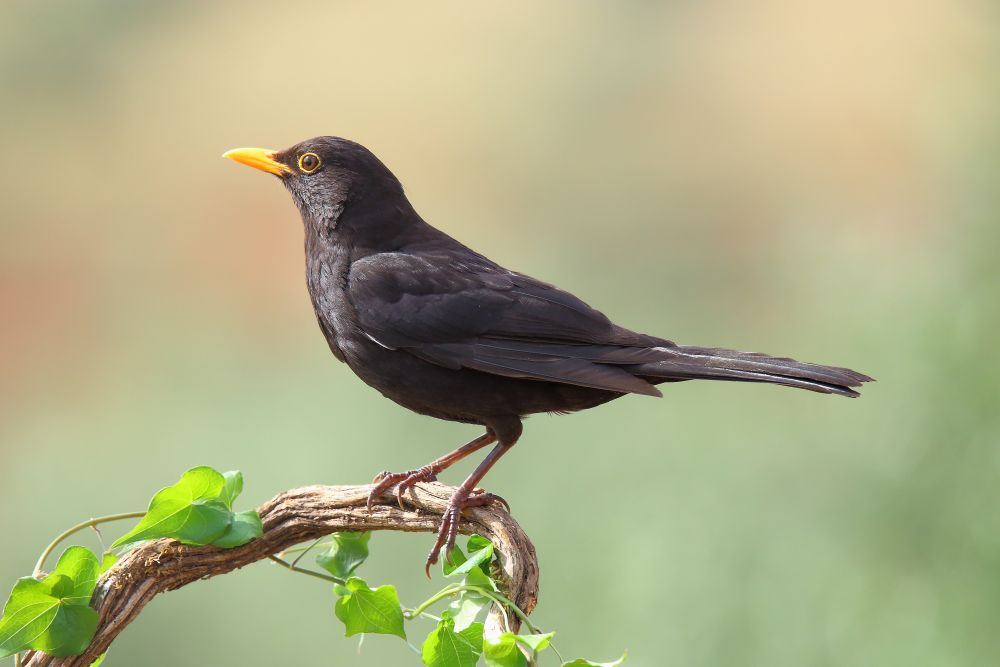
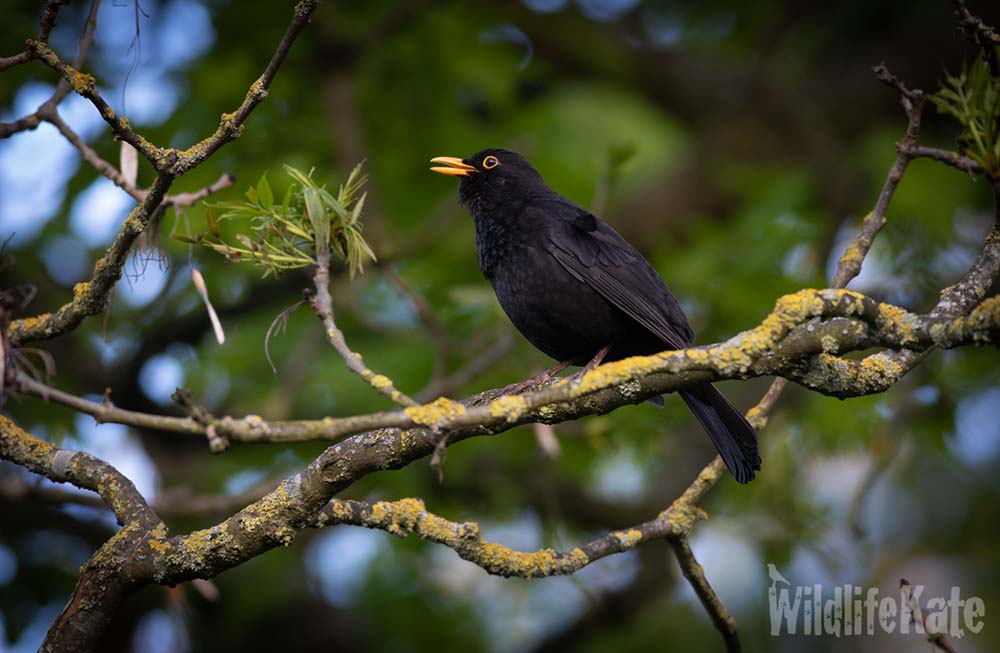
Blackbird – Turdus merula
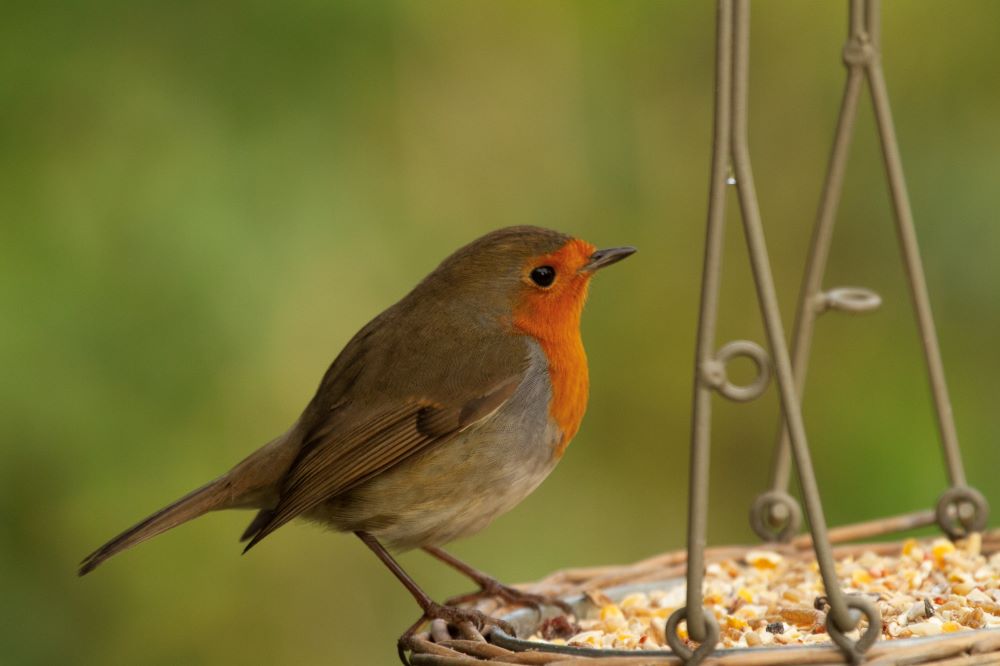
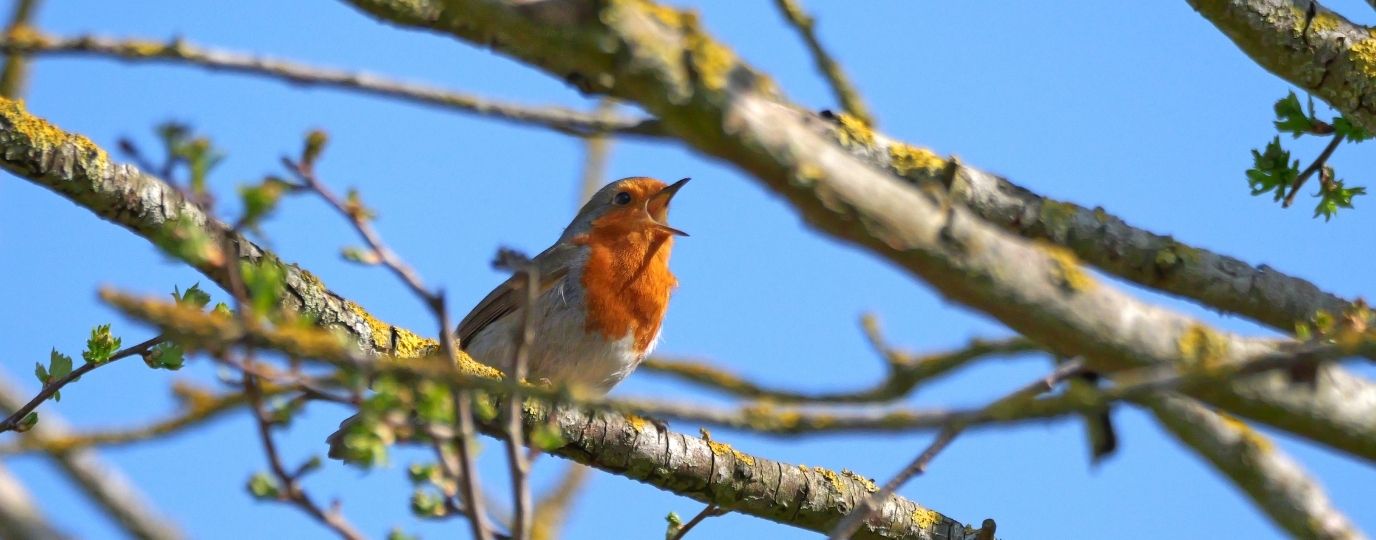
Robin – Erithacus rubecula
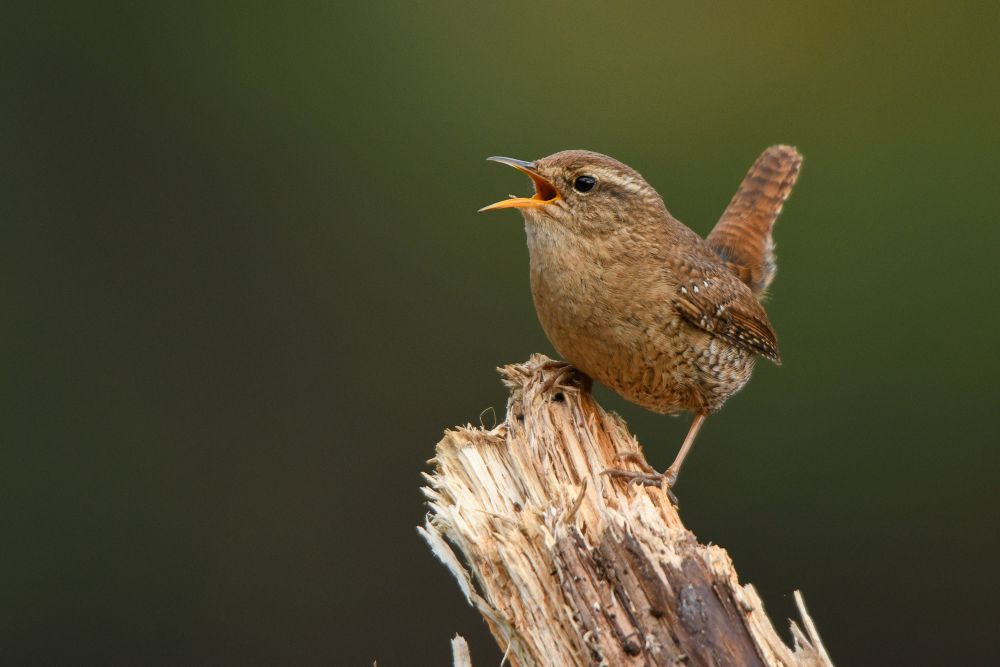
Wren – Troglodytes troglodytes
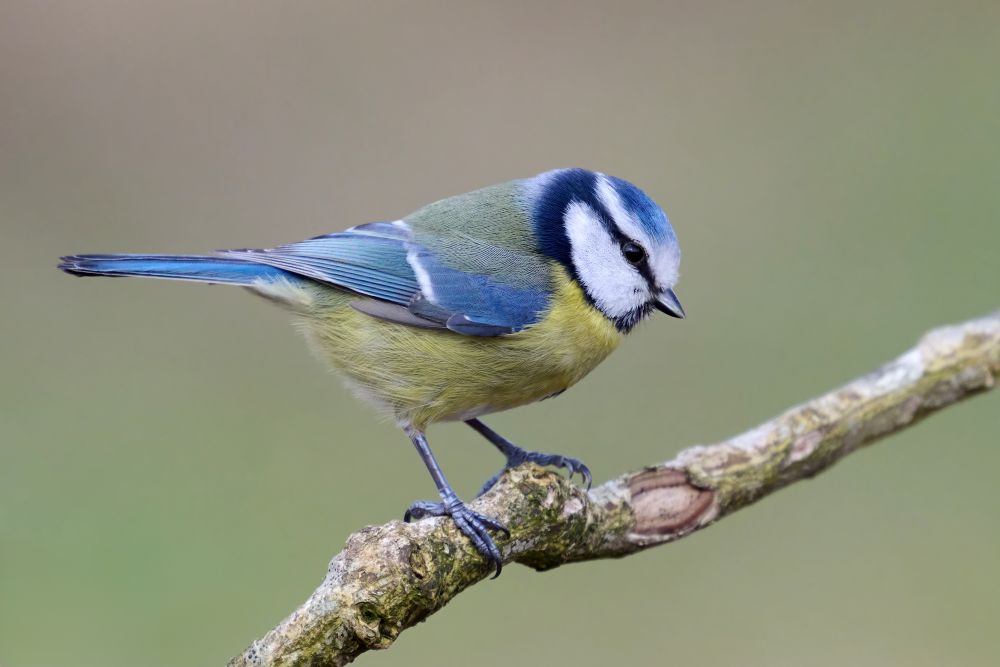
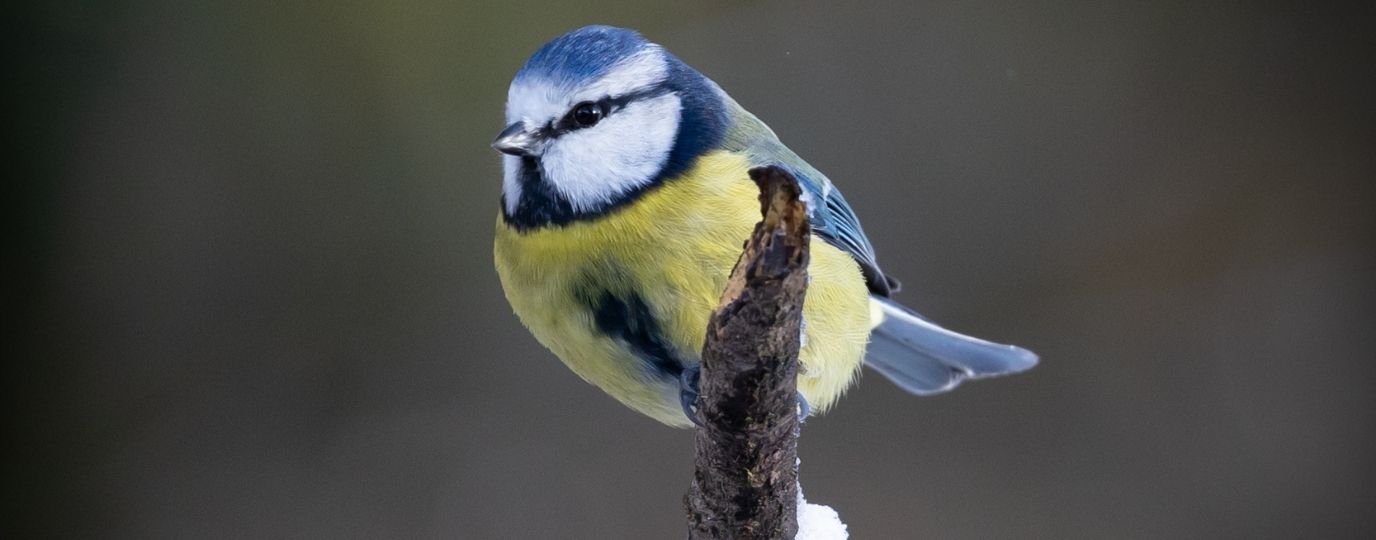
Blue Tit – Cyanistes caeruleus
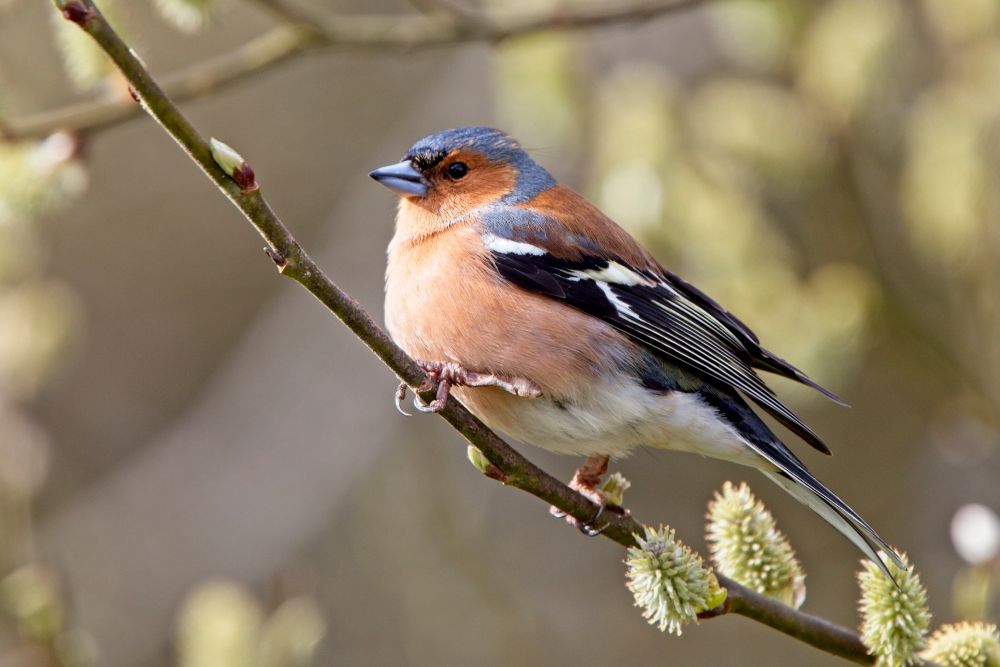
Chaffinch – Fringilla coelebs
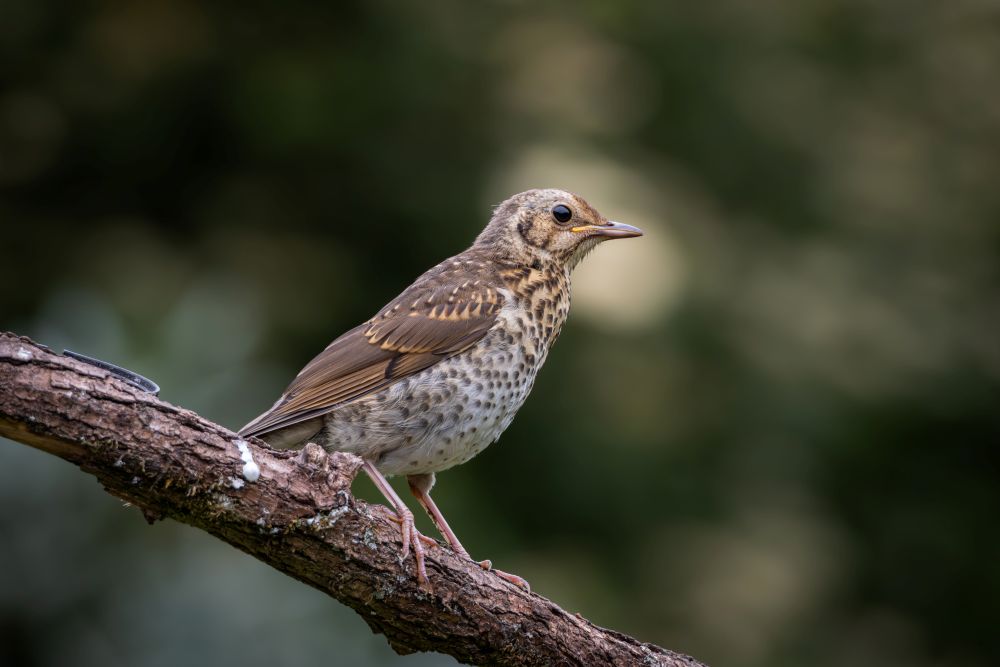
Song Thrush – Turdus philomelos
Want to practice your birdsong identification skills?
The dawn chorus happens around 45 minutes before sunrise, when birds sing at their loudest and most concentrated. It’s the best time to practice identifying birdsong or simply to enjoy the amazing sounds. Spring is when it reaches its peak, as birds sing to attract mates and defend their territory.
International Dawn Chorus Day takes place on the first Sunday in May. It is a perfect excuse to set an alarm a little earlier and experience birdsong at its most spectacular.
There is no right way to listen. You can open a window, step into your garden, walk along a river path or visit a local nature reserve. Still air and low light often carry sound far more clearly than daytime conditions.
By Hilary Pullen
Meet Hilary, Editor of OS Maps Discover. Hilary is based in North Wales and loves hiking with her dogs in the mountains of Eryri and Bryniau Clwyd, you can find her on Instagram @nearlyuphill and read her guides to walking in North Wales.
If you would like to be a featured OS Author and write an article or route guide find out more here – how to submit an article idea