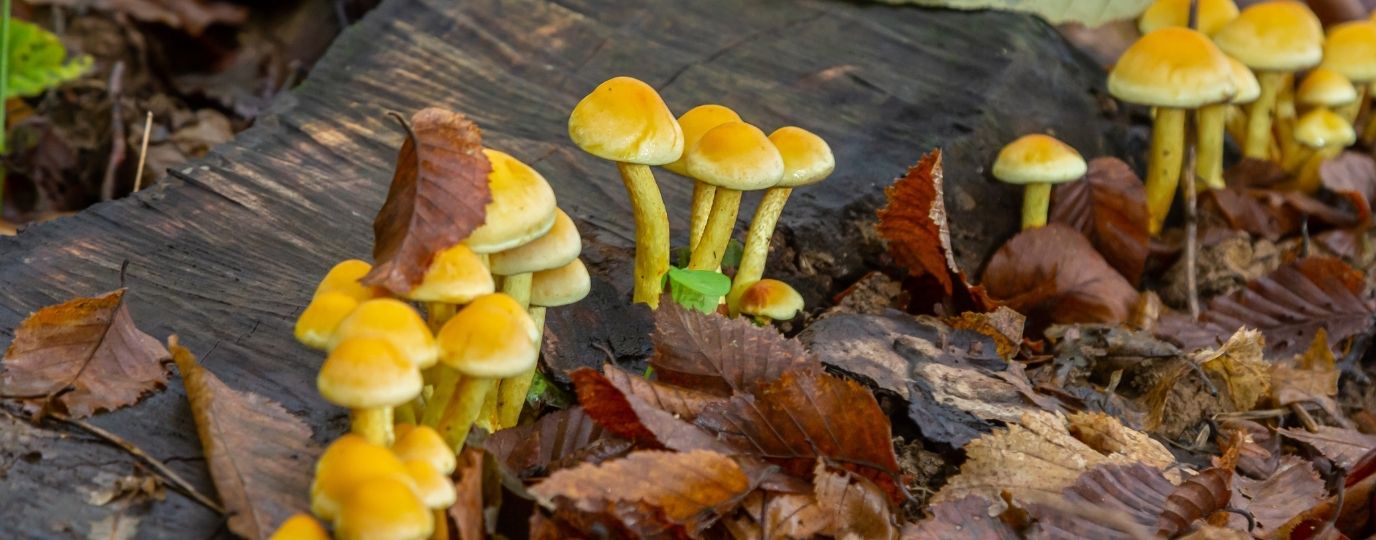
11 Common Fungi to Spot in Britain This Autumn
From fiery beech woods to misty woodland paths, autumn is one of the most magical seasons to explore Britain. The crunch of fallen leaves, the scent of damp earth and woodland decay, and the explosion of seasonal colour create a landscape unlike any other time of year.
It’s also fungi season.
As temperatures cool and rainfall increases, woodlands, parks, hedgerows and grasslands across the UK suddenly come alive with mushrooms and toadstools. Some appear overnight. Others emerge in huge numbers beneath ancient trees, adding flashes of red, orange, yellow and white to Britain’s autumn palette.
Learning to recognise fungi is a brilliant way to connect with nature during autumn walks. But while many species are fascinating to observe, identification can be challenging and some mushrooms are highly toxic.
Fungi Safety: What You Need to Know
Before heading out with a fungi spotter’s checklist, keep these important safety tips in mind:
- Never eat a wild mushroom unless you are absolutely certain of its identification. Some poisonous species closely resemble edible varieties.
- If in doubt, leave it out. Even experienced foragers use multiple identification features and field guides.
- Touching fungi is generally safe. Most British fungi cannot poison you through skin contact. However, wash your hands afterwards and avoid rubbing your eyes or touching your face.
- Supervise children and dogs around mushrooms. Curious pets and young explorers can accidentally ingest toxic species.
- Avoid damaging fungi unnecessarily. Fungi play an important role in woodland ecosystems and help recycle nutrients.
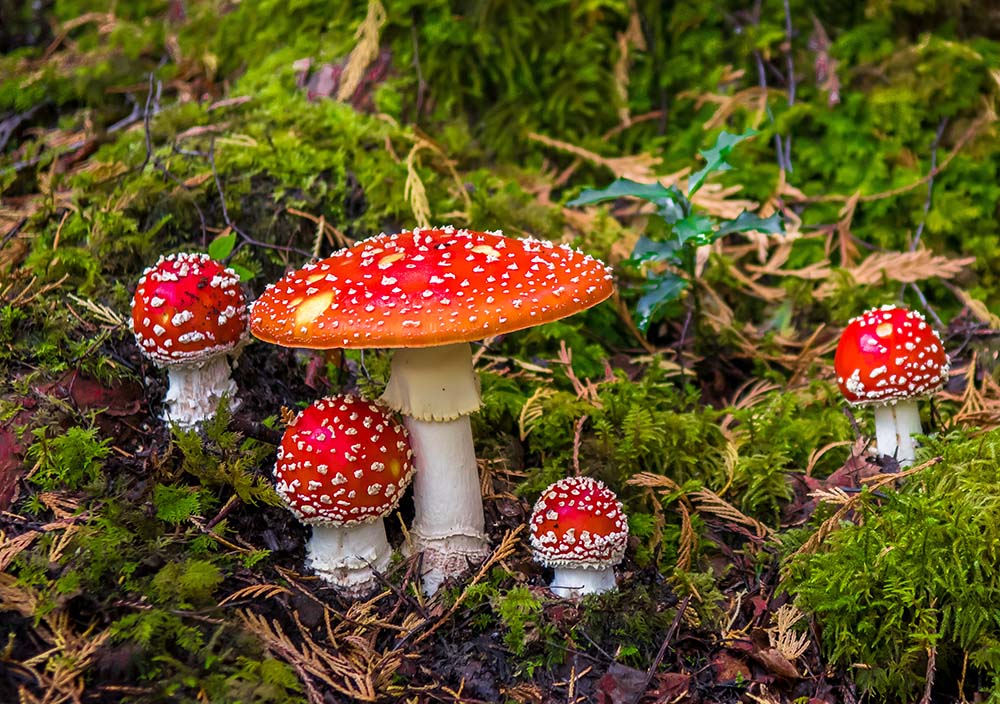
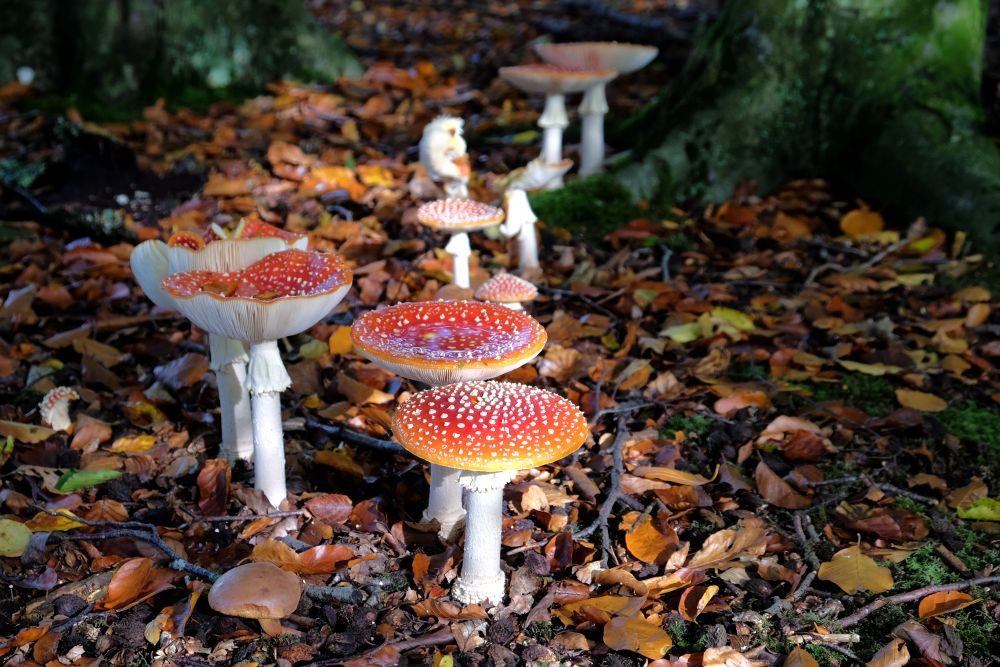
1. Fly Agaric (Amanita muscaria)
How to identify it
Perhaps the most iconic mushroom in Britain.
- Bright red cap
- Distinctive white spots
- White stem
- Often found beneath birch, pine and spruce trees
Where to find it
Woodland edges, heathland and mixed forests from September to November.
Why it’s famous
This is the classic fairytale toadstool featured in storybooks and folklore.
Important: Although instantly recognisable, Fly Agaric is poisonous and should never be eaten.
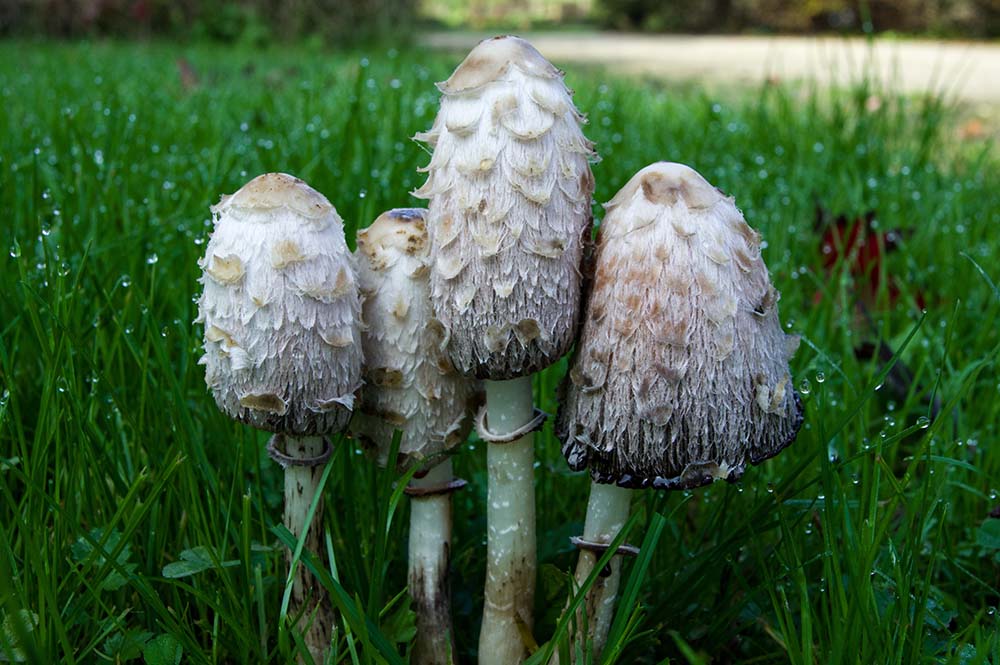
2. Shaggy Inkcap (Coprinus comatus)
How to identify it
- Tall white cylindrical cap
- Shaggy scales
- Eventually turns black and liquid-like
Where to find it
Road verges, parks, lawns and grassy paths.
Why it’s interesting
As it matures, the mushroom appears to dissolve into black ink, a process known as deliquescence.
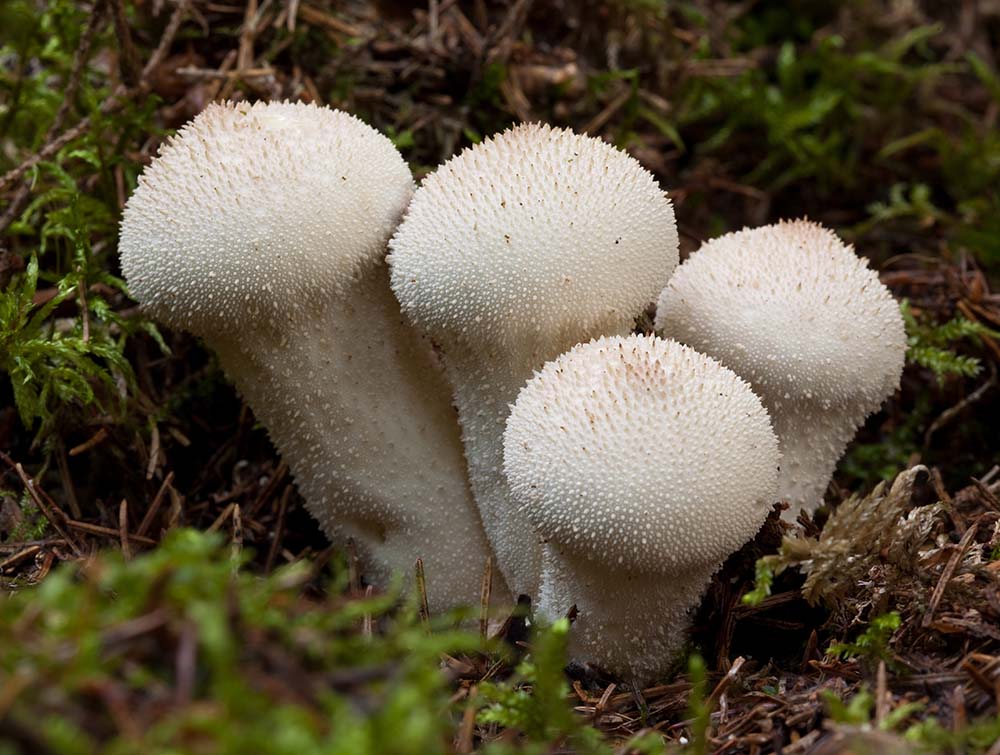
3. Common Puffball (Lycoperdon perlatum)
How to identify it
- Small, round or pear-shaped
- Covered in tiny white spines
- Brown with age
Where to find it
Woodland floors and grassy areas.
Why it’s interesting
When mature, pressing the top releases a cloud of spores that resembles smoke.
4. Turkey Tail (Trametes versicolor)
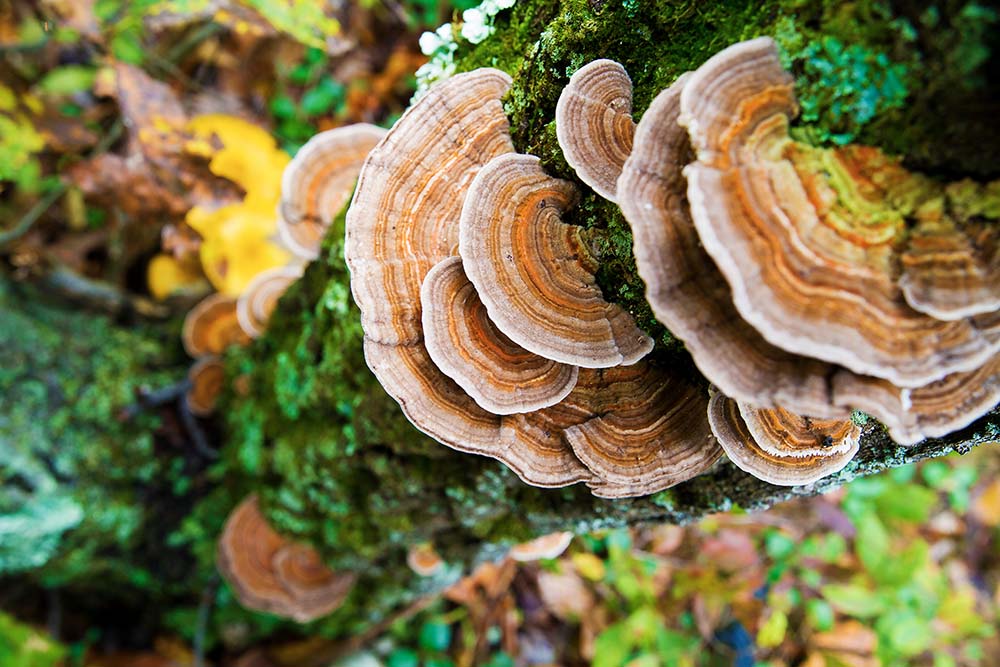
How to identify it
- Fan-shaped brackets growing on dead wood
- Bands of brown, cream, orange and grey
- Velvet-like texture
Where to find it
Fallen logs and decaying tree trunks.
Why it’s interesting
Its colourful rings resemble the tail feathers of a turkey.
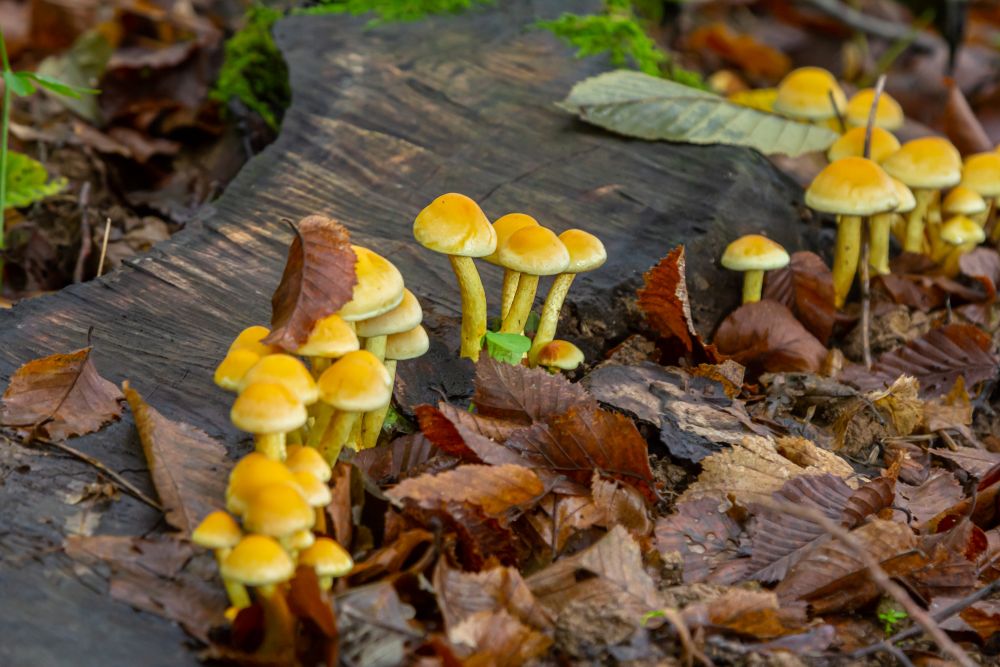
5. Sulphur Tuft (Hypholoma fasciculare)
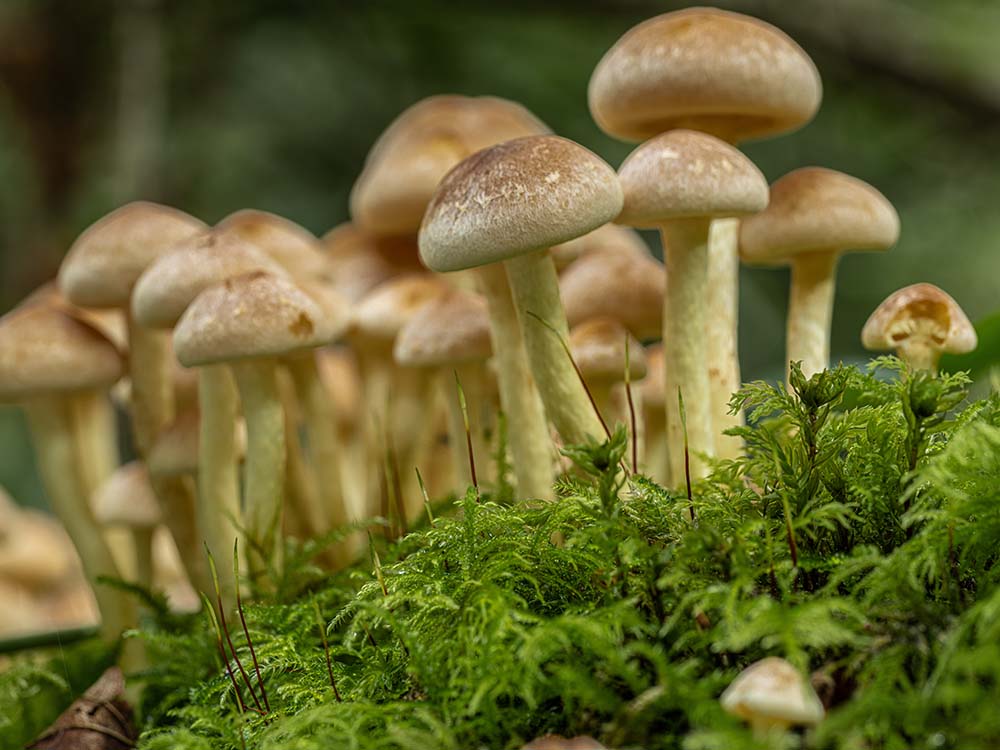
How to identify it
- Bright yellow clusters
- Orange-brown centre
- Grows in dense groups
Where to find it
Dead tree stumps and buried roots.
Why it’s interesting
One of the most commonly encountered woodland mushrooms in Britain.
Important: This species is poisonous.
6. Common Earthball (Scleroderma citrinum)
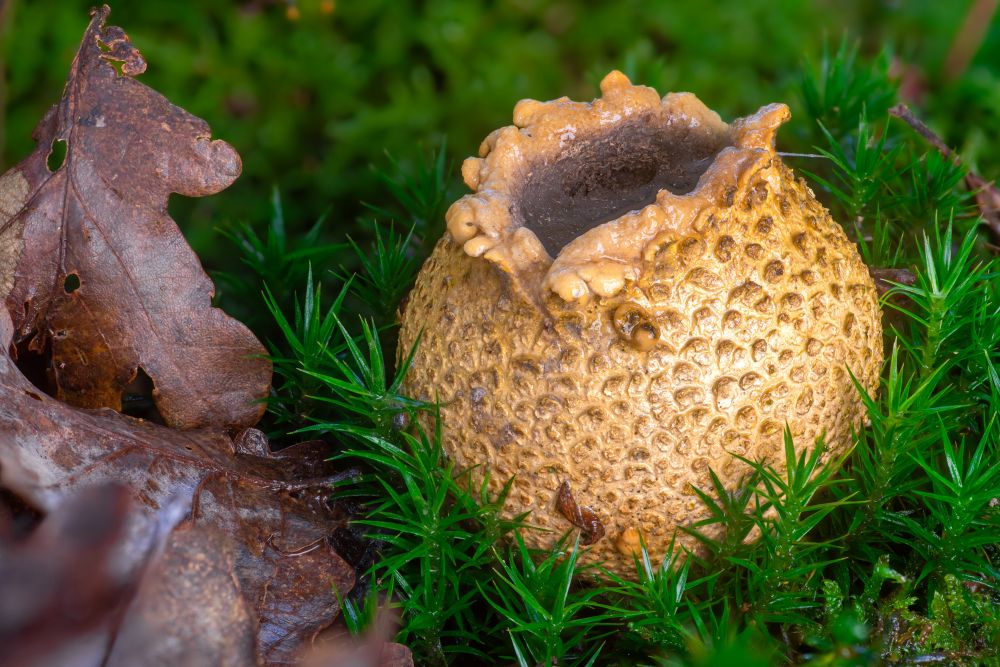
How to identify it
- Round, potato-like shape.
- Thick yellow-brown skin covered in warty scales.
- Inside turns dark purple-black as it matures.
Where to find it
Woodland edges, heaths, parks and beneath trees from late summer to autumn.
Why it’s interesting
Although it looks similar to a puffball from the outside, the inside quickly develops a dark, dusty spore mass.
Important: Common Earthballs are poisonous and should not be eaten.looking fungi and a favourite among nature photographers.
7. Birch Polypore (Fomitopsis betulina)
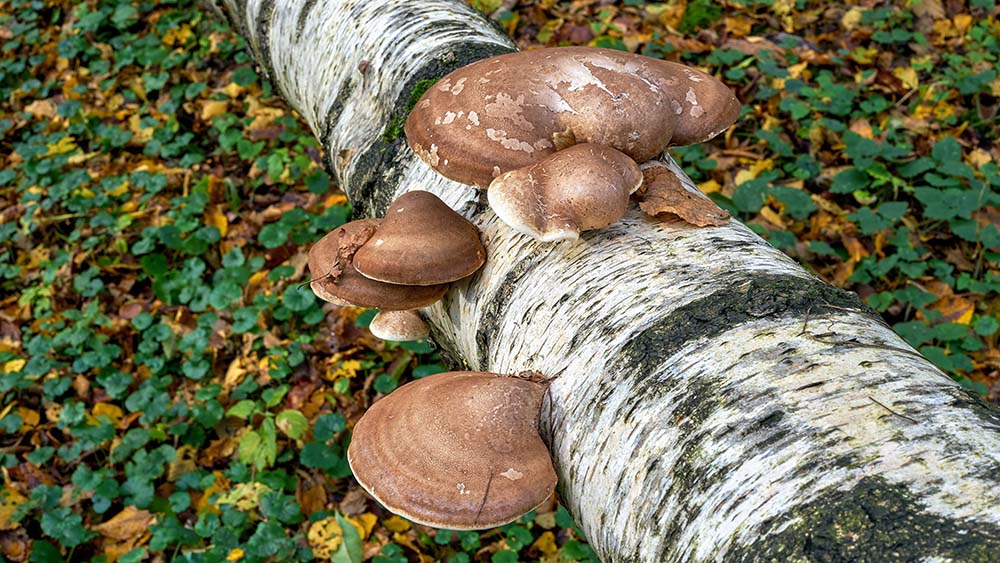
How to identify it
- Smooth, pale brown bracket
- Grows exclusively on birch trees
- Rounded shape
Where to find it
Dead or dying birch trees.
Why it’s interesting
It forms an important part of woodland recycling processes.
8. Scarlet Waxcap (Hygrocybe coccinea)
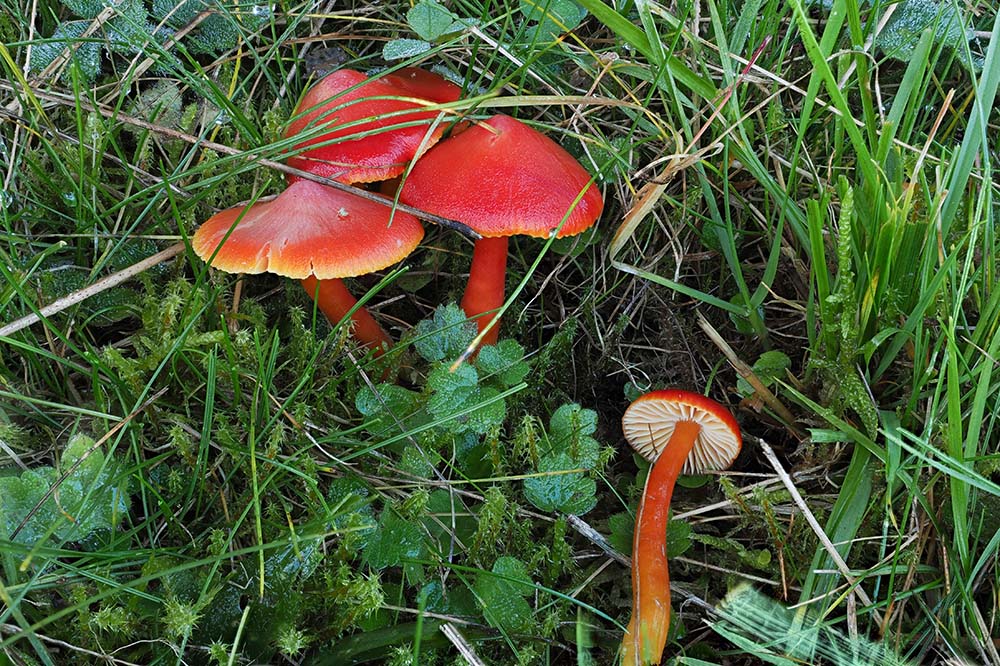
How to identify it
- Bright scarlet red cap
- Waxy texture
- Slender red stem
Where to find it
Traditional grassland, churchyards and unimproved meadows.
Why it’s interesting
Its vibrant colour stands out against autumn grass and fallen leaves.
9. Wood Blewit (Lepista nuda)
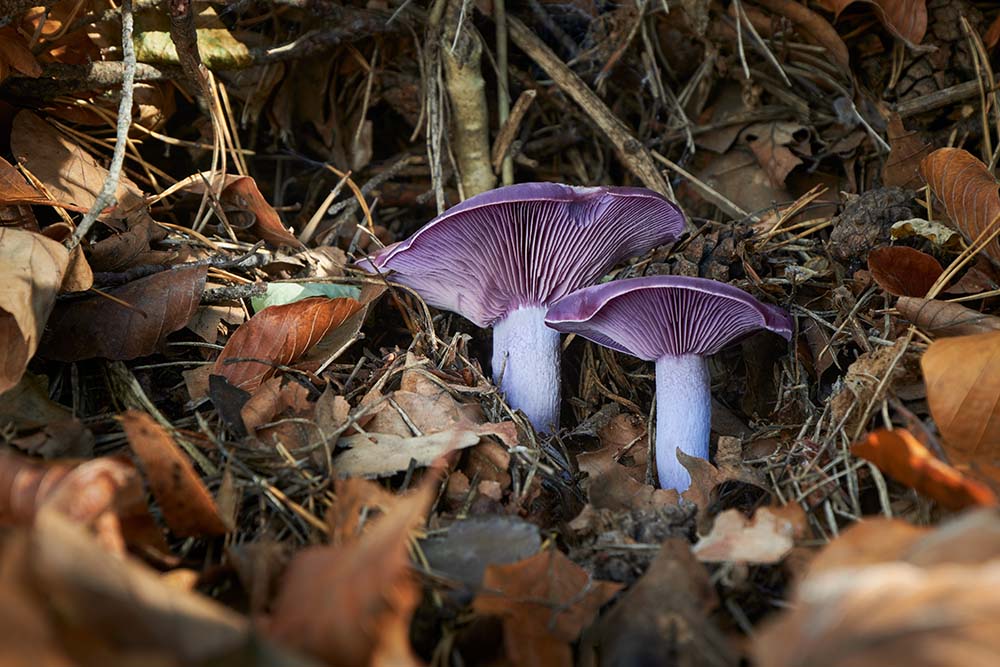
How to identify it
- Pale lilac or violet colouring
- Smooth cap
- Strong earthy scent
Where to find it
Woodland edges, compost heaps and leaf litter.
Why it’s interesting
Its unusual purple tones make it one of autumn’s most distinctive fungi.
10. Jelly Ear (Auricularia auricula-judae)
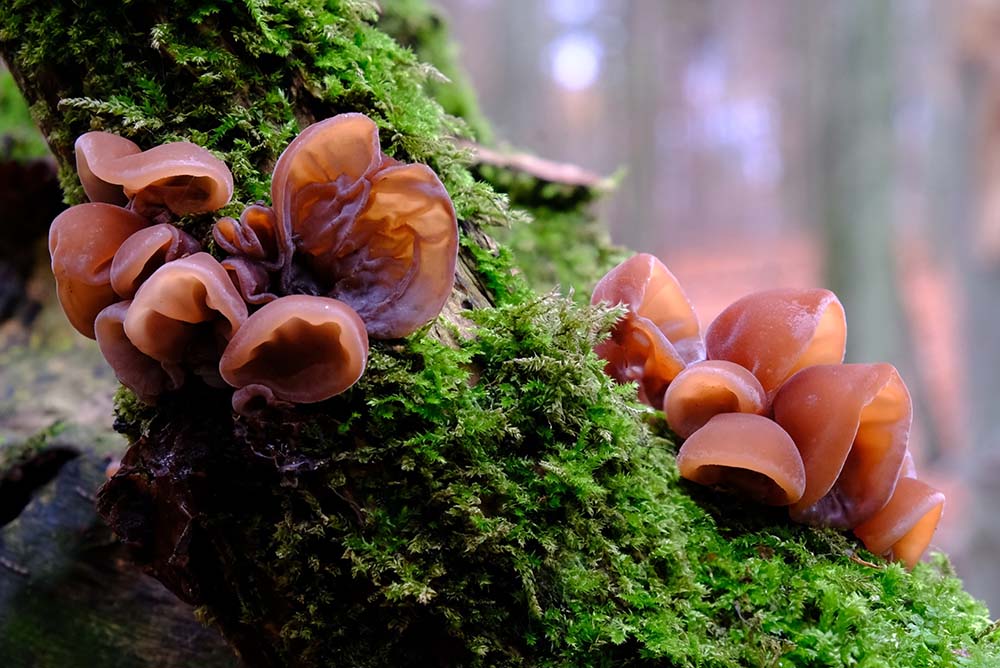
How to identify it
- Soft, ear-shaped fruiting body
- Brown and jelly-like
- Translucent when wet
Where to find it
Usually on elder trees.
Why it’s interesting
It can remain visible throughout much of the year but becomes particularly noticeable during damp autumn weather.
11. Amethyst Deceiver (Laccaria amethystina)
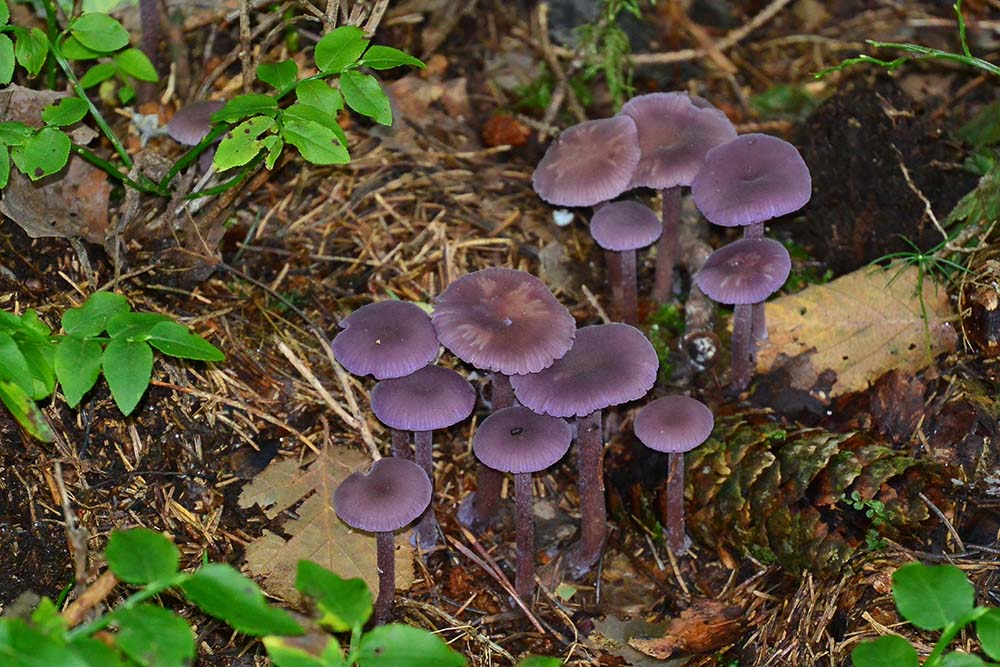
How to identify it
- Bright violet-purple cap and stem when fresh
- Widely spaced lilac gills
- Small mushroom, usually up to 6cm across
- Colour fades with age, often becoming pale brown
Where to find it
Deciduous and mixed woodland, particularly beneath beech trees. Most commonly seen from late summer through to autumn among leaf litter and moss.
Why it’s interesting
One of Britain’s most colourful fungi, the Amethyst Deceiver can look almost jewel-like against a carpet of fallen autumn leaves. Its vivid purple colouring makes it easier to spot than many woodland mushrooms, although older specimens can lose much of their colour, giving rise to its deceptive name.
Important: The colour of a mushroom can change with age and weather conditions, so never rely on colour alone when identifying any fungus.
Why Autumn Is the Best Season for Fungi Spotting
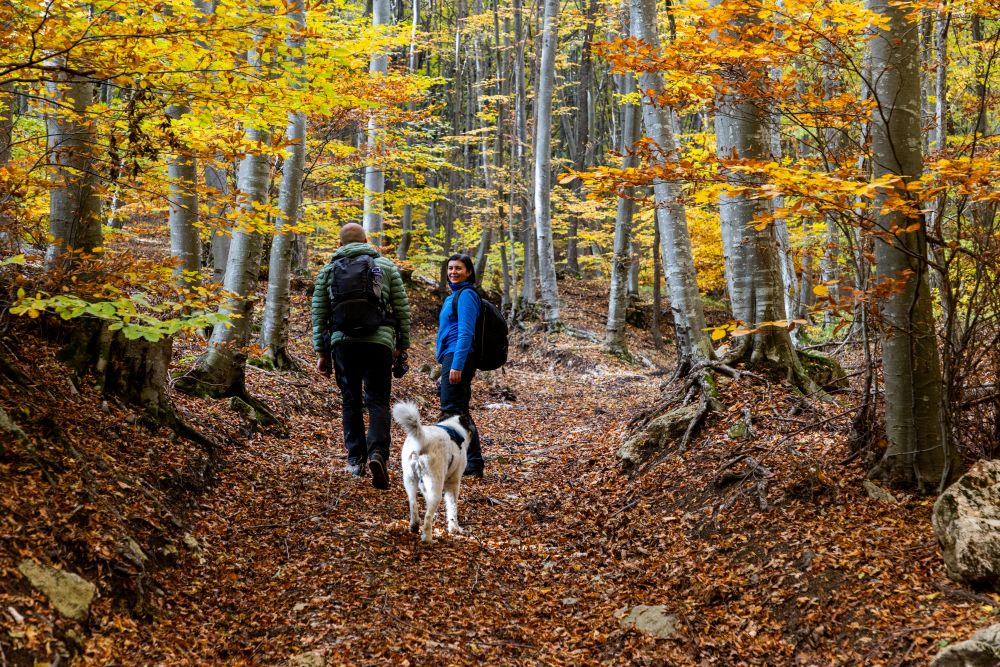
There’s something uniquely British about an autumn woodland walk.
Low sunlight filters through golden beech leaves. Fallen oak and sycamore leaves carpet the ground. The scent of wet bark, moss and woodland soil hangs in the air. Hedgerows are heavy with blackberries, rose hips and sloes, while fungi appear from tree roots, rotting logs and leaf litter almost overnight.
But fungi aren’t exclusive to autumn. Most species are present throughout the year, living largely unseen as underground networks known as mycelium. These thread-like structures spread through soil, leaf litter and dead wood, helping to break down organic matter and recycle nutrients through the ecosystem.
Autumn is when many fungi produce their visible fruiting bodies, the mushrooms and toadstools we recognise above ground. As days become cooler and wetter, conditions are ideal for fruiting. There is plenty of moisture in the soil, temperatures are milder than summer, and woodland floors are covered with fresh leaf litter and decaying plant material that fungi can feed on.
This is why mushrooms often seem to appear overnight after autumn rain. What you’re seeing is the reproductive stage of a much larger organism that has been hidden beneath your feet all year.
From the copper-coloured woods of the New Forest to the ancient forests of the Lake District and the moss-covered valleys of Wales, autumn reveals a side of Britain that feels timeless.
Looking for fungi is not just about identifying mushrooms. It’s a chance to slow down, look more closely at the landscape and appreciate one of nature’s most important hidden kingdoms. The mushrooms we see may only last for days or weeks, but the fungal networks beneath them are working year-round to support the health of Britain’s woodlands, grasslands and gardens.
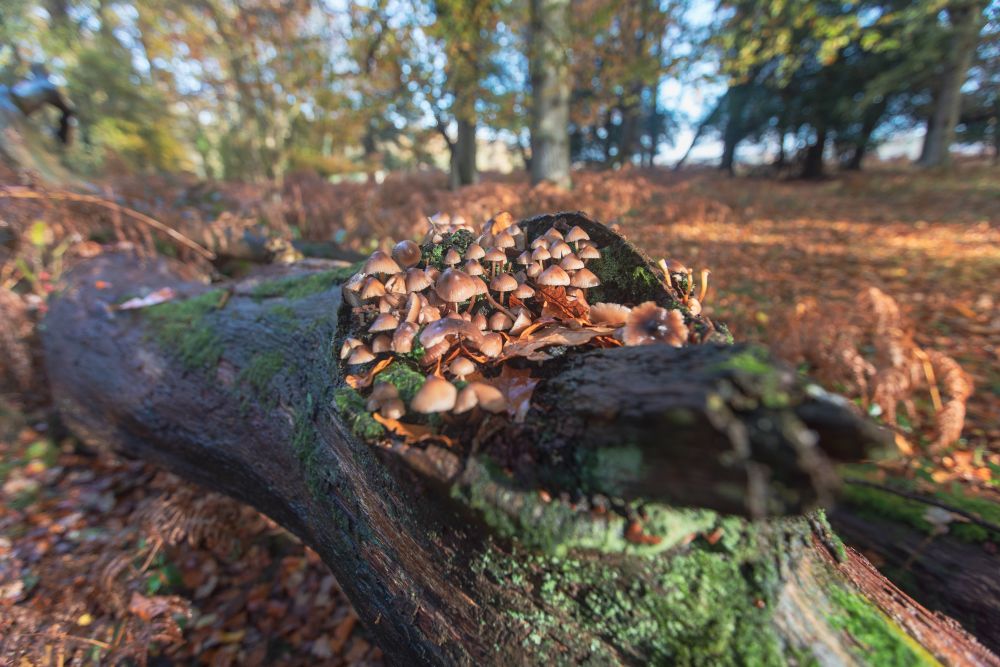
Top Tips for Autumn Fungi Spotting
- Bring a field guide or fungi identification app.
- Take photos rather than picking specimens – create a fungi album on your phone.
- Look carefully at nearby trees, as many fungi are associated with specific species.
- Visit woodlands after periods of rain.
- Explore slowly. Some of the most interesting fungi are easy to miss.

How You Can Help Britain’s Fungi Thrive
When we think about autumn wildlife, it is often colourful leaves, migrating birds or hedgerow berries that come to mind. Yet fungi are some of the most important organisms in the landscape.
Hidden beneath woodland floors, grasslands and even our gardens, vast networks of fungal threads help break down dead plant material, recycle nutrients and support the health of trees and other plants. Many insects, mammals and other wildlife also depend on fungi for food and shelter.
In your garden
Your garden can provide valuable habitat for fungi, even in urban areas.
You can encourage fungi by:
- Leaving fallen leaves in some areas rather than tidying everything away.
- Creating a log pile using untreated wood.
- Leaving old tree stumps where it is safe to do so.
- Allowing parts of your lawn to grow longer and more naturally.
- Avoiding unnecessary use of pesticides and chemicals.
- Creating a variety of shady, damp habitats where fungi can thrive.
A healthy autumn garden should not be completely tidy. Dead wood, leaf litter and decaying plant material provide exactly the conditions many fungi need.
While you’re exploring
Britain’s fungi are fragile, and many species only fruit for a short period each year.
When spotting fungi on a walk:
- Admire and photograph specimens rather than picking them.
- Stick to established paths where possible to reduce trampling.
- Avoid kicking or damaging mushrooms and toadstools.
- Leave dead wood and fallen branches where they are.
Support local wildlife
Many nature reserves, woodlands and grasslands are managed specifically to protect the rich fungal communities that live there. Supporting organisations such as your local Wildlife Trust helps conserve these habitats for fungi and the wider wildlife that depends on them.
By giving fungi a little more space, both at home and outdoors, we can help ensure Britain’s spectacular autumn displays continue for years to come.
Did You Know?
What we see above ground is only a small part of the fungus. Most fungi live as vast underground networks called mycelium, sometimes stretching for metres beneath woodland floors. The mushroom itself is simply the fruiting body, briefly appearing to release spores before disappearing again.
By Hilary Pullen
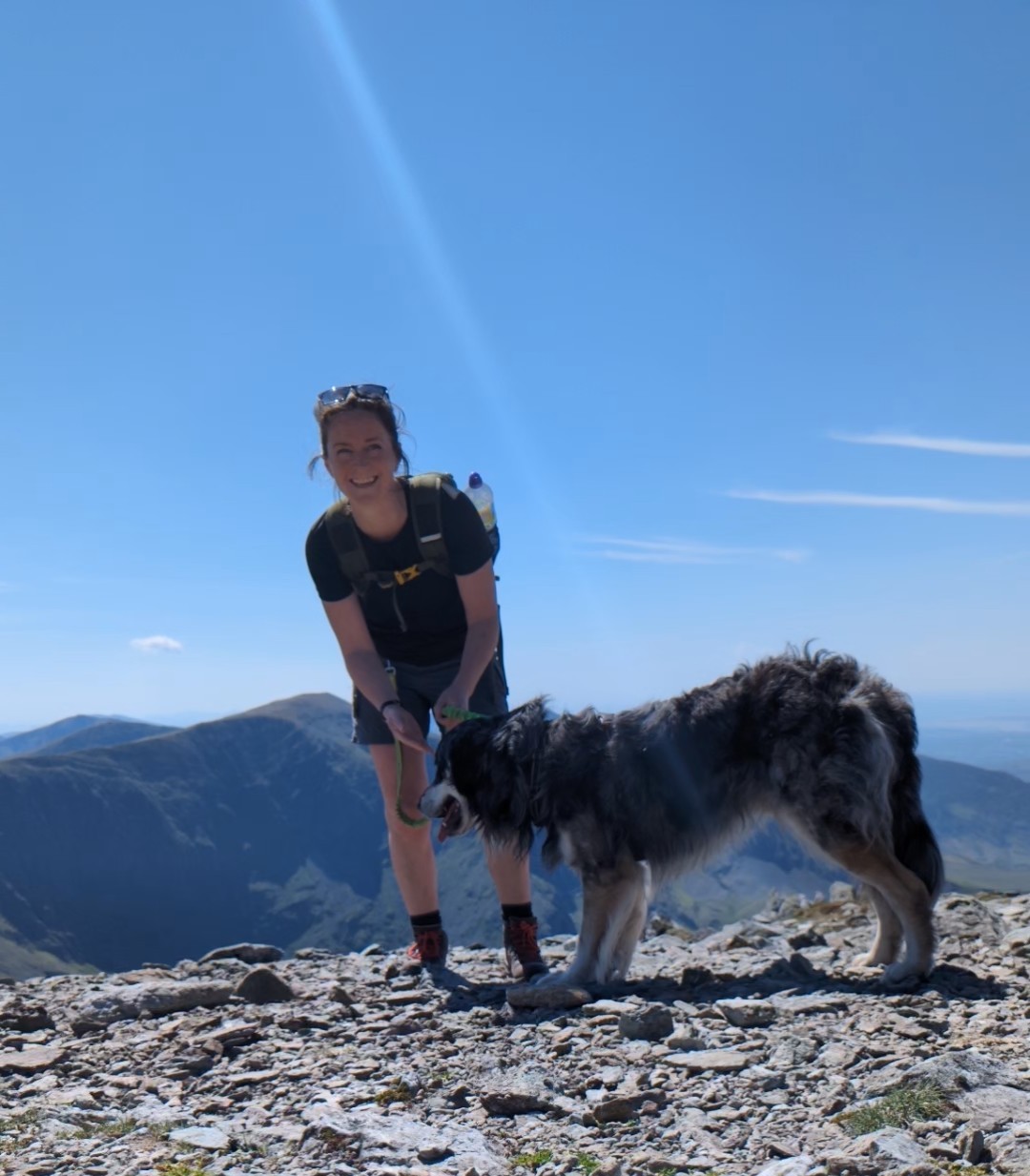
Meet Hilary, Editor of OS Maps Discover. Hilary is based in North Wales and loves hiking with her dogs in the mountains of Eryri and Bryniau Clwyd, you can find her on Instagram @nearlyuphill and read her guides to walking in North Wales.
If you would like to be a featured OS Author and write an article or route guide find out more here – how to submit an article idea