Becoming an independent climber is an exciting and empowering journey, and one of the biggest steps along the way is making the transition from the climbing wall to the crag. Getting outdoors for the first time presents a range of new challenges – highly enjoyable but with an objectively higher risk of injury than indoor climbing.
My first outdoor climbing experience was in the autumn of 2021 in the Peak District, a few months after I started climbing regularly indoors. It was a one-day intro course run by a freelance instructor, which a friend of mine had spotted on the Womenclimb Facebook page. It was an incredible day: learning to trust my feet on the high-friction Roaches gritstone, doing my first ever fist jam, exploring the rock in search of holds and observing with fascination the other climbers around us. They were trad (short for ‘traditional’) climbing, which means the leader places protection – usually nuts and cams – to clip the rope into as they go, then the second follows them up and removes it all.
The whole experience had me more convinced than ever that climbing was the sport for me – that, at the age of 37, I had finally found an activity that kept my brain fully engaged while my body got some much-needed exercise.
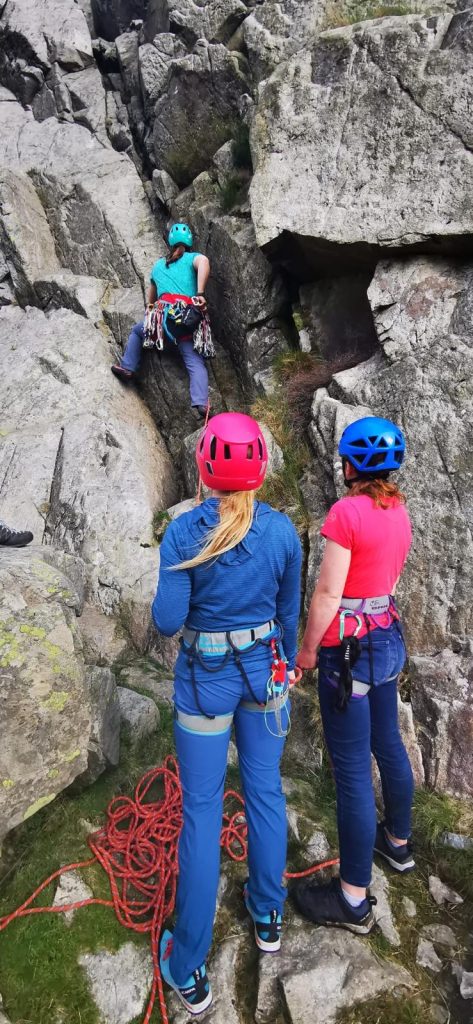
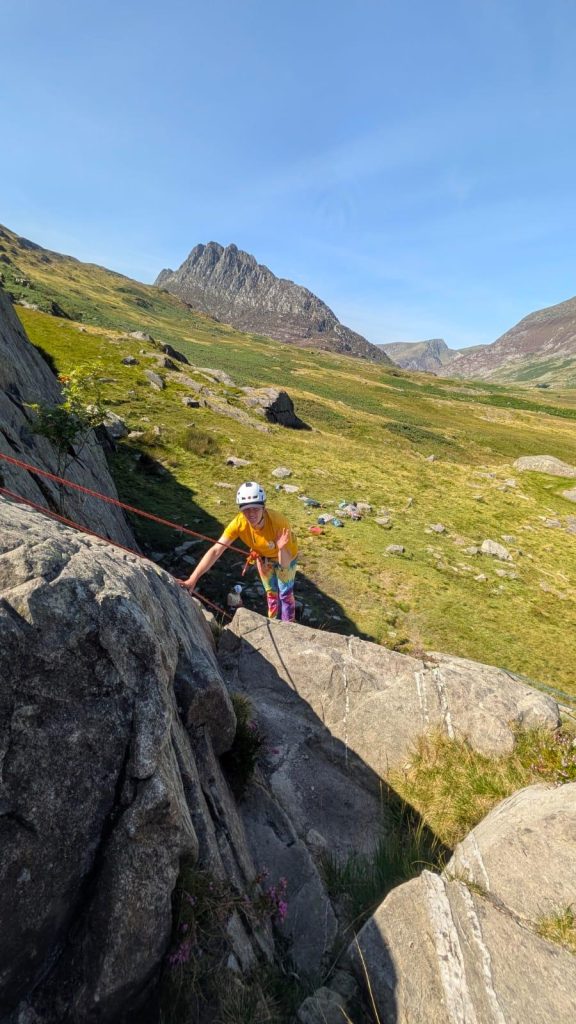
The following spring I had my second go at outdoor climbing, this time at a little crag near Blaenau Ffestiniog in North Wales, with instruction from the wonderful volunteers at Blackdog Outdoors. The rock – a highly pocketed igneous – was a dream to climb, and I managed to pull off some satisfying moves playing on a bottom-rope on one of the trickier routes.
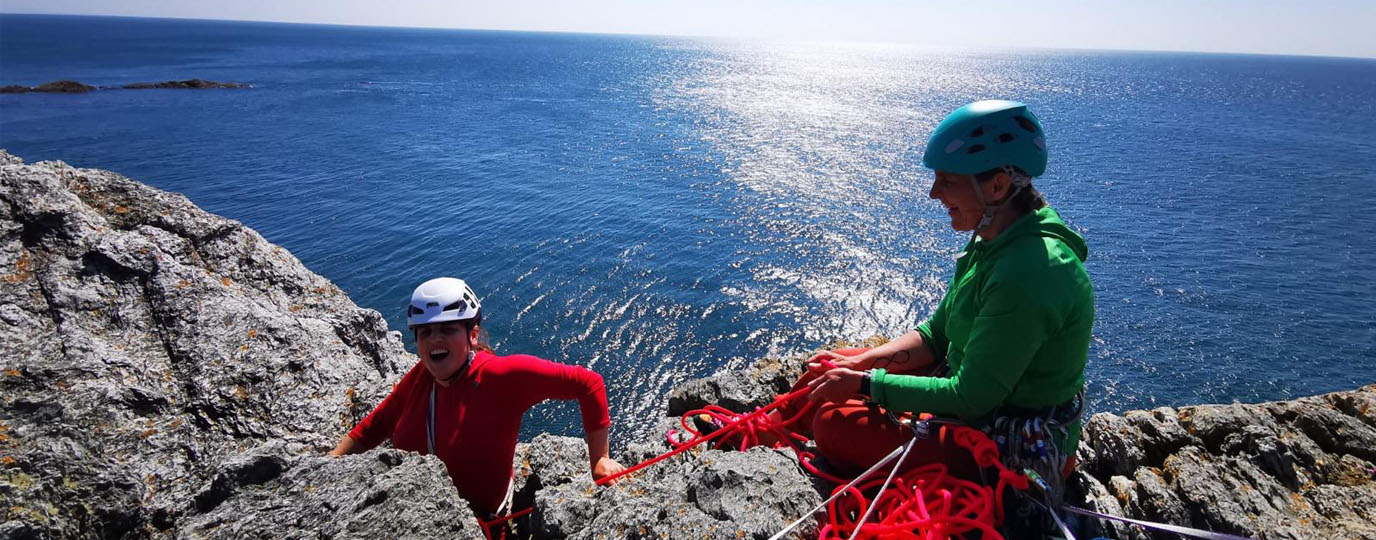
A month or so later, some of the women in our climbing WhatsApp group arranged a trip to a nearby limestone crag for a day of sport climbing. One of them was experienced enough to lead easy routes and set up bottom-ropes for those of us who weren’t leading yet or hadn’t led outside before – which requires a broader range of skills and equipment than leading indoors.
By then, a few of us had started accumulating ropes, quickdraws and locking carabiners in anticipation of becoming independent climbers; pooling our resources, we managed to set up three different lines at the crag for people to take turns on. It was liberating to be able to go out with a group of friends to climb, without supervision or extra cost. I loved the fresh challenges of trying to identify the routes in the guidebook, and of seeking out holds with my fingertips while maintaining my grip and balance on small, sometimes rounded edges; I also loved the sense of adventure and of interaction with the natural environment, as well as the feeling that I was connecting with a vast climbing heritage, passed down from people I’d likely never meet.
As the summer progressed, I started to climb outdoors more regularly. A friend told me about someone at the climbing wall who was working towards her Mountaineering and Climbing Instructor (MCI) qualification and needed mock clients to teach, so we contacted her and organised a two-day trip to North Wales – it would be our first taste of trad climbing; we were so psyched!
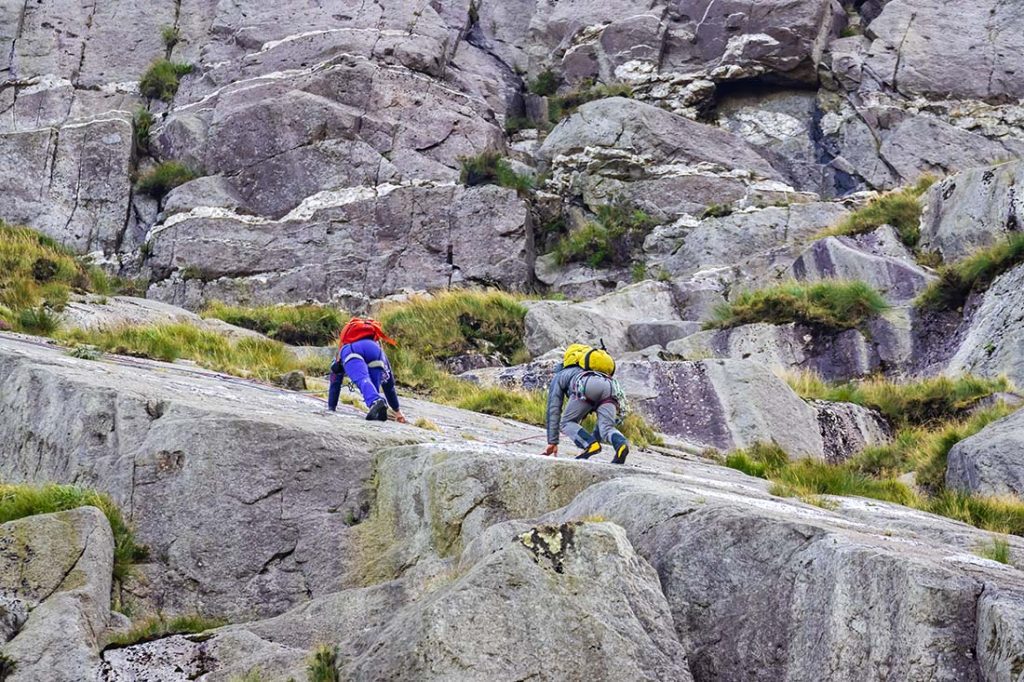
The instructor was brilliant: calm, informative and enthusiastic. On the first day, she took us to Milestone Buttress – one of the most famous crags in North Wales – and we had an amazing time seconding her up two classic routes: Rowan Route and Pulpit Route. We got to do our first (and second) ever abseil, and began to learn about different knots and basic rope management.
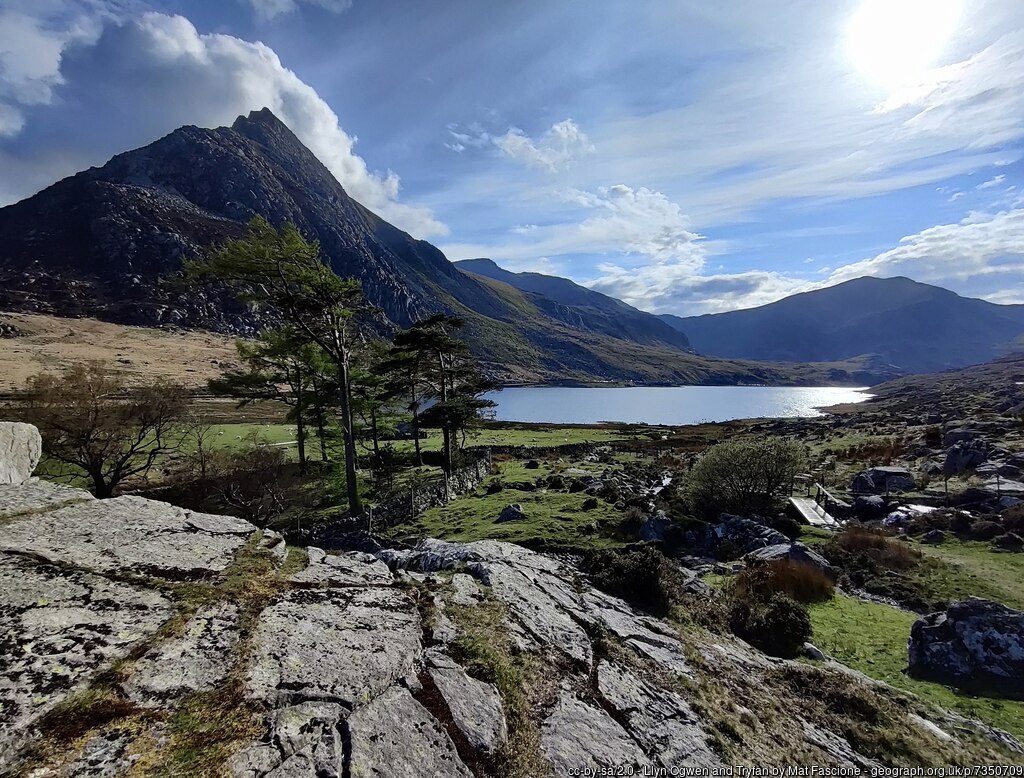
On the second day, we went to Idwal Slabs for another classic combination of routes: Hope followed by Lazarus. Climbing on quartz was a magical experience, and it was thrilling to sit and eat my lunch on a belay ledge, gazing down at the stunning glacier-carved bowl of Cwm Idwal far below. This was the true appeal of climbing, for me: the tactile exploration of beautiful rock in breathtaking surroundings; getting to see the world from a different perspective, away from all the chatter and confusion of humanity. It felt right. I wanted more.
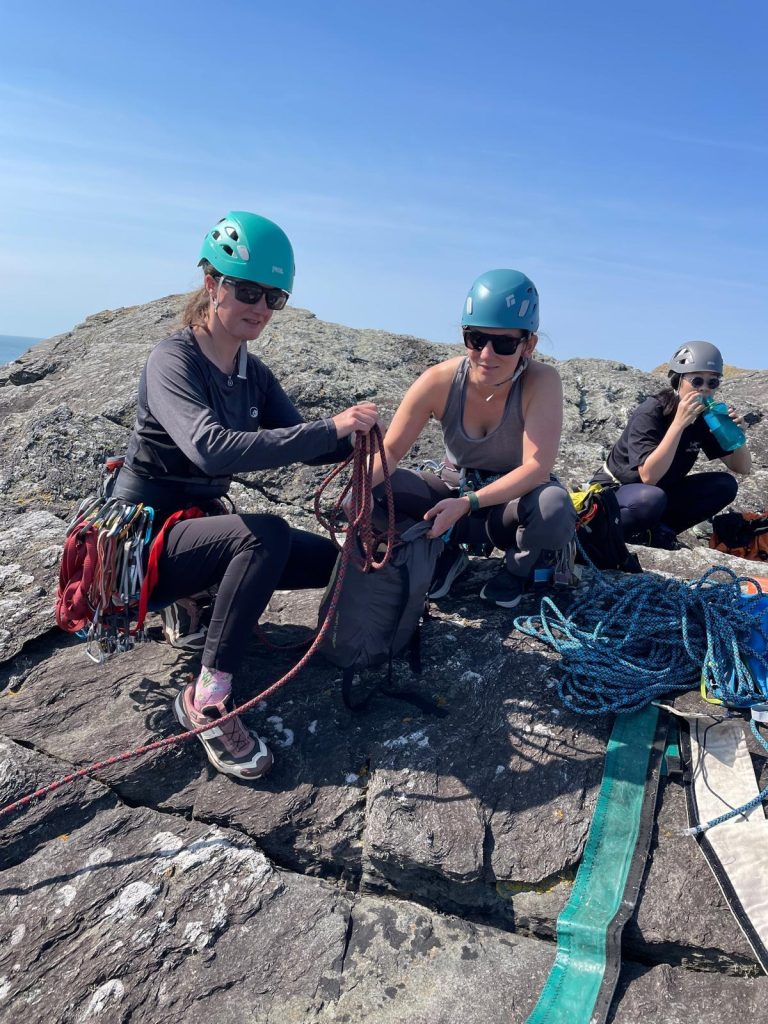
Those initial outdoor experiences were the first of many memorable adventures, and they wouldn’t have been possible without the generosity of people who were willing and able to pass on their knowledge.
If you’re as keen as I was to get out on real rock for the first time, SheClimbs is a fantastic opportunity to acquire and develop those skills – from bouldering to sport climbing to multipitch trad days, with courses for total beginners, experienced lead climbers and everyone in between.
Aside from that, here are some other suggestions for getting stuck into the next phase of your climbing journey.
Getting involved in rock climbing
1. Volunteer to be a mock client for trainee instructors – people working towards their assessments for instructional qualifications (RCI, RCDI and MCI) often take novices climbing to practise their teaching skills. Additionally, Plas y Brenin frequently needs mock clients for instructor assessments, so if that interests you, just sign up using this form.
2. Look online for free intro sessions run by charities, mountaineering clubs or other organisations – make sure you check their credentials before committing to anything.
3. Express your interest in getting outdoors to people at the climbing wall. Not everyone will feel comfortable taking a novice climber out with them (it’s a big responsibility, after all), but some people will be happy to, and the worst they can do is say no. You might have more success joining groups who are going bouldering than roped climbing, so get chatting to people and see what happens.
An important piece of advice at this stage is not to rush your development. It’s tempting, once you’ve gained a bit more confidence, to buy a load of gear (if you can afford it) and head to the nearest crag, but please exercise caution during the transition from novice to independent climber – a little knowledge can be a dangerous thing. It’s always worth spending a good while learning from experienced, reliable people, so that you can make all the usual mistakes under the guidance of someone who can correct them, to avoid anyone getting injured, or worse.
Probably the single biggest contributing factor to my development at that stage in my climbing was finding an experienced partner who was a) happy leading routes that I was capable of seconding and b) as keen as I was to climb whenever possible. Seconding him up a large volume and variety of routes allowed me to familiarise myself with lots of different rock types and route types, while also learning about gear placement, rope management, climbing etiquette, route finding, equipment care, problem solving, planning around the weather and all the other aspects of the sport that can’t be fully absorbed within the brief time window of a course. Climbing with him was something of an apprenticeship, and I’m deeply grateful for the time and energy he put into helping me grow as a climber.
After 15 months of fairly regular outdoor climbing, I felt ready to start leading trad routes independently. That might sound like a long time – I know people who’ve taken that step far sooner and others who’ve taken significantly longer – but for me, gradual progression is always preferable to jumping the gun. During that time, I’d seconded over 30 trad routes (mostly multipitch), led various sport routes, worked on improving my technique and gear placements, practised anchor building and done some supervised leading as a mock client.
I’d also taken a lead fall on a sport route, from maybe 1–1.5 metres above a bolt, which had shaken me up but done me little physical harm. More distressingly, I’d witnessed my climbing partner take a ground fall from 10 metres up, resulting in a fractured pelvis and four cracked ribs. He got off lightly, considering. It was a terrifying experience, and gave me a healthy respect for the risks involved in this compelling sport. Even experienced climbers can make mistakes, and the consequences of those mistakes can be devastating.
My first unsupervised leads were all on easy routes – well protected rock with plenty of secure holds. I still messed things up, because that’s what happens when you’re suddenly on the sharp end of a rope by yourself, but no one got hurt and I muddled through, always learning lessons for next time.
Progressing to outdoor lead climbing is a topic beyond the scope of this post, but here are some final suggestions to help you get the most out of your first outdoor climbing adventures
Climbing top tips
- Learn and practise lead belaying before heading outdoors for roped climbing (see the second post in this series for more info on that). People are far more likely to make plans with you if you can competently belay and second them, and any course you take will go more smoothly if you’ve already acquired this skill.
- Ask for specifics when making outdoor climbing plans, to avoid any miscommunication. Some questions to ask might be: sport or trad? Do I need to bring any gear (helmet/ harness/ belay plate and carabiner/ nut key/ tether or lanyard/ spare carabiners/ rope)? What sort of grades are we climbing? Is my belay device suitable? Do I need to be able to belay with double ropes*?
- Be very clear about your current level of experience and what skills you’re still developing. People will make plans based on what they think you’ll be able to do safely; if they over-estimate that, it could spoil the session for everyone.
- Check that the people you’re planning to climb with are experienced enough to look after you properly. If you’re not sure, ask someone to ‘vet’ them for you (a friend or instructor at the climbing wall) rather than just assuming; some people exhibit a confidence that far outweighs their skill level.
- Maintain your usual level of caution if arranging to meet new acquaintances in remote locations; ideally arrange to meet in a group, until you know and trust them.
- Assume there won’t be a toilet at the crag; prepare accordingly.
- Take plenty of food and water, any medication you might need, sun protection and/ or enough layers to stay warm and dry for a whole day – most of which will likely be spent sitting still. Also, check your rucksack is big enough to carry your share of the equipment (usually a 30–40 litre bag is about right).
- Respect the environment and other climbers. Some big no-nos include: trespassing to access the crag, leaving litter behind (including toilet paper and fruit peel), being noisy, playing music, monopolising the easy/ most popular routes all day, climbing too close alongside other climbers without checking in first. I recommend familiarising yourself with the British Mountaineering Council’s Respect the Rock guidelines, which can be found here: Respect The Rock – The British Mountaineering Council
In short, stay safe, be considerate and have fun! Outdoor climbing is one of the most exhilarating and challenging activities you can participate in, so get those initial skills under your belt and you’ll be well equipped to make the most of the adventures ahead of you.
Take your time, enjoy the journey, live to climb another day.
*double ropes (or half ropes) are frequently used when trad climbing and require the belayer to handle two ropes simultaneously through a single belay plate
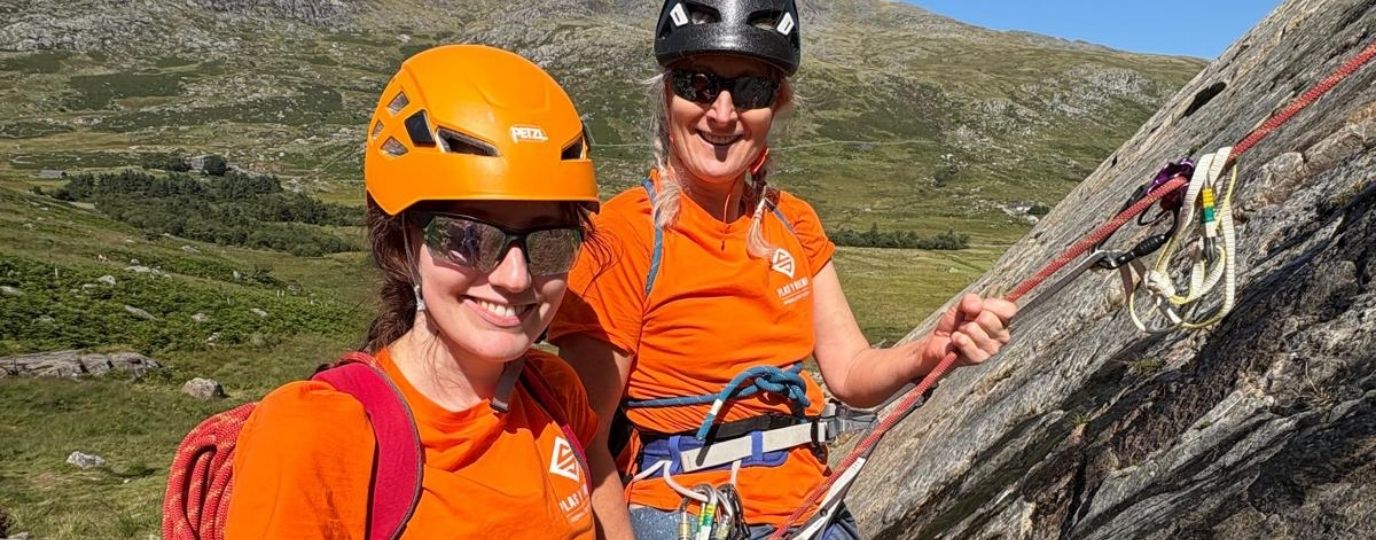
How to Start Rock Climbing: A Guide for Women
Climbing instructor Rosie James tells us how she started rock climbing and shares some great practical tips for getting started
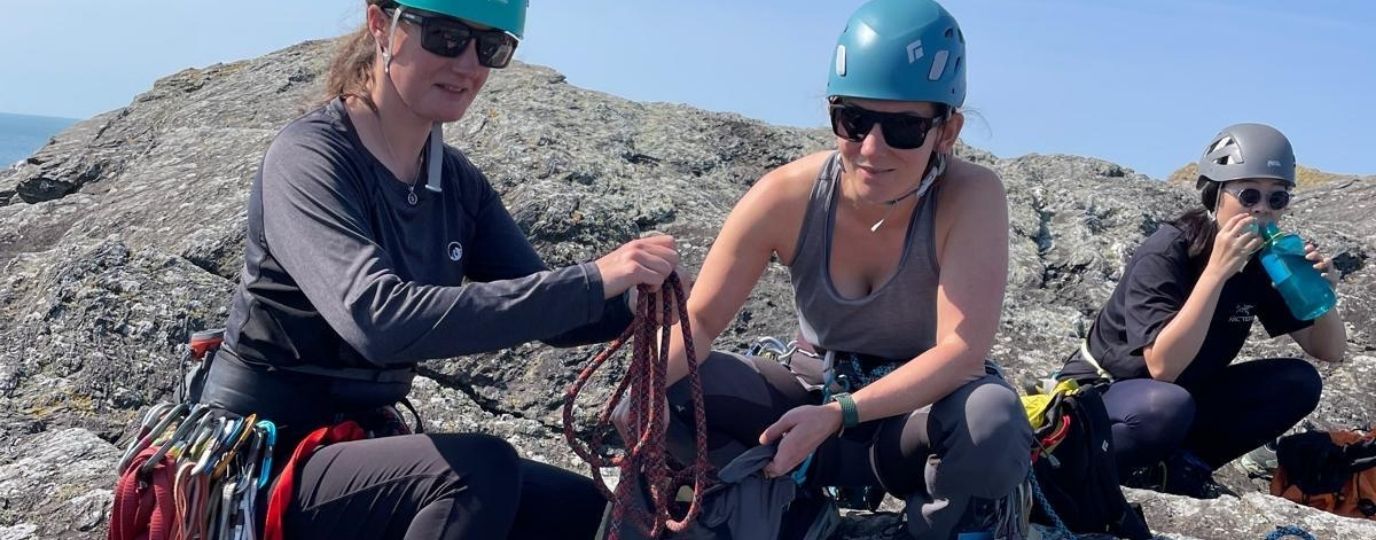
Rock Climbing: Tips for Lead Climbing and Belaying
Top tips for climbers wanting to start lead climbing and belaying
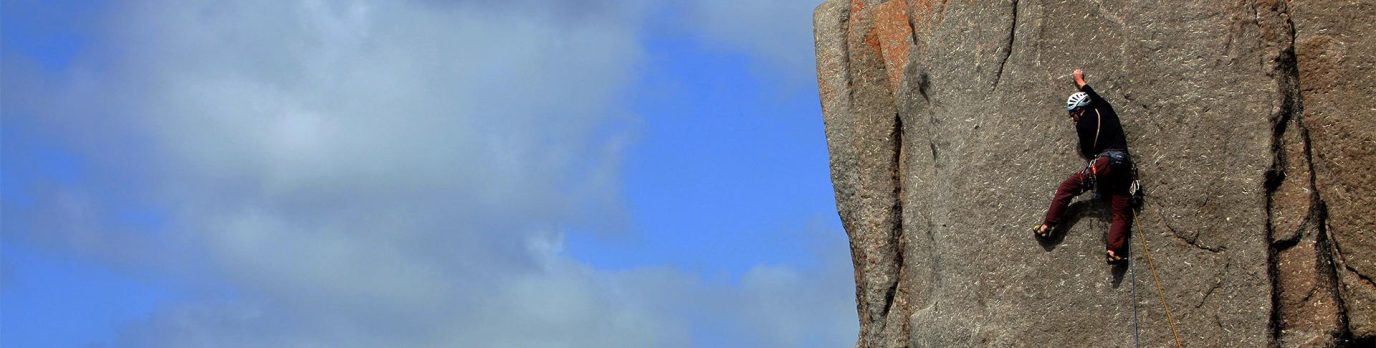
Best climbing crags in Britain
Britain is home to over 47,000 rock climbing routes that are free to use, from dramatic sea cliffs in Cornwall to the rugged mountains in Snowdonia. Bethany, from the OS Team, shares her best climbing crags in Britain for you to enjoy and explains how to find crags near you.
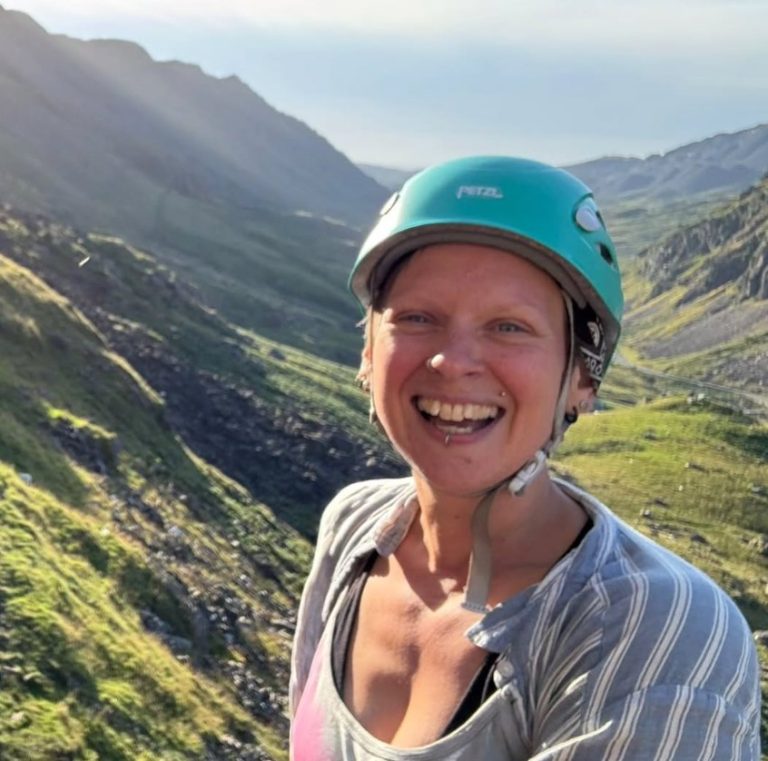
By Rosie James
Rosie James is a climber and writer based in Eryri. She started climbing and mountaineering in her late-thirties, while living in Shropshire, and decided to move to the mountains in 2024. She now works at Plas y Brenin and freelances as a Rock Climbing Instructor, with a passion for helping women and girls discover climbing and other outdoor activities.