SheClimbs and other pathways for women to start rock climbing
Rock climbing has evolved massively over the last few decades, not only in terms of equipment and technical standards, but also accessibility and inclusivity, leading to a marked increase in the number and diversity of people within the climbing community.
From outside the sport – perhaps ‘collection of disciplines’ is a more accurate term – it can still sometimes be perceived as a middle class, white male-dominated activity, particularly when referred to in the broader context of mountaineering. But increasingly, climbing walls and outdoor centres are promoting courses and services aimed at previously underserved folks, in a concerted effort to encourage those with an interest in climbing to experience the joys and challenges of exploring the vertical world.
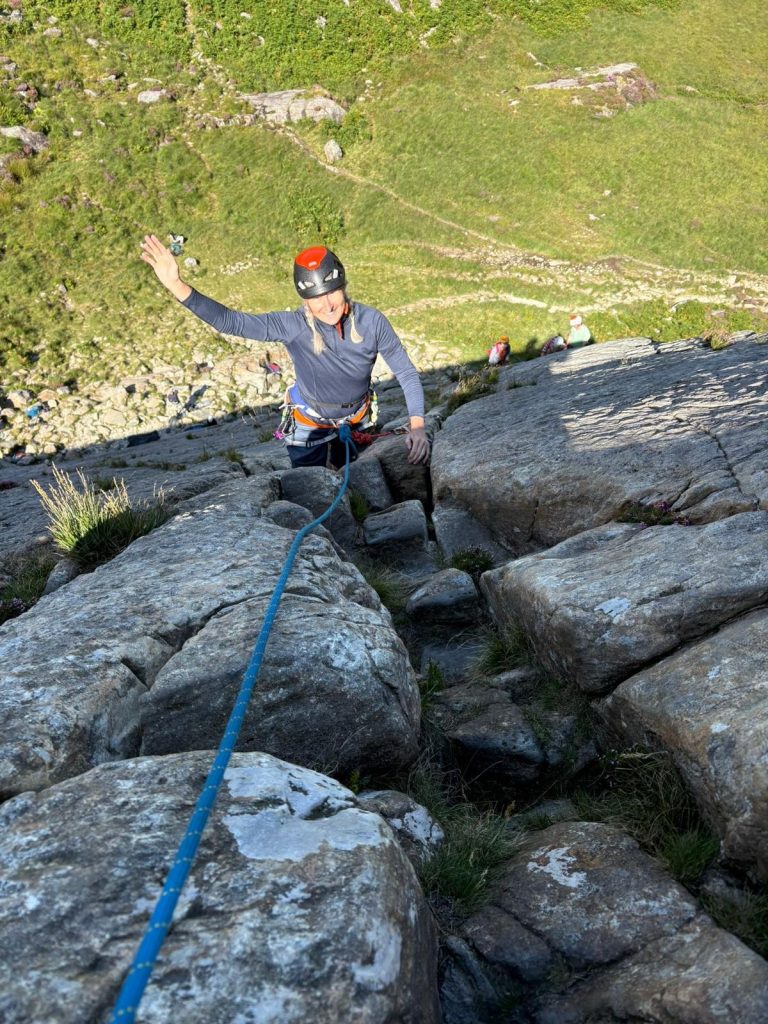
My own climbing journey began when I was in my 30s and changed my entire life in ways I never could have anticipated. That first tentative investigation of my local climbing wall was prompted by a realisation that I was horribly unfit and a desire to change that, accompanied by a strong reluctance to engage in exercise for its own sake, because my ADHD brain simply refused to be motivated by anything as tedious as my long-term physical and mental health. Climbing seemed like the kind of thing I could do for fun, with the side-effect of getting fitter in the process.
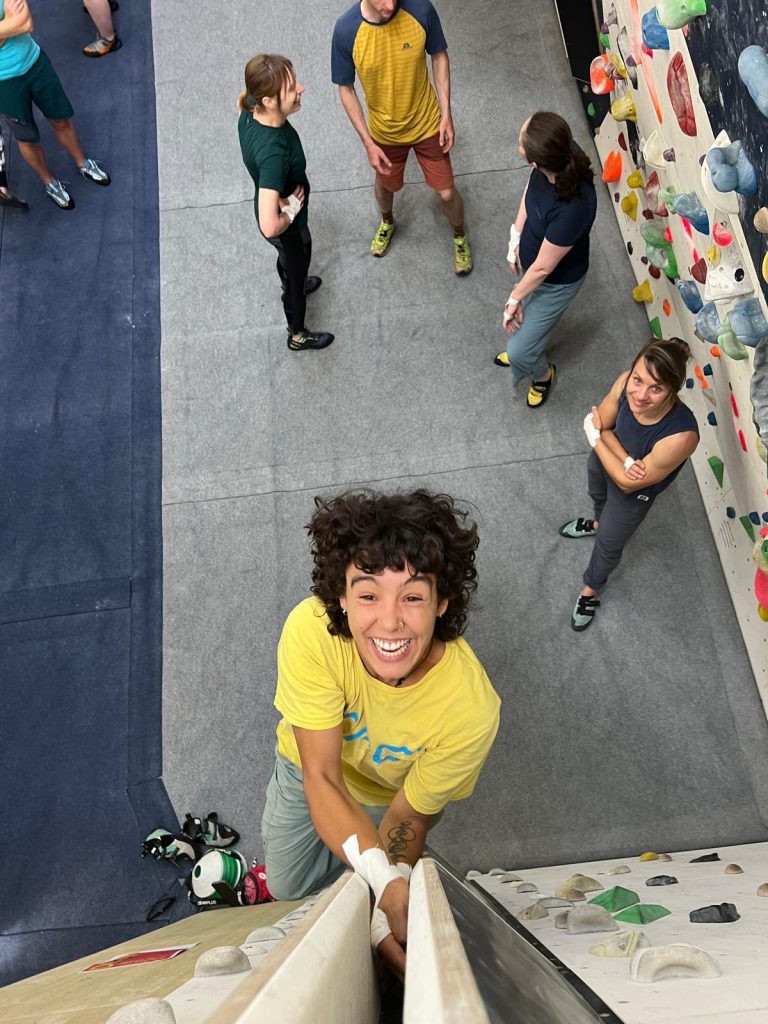
My biggest fear when I first walked in through the doors was that I’d be confronted by an atmosphere of gym-bro gatekeeping – that my short, plumpish, 35 year-old woman’s body would be met with disdain and incredulity. In reality, I received a warm greeting from the smiley woman behind the reception desk, who mentioned a ‘Ladies’ Night’ that ran every Thursday and cost £10.00, for which I’d get an hour’s supervised climbing on the autobelays*, plus a hot drink and a piece of cake after the session. Sold.
That was just over six years ago, including lockdowns, and since then I’ve gone from being a complete novice to an independent climber to a Rock Climbing Instructor. In 2024, I moved to North Wales to be closer to the mountains (spending the first 4 months camping in my car) and later got a job at Plas y Brenin – one of two National Outdoor Centres and a major hub for climbing and mountaineering expertise in the UK, among other things.
When I began, I didn’t know anyone else who climbed, but my first experience on the autobelays got me completely hooked. After that, I actively sought out other beginners who wanted to learn more and found ways to acquire the skills I needed to be able to climb more regularly and independently. There was something about the movement, the calming effect on my mind, the satisfaction of aching muscles and the achievement of progressing through the grades that spoke to me in a way no other sport ever had; and there was the community of climbers – playful, passionate, adventurous, open-hearted people, who from the get-go welcomed me among them for the simple reason that I love to climb and so do they.
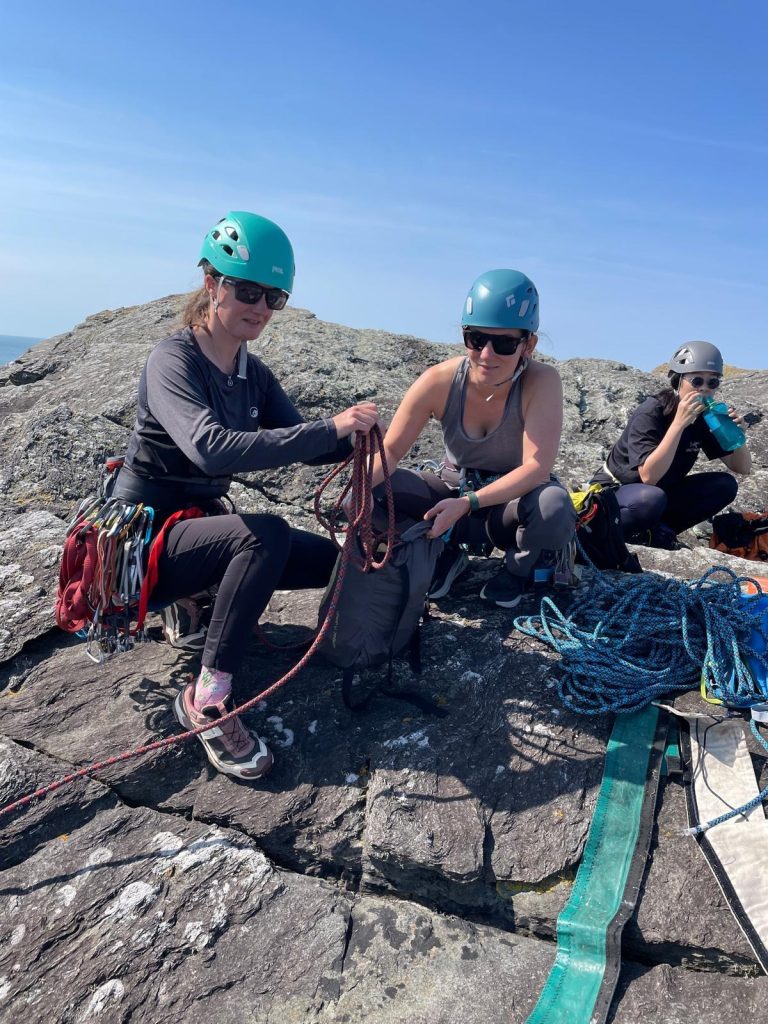
That community has been a lifeline for me in so many ways, and I will be forever grateful to the many, many people who freely gave their time and energy to teach and support me along the way. From the very beginning, there were climbers who helped me practise belaying, exchanged movement tips and advice, invited me to climb with them and offered encouragement; some were a little bit ahead of me and some were years ahead. Some of them were men, but at that stage in my development it was the women of that community who made the greatest impact on my progress and confidence, which is why I now spend as much time as possible teaching and supporting other adult women who want to learn to climb.
SheClimbs – Plas y Brenin
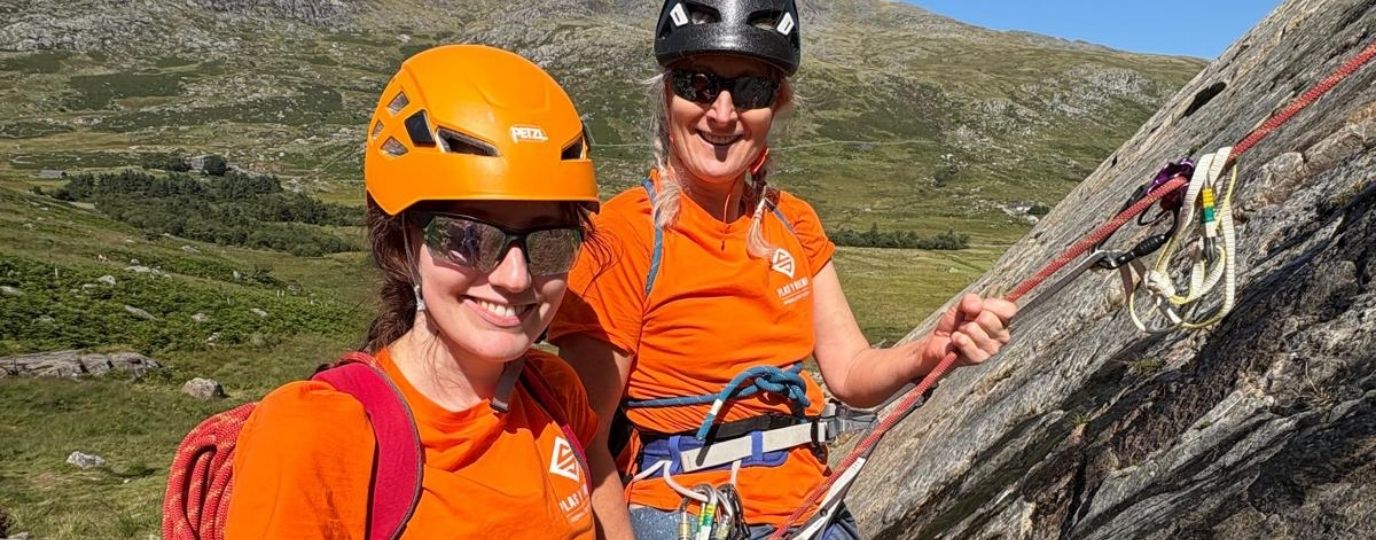
This year, for the first time, I’ll be working as an instructor at SheClimbs – an annual two-day event at Plas y Brenin that offers courses and workshops for women and non-binary people who want to get their first taste of climbing or develop their skills in a fun and supportive environment.
I’m so excited to pass on the knowledge I’ve gained and be a part of other people’s climbing journeys, because – next to my own personal climbing – it’s the thing that brings me the greatest satisfaction in the world: to see people make the shift from jittery shyness to empowered elation when they learn that their bodies and minds are capable of doing so many clever things they’ve never done before.
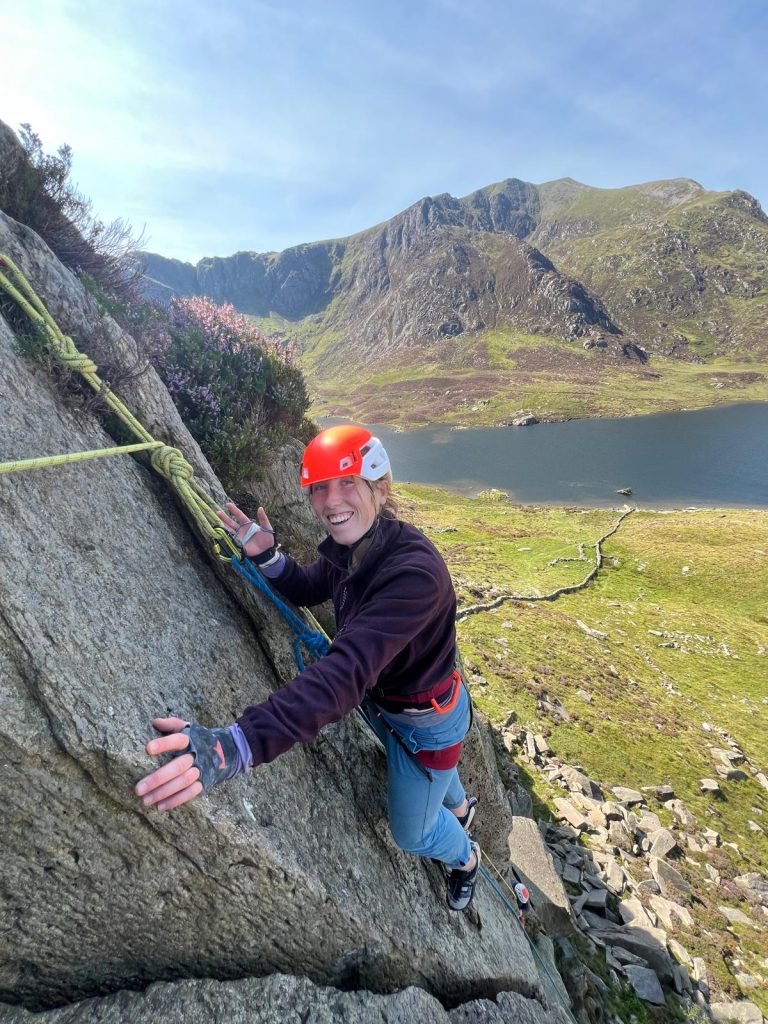
Events like SheClimbs are a fantastic way to gain experience, expand skills, build community, discover resources and get inspired. There’s nothing quite like spending the whole weekend surrounded by other people who are psyched about climbing in all its various forms, getting to ask questions and learn from some of the most experienced instructors in the industry and going on amazing adventures in the spectacular landscape of Eryri. I highly recommend it, and not just because I work at Plas y Brenin, but because I know first-hand how beneficial it is to do all those things as much as possible.
With that in mind, here are some beginner-level SheClimbs courses that would be a brilliant introduction to different aspects of climbing and mountaineering.
If attending SheClimbs really isn’t an option for you, here are my suggestions for anyone who’d like to get into climbing but doesn’t know where to start – they’re based on my own experience, so perhaps they’ll be helpful for you too.
How to Get Into Rock Climbing
- Enquire about adult socials at local climbing walls – lots of places run them, and they’re a great opportunity to learn the basics and get to know other people who are just starting out.
- Start bouldering regularly – this is the cheapest discipline to get into and doesn’t require a partner to belay you. It may seem daunting to go to the wall by yourself, but climbers are a friendly bunch on the whole, and I guarantee that once you get chatting to people you won’t be by yourself for long.
- Sign up for an intro/ learn to belay course – it’s a lot easier to make connections with other climbers if you can already belay. Personally, I think it’s better to learn from a professional instructor than from a random person at the wall who might have unsafe or outdated methods, or even from someone who might be a great belayer but doesn’t know how best to communicate those skills to a novice climber. Try this intro to climbing for women course at Plas y Brenin.
- Make use of the autobelays – as with bouldering, you can go by yourself without the need for a belayer. Also, you’ll be able to practise climbing longer routes, which means you’ll build endurance and gain experience piecing together multiple sequences of moves.
Practicalities aside, here are a few additional notes that may or may not come in useful:
Practical Tips for Novice Climbers
- Climb with people who encourage and support you, not people who criticise or talk down to you. You’ll progress a lot faster and have way more fun.
- Make safety, fun and learning your top priorities (in that order), and you’ll have a much better time than focusing on grades.
- Some people prefer bouldering, others prefer roped climbing; try both and decide for yourself.
- Comparing your progress to other people’s is counter-productive, physically, mentally and emotionally. Take things at your own pace and forget about what other people are doing; this is your journey, not theirs.
- Sometimes people will give you unsolicited advice/ suggestions on how to climb. Some of it will be genuinely helpful, but you are not obliged to listen, and it’s always OK to tell them that you’d rather figure it out for yourself. Just take what works and leave the rest.
- If the same part of your body gets twingey every time you climb, don’t ignore it. Get it checked out by a medical professional and take their advice. Injuries are very common among novice climbers, so look after your body if you want it to keep working.
- Not all belayers are created equal. Just because someone says they can belay doesn’t mean they’re any good at it, so if someone offers, it’s OK to decline until you’re sure they’re competent.
- Exercise the same caution with climbing plans as you would with any other social activity. If a new acquaintance offers to take you climbing outdoors (which can often mean in remote locations), agree to bring a friend/ climb in a group rather than alone, until you know them well enough to feel safe.
- If you’re climbing outdoors, be respectful of the environment and other climbers. Enjoying nature is a big part of outdoor climbing; no one appreciates noisy/ messy crag-mates.
- If you’re unsure, ask! The climbing community is built on trust, so people would always rather you say something than keep quiet. This applies to technique, equipment and etiquette, so don’t be shy about speaking up if you need more information or have a concern.
So, whether you want to challenge yourself, spice up your exercise routine, make some new friends or have wild adventures in the mountains, there are ways to get into climbing that don’t require a big budget or connections to people who already know what they’re doing. Climbing is an incredibly versatile activity, with myriad options to suit different needs, and if you’re psyched for it, then you’re welcome, whatever your experience or fitness level.
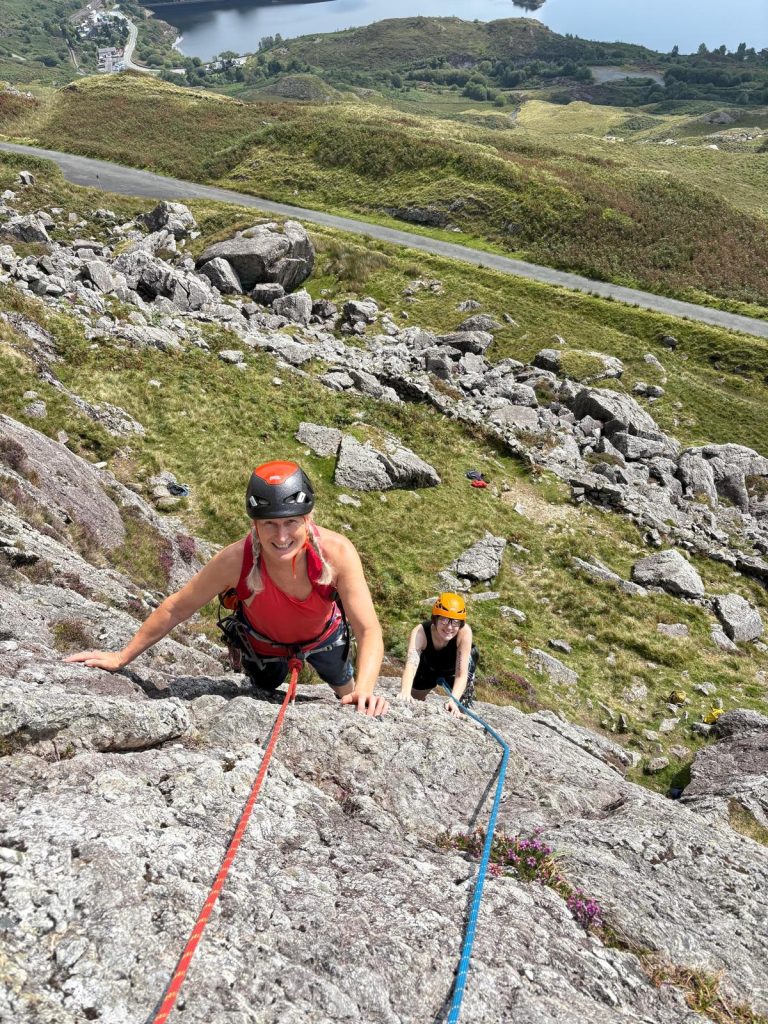
In the next post, we’ll look at pathways for developing as a climber, once you’ve got the hang of the basics. In the meantime, feel free to share your own tips and experiences from the start of your climbing journey! Find us on Instagram @plasybreninofficial
*an autobelay is a device that you can attach yourself to, so that you can climb on a rope without needing someone to belay you.
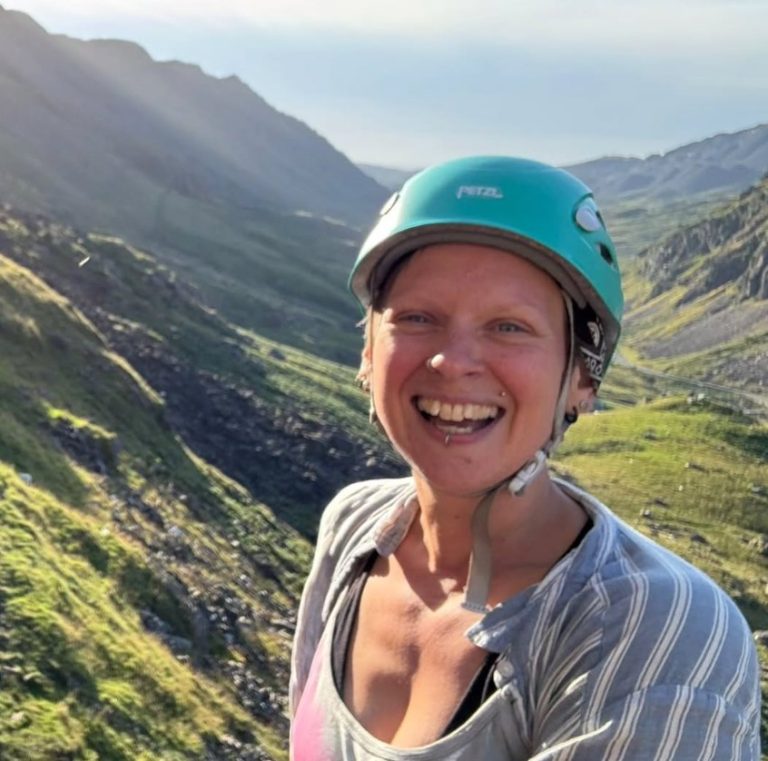
By Rosie James
Rosie James is a climber and writer based in Eryri. She started climbing and mountaineering in her late-thirties, while living in Shropshire, and decided to move to the mountains in 2024. She now works at Plas y Brenin and freelances as a Rock Climbing Instructor, with a passion for helping women and girls discover climbing and other outdoor activities.