History oozes out of every pore of Britain’s islands. It’s underfoot, half-hidden in grass, or just offshore where the tide reveals it twice a day. Visit enough of these amazing places and you start to see a timeline stretching from dinosaur footprints, prehistoric stones and Norse names to ruined chapels and wartime bunkers.
Within a single island coastline you can literally move through centuries. That concentration, and the fact that this extraordinary history is less disturbed than on the mainland, makes islands some of the most compelling places to explore Britain’s past.
I’ve visited more than 500 islands around the UK, exploring them on foot and from the water. Here are some of the most powerful places to experience history from the Ordnance Survey list of the 82 largest islands.
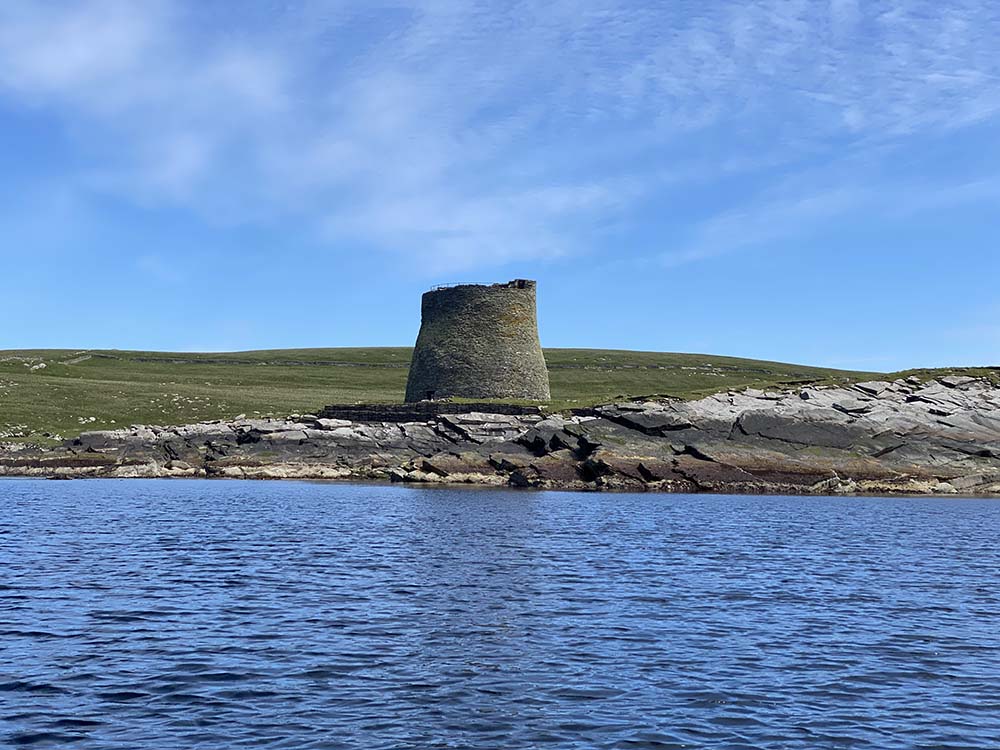
1. Mainland Shetland (Island 80)
Shetland’s history will blow your mind wherever you wander, but there are a couple of must-visits. Jarlshof is one, you can walk through 4,000 years in a single sweep from Bronze Age dwellings and an Iron Age broch to Norse longhouses and Medieval farmsteads. Whilst in Scalloway, the story shifts to the Second World War. From this harbour, Norwegian crews alongside Shetland locals ran the ‘Shetland Bus’, making dangerous crossings to occupied Norway, evacuating people and delivering arms and supplies. The museum and statue by the water mark that history.
While you’re here
From Lerwick take the ferry to Bressay (Island 48) where the carved Bressay Stone sits timelessly in the landscape marking a shift from Norse belief to early Christianity.
Or head south to catch the ferry to Mousa, to find the remarkably preserved Mousa Broch which still stands almost complete, its stone walls rising straight out of the landscape. If visiting in the summer join a nocturnal tour to experience the wildlife spectacle of thousands of storm petrels from the largest colony in the UK heading out to sea to feed.
2. Mainland Orkney (Island 76)
Another island packed with too much history to mention, where a path might take you from the great ring of stones at Ring of Brodgar to the houses of Skara Brae, a settlement older than the pyramids, via the chambered cairn of Maeshowe, where Viking graffiti adorns the wall after a group of Norsemen used it as a shelter during a winter storm.
While you’re here
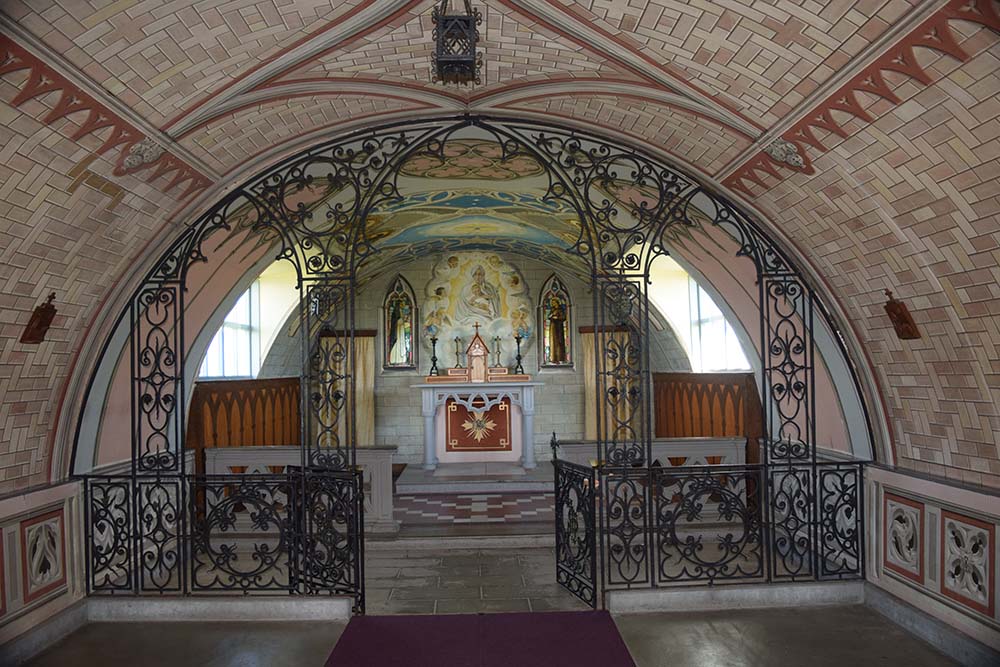
Head south to Lamb Holm and the remarkable Italian Chapel, built by prisoners of war. Continue to South Ronaldsay (Island 59), where the Neolithic Tomb of the Eagles overlooks Scapa Flow, the wartime headquarters of the British Home Fleet and an area rich in history, including the Churchill Barriers.
Alternatively, take a ferry to Hoy (Island 69) to explore the remains of Lyness Naval Base, which once refuelled the fleet and housed thousands of servicemen and women. Flotta (Island 21) is also worth a visit for its wartime ruins and striking and often humerous sculptures made from old bombs and other military paraphernalia.
3. Rousay (Island 56)
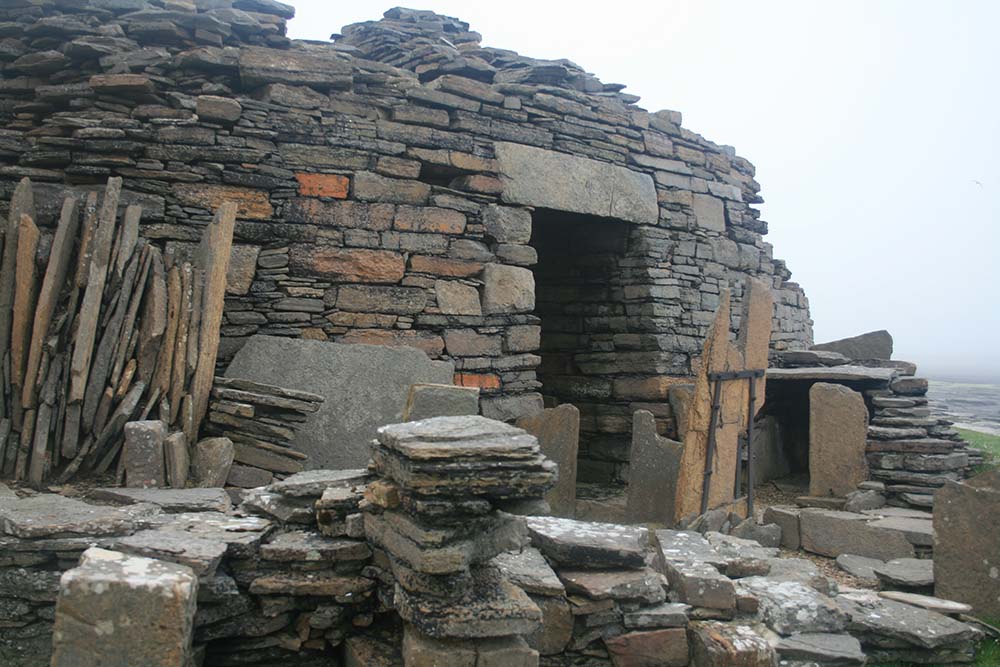
Often described as the ‘Egypt of the North’, the island’s south-west coast is home to the Westness Heritage Walk, the so-called ‘Golden Mile’, where more than 5,000 years of history are contained within little more than a mile of shoreline.
From the vast chambered Midhowe Cairn, sometimes likened to a ‘ship of the dead’ for its scale and shape, you can walk to the coastal Midhowe Broch, one of the best-preserved in Scotland. Between them, a series of smaller sites fills in the timeline, with traces of Norse farmsteads, burials, and later settlements.
While you’re here
Take the ferry to Egilsay (Island 4), where Magnus Erlendsson was martyred in 1117, an event that still shapes Orkney’s Norse story. Or venture to Papa Westray (Island 19), where at the Knap of Howar you can stand inside one of the oldest preserved houses in northern Europe.
On the east coast, the Great Auk Statue marks the disappearance of a species once abundant here, hunted to extinction by humans.
4. Isle of Skye (Island 81)
On Skye, there are two places that I love to visit.
Skye is a key site for finding dinosaurs with footprints clearly visible on Staffin Beach and hugely popular with families along with the fossils at nearby Staffin Museum.
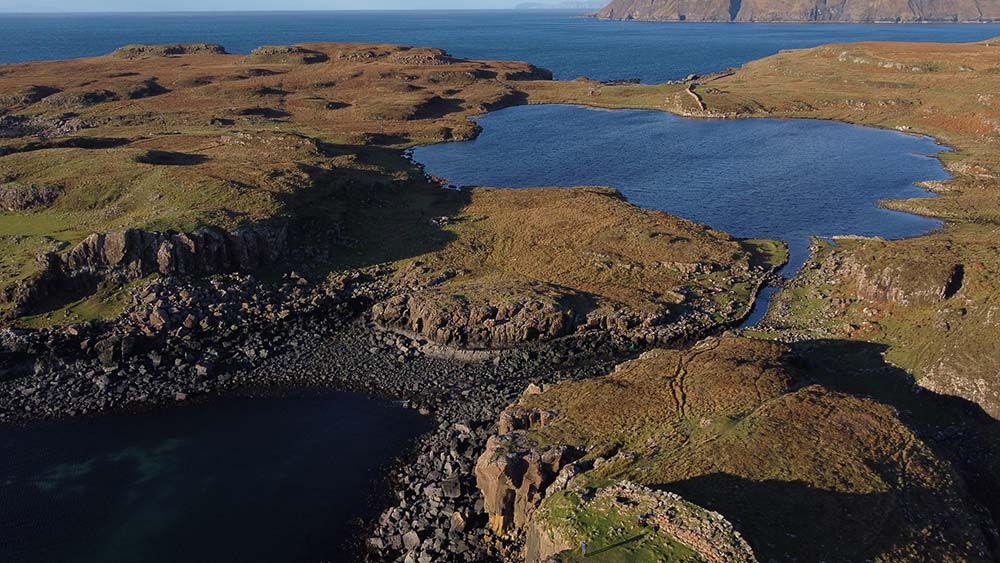
It is also a great island for extraordinary Viking history. At Rubh an Dùnain, a narrow peninsula leads to a small inland loch that’s linked to the sea by a Viking-made canal, once a sheltered harbour for their boats. Around it, traces of Iron Age, medieval and cleared settlements sit within a short distance. It’s a beautiful 13km walk in, and well worth it.
Check out the route details for the Viking Canal.
5. Iona (Island 18)
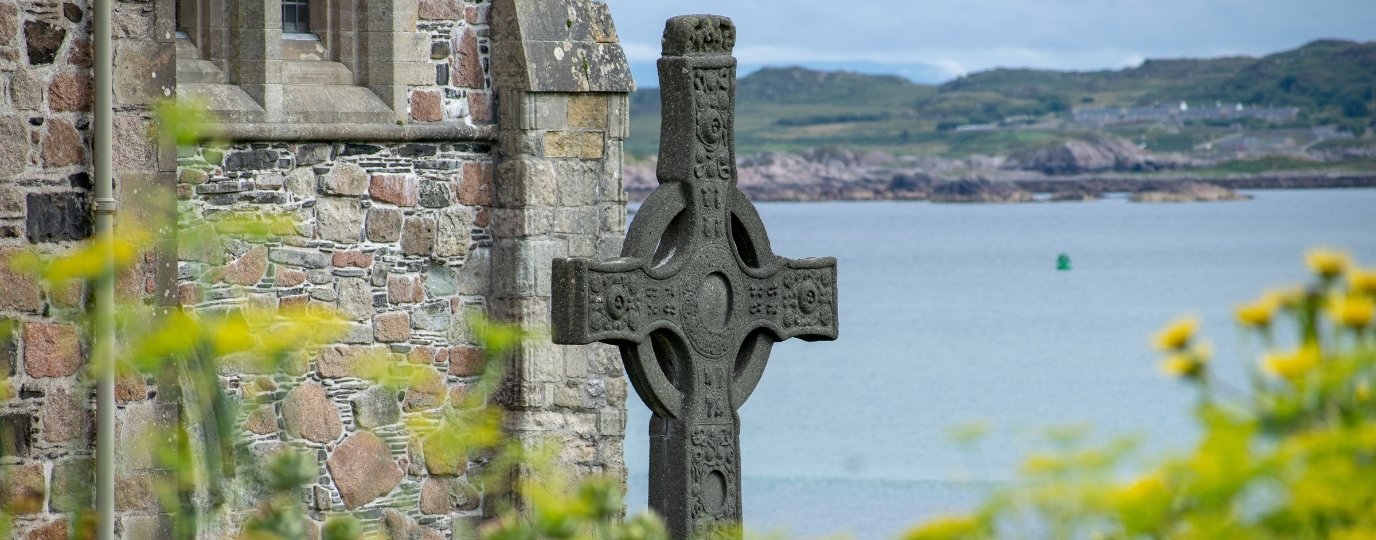
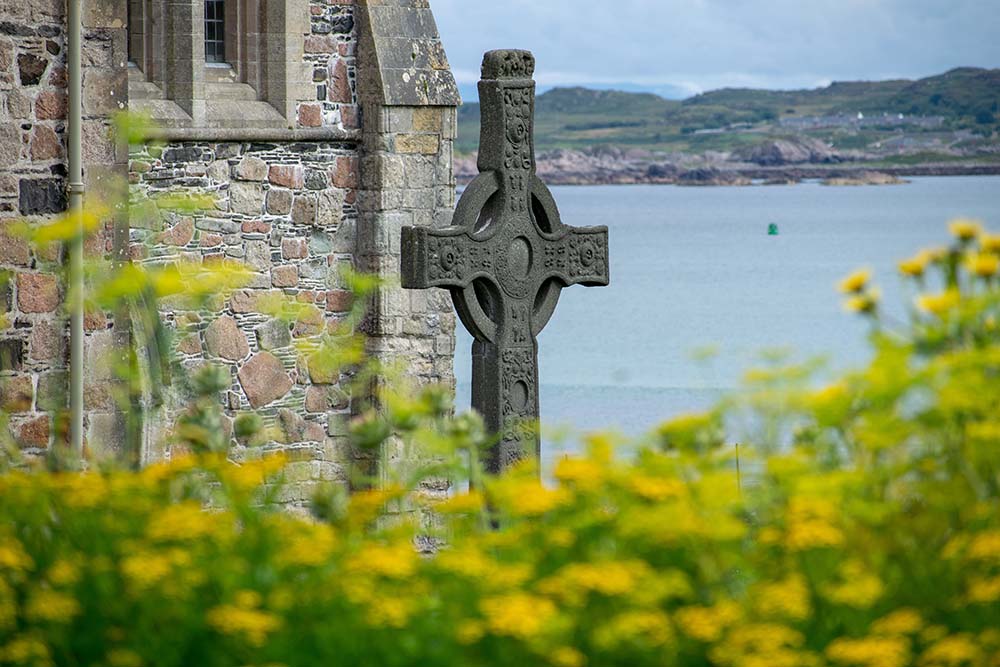
Step right off the ferry from Mull into one of the sites significant for St Columba’s early introduction of Christianity to this region. The restored Iona Abbey sits at the centre, full of Celtic crosses and the graves of 48 early Scottish kings, including Macbeth. The former Labour Party leader John Smith also lays to rest here.
Walking around the island reveals a lot more. A pilgrim’s walk to St Columba’s Bay, where Columba is said to have first landed, is a must. A deeply spiritual spot, and famed for its ‘mermaid tears’, polished green serpentine pebbles, and the popular visitor activity of making stone labyrinths on the beach.
Read more about visiting Iona.
Check out the full Iona coastal walk.
6. Isle of Wight (Island 74)
On England’s largest island history stretches right around its coast.
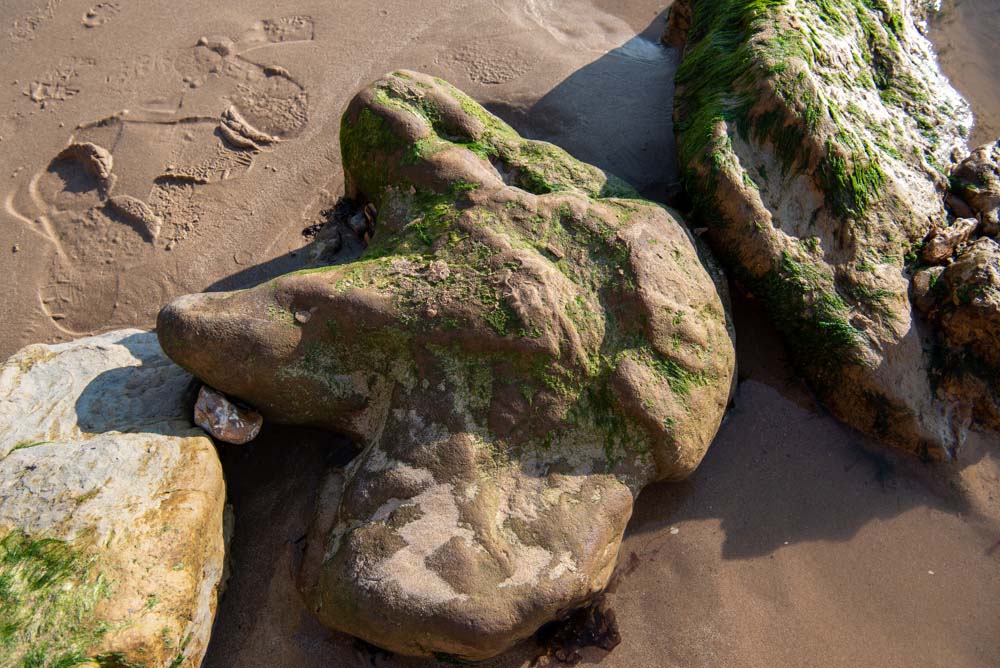
Starting on the south coast at Compton Bay, huge dinosaur footprints are pressed into the rock, a reminder that this island’s story began millions of years ago.
From here, sweep around to the north-east coast and Osborne House, Queen Victoria’s Italianate seaside retreat, where the island became a royal and fashionable Victorian destination. Apart from its sumptuous and colourful interiors, its early plumbed baths, running water and flushing toilets offer a glimpse of some of the most advanced domestic innovations of their time.
Cut inland and Carisbrooke Castle anchors over a thousand years of history, from Norman stronghold to the imprisonment of King Charles I during the Civil War.
Then follow the coastline west to The Needles Battery, perched on the island’s exposed edge, where clifftop guns and tunnels reveal its role as a frontline of coastal defence.
Read more about how to visit and what to see on the Isle of Wight.
7. Isle of Sheppey (Island 65)
Set at the mouth of the River Thames, the Isle of Sheppey has always felt like a threshold where river meets the sea and is connected to much bigger national stories.
At Sheerness Dockyard, once a key Royal Navy base guarding the Thames and now a port handling goods from around the world, you can still trace the island’s maritime past.
Nearby, historic Blue Town, with its rows of blue-painted houses built from reclaimed dockyard materials, offers a small but characterful reminder of the community that grew up around it.
Further along the coast, Queenborough, and its strong connections to Horatio Nelson and Lady Hamilton, evokes a deep sense of Britain’s naval history with its aptly named micro-pub, The Admiral’s Arm, and atmospheric back lanes.
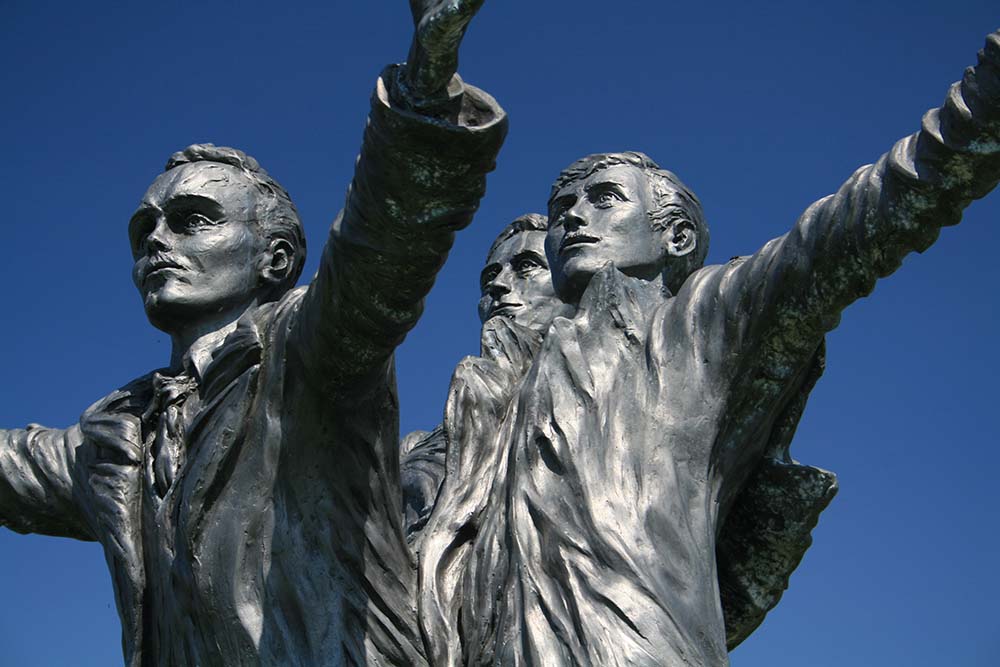
Head to the flat landscape near Eastchurch, to find one of Britain’s first aviation hubs, where pioneering pilots took to the skies and helped lay the foundations of modern flight.
Nearby islands
Foulness Island, run by the military, yet still retaining its own dialect and long-standing community, is also notorious for having Britain’s ‘deadliest path’, the Broomway, an ancient tidal route across the Maplin Sands where shifting channels and fast tides have caught out travellers for centuries.
Canvey Island, where much of the island was engineered from marsh by Dutch settlers, was also the site of Britain’s first liquefied natural gas terminal, placing it at the forefront of the country’s modern energy story, the brownfield site left now a spot for one of the best sites for bugs in Britain.
Related: Read more about how to visit, where to walk and what to see on the Isle of Sheppey, Foulness and Canvey Island.
Adventure with purpose
Why not help record the threatened coastal archaeological sites currently exposed on the 6,500+ miles of English coastline?
Check out CITiZAN (the Coastal and Intertidal Zone Archaeological Network), and help them log important sites along the foreshore and intertidal zones. Many are of considerable local or national significance and most have no statutory protection.
Landscapes of living history
These islands stand out not just for the presence of history, but for how clearly it can be read in the landscape. Each offers a different perspective, from prehistoric ritual to naval power, from community traditions to global connections.
Islands remind us that history is not separate from place. It is a part of the land, shaped by the sea, and carried forward by the people who live there.
I have shared a few favourites but you can find plenty of others looking at OS Maps. Check out the map legend under ‘Archaeological and Historical Information’ for Roman remains, battle sites, sites of antiquities and more.
This post is written by OS Champion Lisa Drewe who is currently undertaking a challenge to visit all 82 of the Islands of Britain over 5 square kilometres. Lisa aims to uncover the island’s unique landscapes, wildlife, and communities, while sharing how visitors can explore responsibly and support island ecosystems.

By Lisa Drewe
OS Champion, Lisa Drewe,
Lisa Drewe is an author, explorer, and the founder of the website Islandeering, a personal project dedicated to helping people discover UK island adventures with purpose. She has already explored over 500 British islands, written award-winning guidebooks, and champions regenerative travel and conservation.
Lisa is now on a mission to visit (and in some cases revisit) all 82 islands featured on our print. Along the way, she’ll uncover their unique landscapes, wildlife, and communities, while sharing how visitors can explore responsibly and support island ecosystems. Find out more about Island82