Common mistakes to avoid when hiking with dogs
Hiking with your dog and sharing adventures in new environments can be hugely rewarding for both people and dogs. If you’re thinking about taking your dog on longer hikes, especially if into hills and mountains, you need a little more preparation to make sure your dog is comfortable and safe.
Even confident, experienced dog owners can make simple avoidable mistakes when hiking with their dogs, especially when terrain, weather or distance are unfamiliar.
From over trusting recall to forgetting key bits of kit, mistakes are common and completely normal. The key is learning from them and adapting how you plan and prepare. Below, dog owners from team OS, share honest experiences of hiking with their dogs. Lessons they have learned the hard way that you can avoid with your own dogs.
Allowing your dog to roam too far
Does your dog stay close by?
When my high energy dog, Nori, became 100% solid at recall, I made the mistake of allowing her to roam too far away from me. Her version of running is actually sprinting, so it became tricky for me to always keep an eye on her! Once she had a taste for being 20m+ away from me, that’s where she wanted to be. Along with engagement games and teaching Nori to heel off lead with treats, we found a long line to be really effective at creating value within 5-10m. She learned that she can still sniff all the great smells and decompress without needing to sprint around like a hooligan! Just make sure that the long line is loose, as this replicates being off lead better.
Bethany McAtee – OS Customer Engagement Manager
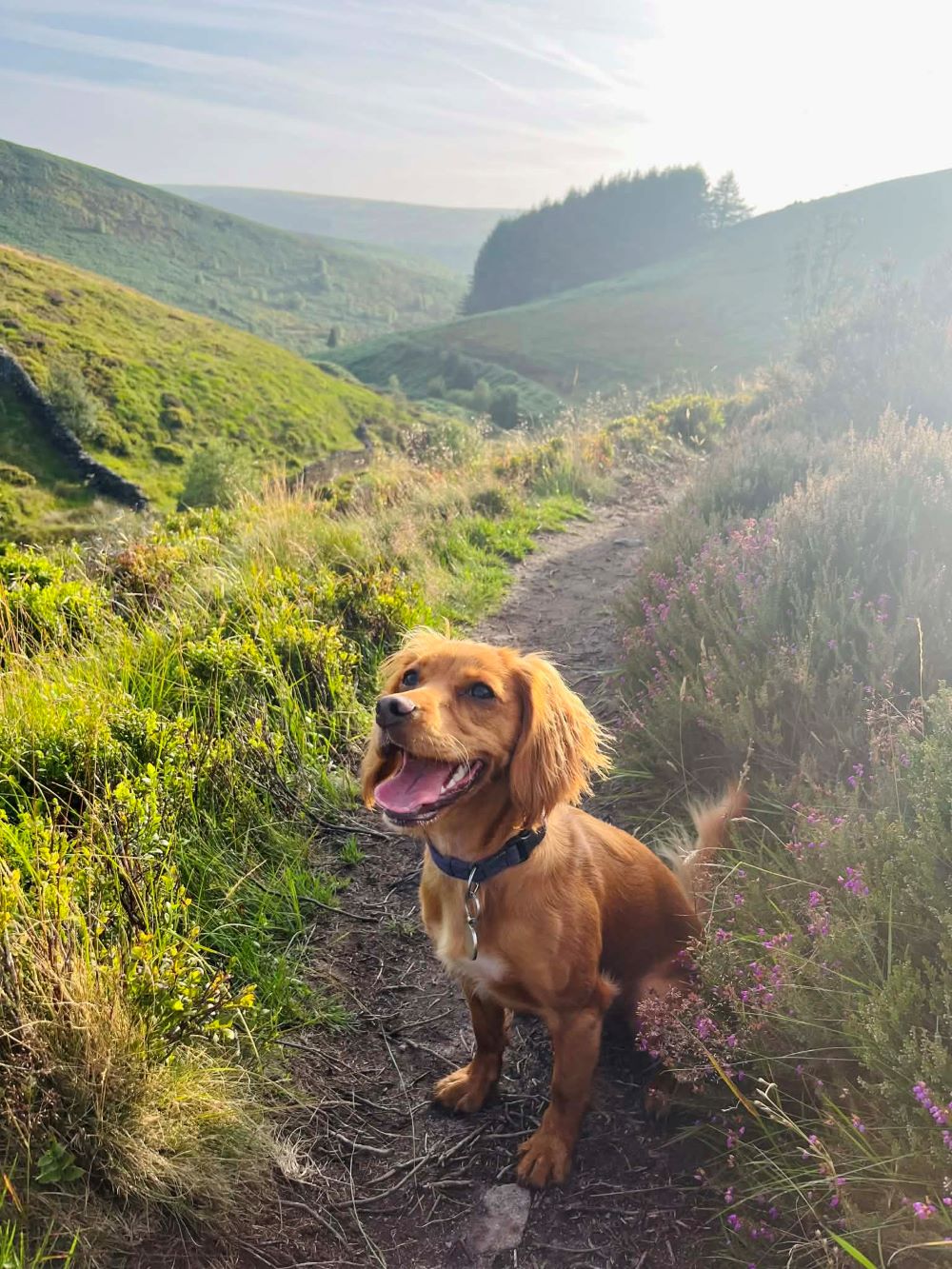
When hiking with dogs, recall alone is not always enough. Distance control is just as important, particularly on open paths, hills and shared routes. Allowing dogs to range too far can make it harder to spot hazards, pick up poo, manage encounters and maintain engagement, especially with fast or high energy dogs.
Forgetting poo bags
No excuses…
Forgetting dog poo bags! Ended up using a coffee cup… I have some emergency ones in pretty much all my jackets. They are also useful for all sorts of other stuff like rubbish bags, emergency phone waterproofing and sick bags!
Jonathan Elder – E-Commerse Development Manager
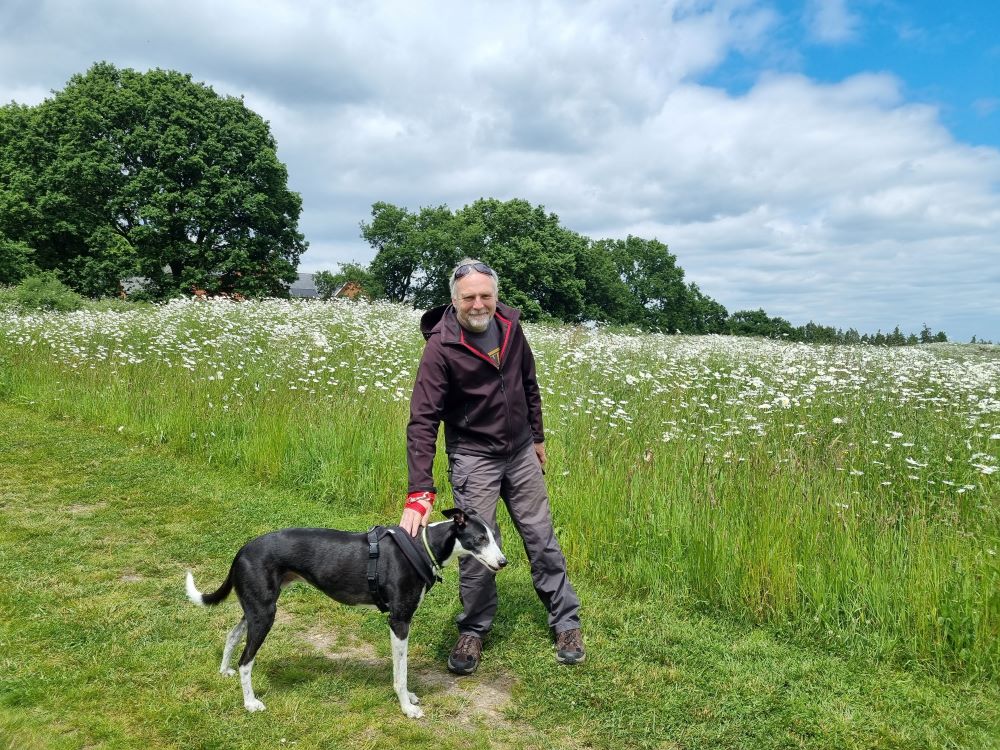
Longer walks can mean more poo bags are needed. Even on quiet routes or remote footpaths, responsible dog ownership remains essential. Make forgetting enough poo bags impossible by having them stashed in lots of places and always take more than you think you’ll need.
The Poo Fairy Doesn’t Exist!
It seems that many dog owners believe that a magic poo fairy will come along and bin their bagged up dog dirt (they even hang it on trees?) Pick it up and take it home or find a bin. You can buy really great little bags that have compartments for holding bags of poo securely, so there’s really no excuse.
Losing the lead when your dog is off lead
Where did I leave the lead?
If you let your dog off its lead, attach the lead around you or your rucksack. I’ve lost a few leads when I keep them in my hand, I’ll stop for a break or lunch and forget to pick Billy’s lead up. The pull cord from the top of my rucksack has come in very handy as a makeshift lead.
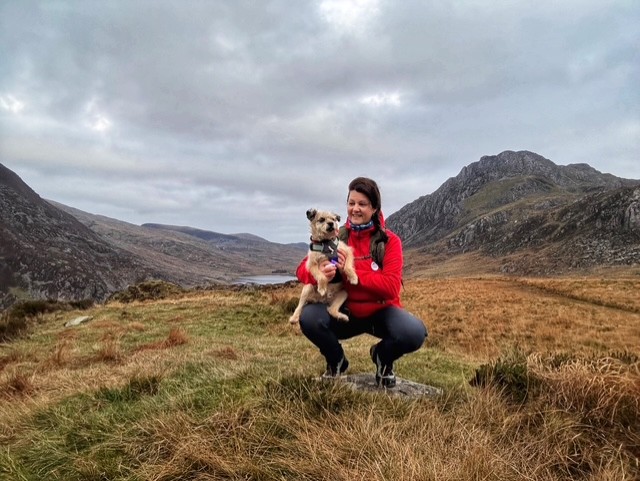
Hiking with dogs often involves switching between on lead and off lead sections. Breaks, lunch stops and views are easy moments to lose track of equipment. Keeping essential items secure avoids problems later, particularly near livestock, roads or busy paths.
EXPLORE THE
OS Shop
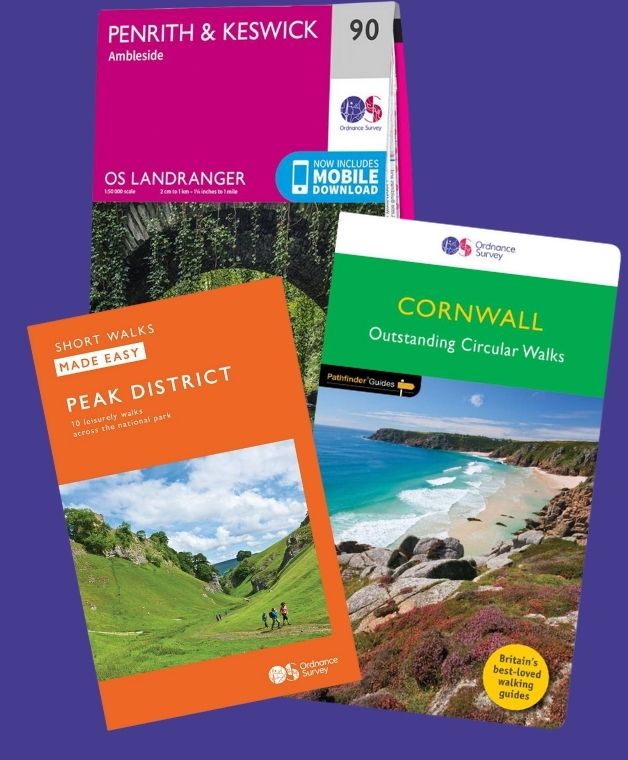
We are with you every step of the way. Shop our trusted walking and hiking maps and guidebooks so you can explore the outdoors with confidence.
Go to the shopGetting carried away with distance
Taking on too much in one day
Maya can walk very long days but every now and then she just has enough. Shes pocket sized but its still an extra weight to carry. I purchased a dog hammock so I can continue exploring whilst shes in comfort if need be.
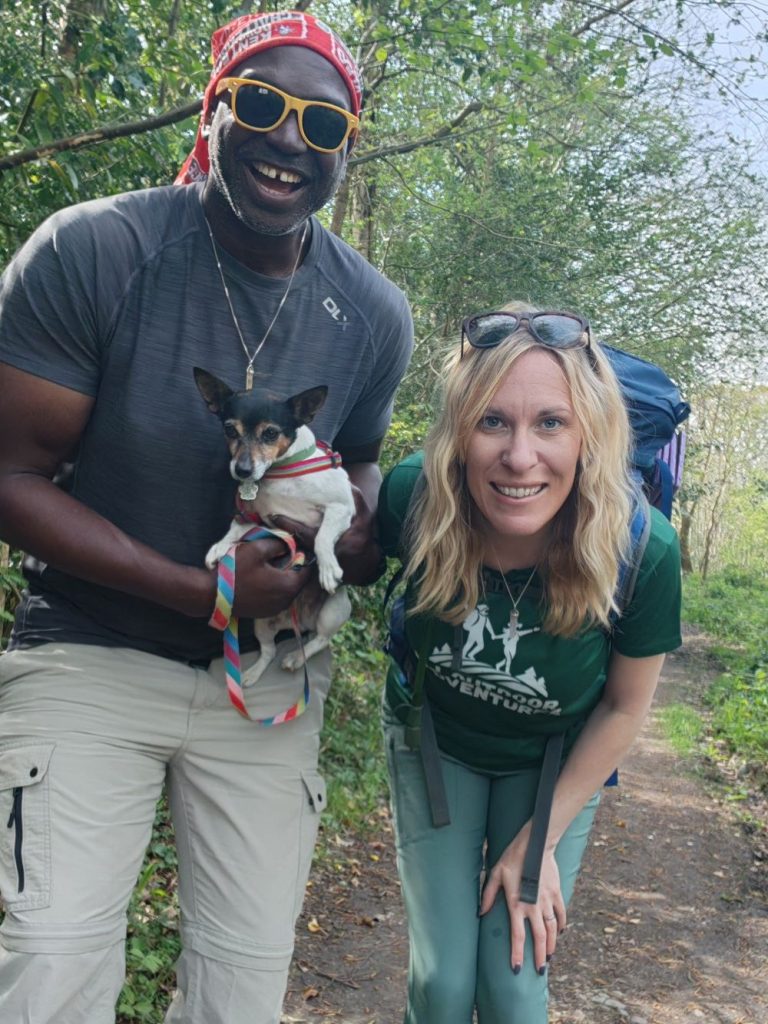
However fit your dog seems, longer distances can take their toll. Building up mileage slowly and paying attention to how your dog responds helps keep walks enjoyable rather than over‑challenging.
Not preparing your dog for bad weather
Not checking the forecast…
I always think about extra layers and waterproofs for me but I hadn’t for my dog. We had a hike up Moel Siabod and the weather closed in, it was raining sideways and very windy. Isca has a very short coat and once she got wet, she then got freezing cold and was trying to shelter behind every rock we came too, whimpering and refusing to walk. It was a really scary experience and I thought she was going to get hyperthermia!
Dr Jayne Kamintzis – OS Field Surveyor
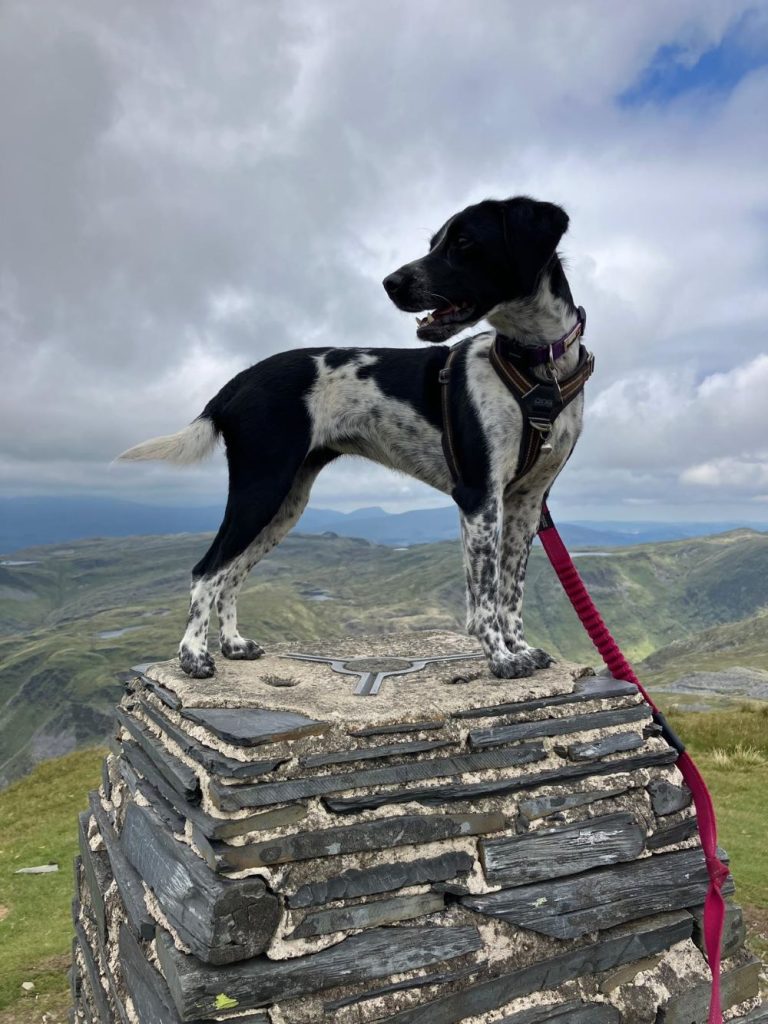
Weather has a big impact when hiking with dogs, particularly on exposed or upland routes. Wind, rain and cold can affect dogs quickly, especially those with short coats or low body fat. Planning for changing conditions helps keep dogs comfortable and safe on longer walks. Make sure you fully check the route in OS Maps to ensure you know if it’s appropriate in length and terrain for your dog (whatever the weather)
Underestimating heat and hydration
Forgetting to bring water…
It’s easy to underestimate how quickly a dog can overheat on a walk, especially on warmer days. When Murph was a puppy I forgot to take water with me on a walk, not thinking that dogs can’t regulate their temperature in the same way we can, so hydration and shade are really important. Now I always carry extra water and bowls, and keep an eye out for streams or shady rest stops along the route.
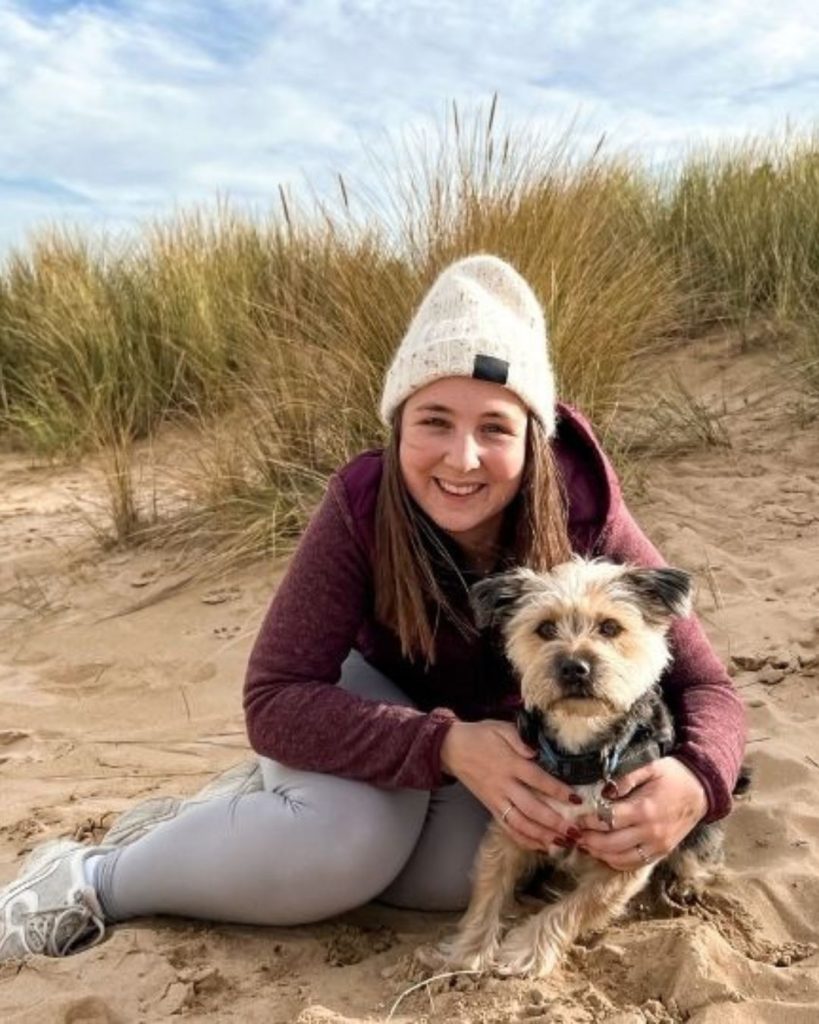
Hiking with dogs in warm weather requires extra care. Dogs cool themselves differently to people and can overheat quickly on exposed paths or long climbs. Thinking ahead about pacing, shade and water sources is essential for summer walks.
Not checking your dogs lead is in good condition
Not checking your lead and harness
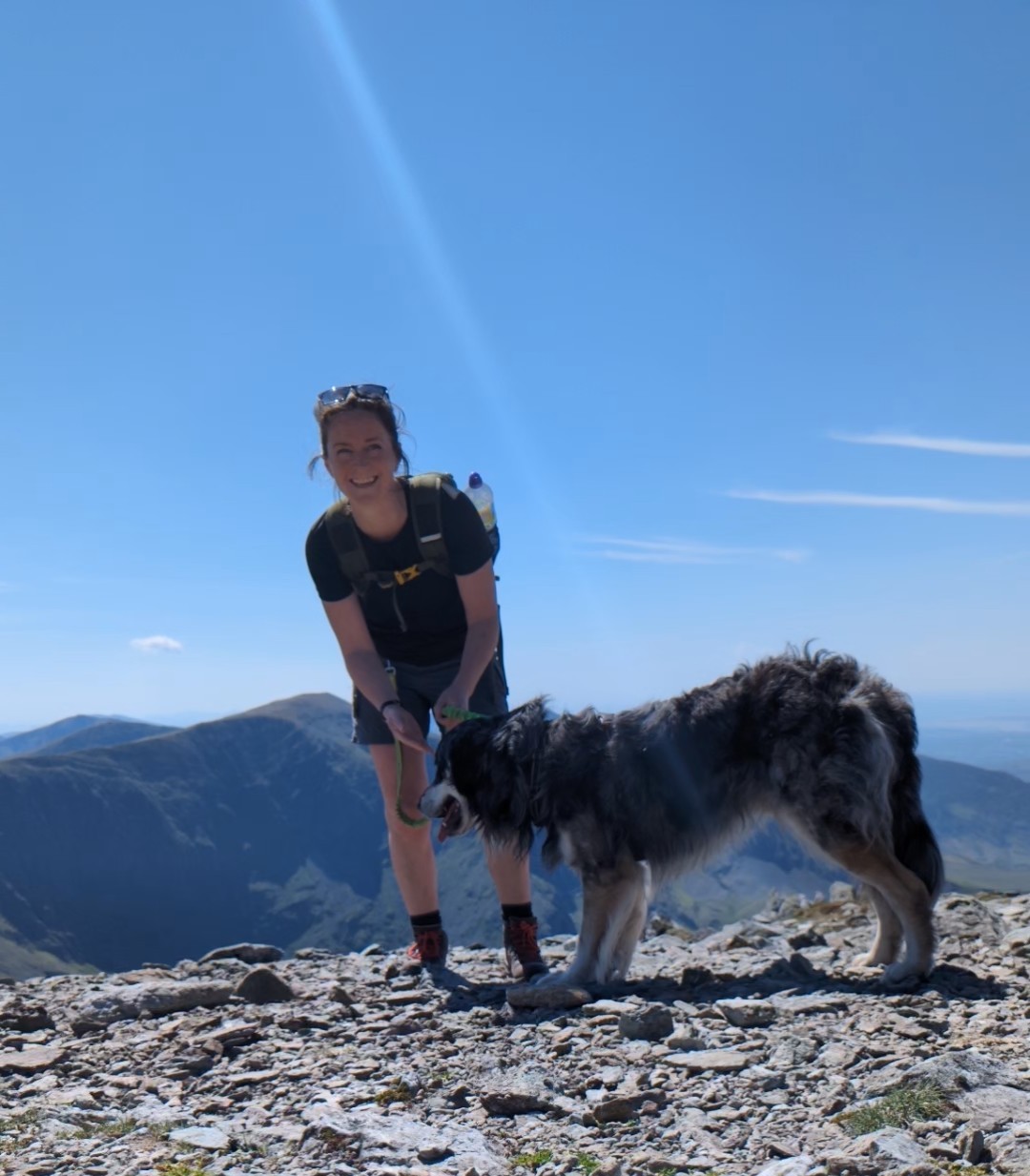
I had an awful experience with Ziggy when I was coming down a steep path in Eryri. Ziggy loves to chase anything that moves so he’s always on the lead around livestock. He’s much better now he’s older and had more training but when he was younger he would lurch hard if he saw sheep running ahead, on this walk he lunged forward and the lead snapped. He came back pretty quickly without having made contact with any sheep, but it made me realise I should always carry a spare lead when on longer hikes as well as double checking that the harness and lead I have are all in good condition.
Hilary Pullen – OS Discover Content Editor
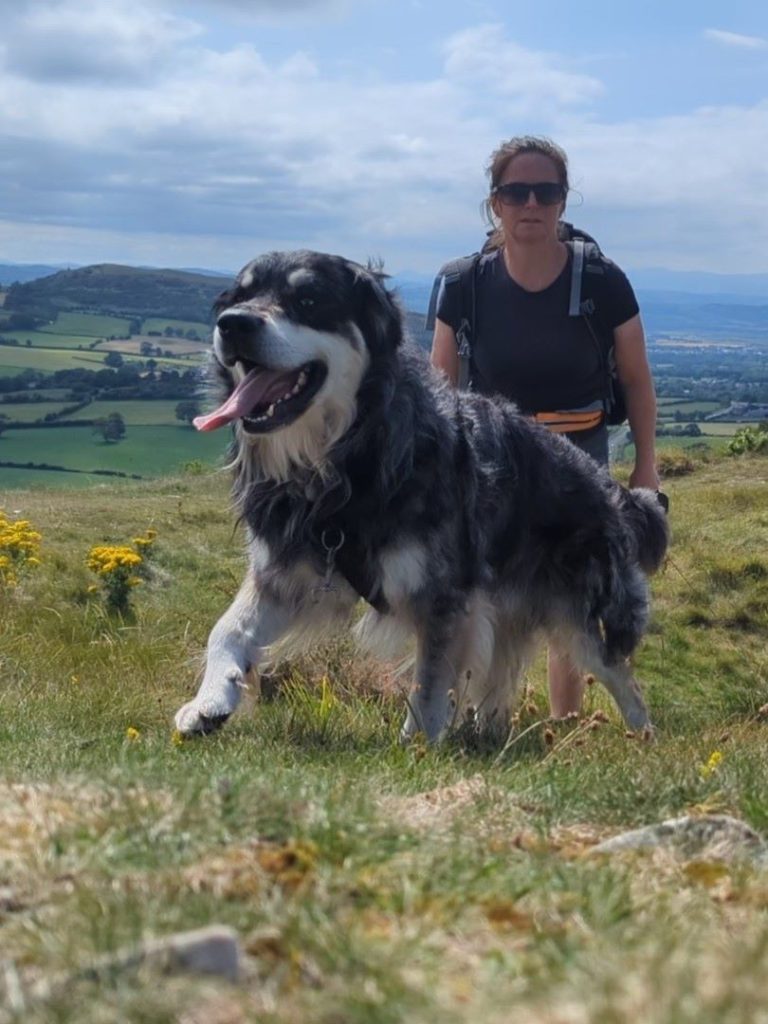
Did you know there are now new dog laws to further protect livestock and give the police more powers to gain dna evidence and prove attacks have been carried out by specific dogs. If you have a dog that chases sheep like mine sadly does I thoroughly recommend you invest in the best quality harness and lead as well as regular checks to ensure it’s in good condition if walking in the hills. Luckily no damage was done on this occasion but if this had been in lambing season even with no actual contact a farmer would have every right to prosecute and Ziggy could have been seized and destroyed or I could have been fined up to £1000.
Assuming your dog cannot escape
When your dog is an escape artist…
Tilly will find a way to escape! If I think Tilly can’t jump over something, the only thing that’s stopping her is that she also thinks she can’t jump over it (or sneak under it). Shortly after this photo was taken, she made her bid for freedom, ignored the frisbee, dipped under a gap in the fence she’d spotter earlier and explored the river. I’ve learnt to know when she’s in a mischievous mood and when it’s best to put her on a lead just in case.
Jon Peatman – OS Field Surveyor
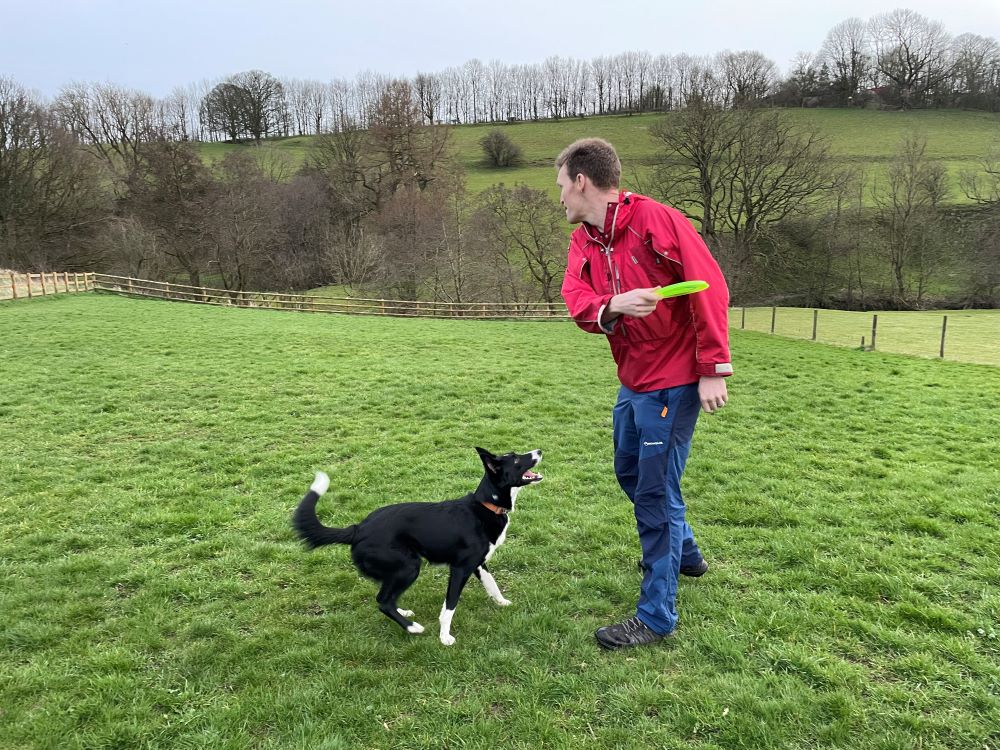
When hiking with dogs, new environments can bring out curiosity and confidence. Fences, walls and natural boundaries are not always reliable. Paying attention to your dog’s behaviour and mood helps you decide when extra control is needed.
Not planning for injuries on longer hikes
What if your dog gets injured?
If you have a larger dog then it’s worth thinking about what you will do if your dog gets injured and isn’t able to walk. My 20kg dog once hurt her paws and wasn’t able to walk – she was very heavy to carry back to the car! I now carry a dog sling with me for longer walks.
Liz Weston with Lottie, Charlie and Archie
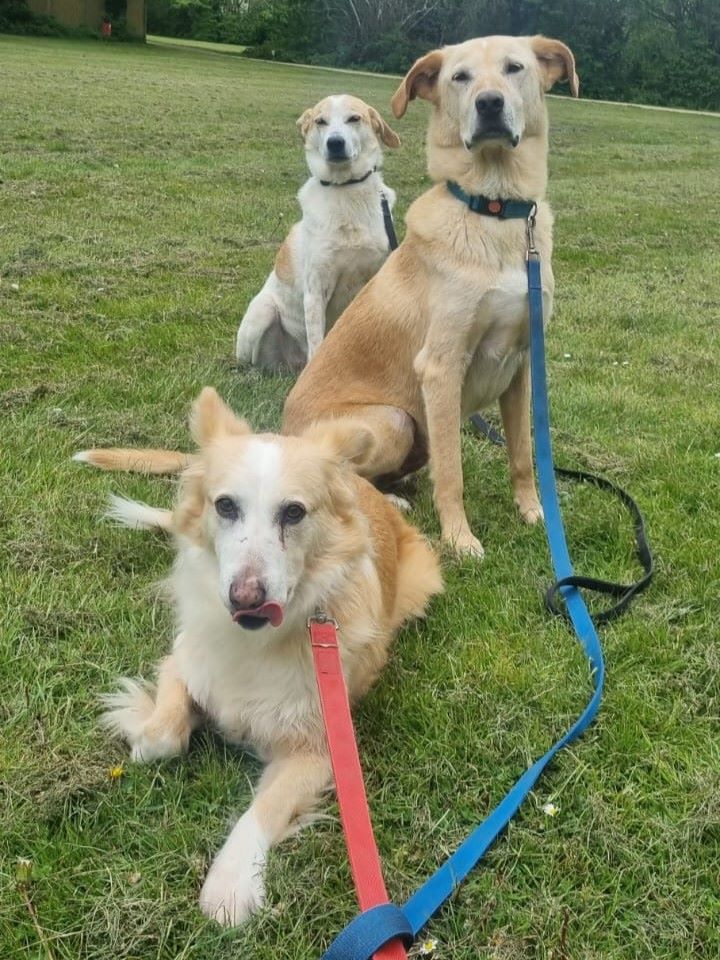
Longer or more remote routes add another layer of responsibility when hiking with dogs. Even small injuries can become serious if your dog cannot continue. Planning for emergencies helps keep walks safe and avoids difficult decisions far from help.
If you are unable to safely get your dog off a mountain you can ring mountain rescue. To get help, dial 999, ask for the Police, then ask for Mountain Rescue. They are available 24/7/365 to assist in emergencies.
Making mistakes and learning the hard way
Learning from your mistakes…
Over the years I’ve made most of the mistakes you can when hiking with dogs. I’ve left the leads at home – baler twine really isn’t the same. I’ve forgotten additional water and needed to change my route to take in a water source. I’ve forgotten towels on wet days and spent ages having to clean the mud off my car interior. But every mistake I made has been a useful lesson. I’ve not made them again or built a back up plan into my hikes – I still forget leads from time to time so I keep inexpensive spares in my car, extra rolls of poo bags, a spare towel and also a collapsible dog water bowl in the seat pocket. It’s also taught me that out dogs really don’t care, they just love being out with you and having fun. So don’t get hung up on them, we’ve all made mistakes!
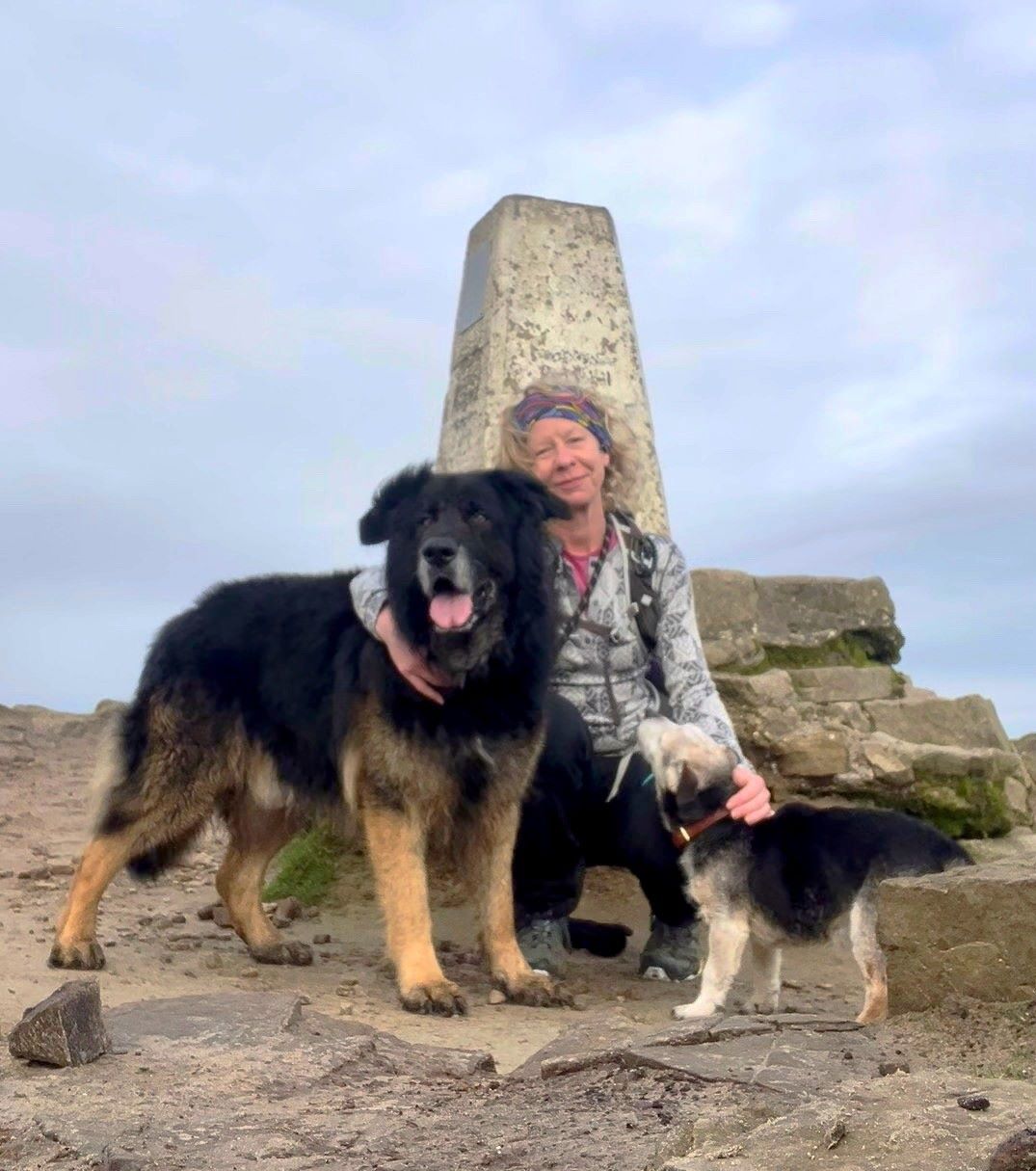
Hiking with dogs becomes easier when you accept that things will occasionally go wrong. Building simple backup plans into your routine reduces stress and keeps trips enjoyable. Dogs are often far more adaptable than we are, especially when they are simply happy to be outside with you.
General tips for hiking with dogs
These stories above from real dog owners highlight a few simple themes that will make hiking with dogs easier and more enjoyable.
- Plan for your dog, not just yourself
- Carry more water and spares than you think you need
- Manage distance as well as recall
- Adjust routes and timings for weather conditions
- Expect mistakes and build simple backup systems
Download OS Maps and find 1000’s of interesting new dog walks to explore
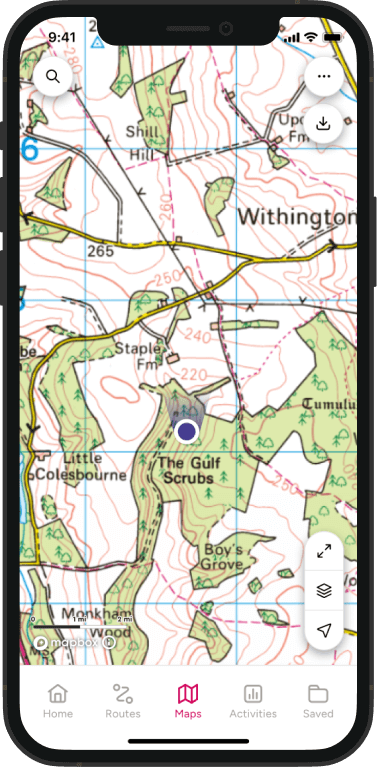
OS Maps is free to download on your phone and can be a real help when walking with your dog. The Locate Me feature lets you share your location if you ever need help, and the app is a great way to find new dog walks to suit your plans.
Dog Friendly Walks in the Lake District
Discover the best dog friendly walks in the Lake District with ten easy routes, clear dog‑friendly tips, safe water access and OS Maps links for stress‑free days out.
Dog Friendly Walks in the Peak District
We met the author of a brand new book of dog friendly walks in the Peak District to find our more about her and her dog Jim
Dog Friendly Walks in the Yorkshire Dales
We spoke to Sally Outram and Ted the Patterjack about their brand new book, Dog Friendly Walks in the Yorkshire Dales
By Hilary Pullen
Meet Hilary, Editor of OS Maps Discover. Hilary is based in North Wales and loves hiking with her dogs in the mountains of Eryri and Bryniau Clwyd, you can find her on Instagram @nearlyuphill and read her guides to walking in North Wales.
If you would like to be a featured OS Author and write an article or route guide find out more here – how to submit an article idea