People get lost for all sorts of reasons. Sometimes it’s because they’re new to navigation and haven’t yet developed the skills or confidence to work out where they are. Sometimes it’s because poor weather, fatigue, distractions or simple mistakes catch them out.
When we spoke to Mountain Leaders, navigation tutors and outdoor instructors through the National Navigation Award Scheme (NNAS), one thing became clear: even highly experienced navigators occasionally make mistakes. The difference is that they usually spot problems earlier and know how to recover from them.
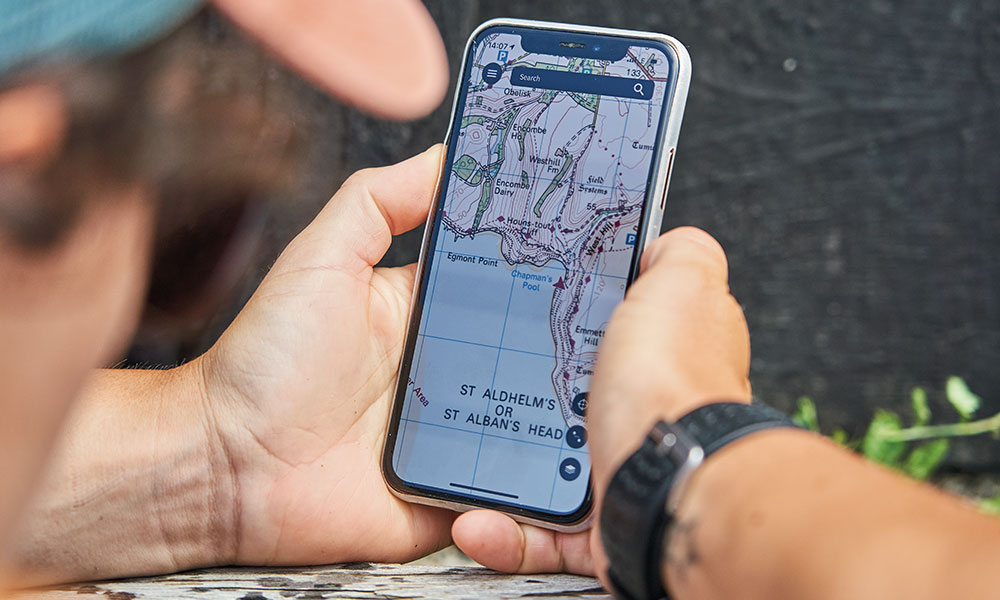
1. Relying entirely on a phone
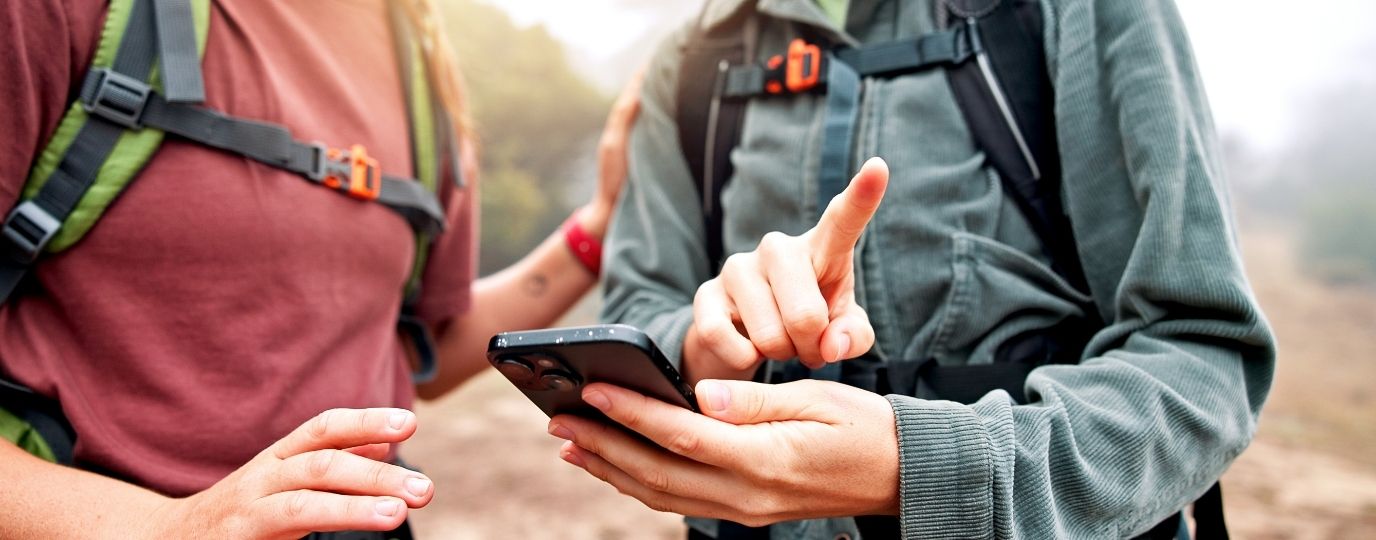
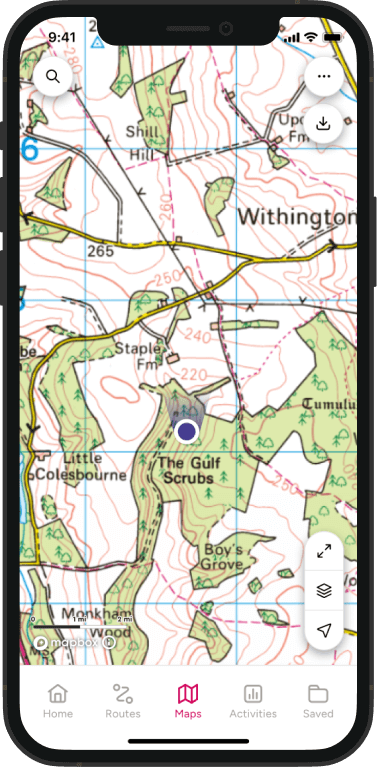
Several experts highlighted over reliance on digital navigation as one of the most common issues they encounter. Phones are a brilliant navigation tool, but batteries run down, screens become difficult to use in heavy rain and signal can disappear unexpectedly.
Winter Mountain leader and NNAS Course Director, Fabian Seymour regularly sees walkers become dependent on following a route on a screen without understanding where they are on the map.
“Phone batteries chew up when recording Strava, following routes, being a camera. Screens don’t work in a downpour, and you become reliant on an arrow on a screen. If that goes, you’ll not have (or will have lost) any ability to relocate on a paper map and get out of trouble!”
The lesson isn’t to stop using technology. It’s to make sure you have the skills and confidence to navigate the route you have chosen if your technology lets you down. Investing in a navigation course or learning from online resources like our Outdoor Skills Knowledge hub, will enable you to go further and explore with more confidence.
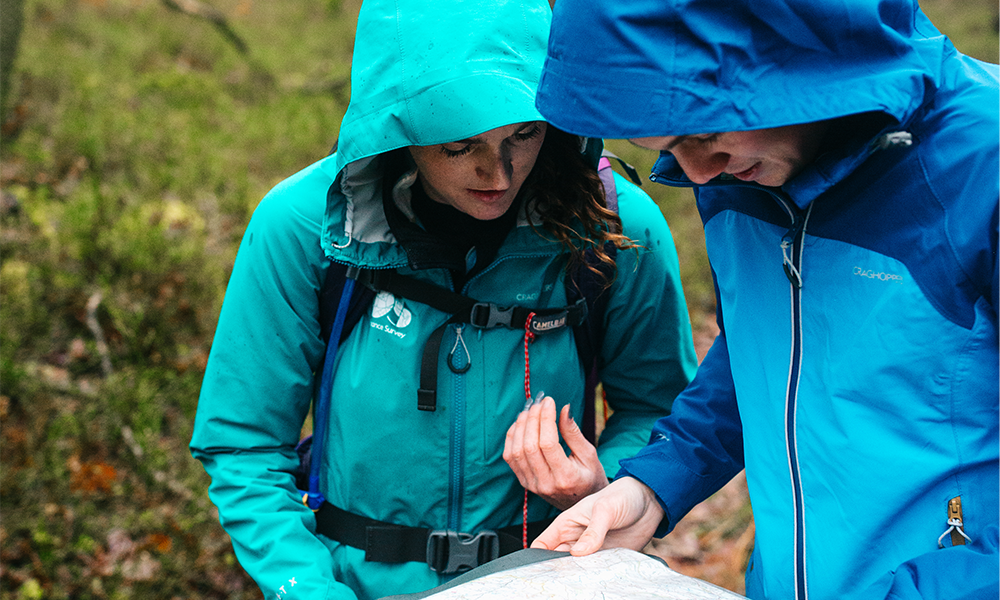
2. Not looking around
Good navigation is about much more than following a path. It starts with observation.
Many tutors we spoke to said beginners often focus on what’s directly beneath their feet rather than looking at the wider landscape and matching it to the map.
As Mountain Leader, Bill Sharpe puts it:
“‘The map asks the questions… the ground gives the answers’… so look around not down!”
Looking around regularly can help you spot rivers, tracks, woodland edges, walls and hills that confirm your position and build confidence in your navigation.
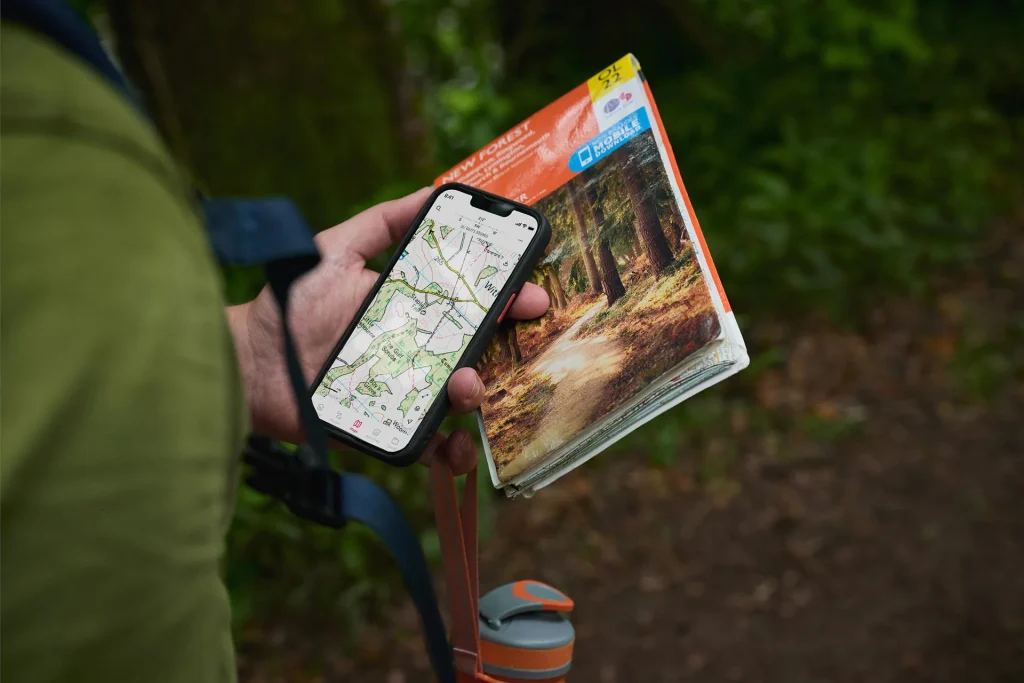
3. Continuing when something doesn’t feel right
One navigation mistake rarely causes a serious problem. The bigger issue is when walkers continue moving despite being unsure of where they are or hoping things will become clearer further along the route.
Hill & Moorland Leader, Steven Sunners recalled a Duke of Edinburgh expedition where a group took a wrong turn and kept walking, hoping the landscape would start to match their expectations. In reality, they were searching for a feature that was never going to appear because they were no longer on the correct route.
Stopping early, reassessing your location and making a new plan is usually far easier than trying to recover after you’ve travelled much further.

4. Failing to check progress as you go
Experienced navigators don’t just look at a map occasionally. They continually compare where they are with where they expect to be.
Mountain Leader and RAFAC instructor, Jake Hewison believes many navigation mistakes happen when people briefly switch off:
“Almost all mistakes come from tuning out for a short while.”
Before setting off on the next section of a route, ask yourself:
- What should I see next?
- How will I know I’ve reached it?
- What would tell me I’ve gone too far?
Small checks can prevent much bigger mistakes.
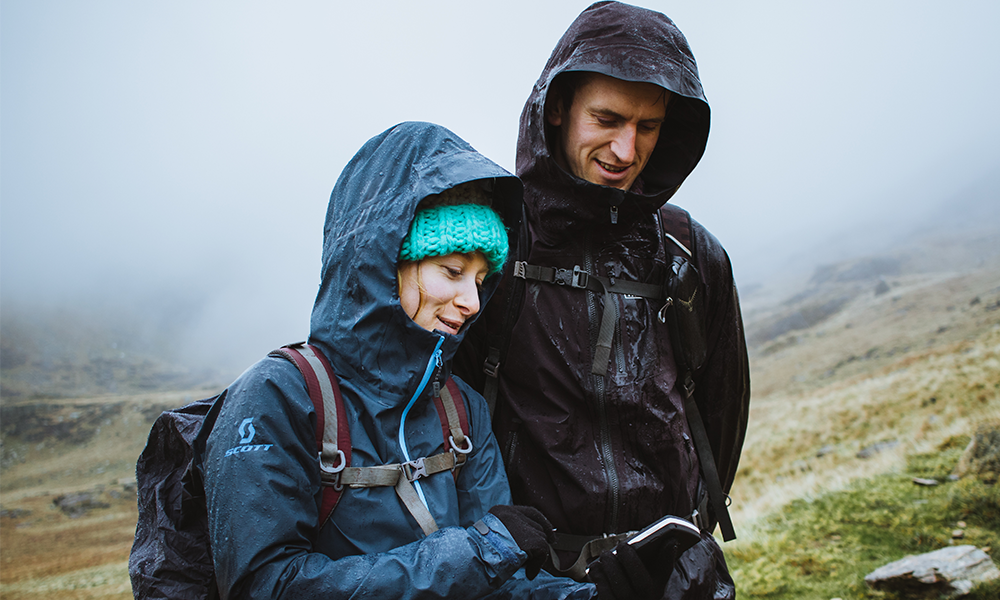
5. Ignoring changing weather conditions
Several Mountain Leaders described situations where the weather turned out to be very different from the forecast. When conditions change, your route plan may need to change too.
Winter Mountain Leader and Ogwen Vally Mountain Rescue team member, Marty Wall recalled leading a walk in Eryri where the wind was much stronger than expected:
“We made a decision to divert and make a shorter day without getting up onto the ridge or summit where conditions would have been unnecessarily risky.”
He added:
“A lesson learned that the weather forecast is only a prediction (it may actually be worse/better than expected) understanding this when out on the ground is key in your decision making process.”
Good navigation isn’t just about finding the route. It’s also about making good decisions when conditions change.
6. Assuming navigation is harder than it really is
Many beginners approach navigation expecting it to be complicated or believing they have a poor sense of direction.
Chair of the NNAS, Pete Hawkins has seen this throughout his years teaching navigation:
“Beginners often think learning to navigate is harder than it really is. ‘Oh, I’ve got no sense of direction; I can’t do this!'”
Building confidence often starts with learning simple skills and practising them regularly rather than trying to master everything at once.
7. Losing confidence after making a mistake
Getting something wrong doesn’t mean you’re a bad navigator.
Many of the instructors who completed the survey shared stories of times when they themselves became disorientated, missed turnings or made incorrect decisions. NNAS Chair, Pete Hawkins even recalled accidentally walking in a circle on Kinder Scout:
“Imagine my embarrassment when I saw the same discarded Snickers wrapper again. I picked it up this time, confessed to the group that we’d gone round in circles and that I was an idiot!”
The important thing isn’t avoiding every mistake. It’s recognising mistakes quickly and taking action before they become bigger problems.
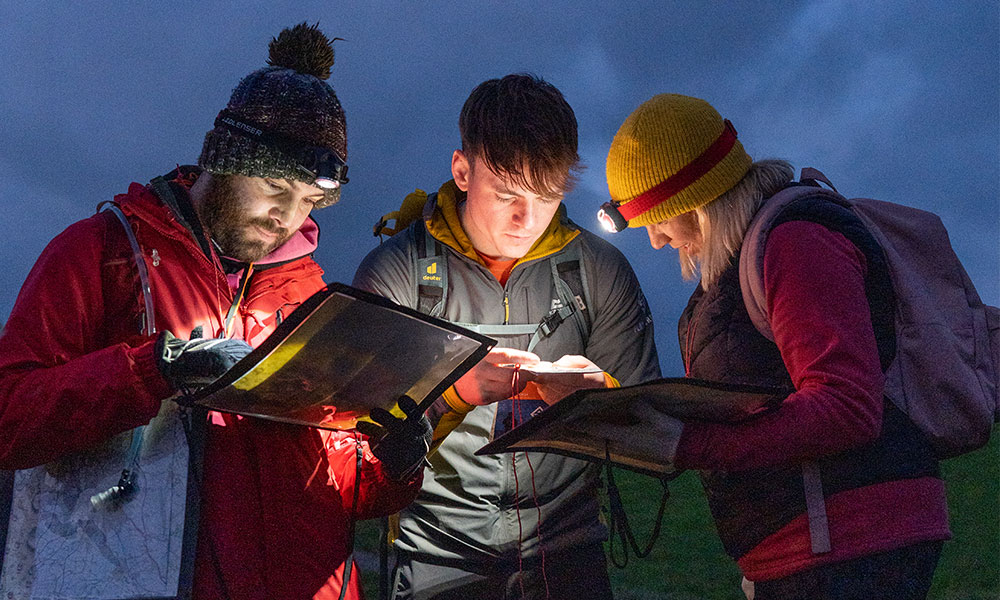
8. Being unwilling to change the plan
Several respondents highlighted the dangers of sticking rigidly to a plan when conditions, terrain or group needs suggest a different approach would be safer.
As Mountain Leader Mark Reid explained:
“The more experience I get, then the more I am able to foresee situations arising and then change plans before something does happen.”
Turning back, shortening a route or changing your objective isn’t failure. Often it’s the sign of an experienced walker making sensible decisions.
The good news? Every one of these mistakes can be learned from
The survey responses revealed something reassuring: experienced navigators aren’t successful because they never make mistakes. They’re successful because they recognise mistakes earlier, stay calm and know how to recover.
As NNAS Chair, Pete Hawkins advises:
“Map reading is all about observation. There are so many details on a map. Details which can be used to successfully navigate through even complex terrain. All you need is to take your time, keep checking the map and matching it to features on the ground and not panicking if things go wrong (we all make mistakes).”
Want to build your navigation confidence?
The National Navigation Award Scheme (NNAS) offers navigation courses across the UK, helping walkers build practical map reading and navigation skills in real outdoor environments.