How Navigation Skills Can Help Women Feel More Confident Outdoors
Many women are keen to spend more time outdoors, but confidence can sometimes be the biggest barrier. Questions like What if I take the wrong path?, What if I get lost? or Am I experienced enough? can stop people taking that first step. Hiking solo or being the one in charge of keeping others safe can be a daunting prospect.
Plenty of women already have years of hiking experience. They’ve walked miles of footpaths, tackled muddy hills and coped with all kinds of weather. They’ve just often done it with someone else holding the map or planning the route.
At some point, whether through a change in circumstances, a desire for more independence or simply wanting to stop relying on others, many women decide they’d like to take charge of the navigation themselves.
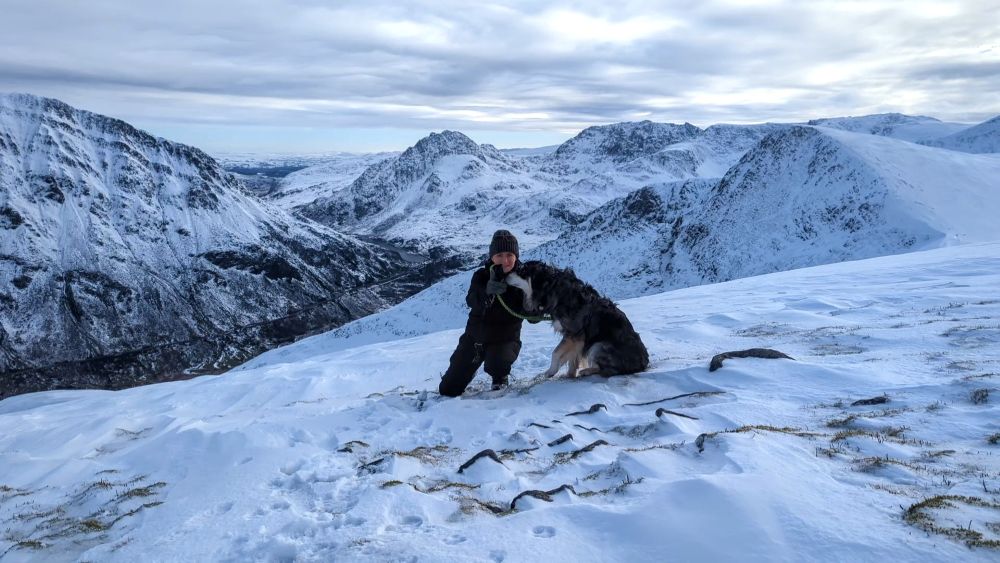
Confidence outdoors isn’t about being fearless. It’s about having the skills and knowledge to make good decisions. Learning a few navigation skills can help you feel more independent, more prepared and more comfortable exploring new places. I love the freedom of a solo hike, I go at my own pace and stop whenever I want.
In this guide, we’ll look at what makes a good confidence building hike and five practical skills that I used myself to build up confidence when out hiking solo or lead navigating with less experienced family and friends.
What Makes a Good Confidence Building Hike?
Not every walk is ideal when you’re building confidence. The best confidence building hikes tend to have a few things in common:
- Clear, well maintained paths
- Straightforward navigation
- Easy access and parking
- Reliable mobile phone signal
- A sensible distance for your fitness level
- Opportunities to shorten the route if needed
- Other people around, particularly at busier times
- Distinct landmarks that are easy to identify on a map
- You know the route – but you’re trying it in different conditions
Most importantly, choose a route that feels achievable. Completing a shorter walk successfully often does more for your confidence than struggling through a longer, more challenging route.
Your Hiking Confidence Checklist
A little preparation can go a long way towards helping you feel confident on the trail.
Before you set off, ask yourself:
✅ Have I looked at the route before leaving home?
✅ Do I know where I’m parking, starting and finishing?
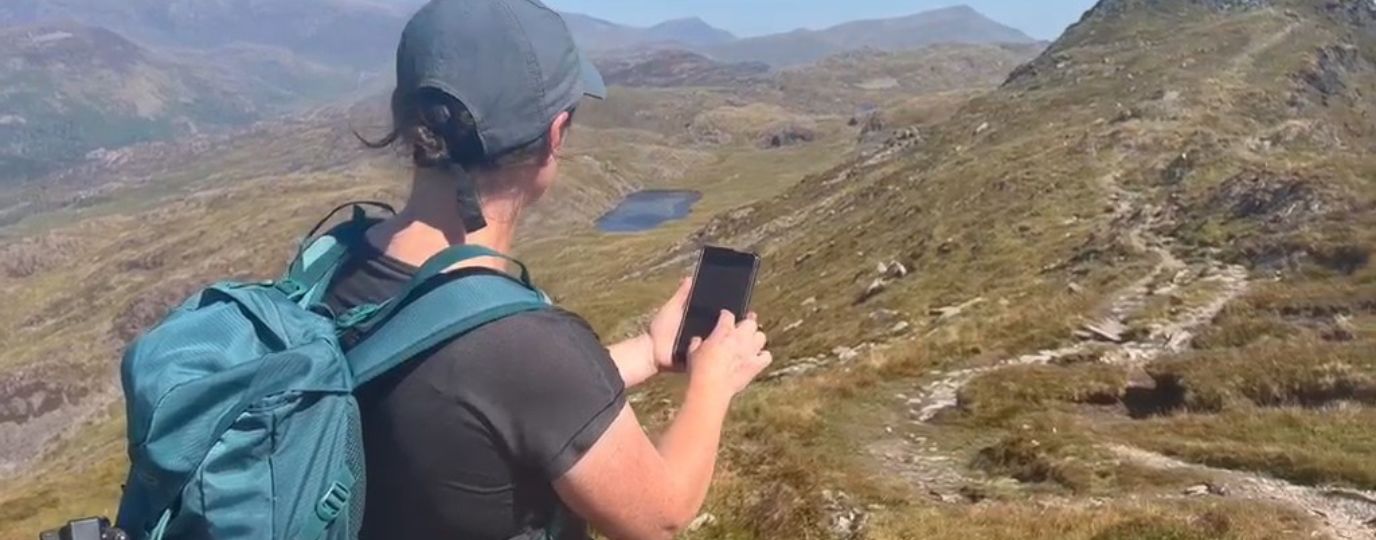
✅ Have I downloaded my map and route for offline use?
✅ Do I know roughly how long the walk should take?
✅ Do I know when it gets dark?
✅ Have I checked the weather forecast?
✅ Do I have enough water, snacks and suitable clothing?
✅ Have I told someone where I’m going and when I expect to be back?
✅ Do I know how to share my live location?
✅ Do I know what I’ll do if I need to shorten or change my plans?
✅ Am I prepared to trust my instincts if something doesn’t feel right?
If you’ve ticked these off, you’re already giving yourself a solid foundation for a confident day outdoors. Remember, turning back early, changing your route or adapting your plans isn’t failure. It’s good decision-making.
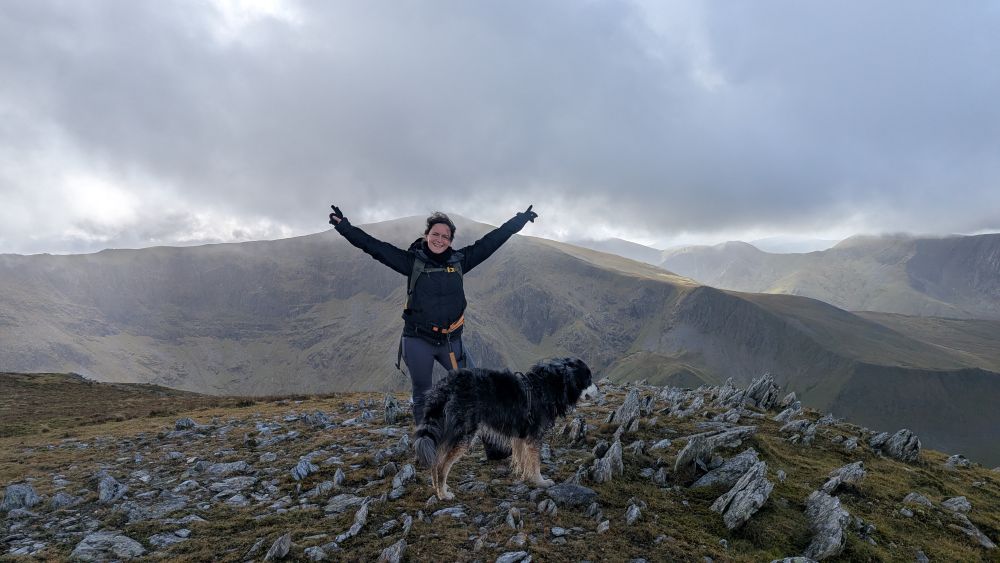
5 Navigation Skills to Practice
Practising your navigation skills when you’re NOT actually lost is one of the best ways to build confidence. It gives you the freedom to look at the map, check your location and familiarise yourself with navigation tools, without the pressure of trying to work out where to go next. I’ve picked these navigation skills as they form the basis of staying safe and boosting confidence when out hiking.
Navigation Skill 1: Following a Reviewed Route
While this isn’t a navigation skill in itself, learning how to choose the right route can be one of the biggest confidence builders for beginner hikers. One of the simplest ways to build confidence outdoors is to follow a route that’s already been reviewed by other walkers.
When choosing a route in OS Maps, look beyond the distance. Reviews can provide valuable insight into terrain, navigation challenges and what to expect on the ground.
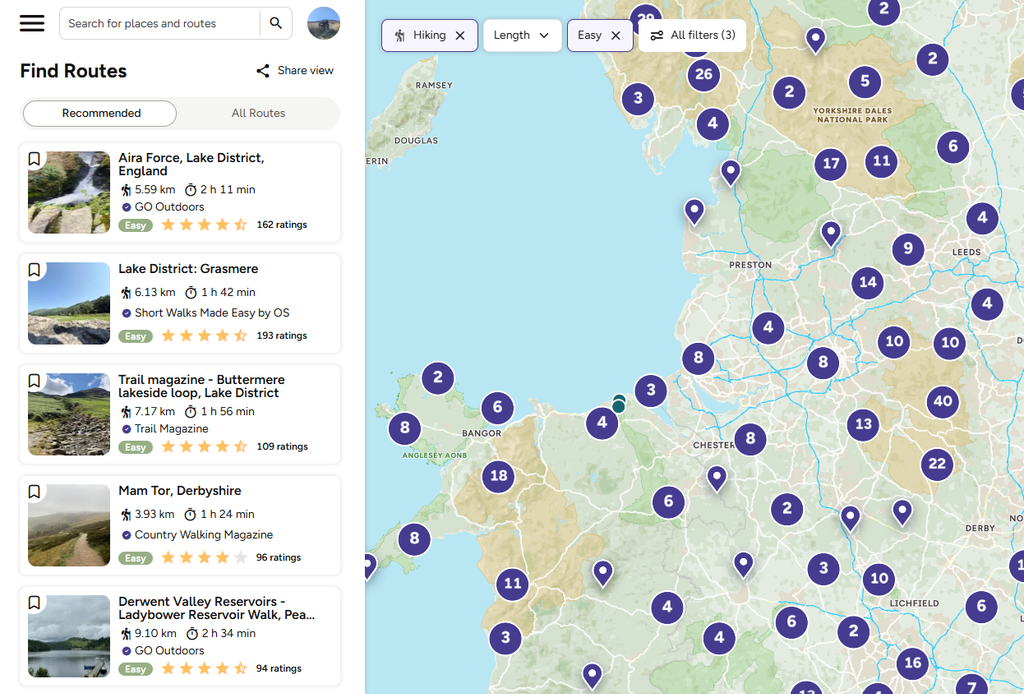
In OS Maps, you can filter routes by difficulty and see ratings and reviews from other users. Choosing a well reviewed route can help remove some of the uncertainty, allowing you to focus on building your navigation skills and enjoying the walk.
Test Your Skills
Click on the button below to open OS Maps and find a new to you route to try. Explore the route by zooming in and also using the 3D Flythrough to give you a birds eye view of how walking the route will feel.
Navigation Skill 2: Matching the Map to the Landscape
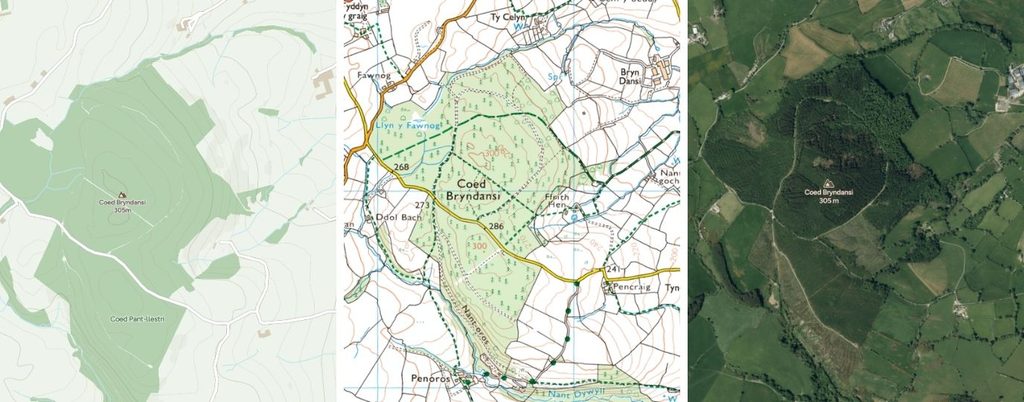
If you’ve never learned map symbols or looked closely at an OS map before, all those lines, colours and markings can feel overwhelming. Especially if you’ve walked with someone who can glance at a map for two seconds, nod knowingly and announce, “We’ll take the footpath past the copse and pick up the bridleway at the stile” as if they’ve been inducted into a secret navigation society.
The reality is far less mysterious. Maps are simply another way of describing the landscape around you. Once you understand a few basic symbols, it’s a bit like learning a new language. Suddenly, those lines start to tell a story about the paths, woods, rivers and hills around you, helping you make sense of the world beyond the next signpost.
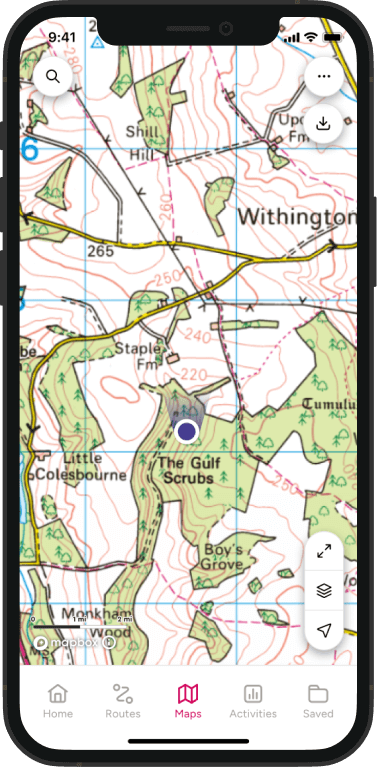
If you’re unsure what all the symbols and lines mean, you can open the map legend by clicking on the 3 dots top right of your screen or read our complete guide to OS Map Sybmols.
Test Your Skills
Before you set off, pick three features on your easy route. As you walk, find each one on the ground and use it to confirm your location on the map (on your phone or print off a paper version for a real test). Look out for features such as woodland, rivers, tracks, villages, hills and valleys. The more often you connect the map to the landscape around you, the more natural navigation becomes.
Ask yourself what feature comes next and which direction you’re travelling. It’s a simple habit, but repeating it on every walk is one of the fastest ways to build confidence and reduce your reliance on the location arrow.
Navigation Skill 3: Understanding Where You’re Allowed To Walk
Once you understand how footpaths, bridleways and access land appear on a map, you start to see the landscape differently. Instead of following a line and hoping for the best, you can spot alternative routes, create shortcuts, extend a walk or work your way back to a familiar path if things don’t quite go to plan.
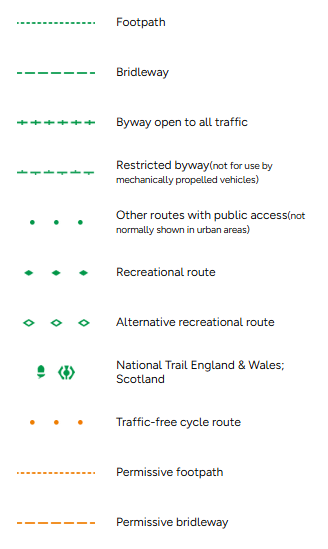
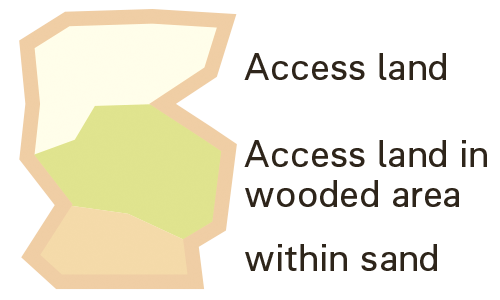
This is particularly useful if you’re building your own route. Rather than relying on someone else’s walk, you can begin connecting footpaths and access land to create an adventure that suits your time, fitness and confidence level.
In OS Maps, public rights of way and access land are clearly marked on the map. Try switching between map layers to see how paths relate to features such as woods, hills, open countryside and settlements. As you become more familiar with the map, you’ll start spotting route opportunities you might previously have missed.
Test Your Skills
Choose a local area and create a simple 3-5 mile circular route in OS Maps using the Snap to Path feature. As the route builds itself, pay attention to the different paths available. Could you create a shorter version? A longer version? Is there another way back to your start point?
You don’t even need to walk the route straight away. The aim is to start exploring the path network and understanding how routes fit together. The more routes you create, the easier it becomes to adapt plans on the go, recover from wrong turns and confidently plan your own adventures.
Navigation Skill 4: Understanding the Shape of the Land
Many hikers focus on paths and landmarks but ignore the contours. Learning to recognise hills, valleys and ridgelines helps you understand where you are and what lies ahead. Suddenly, the landscape starts making sense before you even reach it and you can avoid dangerously steep ground. Use our 3D Flythrough on a route to experience the reality of the contours.
Test Your Skills
Before a walk, look at the contour lines on your map and predict where the steepest section will be. Once you’re out walking, see whether the terrain matches your expectations. Not just how steep it is but easy it was to walk – did it slow you down much or tire you out? It’s a simple exercise that will help to start bring the map to life when you’re at the planning stage.
Navigation Skill 5: Understanding Time, Distance and When to Change the Plan
One of the biggest lessons experienced hikers learn is that there’s no prize for sticking to the original plan. A five mile walk on flat paths can feel very different to five miles of steep hills, muddy fields and several unplanned stops to admire the view or say hello to somebody’s dog.
Learning to judge distance, terrain and your own pace helps you make better decisions on the go. If the weather changes, you’ve taken a wrong turn or you’re simply moving more slowly than expected, you can adapt your route with confidence rather than feeling pressured to complete it.
Only experience walking will help you understand your own walking speed – it may be very different on a solo hike. Regular checking of the time and distance covered is an important element of safe hiking.
Test Your Skills
Before your next walk, estimate:
- How long the route will take.
- Where you’ll be after 10/30/60 minutes
- Which section will feel most challenging.
Then compare your predictions with reality.
Practice makes perfect!
Every missed turning, unexpected detour and map check is an opportunity to learn. The good news is that with a few basic navigation skills, those moments become minor inconveniences rather than major problems.
You don’t need to master every skill at once. Start with a simple walk, practise one new thing and enjoy spending time outdoors. Before long, you’ll find yourself reading the landscape, spotting alternative routes and making decisions that once felt intimidating.
I’d also thoroughly recommend taking a navigation course or reading some of the more in depth articles we have on map reading and navigation in our Outdoor Knowledge Hub.
Best Beginner Hikes in Eryri (Snowdonia)
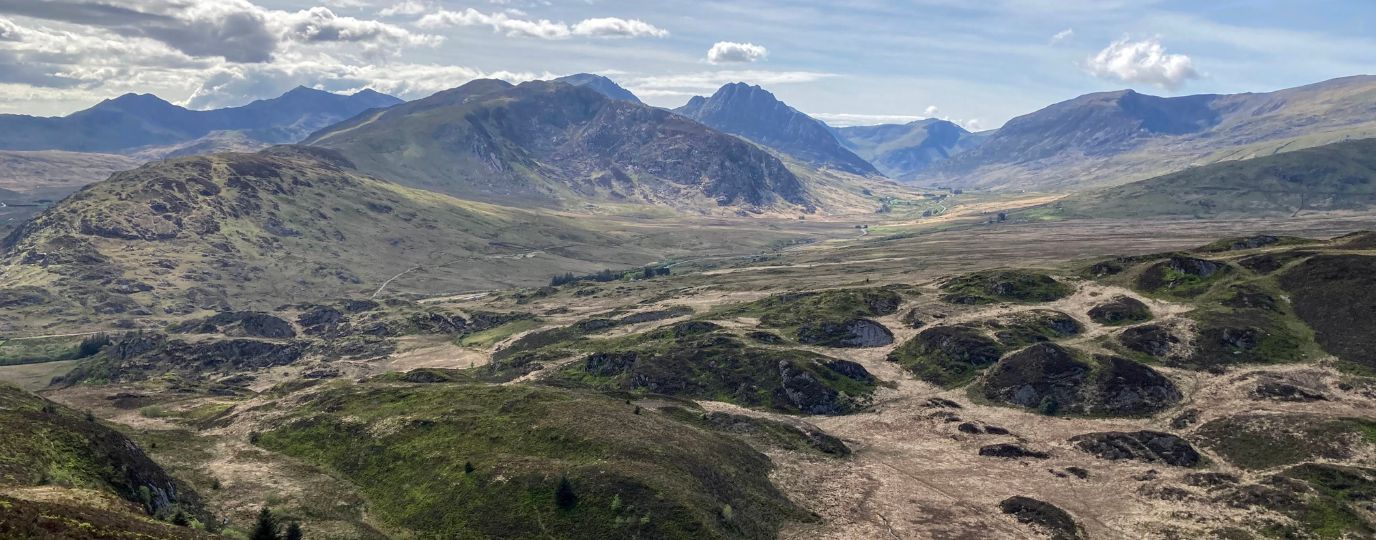
Beginner hikes in Eryri! Hilary Pullen, North Walian and Editor of OS Maps Discover has picked some great beginner hikes to try in Snowdonia!
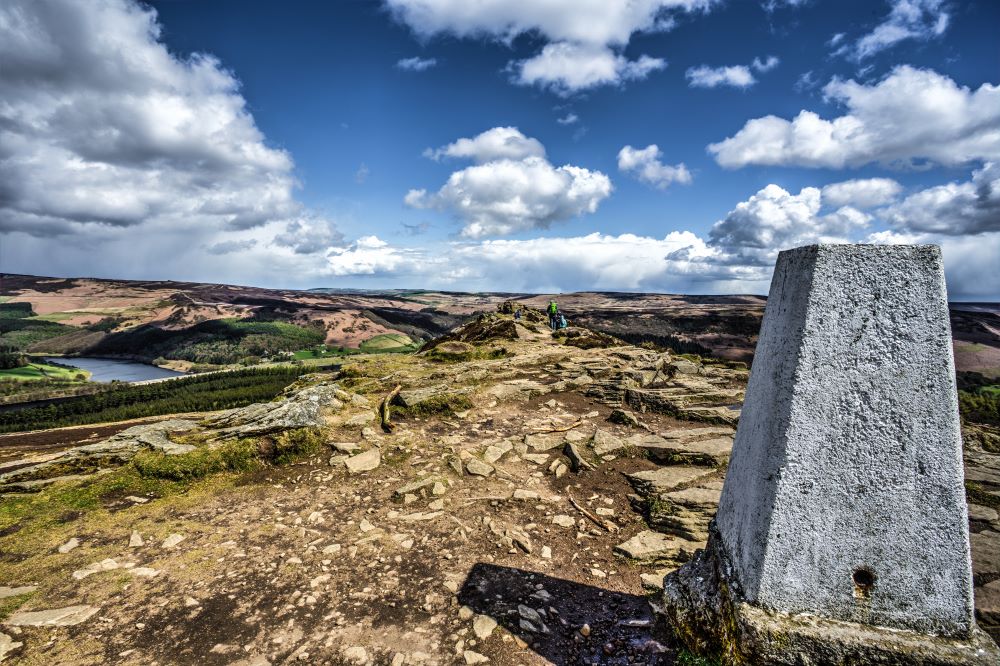
Best Hikes in the Peak District for Beginners
A few of the best hikes in the Peak District for you to try if you are new to hiking and want something that’s easy to follow and not too long!
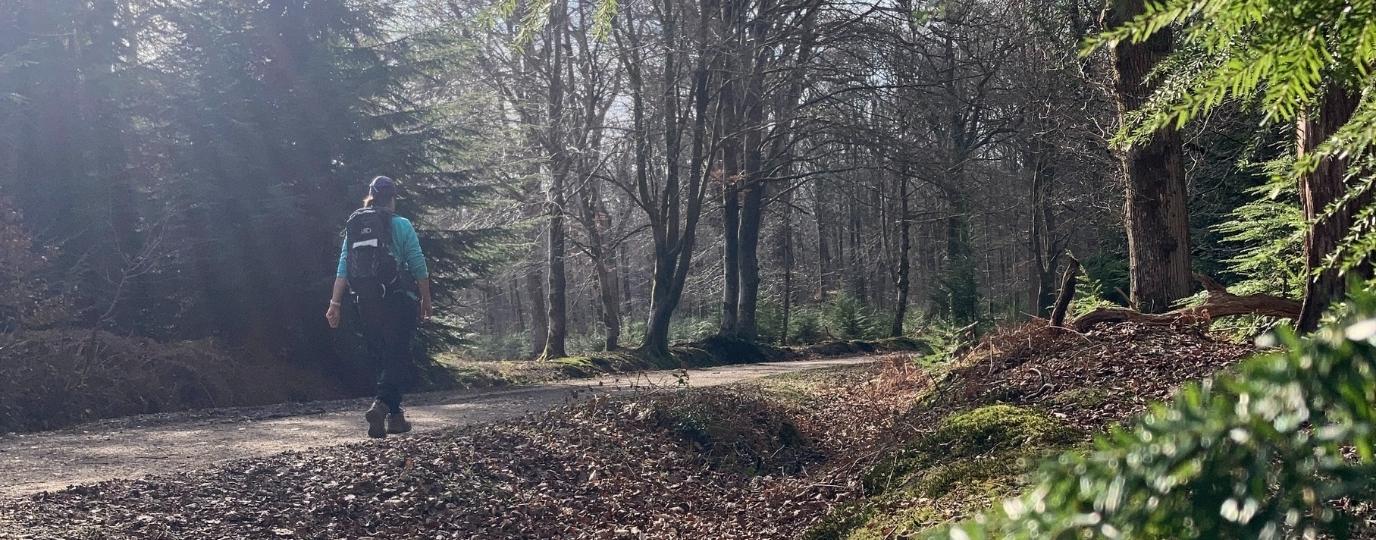
Beginner Hikes: New Forest National Park
Are you looking for beginner hikes in the New Forest National Park? OS Champion Sue Barrett shares 5 great walks to try on your next visit
OS WOMEN OUTDOORS
The outdoors is for everyone… confidence starts with a single step
Visit the OS Women's Hub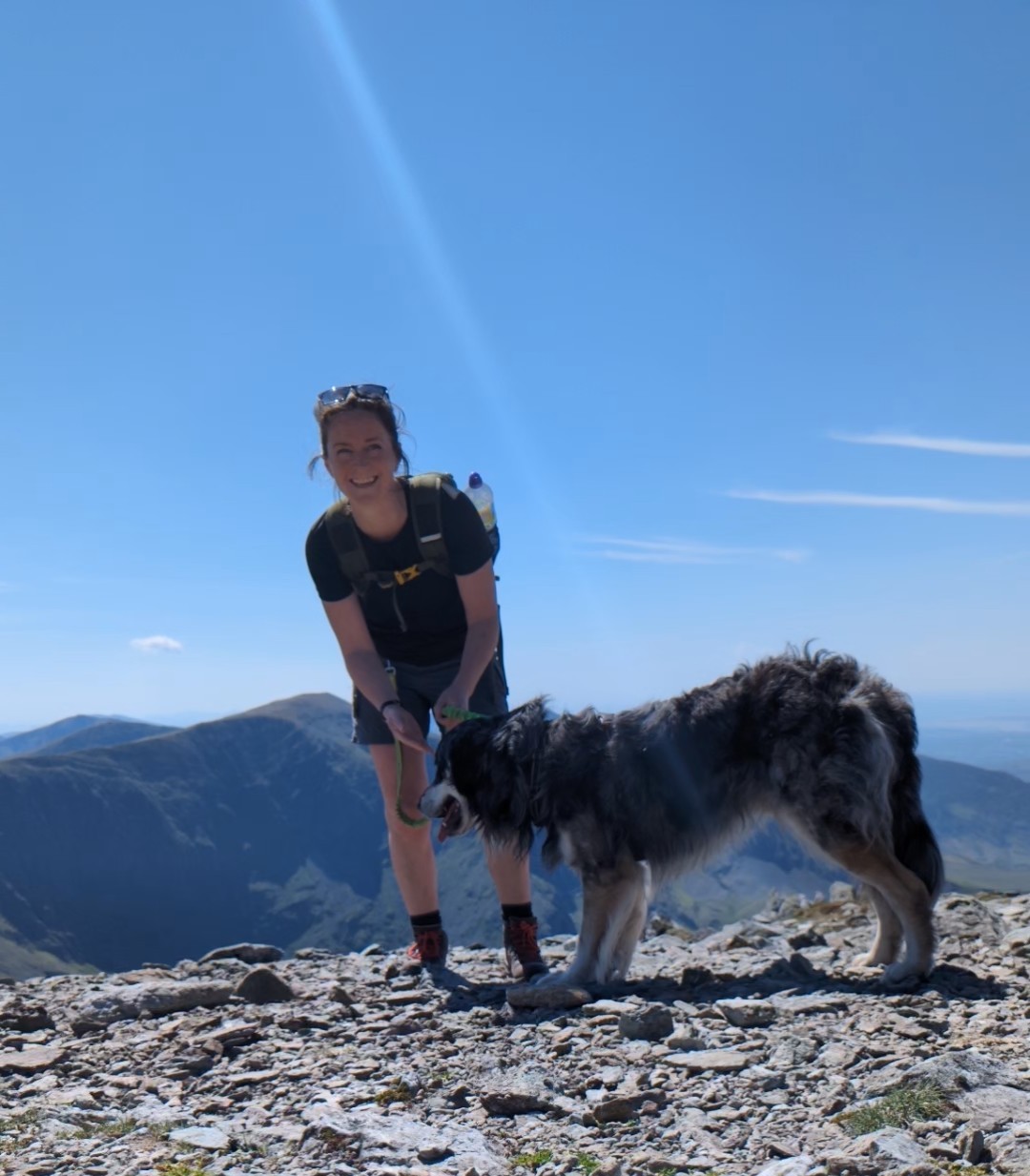
By Hilary Pullen
Meet Hilary, Editor of OS Maps Discover. Hilary is based in North Wales and loves hiking with her dogs in the mountains of Eryri and Bryniau Clwyd, you can find her on Instagram @nearlyuphill and read her guides to walking in North Wales.
If you would like to be a featured OS Author and write an article or route guide find out more here – how to submit an article idea