Exploring Wales on Foot: An Interview with Julia Goodfellow-Smith, the Author of the new Ordnance Survey Outstanding Walks Guidebook
For walkers, Wales has everything you could possibly want. Stunning coastlines, 3 National Parks, epic mountains and beautiful moorland and lowland. It’s also packed full of fascinating historical sites and full of folklore and archaeology to explore and make every walk all the more interesting.
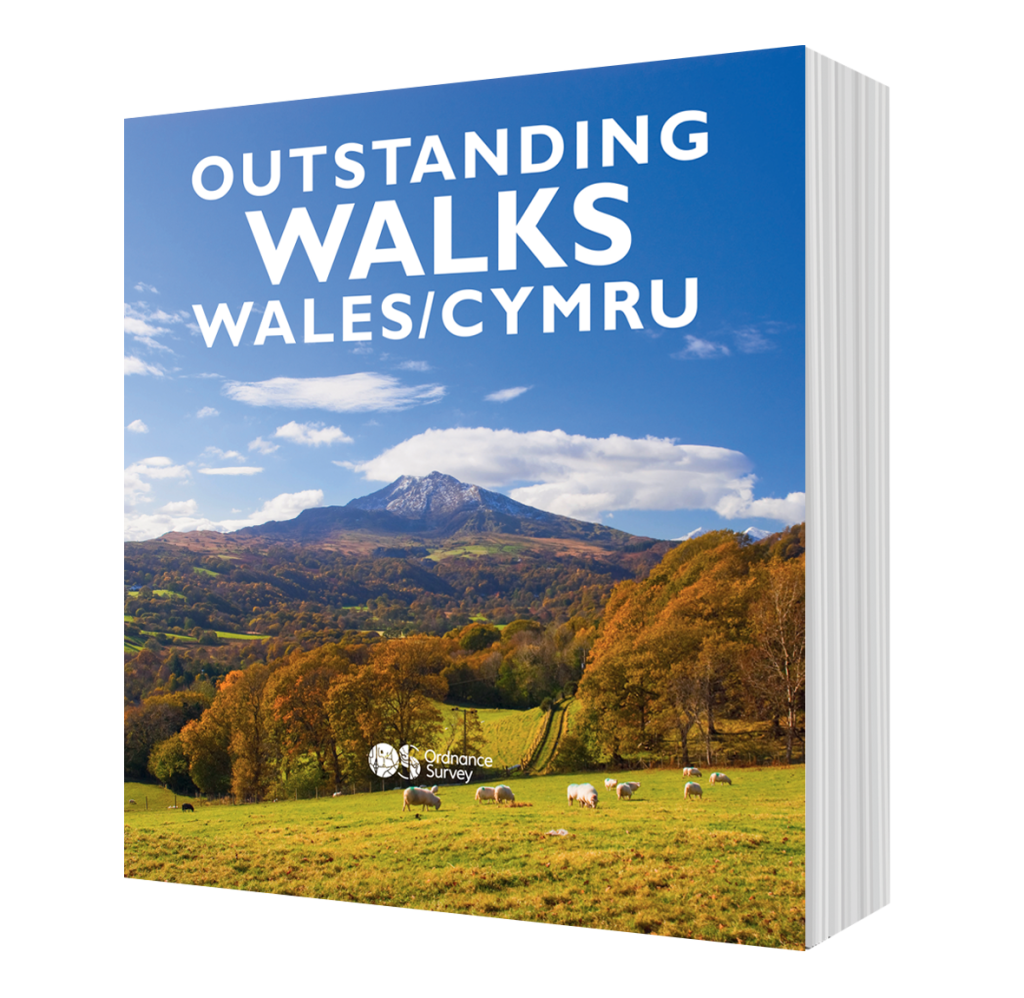
Our brand new book, Outstanding Walks Wales brings together 60 of the nation’s most rewarding routes, chosen not just for their scenery but for the stories held in the land beneath your boots. The book sits within the growing Outstanding Walks series, celebrating the best of walking across the UK and helping more people find confidence while out hiking.
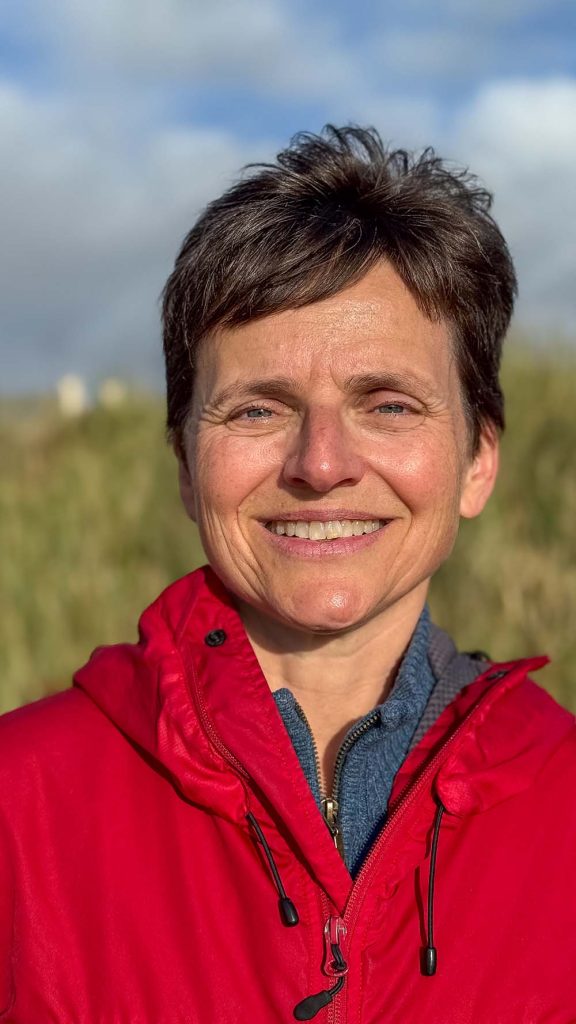
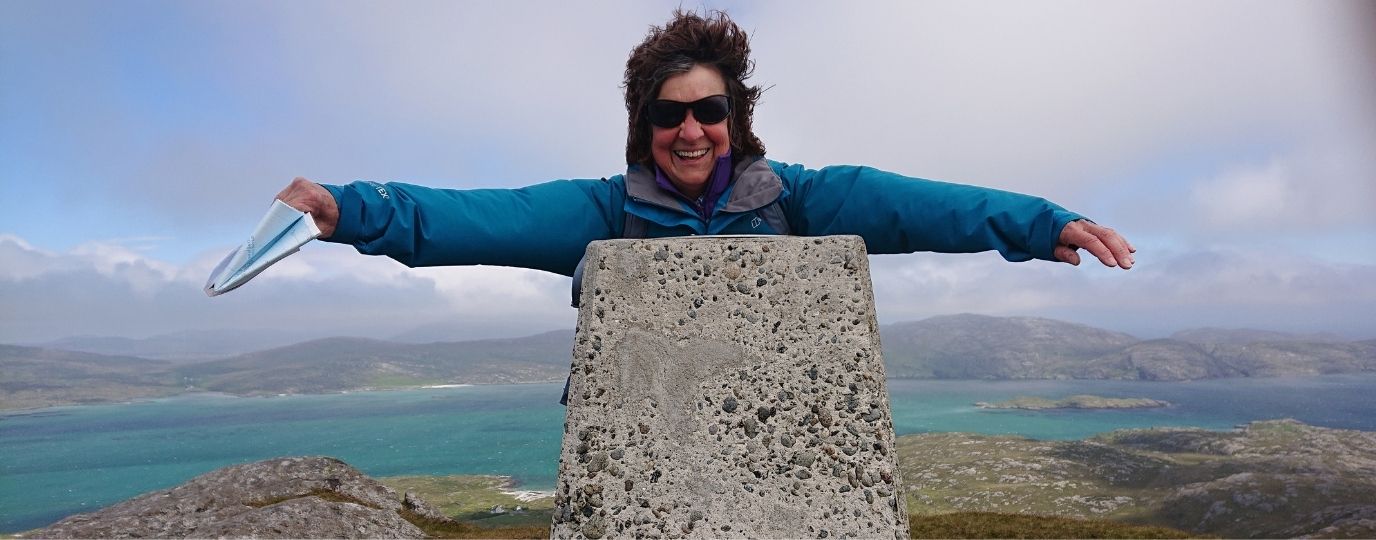
To learn more about the inspiration behind this fantastic new book, I spoke with the author Julia Goodfellow-Smith about the experiences and ideas that shaped the book. Julia is an environmentalist and author whose work champions adventurous living and caring for the planet. Her solo walk along the South West Coast Path sparked a series of books, including walking and cycling guides and titles in her bestselling Live Your Bucket List series. She now writes, hikes and speaks about the joy and value of exploring the outdoors.
In the interview below we talk about the life-changing moment that set her on a more adventurous path, how her background in environmental management influences the way she researches routes, and why Wales remains her spiritual home. She also discusses solo walking as a woman, favourite memories from her time exploring the country, and her advice for anyone wanting to take on more adventurous walks. Along the way, she reflects on how walking culture is changing and what we can all do to protect the landscapes we love.
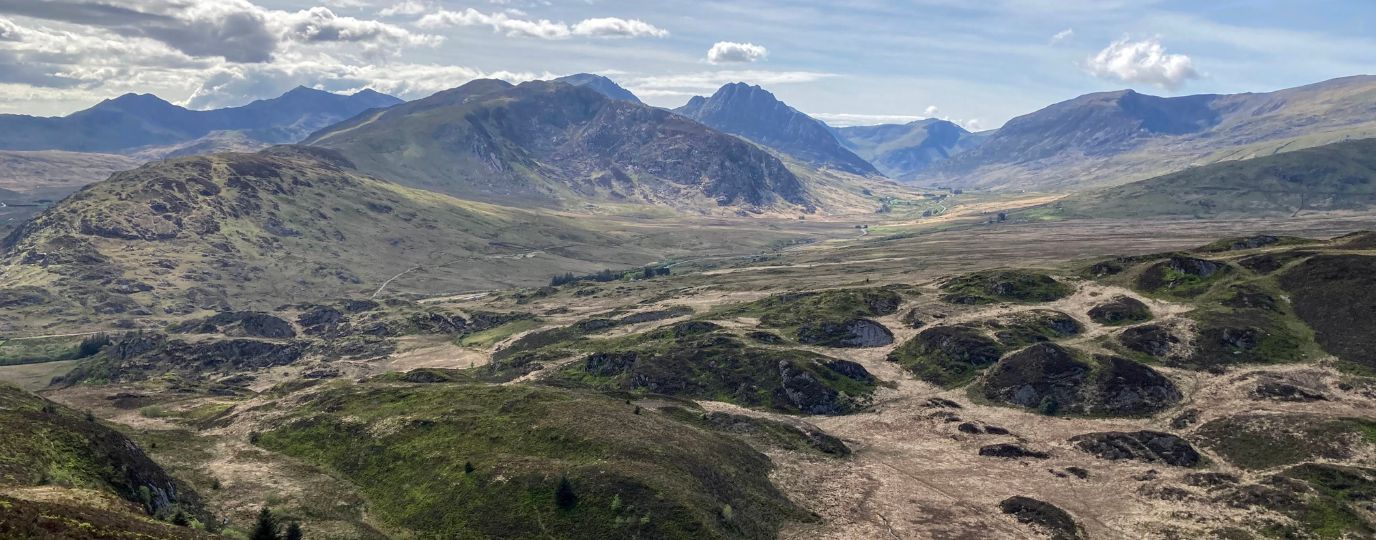
Best Beginner Hikes in Eryri (Snowdonia)
Beginner hikes in Eryri! Hilary Pullen, North Walian and Editor of OS Maps Discover has picked some great beginner hikes to try in Snowdonia!
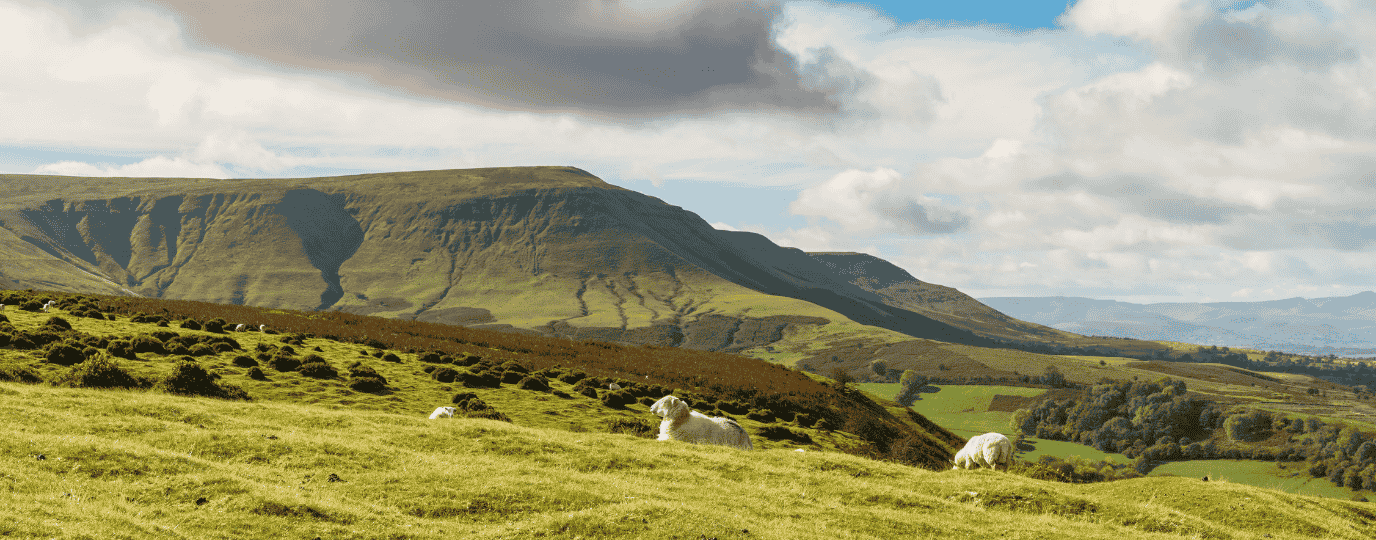
Best Hikes in Bannau Brycheiniog for Beginners
Perfect routes for beginners in Bannau Brycheiniog National Park (The Brecon Beacons)
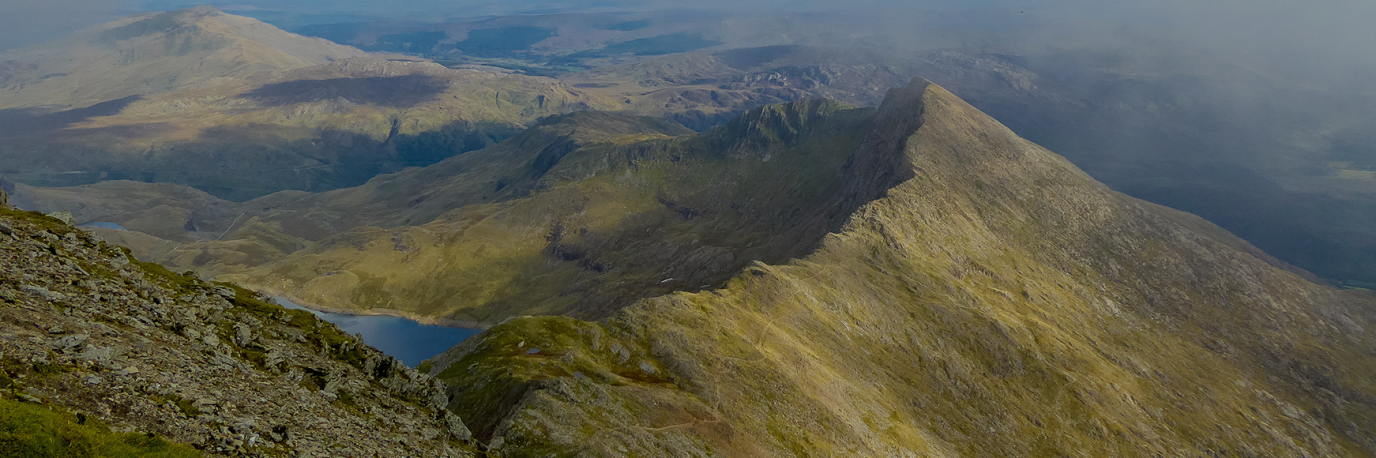
Yr Wyddfa (Snowdon): Routes to the top
There are many routes to the top of Snowdon (in Welsh ‘Yr Wyddfa’) with some big paths that can get crowded and some lesser-trodden trails. Here’s all you need to know about the routes up Snowdon.
At 50 you made a bold decision to live more adventurously, what sparked that turning point, and how did it shape the path you’re on now?
I had just turned 50 when I started coughing. Just lightly, at first. Over a month or so, the coughs became huge, galumphing, exhausting episodes. My husband and I holidayed on Mull; he has always loved Scotland like I have loved Wales. On one walk, we saw Otters, a White-tailed Eagle and a Golden Eagle. From the top of a hill, we watched several herds of Red Deer rutting in the landscape below us. It was heavenly. Until just a few miles into the walk, when my legs started to refuse my brain’s request to move me forward. ‘I’m sorry, Mike, I need to rest.’
I staggered down to a narrow beach, Mike holding my hand tightly. Finding some dry sand, we sat down and I laid with my head on his lap. He ignored his numbing legs as I slept for a full hour before I felt strong enough to move again.
For a month, the doctors told me it was just a cough and would pass in a couple of weeks. Then, I was referred to a consultant and the tests started. My days consisted of waking, travelling to work, trying to hold it together for a full day at my desk and travelling home again. Mike had dinner on the table for me when I arrived home. I ate, went to bed and slept until the next morning. On Saturday, I would wake, have breakfast and crawl back to bed, exhausted, and sleep for the rest of the day. And on Sundays, I would do my best to do something other than sleep. My request to work from home a couple of days a week was refused.
This was no way to live. Eventually, as the symptoms eased, I was finally diagnosed; I had been suffering from whooping cough. Luckily, I would not suffer any long-term consequences of the illness. But – and this was the turning point in my life – during the investigations, the consultant had noticed that my lungs were not working as they should. ‘You have restricted pulmonary function and will be susceptible to respiratory illness later in your life.’
‘So,’ I thought, ‘if that’s the case, I’d better get on and do the things I want to, and do them right now’. I could always revert to office work later if I needed to, or if my lungs let me down.
I decided – with the support of my husband – to embark on a life of adventure and make the most of my health while I had it. And, of the myriad things on my bucket list, the one that leapt out at me was walking the South West Coast Path. I had neither hiked nor camped on my own before; it would certainly be an adventure.
I had plenty of opportunity to prepare – it was 2020, so I was forced to bide my time. I had a few adventures in the planning phase: hiking on my own for the first time; camping on my own for the first time; learning how to pitch my tent so I didn’t get wet; finding out the scary way what sort of stove I did not want to rely on; waking up in terror hearing a fox barking loudly just outside my tent, and in even greater terror hearing a poacher shooting near my tent in the middle of the night.
During my South West Coast Path adventure, I learnt that I love hiking on my own sometimes. I love the headspace that long-distance walking gives me, the simplicity of just walking, eating and sleeping, admiring the view and trying to keep warm as autumn storms whip across the country. The responsibility of making decisions on my own, with no one else to refer to, and the confidence that gave me.
I learnt that adventure does not have to take place in some exotic country and involve risking your life; it just needs to be challenging and exciting for you. And for me, it supercharged my love of hiking and walking, taking it to another level.
Without whooping cough or that conversation with the consultant, I would never be doing the work I am now, writing about hiking and adventure, and heading onto the trails at every opportunity I have.
Before becoming an adventurer and author, you worked extensively in environmental management. How does that background influence the way you research routes and write your walking guides?
When I research routes and write walking guides, I am always looking for the best possible walk for readers. If I can start or finish the walk near public transport, I will, but it is not always possible.
Most of the routes in Outstanding Walks Wales are already in the Pathfinder Guides, so for this book, it was more about choosing walks than creating them myself. One of the things I love about this book is how much scope there was to include information about each walk, rather than focusing on turn-by-turn directions. This gave me an opportunity to do one of my other favourite things – poke around to find interesting stories to share, whether that’s through a historical, landscape, environmental or social justice lens.
When travelling to research my books, I usually tour in a campervan, which has environmental advantages and disadvantages. I am always respectful when choosing where to park and what to do with waste, and plan driving routes as efficiently as possible.
One change I have made recently is to avoid wearing technical clothing when it is not needed. I usually walk in stretchy leggings to give my legs full range of movement, but am more inclined to wear cotton and wool on my top half now, when I am on a low-level, single-day walk. I would love to explore more sustainable options for hiking clothing – any suggestions would be gratefully received!
Have you ever found solo walking in the hills daunting as a woman, and what advice would you give to women who want to start hiking but feel anxious about safety?
Absolutely. As a female child, you have it drummed into you from an early age that it is not safe to be out in the big bad world alone. You are walked home from nights out. You are asked to call when you get home. You buy rape alarms – and these days, have attack apps on your phone.
It was not until I decided to walk the South West Coast Path that I even considered hiking on my own. I was lucky to start my solo walking journey on the Malvern Hills, in an area with one of the lowest crime rates in the country. Still, at first, I would always check behind me to make sure no one had seen me head from the residential areas onto the hills, especially when it was dark (I love walking in the dark!). My heart would pound, and I would check again a little way in to my walk.
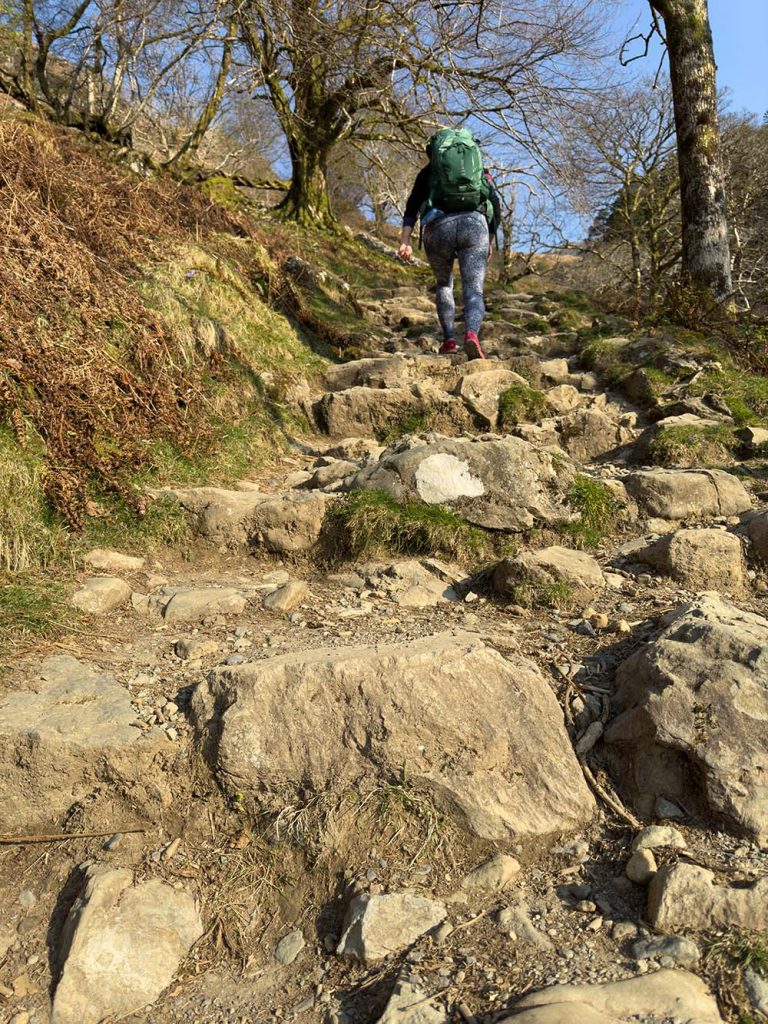
Now, I stride out with confidence and, while still aware of what is going on around me, I refuse to let fear rule my life. As I have aged, I have become more shirty in this respect: men need to learn to behave better; women should not have to amend their behaviour to stay safe from them, and they certainly should not have to curtail their enjoyment of hiking to do so.
I have never found any statistics about the number of women attacked on trails. I know it happens, and we cannot be complacent, but fundamentally, I feel the risk is lower than in many places we walk.
I love the time I spend alone on the trail.
What’s your personal connection to Wales, and what made it the right landscape for your latest walking book?
When I was a child, we holidayed every year at a farm in Cornwall. They had a bull called ‘Oxo’ and fluffy chicks incubating in their kitchen. I learnt what a Cowslip was and how mucky a farmyard could be. I loved it there, but the farmers started to find their B&B too much to run. One year, they stopped offering evening meals. The next, they closed completely.
My parents had to find somewhere else to take us. For the next two years, we holidayed somewhere in South Wales. It was my first introduction to the country, and it was not always good on the surface: my memories include being shut in the farmhouse kitchen with a ferocious farm dog, seeing the largest slugs I could ever have imagined and being stampeded by a herd of cows as I ran across one of their fields. Despite these experiences, I started to fall for the country.
After this, my parents started to take us to the same place every year, a holiday complex between Machynlleth and Aberdovey. I was smitten. Here was a country, not that far from home, that had rivers, waterfalls, lakes, mountains, and oh, what a coastline! On every visit, my love for Wales grew.
I knew nothing of Wales’ history, and nor was I interested back then – history did not float my boat in any guise. I just knew I loved being here, and that someday I wanted to live here. I had found my spiritual home. I am delighted that Wales is now my actual home, and that I have the opportunity to write books about my adoptive country, encouraging others to explore and enjoy it as I have had the privilege to do. I understand more about the country’s history; understand why the English might not be welcomed. But I have never seen any sign of that on the ground. Every Welsh person I have encountered has been kind and helpful, and happy to share their wonderful country with visitors.
Researching the book must have taken you through some truly stunning places, do you have any favourite memories from your time exploring Wales, and what for you, makes walking in Wales such a unique experience?
For a small country, Wales packs a big punch; the fabulous coastline, mountains, lowlands, wildlife, archaeology and history all combine to make this a unique and wonderful place to explore.
My parents first took me up Cadair Idris as a teenager. Despite being very sporty, I remember my legs wobbling crazily on the way down. Twenty or so years later, shortly after meeting my husband, I climbed it in low cloud; conditions you need to be able to deal with if you choose to walk on British mountains. And I climbed it again to research this book.
While walking along the ridge, enjoying the blue skies and solitude, I turned my ankle. I quickly sat down, wiggled my foot around and had words with myself. I often talk to myself when hiking, telling myself I’m strong and can do this, or reminding myself, as I did on this occasion, that I did not want to have to call out mountain rescue on my first solo mountain hike (or ever!).
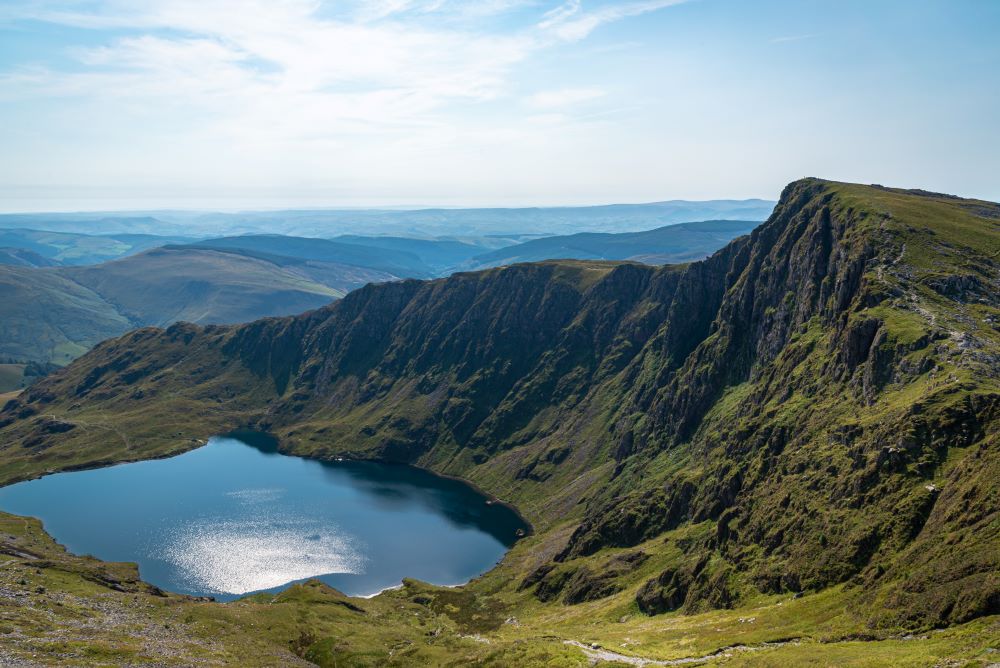
After a few minutes, I stood up with my weight distributed between my good leg and walking poles and gingerly lowered my foot on the injured side to the ground. I leant into it just a bit. It held. Put my full weight on it. It held. Slowly, carefully, watching the shape of the ground like a hawk, I took a few steps. It was good to continue. With relief, I continued to the summit and returned safely to my car.
It was my first ever solo hike up a mountain, and I love this new-found confidence to give things like that a go on my own. The sun shone on my face and in my heart; it was a glorious day!
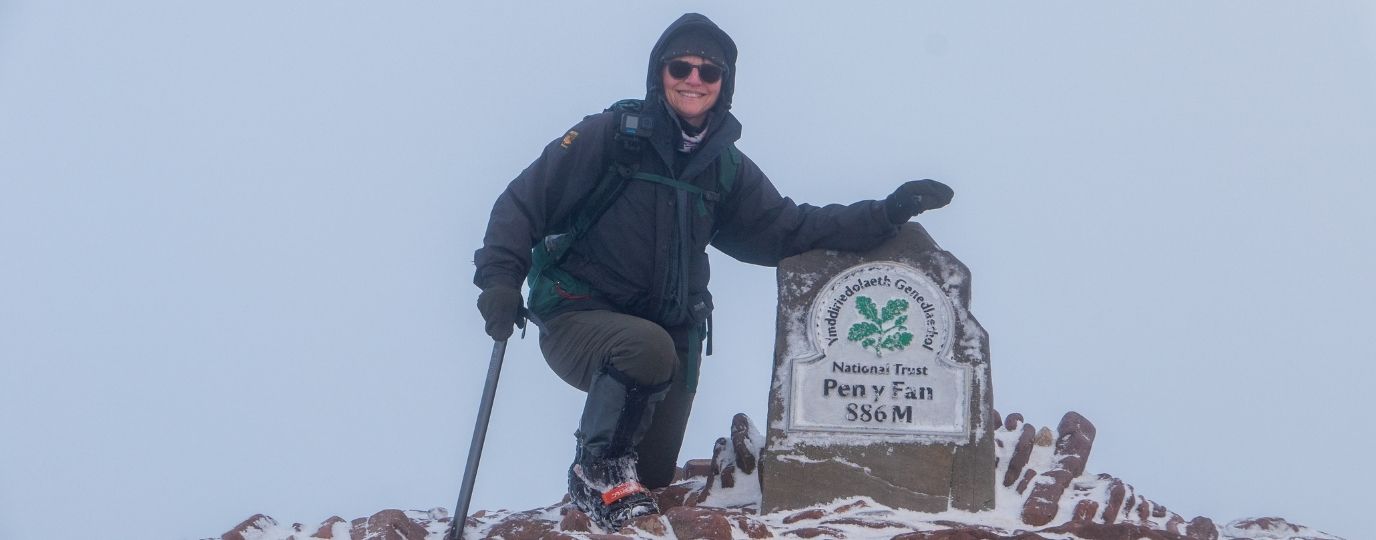
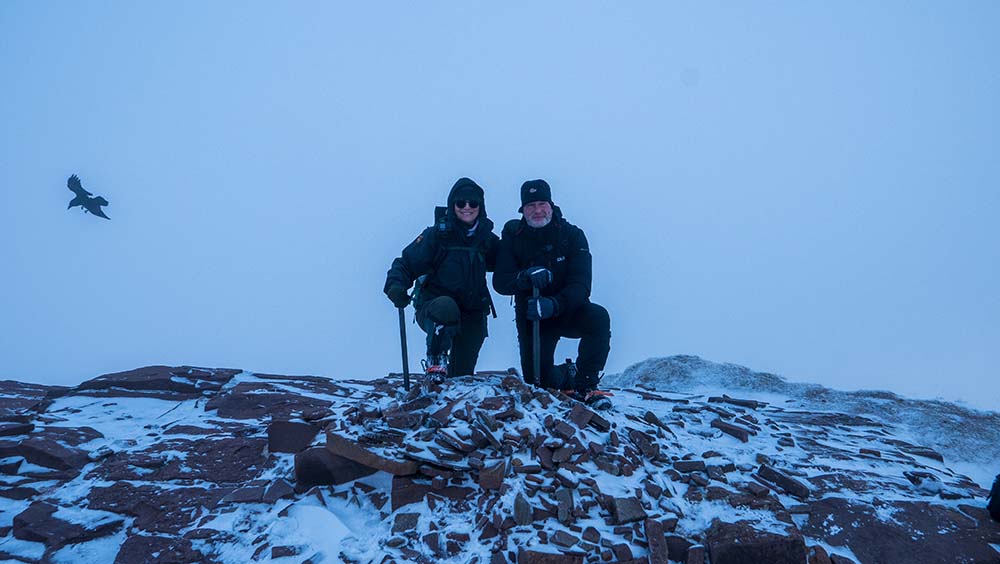
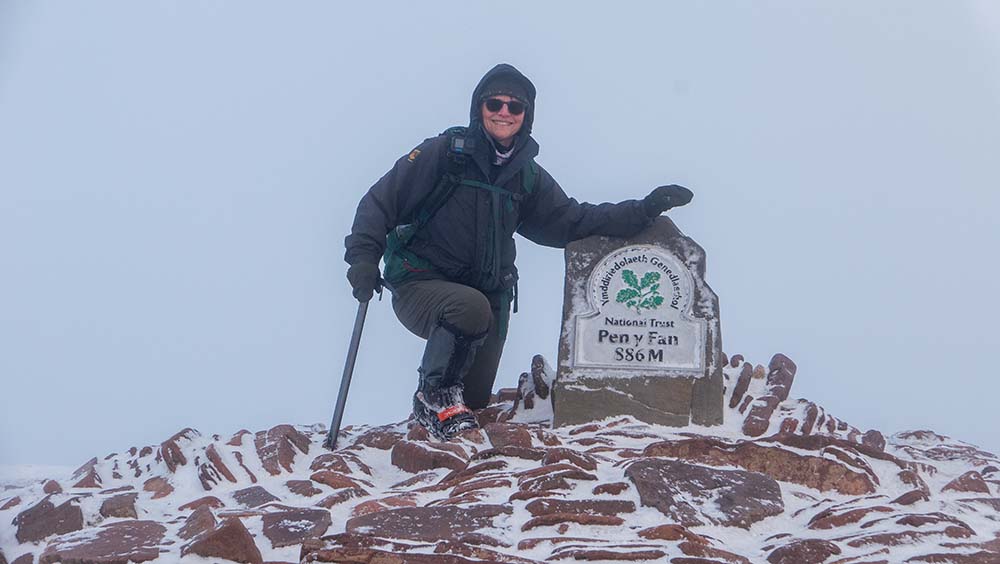
As I was given this book commission over the winter, I was determined to get some snowy photos. I am not very experienced at hiking in such wintry conditions, but I invested in a pair of micro-crampons and an ice-axe and lined up my husband Mike – who is far more experienced – to walk with me when the weather conditions were right. I watched the weather forecast like a hawk. It was the driest winter we have seen for a while, which was great for my other photos, but not brilliant for catching snowy scenes. I desperately needed a combination of a cold spell, precipitation and then enough sun for photography. I watched and waited. And then, eventually, it happened. The forecast looked perfect. We packed our bags and left our house early so we could make the most of daylight, and set off from the car park in the morning gloom to walk the Brecon Beacons Horseshoe.
It was not long before we needed our micro-crampons to cross an icy slope. A little after that, the snow started to fall. The flakes grew in size and frequency until the view was shrouded. We slogged on. And, at times, it certainly was a slog, through snow that was settling quickly. Every time a glimmer of light broke through the cloud, I whisked my camera out for photos, slowing our progress and numbing my fingers.
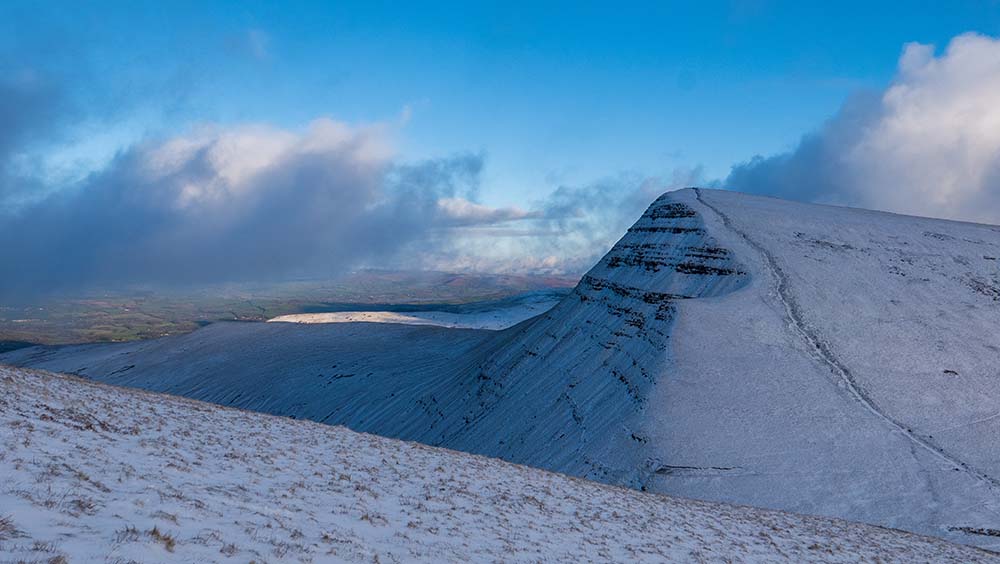
Up and up and up we climbed; it’s a relatively small climb, but it did not feel small that day, with our heads down and the snow building up. Over Cribyn, down to a col and up the other side, we were near to the summit of Pen y Fan when the clouds lifted and the sun shone through. I turned, appreciating the chance to stop for a moment to catch my breath – and the view took away what remained of it. The photo on page 81 of Outstanding Walks Wales is the one I took at that moment and will forever remind me of my first snowy hike in the Welsh mountains.
If someone wanted a perfect introduction to Wales using your book, which three routes would you recommend and why?
This is a totally unfair question. It isn’t possible to showcase all Wales has to offer in three walks, and I have way more than three favourites. But, if I was pushed, I would choose one on the coast, one in the mountains and one with archaeological or historical interest.
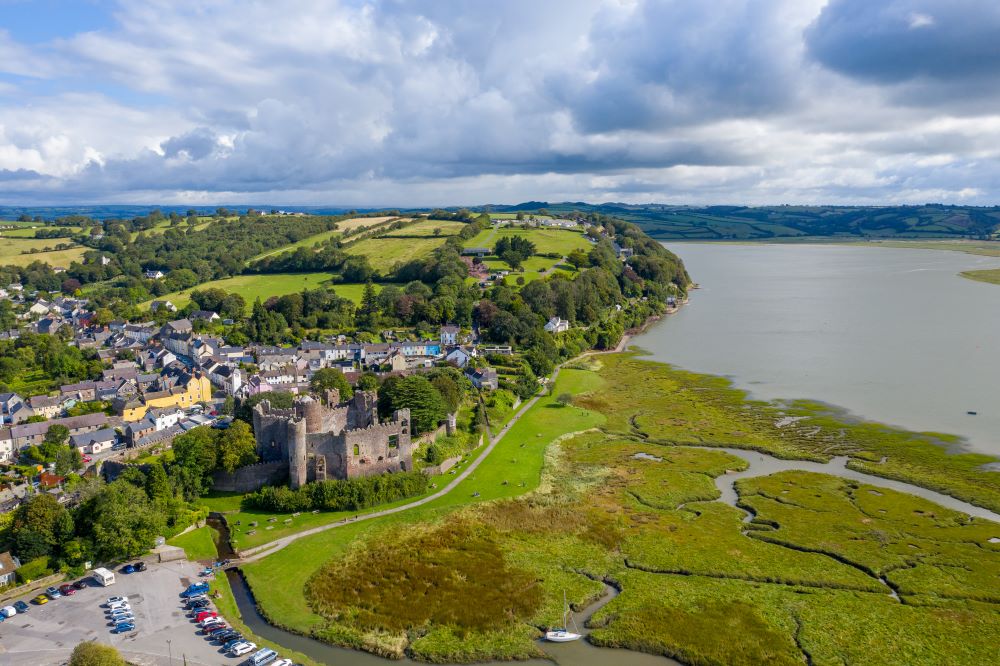
Laugharne and the Taf estuary (walk 22) is one of my favourite coastal walks because it encompasses cliffs, a castle, a sandy estuary and the sparkling water of Carmarthen Bay – and it’s not far from home!
Cadair Idris (walk 37) has long been a favourite mountain walk. For me, it is a Goldilocks mountain: big enough to be challenging, yet small enough to be doable; and busy enough to not feel like you are on your own, yet quiet enough not be in crowds at the summit. And on a good day, the views over the surrounding mountains, valleys, lakes and coastline repay the effort of the climb many times over.
In researching this book, I was surprised to find such impressive archaeological sites as St Lythans and Tinkinswood Burial chambers (walk 2) that I had never heard of before. Wales is chock-full of fascinating archaeology, and this walk offers a fantastic introduction, within a stone’s-throw of Cardiff.
What advice would you give someone of any age or gender who wants to start tackling more adventurous walks but isn’t sure where to begin?
That all depends on personal preferences. A good place to start would be using Outstanding Walks Wales as a guide. Flick through to find some walks you’d like to tackle. Start with those in your comfort zone and build up to more adventurous walks on long spring and summer days. You will soon work out what walks are more challenging for you in terms of length and height gain.
Make sure you are well-equipped if you are heading into the mountains, able to deal with the weather conditions you are likely to encounter and have plenty of daylight in which to complete your walk. Take plenty of food and water, a first aid kit and one more warm layer than you think you are going to need. Consider carrying a backup battery for your phone, particularly if you are navigating with it. And consider carrying a map and compass, too. I also almost always carry a waterproof jacket, even if the forecast is fine – this is Wales, after all.
How have you seen walking culture evolve since you first started hiking?
I see a wider range and greater number of people on the trails these days, particularly on popular routes in the hills. I suspect that a combination of phones with cameras, social media and walking apps like the OS Maps app has driven this change, encouraging more people to access our countryside. I see it as a form of democratisation – some of the barriers to countryside access have, thankfully, been broken down. However, sometimes, those new to hiking clearly do not understand the risks and are unprepared for things like slippery footpaths, inclement weather and accidents. When hiking in the snow last winter, taking photos for Outstanding Walks Wales, there was a group of young men on Pen y Fan wearing normal trainers and nothing more than hoodies to keep them warm. I loved seeing how much fun they were having; now we need to find a way to help those new adventurers stay safe.
With your passion for sustainability, what do you think we can all do to better protect our natural landscapes while enjoying them?
The obvious suggestion is to walk close to home and use public transport to reach the start of your walk. However, that is often not practical in rural Wales. Following simple rules such as staying on the path where there is one helps to reduce erosion. Packing lunches and drinks in reusable containers and taking all your waste home with you also helps.
Find out more about Julia on her Instagram page @juliagsauthorspeaker and her website www.juliags.com
EXPLORE THE
OS Shop
We are with you every step of the way. Shop our trusted walking and hiking maps and guidebooks so you can explore the outdoors with confidence.
Go to the shopGet Your Copy of Outstanding Walks Wales
By Hilary Pullen
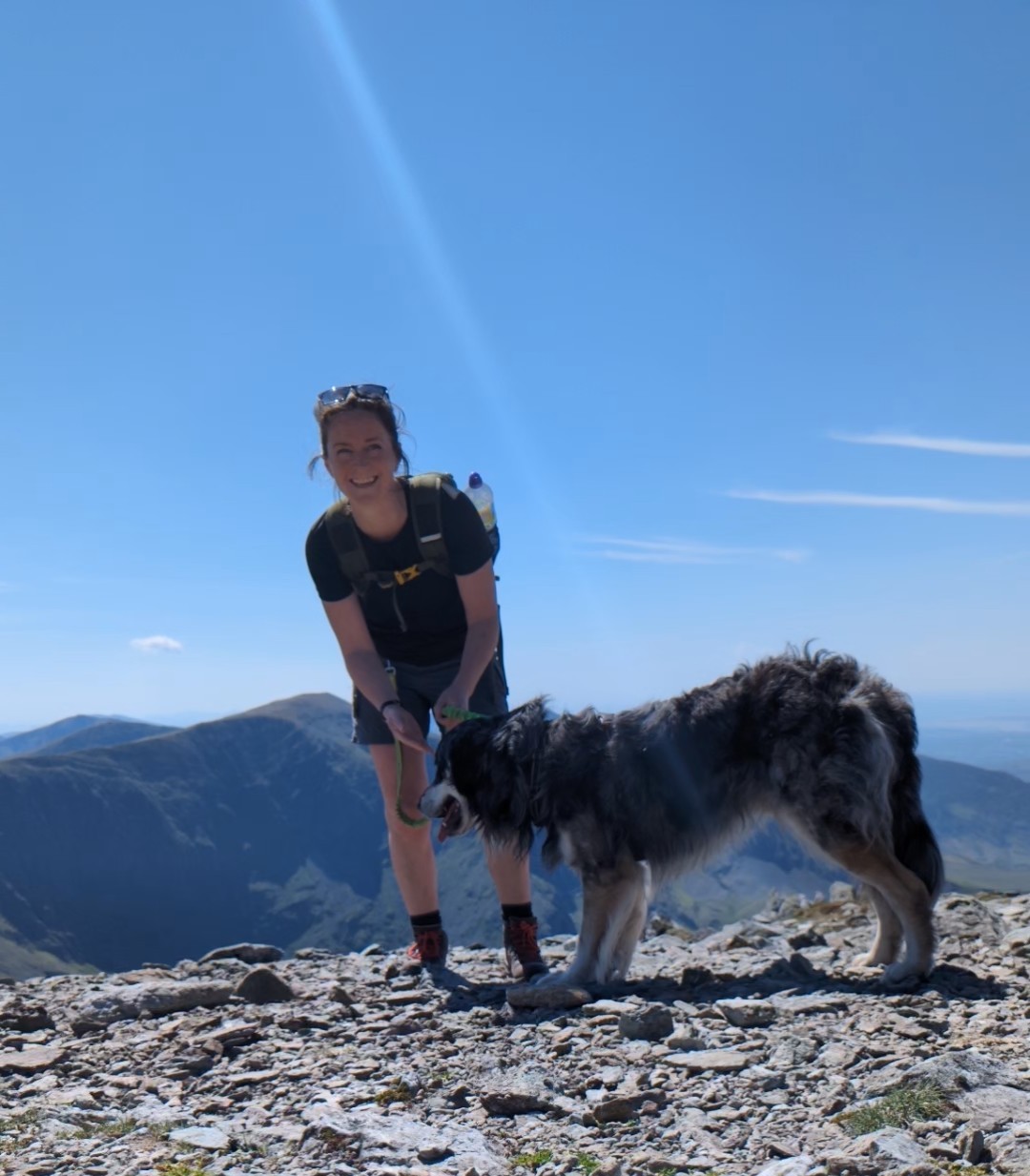
Meet Hilary, Editor of Get Outside – the Ordnance Survey Blog. Hilary is based in North Wales and loves hiking with her dogs in the mountains of Eryri and Bryniau Clwyd, you can find her on Instagram @nearlyuphill and read her guides to walking in North Wales on her blog. Drop her an email hilary.pullen@os.uk if you are interested in posting an article on Get Outside.