Hiking and Fibromyalgia: Walking Back to Happiness (and Health)
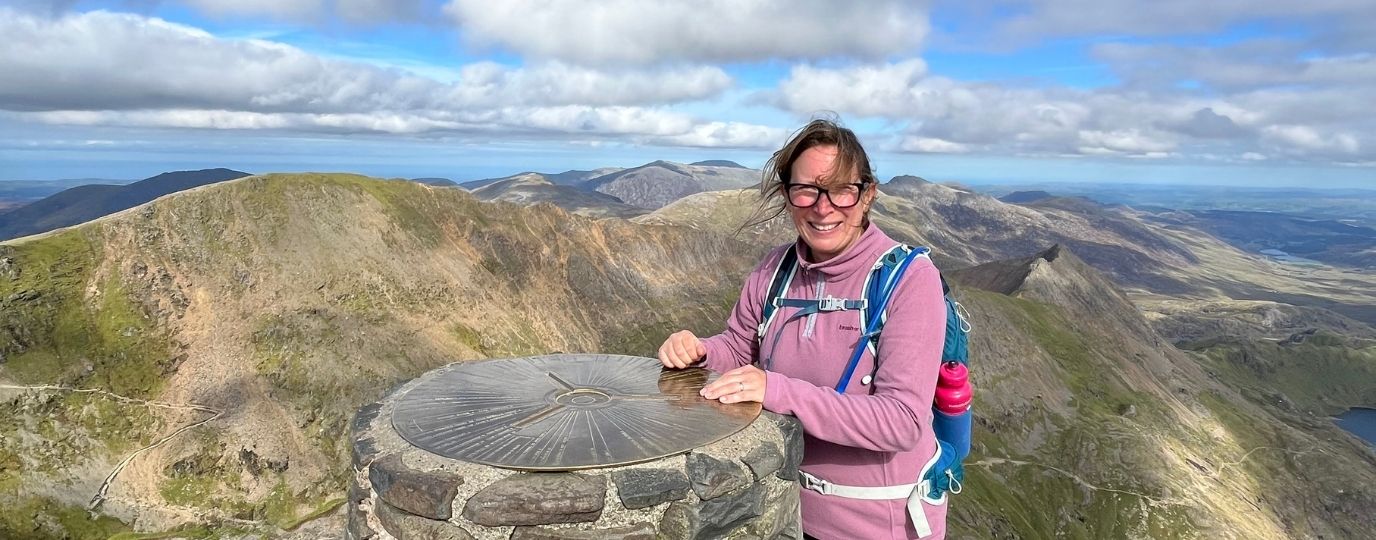
I turned 50 last year and to celebrate I set myself the challenge of walking up 50 mountains in a year. To hit the magic number, I walked up Snowdon/Yr Wyddfa and three other peaks in a day, something I could only have dreamt of doing for years before. Having had a condition called ‘fibromyalgia’ for more than 20 years, I haven’t always been able to walk at all let alone up four mountains in a day.
What is Fibromalgia?
Fibromyalgia is a chronic pain and fatigue condition that affects about 5% of the population in the UK, or 1 in 20. It occurs a lot more often in women than men and affects people of any age, though it usually starts between the ages of 25 and 55.
As well as debilitating pain and fatigue it can affect many other parts of the body and symptoms often include IBS, depression, headaches, migraine, cognitive difficulties, allergies, sensitivities, and non-refreshing sleep.
My Fibromalgia Story
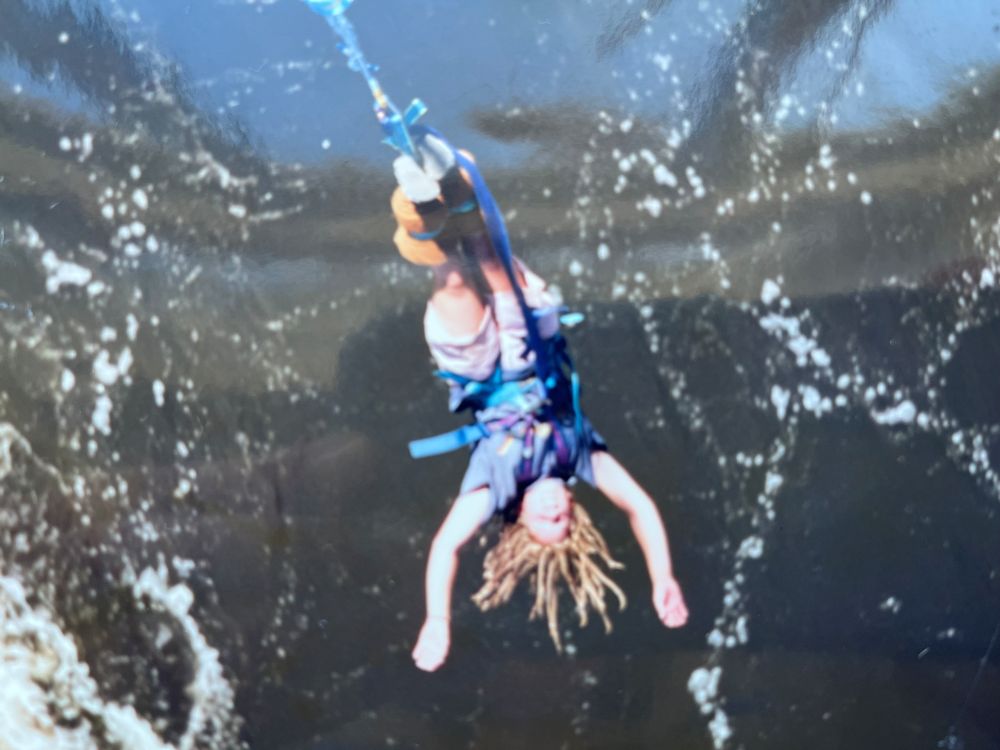
Before having fibromyalgia, I lived life to the full. I’d studied economics in Edinburgh, worked in finance, and done a Master’s degree in London, and I’d spent time in Nepal, Zimbabwe and South Africa travelling, hiking and volunteering. When I was first ill, I was working for an overseas development consultancy in Brighton, and spent my free time playing squash, walking on the South Downs and enjoying Brighton’s night life.
At Christmas 2003, I got a bad cold. I didn’t think much of it but from that time onwards I’d go to bed and wake up tired. I thought I needed to tire myself out more to force my body to get refreshing sleep, so I added jogging to my already pretty full-on life.
Amazingly (!) that didn’t help and a few months later things had developed into a really bad chest infection. I was coughing up handfuls of phlegm, and I couldn’t walk more than a few feet without struggling for breath. The doctor gave me various antibiotics, but nothing worked, and later that year I reluctantly moved back to my parents’ and started trying to find out what was going on.
Luckily for me, I was diagnosed quite quickly, it often takes several years. I saw a few specialists who ruled out lots of other illnesses and a rheumatologist confirmed I had fibromyalgia, of course I’d never heard of it before. I can remember the follow-up appointment with the GP, he gave me a printout and told me I’d be ill for the rest of my life, I was 28.
What we know about Fibromyalgia
Nothing turns up on any tests or scans. I’ve had every inch of my body looked at with MRI scans, CT scans, and blood tests and there’s no physical damage anywhere. Fibromyalgia is not a progressive illness, it’s not life-limiting, but it does have an enormous impact on your quality of life. Recent studies point to it being a nervous system disorder, resulting in altered pain processing, with the immune system playing a role in it.
These days I wake up like a 7-year-old most mornings, dancing in the kitchen before breakfast is pretty much standard. It is SO exciting to be as well as I am. But when I was first ill, it could take me about 8 hours to shower and dress myself. I can remember heaving myself up the stairs to bed and collapsing on the floor. Often, I was too weak to brush my hair or hold a fork and feed myself. The fatigue is extreme. Some people can’t get out of bed for weeks.
Realising that this condition could take over everything positive in my life was tough…
“I’ve always loved walking. It clears my head & resets anything negative. ‘Developing’ fibromyalgia (as it doesn’t just appear overnight) was unimaginably hard as it took away my usual routine & reset button. Realising that this condition could take over everything positive in my life was tough, but I’m determined it won’t. I’m back to walking, not yet as I was but I will!” – Emma Jacobs, Member of Fibro Walkers
And the pain is off the scale. At the same time I was getting my diagnosis a friend had her first daughter through Caesarean. She was given the same drug I was on only I was given a much bigger dose and was taking it for years. Your mental health is affected too, fibromyalgia takes so much away from you: work, social life, independence, income, friends, relationships, a future, hope, your sense of who you are. It didn’t always feel like there was a lot to live for.
Working through it, or not
I’ve managed to work full-time for about two years in the last 22. The last time I was employed I was carried out of the office by paramedics and that was the end of that. For years I had full body shutdowns which mimicked TIAs (Trans-Ischemic Attacks) – I was conscious, but I couldn’t respond – and every time I had one I was taken to hospital.
That was the second job I’d lost because of my health so in 2011, I decided to become a self-employed copywriter. And I loved it. I had some writing and marketing experience, and I was quite good at it if I say so myself. I had some big clients, and I got to do some really cool work for companies all over the world.
Most importantly I could I manage my time and did my best to manage my health, but my body threw some crazy stuff at me, like when I sat at the computer for too long and my neck froze to the point where my cerebellum was starved of oxygen. Which makes you throw up. A lot.
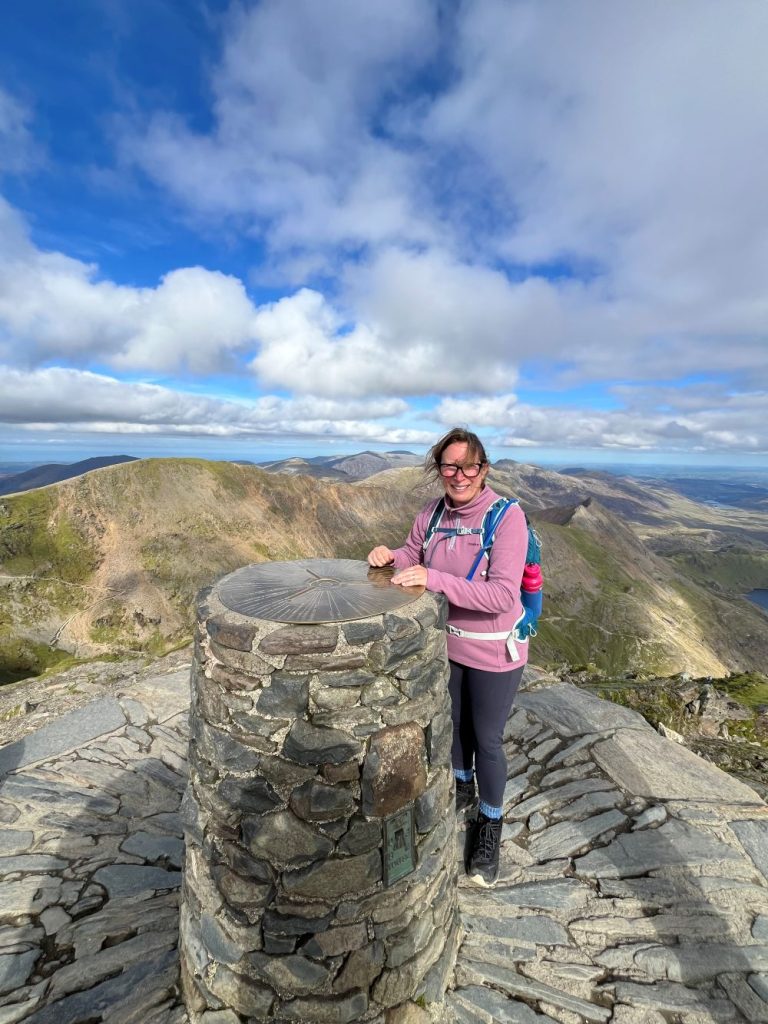
Resilience is a muscle
During Covid my work dried up, I drank a lot of wine and walked every day, like lots of other people. After over-indulging over Christmas and New Year, I woke up on January 1st 2022 and decided to lose weight, and I spent the year losing two stone. I loved the challenge of it and as December came around again, I wanted something else to focus on, so I signed up for a 50km Ultra Challenge in the Peak District the following July thinking it was the most stupid idea I’d ever had.
At the time I was walking a few miles on dog walks and the thought of walking 50km was ridiculous, but I wanted to try. I wrote a training plan increasing the distance gradually and followed it as best I could. There were setbacks along the way but apart from breaking myself on silly walks like the Edale Skyline, getting flu and labyrinthitis, my fibromyalgia wasn’t bothering me so much. In the end I managed it, I walked 50km! I was SO proud of myself there were tears, happy (slightly relieved) tears.
After the 50km I missed the training, working towards something and the sense of achievement – so I signed up to do a 100km ultra in 2024 and wrote myself a new plan. Doing the 100km was really tough, it took as much mental strength as physical. I had awful blisters (I couldn’t put shoes on for four days!) and unbeknown to me I also had Covid at the time (there were even more tears when I finished that time). But I didn’t crash or have any fibromyalgia pain or fatigue.
I can confirm that walking consistently, even short distances has had a positive effect…
“This year I have been paying more attention to my diet and lifestyle and my energy levels/pain. I keep a note of caffeine, food, alcohol, exercise and energy draining ‘things’ I do during the day. On the opposite page of my notebook, I note how I feel when I wake, how my energy levels and mood are on the following day. Firstly, I can confirm that walking consistently, even short distances has had a positive effect. No surprise there!” Fiona Walkers, Member of Fibro Walkers
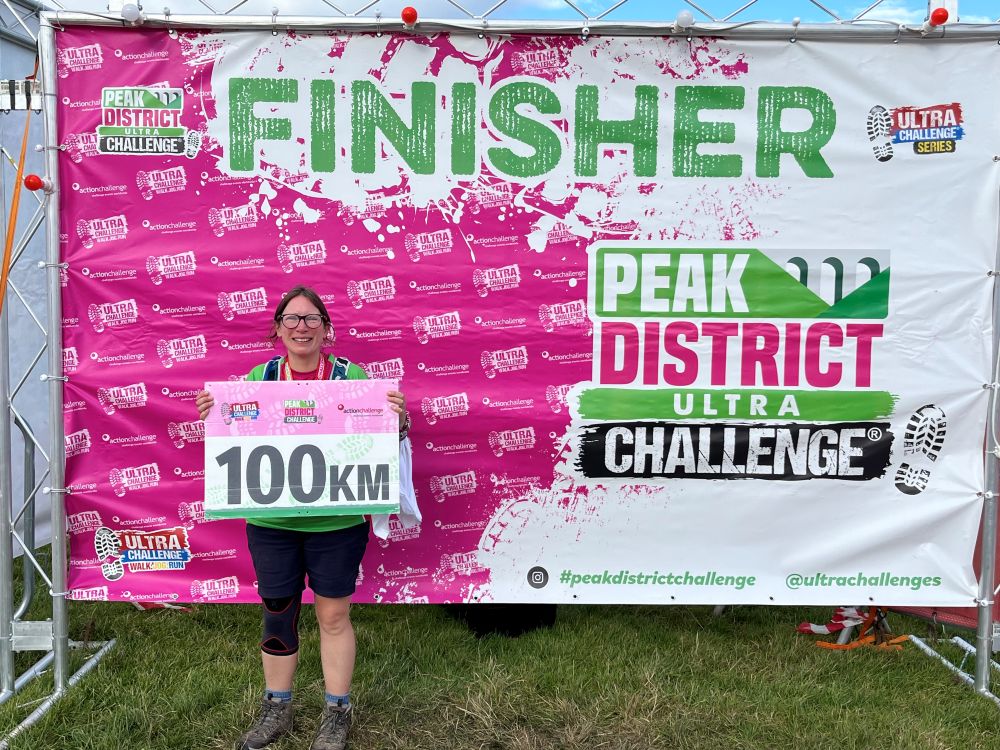
Healing through walking
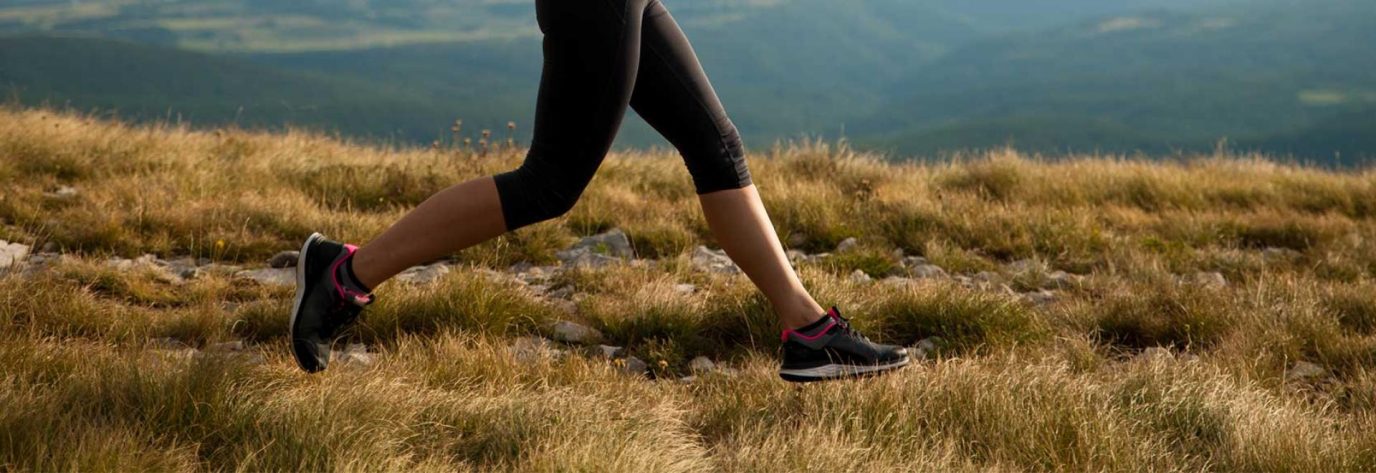
Walking has transformed my mental and physical health and helped me recover. For over 20 years I regularly couldn’t walk at all, now I haven’t had a day when I couldn’t walk for over a year, and I don’t have any pain anymore. The only time it hurt on my 50 peaks challenge last year was falling over coming down Moelwyn Mawr, but that was the rocks’ fault.
I find nature is the best healer…
“I find nature is the best healer. Even on the days when I have to force myself to go out for a walk, I feel better afterwards. It lowers my blood pressure, eases my breathing, strengthens my muscles, clears my head/brain fog and best of all it lifts my mood and puts a smile on my face. Even though the walking hasn’t healed my fibro, it definitely keeps me going and I intend to keep it up as long as possible. I am 67 now, so challenge is on” Waltraut Karina Puschendorf, Member of Fibro Walkers
The Benefits of Walking for Fibromyalgia:
- Conditioned muscles have less pain and stiffness
- Less fatigue and stress
- Sleep better, feel happier and more relaxed (thanks happy hormones)
- Enjoy being in nature and seeing amazing places (as well as meeting people and dogs)
- Lose fat and build muscle
- Better cardio health, less joint pain and better balance
Walking is mood enhancing…
“It is mood enhancing to get out and explore a bit of nature” – Kaz Melson, Member of Fibro Walkers
Walking transforms your mind too. It’s meditative, it’s one step in front of the other (it emulates Eye Movement Desensitization and Reprocessing [EMDR] apparently). It’s mindful, sometimes – a lot of the time on Crib Goch at the weekend – you’re 100% focused on where to place each foot. And you chat on walks; I chat to everybody.
You can spend 8 hours with someone and discuss all sorts, people are very open out walking, and you form a real connection. If you’re on your own you have all that time to think, to process thoughts, emotions and memories, or just be in nature, it’s therapeutic.
And it helps your nervous system calm down and your immune system relax.
Walking is part of healing…
“For me, a walk is part of my healing. Seeing nature alive fills me with life and joy”
– Jannette Valle, Member of Fibro Walkers
The question I’m asked most often is how do you do all these walks in pain? The answer is: I don’t. I don’t have any more pain than anyone else these days. If you work with your body and nervous system, build slowly, and tire yourself out physically rather than emotionally, you can get better. The last time I spoke to a doctor about fibromyalgia was in September last year and she said I show no signs of having fibromyalgia.
Tips for walking with fibromyalgia:
(Please speak to your GP or medical professional before changing your exercise routine)
1. Pace yourself. Pace yourself. Pace yourself.
Start with what you can do without it causing a flare – the distance/time isn’t important, not creating more stress on your body is.
2. Turn walking into a habit.
Doing small walks regularly is better for you than doing one big walk then nothing for ages. Consistency is key.
3. Make it enjoyable.
Meet a friend, go somewhere new, stop for a coffee. Make it fun so you want to do it.
4. Don’t overdo it.
You can only push when your nervous system is relaxed not when it’s stressed. If you get into the ‘overdo it – crash – recover cycle’ your body has to mend after every walk.
Walking is the best medicine…
“Walking and hiking, building strength, I’ve found to be the best medicine for fibromyalgia” – Collette Armstrong, Member of Fibro Walkers
The next chapter
Walking has changed my life and it’s become my life. I’m training to become a Hill & Moorland Leader so I can share my love of the great outdoors with lots more people. I’m also a volunteer on the BMC’s Hill Walking Committee and hope to contribute to their aim of making the outdoors more inclusive for people with health conditions and disabilities.
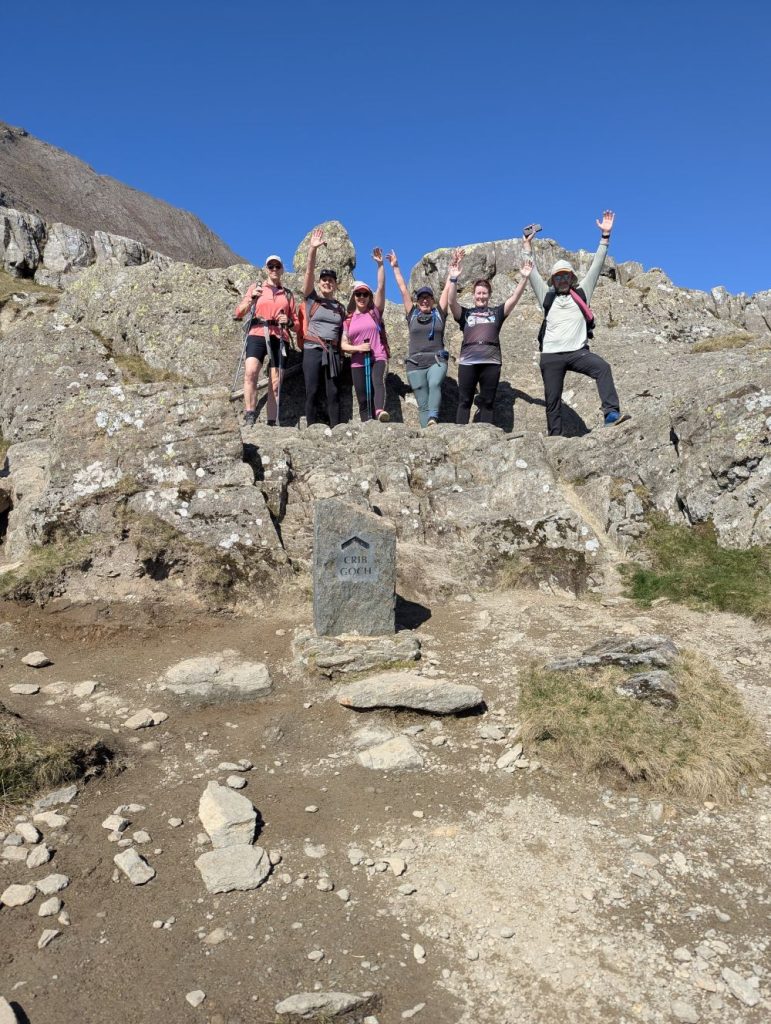
I want to use my experience to help other people with fibromyalgia. I run a Facebook group called Fibro Walkers where we share our walks and support each other. I want to show other people that done the right way walking can transform their health.
I’ve recently taken on the mighty Crib Goch in preparation for attempting to do the Welsh 3000’s (15 mountains over 3000 feet) in 24 hours in July. Plus, I’m doing the ridiculous Snowdon 6 Challenge (walking up and down Snowdon three times in a day) in June, I am totally addicted to hiking challenges.
To see how I get on follow me @fibro_walker on Instagram and if you have fibromyalgia and would like to start walking or walk more, please feel free to join the ‘Fibro Walkers’ Facebook group.
Happy walking!
Further Reading
Immune system involvement in Fibromyalgia
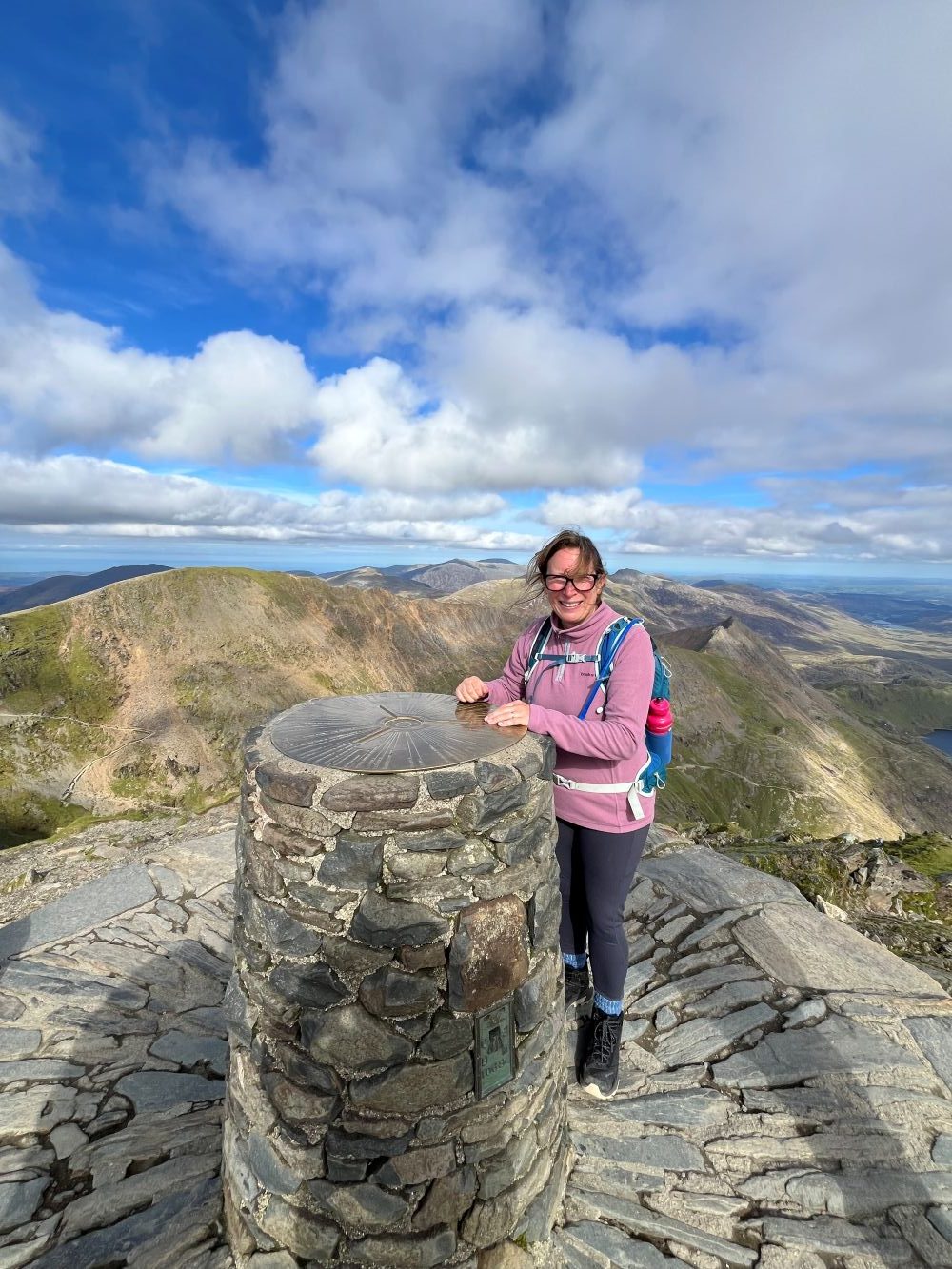
By Sally Mayor
I’m on a mission to help other people with fibromyalgia live happier and healthier lives through walking. I live with my wife and our crazy terrier in Derbyshire and spend a lot of time in North Wales too. I’m a volunteer for the BMC, an HML (Hill & Moorland Leader) trainee and I love dog walks, oat milk lattes and dancing in the kitchen.
You can follow Sally @fibro_walker on Instagram and if you have fibromyalgia and would like to start walking or walk more, please join the ‘Fibro Walkers’ Facebook group.