Could one in four items of litter disappear from the UK’s paths and trails?
There is something uniquely disappointing about finding litter on a walk. You might be following a beloved local footpath, tackling a section of a National Trail, or discovering a new route on the OS Maps App. Then, among the trees, beside a gate, or scattered across a viewpoint, you spot a discarded drinks bottle or crushed can.
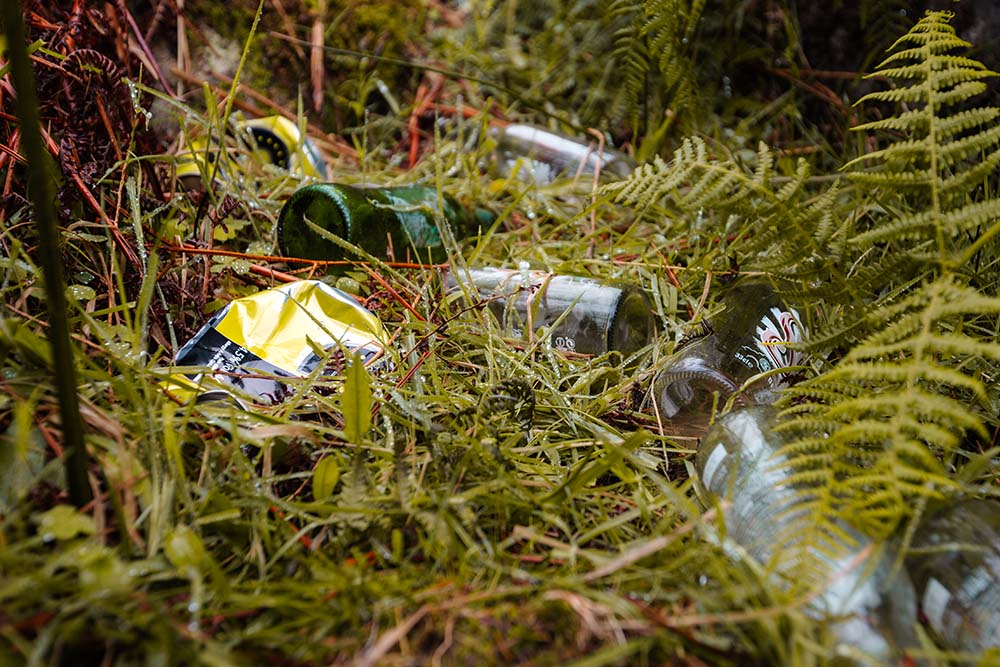
The good news is that this could soon become a less common sight.
New research from Trash Free Trails suggests the UK’s upcoming Deposit Return Scheme (DRS), launching on 1 October 2027, could remove millions of drinks containers from the countryside and reduce litter on the paths, public rights of way and outdoor spaces we all enjoy.
But while the scheme represents an important step forward, protecting our landscapes will continue to depend on the people who use them.
What is the UK’s Deposit Return Scheme?
From October 2027, a 20p deposit will be added to eligible drinks containers across the UK. When an empty container is returned to a designated collection point, that deposit is refunded. The scheme is designed to encourage recycling, reduce litter and keep valuable materials in circulation.
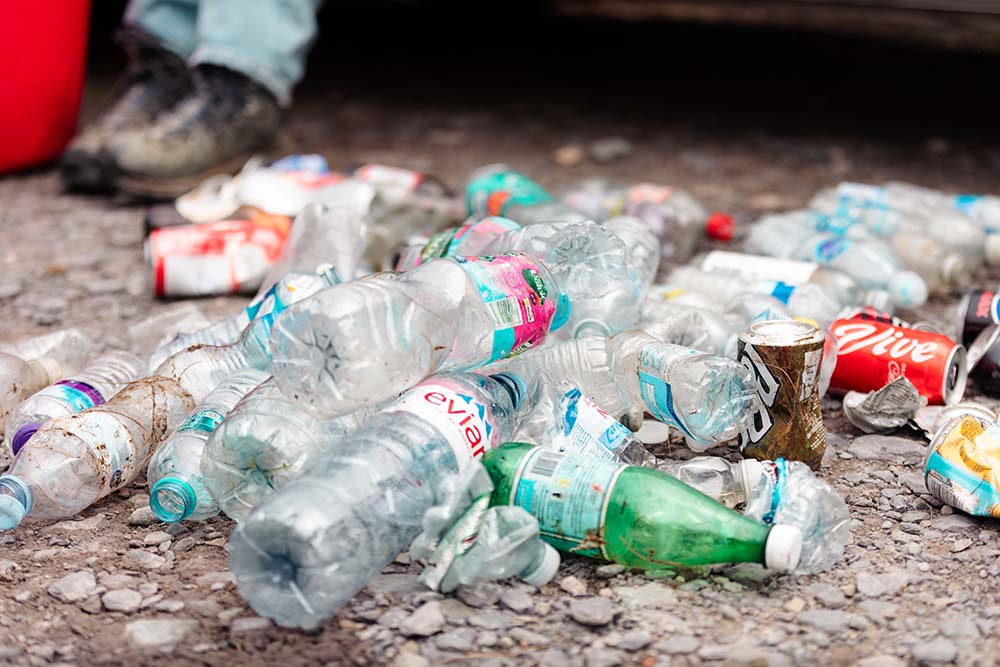
It applies to PET plastic drinks bottles, aluminium cans and steel cans between 150ml and 3 litres. In Wales, the scheme will also include glass containers. For walkers, runners and outdoor enthusiasts, the impact could be significant.
Why it matters for the places we love to explore
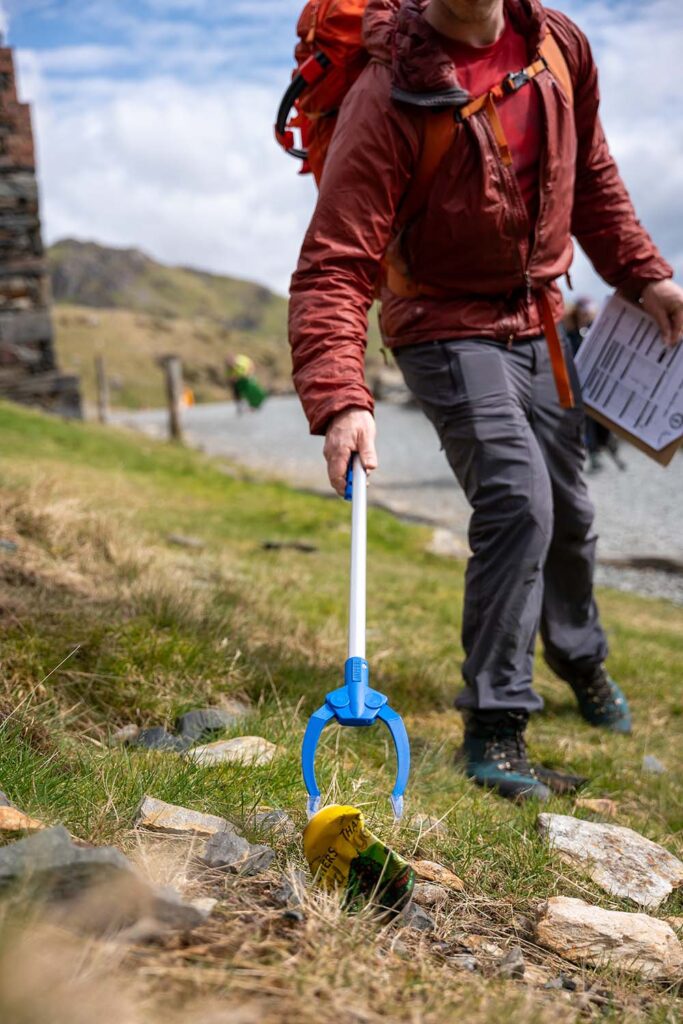
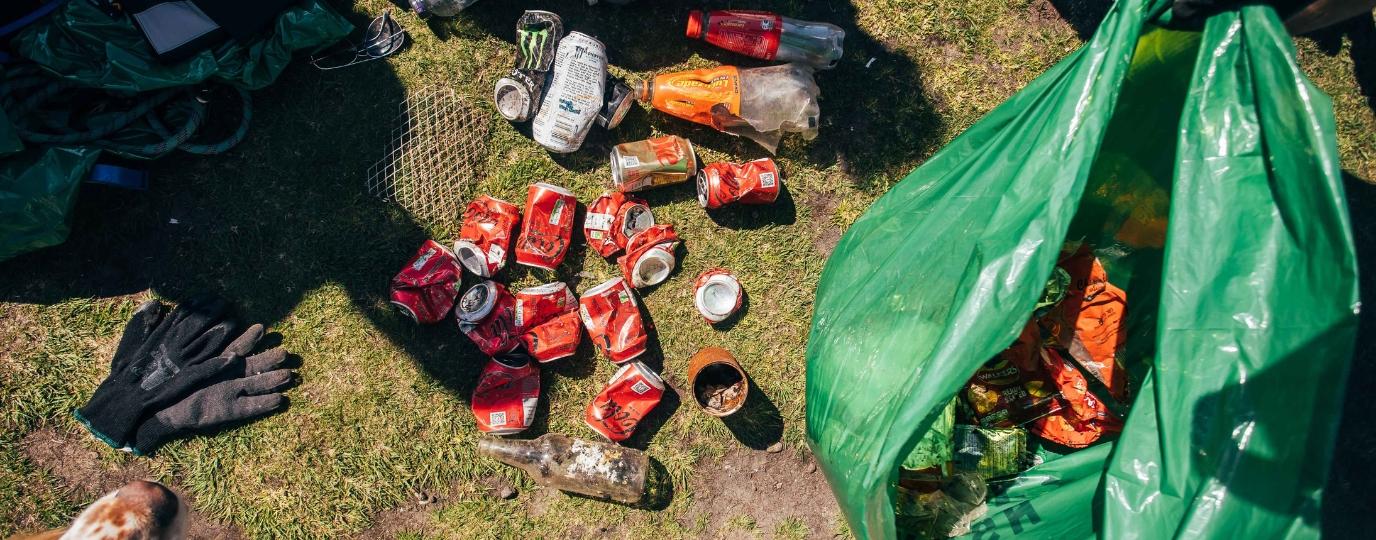
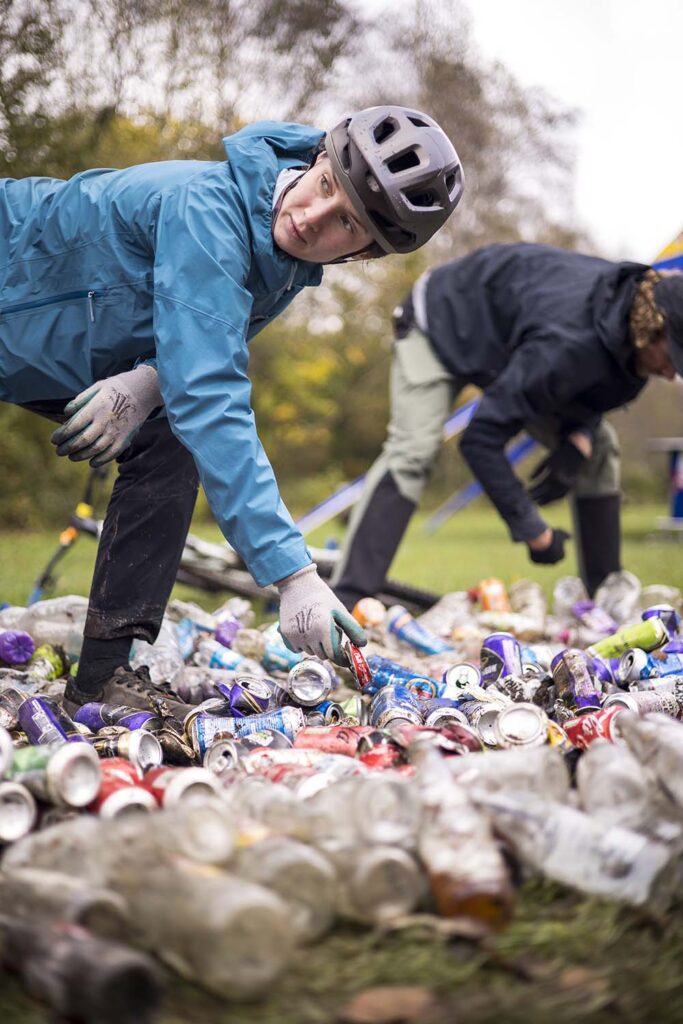
According to Trash Free Trails’ latest State of Our Trails Report, one in four items of litter found on UK paths, public rights of way, parks and recreational trails are drinks containers.
Using international examples where similar schemes have already been introduced, the charity estimates the UK could see as many as 2.4 million fewer drinks containers littering public rights of way by 2030.
That means cleaner National Trails. Better experiences on local circular walks. Less litter on open access land. And fewer bottles and cans spoiling the views that inspire us to head outdoors in the first place.
What six years of citizen science tells us
Over the last six years, almost 10,000 volunteers have removed, recorded and reported more than 740,000 items of single use pollution through Trash Free Trails’ citizen science programme. The resulting State of Our Trails Report has become one of the most detailed pictures of litter on recreational routes and green spaces across the UK.
The report goes beyond simply counting rubbish. It tracks the prevalence, composition and impact of single use pollution on trail ecosystems, helping build the evidence needed to support meaningful change.
That evidence now points to a significant opportunity. With the UK’s Deposit Return Scheme due to launch in October 2027, Trash Free Trails believes we’re approaching a turning point in the fight against litter, one that could help reduce one of the most common forms of litter found on footpaths, public rights of way and outdoor spaces across the country.
Readers can explore the full findings in the latest State of Our Trails Report.
Cleaner paths start with respect for the outdoors
OS Maps is built around helping people discover and enjoy the outdoors with confidence.
Every route you follow on a map passes through a shared landscape. From remote upland footpaths to well-used National Trails, these are places that support wildlife, connect communities and provide opportunities for adventure close to home.
When paths feel cared for, people feel more connected to them.
Cleaner paths are not simply about appearance. Litter affects habitats, wildlife and people’s relationship with the outdoors. When paths feel cared for, people feel more connected to them. When landscapes are respected, they are more likely to be respected by others.
These landscapes belong to all of us. Looking after them is part of ensuring future generations can enjoy the same sense of discovery, connection and adventure that draws us outdoors today.
As research from countries already operating Deposit Return Schemes suggests, less litter can encourage even less litter in future by helping to shift public expectations about what is acceptable in outdoor spaces.
The wildlife impact we do not always see
The benefits extend beyond cleaner views. Trash Free Trails’ research has identified evidence of animal death and entrapment associated with discarded containers at a number of survey sites. Bottles and cans can trap small mammals, insects and other species, creating hidden hazards in habitats that are already under pressure.
This is particularly important in protected landscapes and National Parks, where healthy ecosystems support both wildlife and the outdoor experiences people travel to enjoy. Reducing drinks container litter could therefore have benefits that stretch far beyond the footpath itself.
As the countdown to October 2027 continues, every walk is an opportunity to contribute
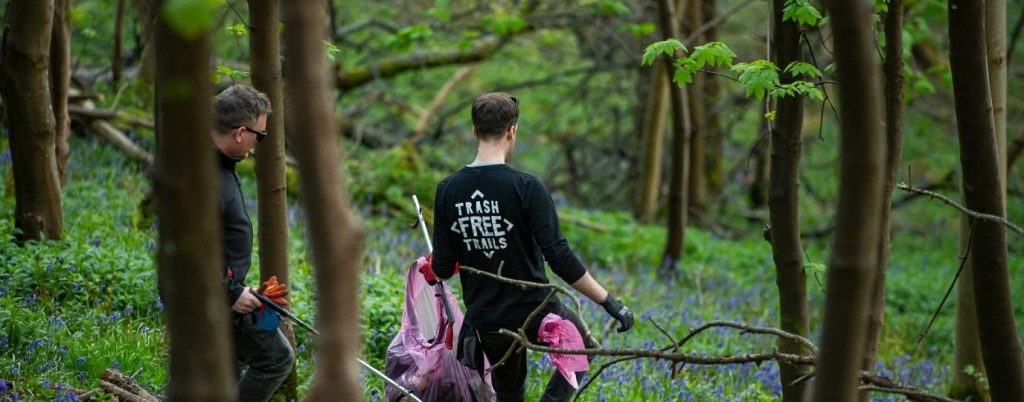
After your next walk, run or ride, submit your litter data through Trash Free Trails and help build the evidence needed to create cleaner, healthier outdoor spaces for future generations.
Turn your next walk into a positive act for nature
- Take a small litter bag and gloves.
- Collect litter where it is safe and practical.
- Avoid disturbing wildlife or sensitive habitats.
- Submit your findings through Trash Free Trails’ reporting platform.
- Encourage friends, family and fellow walkers to do the same.
https://www.trashfreetrails.org/make-change/report-your-data
By Hilary Pullen
Meet Hilary, Editor of OS Maps Discover. Hilary is based in North Wales and loves hiking with her dogs in the mountains of Eryri and Bryniau Clwyd, you can find her on Instagram @nearlyuphill and read her guides to walking in North Wales.
If you would like to be a featured OS Author and write an article or route guide find out more here – how to submit an article idea