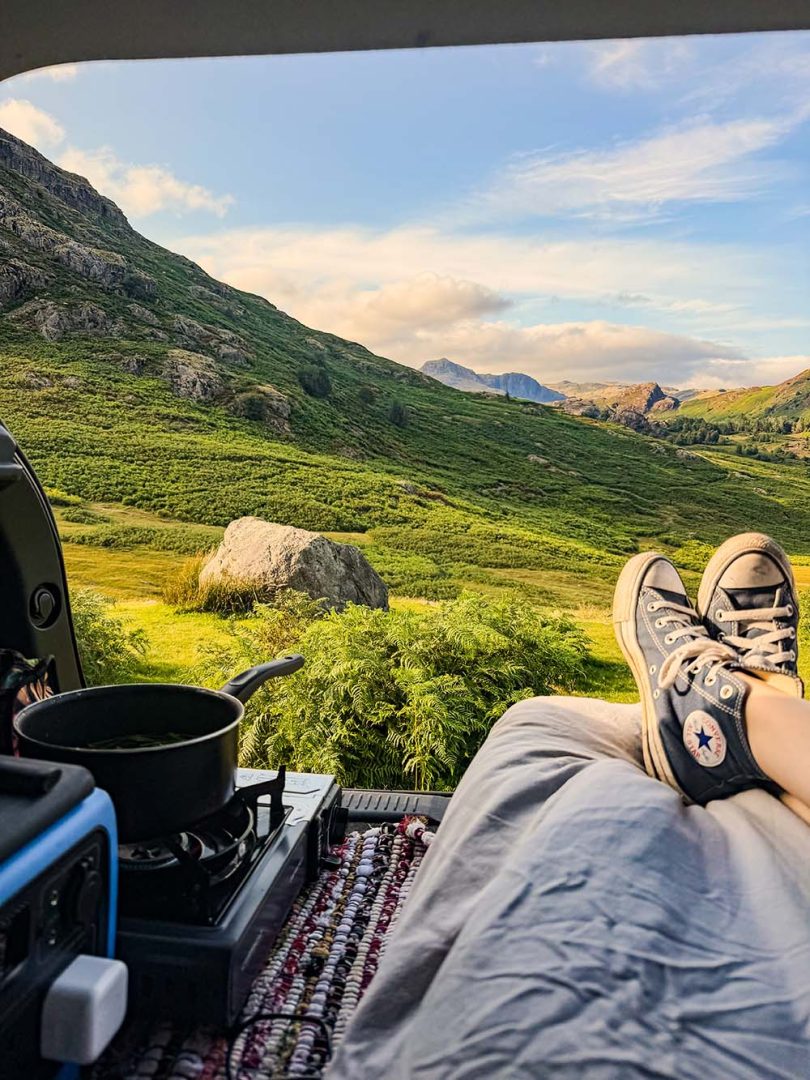
How Car Camping Gave Me More Confidence to Hike Solo
For me, car camping means turning my everyday car into a small, comfortable place to sleep so I can start a hike early, reach quieter routes, and spend more time outdoors without paying for accommodation.
Why arriving the evening before builds confidence
The biggest benefit is waking up close to the start of my walk. Instead of leaving home in the middle of the night, driving through traffic and wondering whether the car park will already be full, I can travel the evening before and wake up knowing that I am already there. If I stay at a nearby campsite, it is usually only a short drive to the route start before the car park becomes busy. Sometimes, the car park is a suitable overnight stop; just make sure it is allowed first.
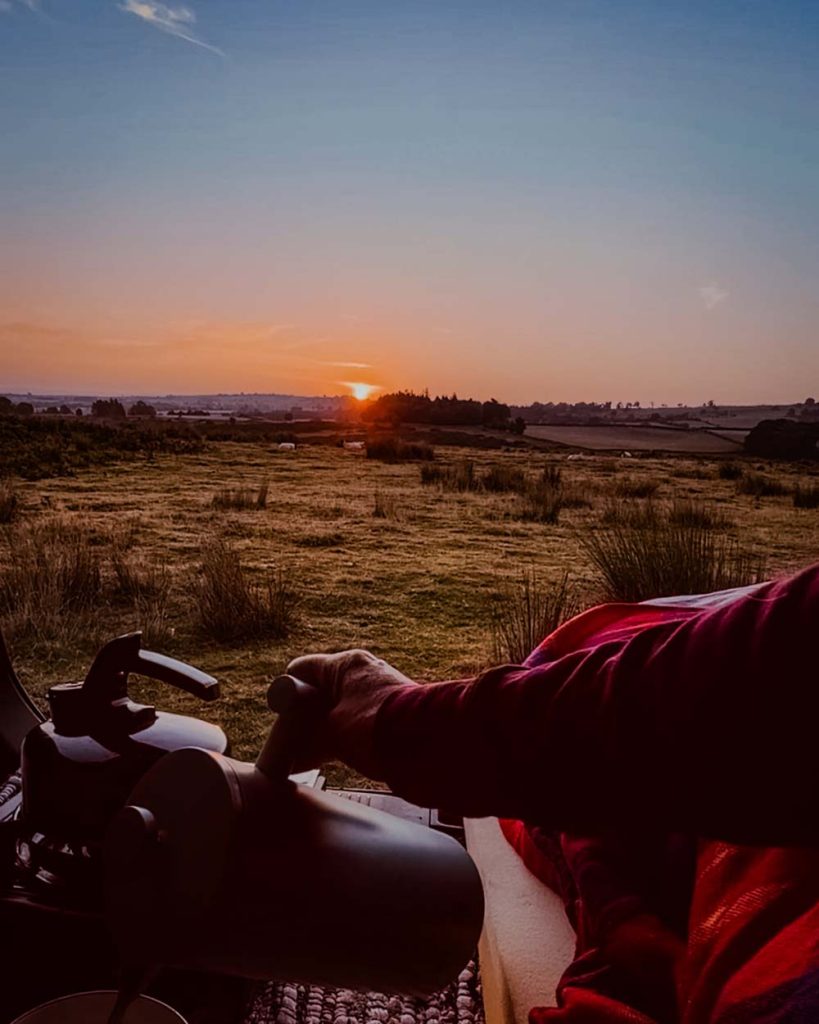
By being there the night before, I do not have to step straight out of the driver’s seat and rush onto the trail. I can make a brew, watch the light change, check the weather and organise my kit at my own pace. That time helps me settle into the surroundings and calm any nerves. By the time I start walking, the place already feels more familiar, and the roads, car parks and paths are often much quieter.
As a woman heading into the hills alone, I find that following specific safety tips, like informing someone of my plans and checking the weather, makes a real difference. Solo hiking does not require me to feel fearless. My confidence has grown through preparation, experience and learning that I can make sensible decisions when plans change. Car camping gives me a secure base and the freedom to choose a route that suits the forecast, my energy and the conditions on the day. In my experience, sunrise can bring some of the loveliest weather and light of the day. However, I always check the forecast rather than assuming an early start will mean good conditions.
Start with permission, not a pin on a map.
No single nationwide rule covers every location. Sleeping in a vehicle is not automatically prohibited. Furthermore, permission to park does not necessarily include permission to stay overnight.
In England and Wales, signs, parking conditions, local orders or byelaws may apply. An app pin or social media recommendation is not proof of permission. The Lake District National Park Authority is clear that there is no right to use informal locations; therefore, a landowner can ask people to leave. However, it is tolerated as long as you follow Leave No Trace principles.
My first choice is an official campsite, a designated overnight area, or somewhere I have the landowner’s permission. A basic campsite provides the same useful early start without uncertainty about whether I am welcome. For other locations, I check current information from the operator, council, landowner or national park authority. I never stay where signs prohibit overnight parking, camping or sleeping in vehicles, and I never obstruct entrances, passing places, residents, farm traffic or emergency access. If the position is unclear, I ask, be prepared to move if needed or choose somewhere else.
How I choose somewhere to car camp that feels safe.
A permitted location can still feel wrong for a solo overnight stay. As a woman travelling alone, I want to know that I can leave easily and that somebody knows where I am. I research possible places, save a backup, and arrive in daylight so I can check the access, surface, surroundings, and exit. Planning multiple options helps me stay confident and prepared for changing circumstances. Whenever I drive around a national park, I always note anywhere I would like to return to.
Before settling to camp in my car for the night, I ask myself:
- Am I allowed to park and remain here overnight?
- Is the ground level, stable and away from flood risk, falling branches or exposed edges?
- Can I leave easily without rearranging my setup?
- Is there phone coverage, or do I have another way to communicate?
- Have I told someone where I am and when I expect to check in? Sharing this information helps me feel reassured that someone knows my plans, which supports my confidence and safety during solo adventures.
- Does the location feel calm and appropriate once I am actually there?
- If the answer to the final question is no, I move. Having a backup means I can act on instinct without feeling that the whole trip has failed.
Keep the setup simple and safe.
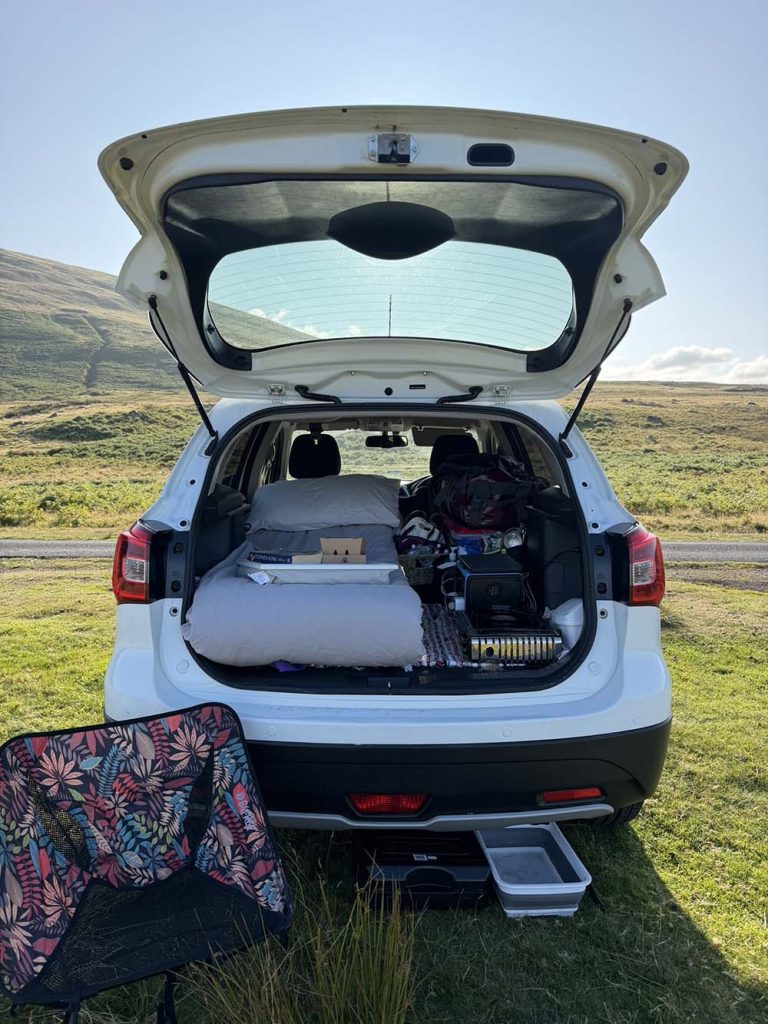
I prepare the sleeping area before travelling, keep the driver’s seat clear and store my keys, shoes, headtorch and phone where I can reach them. Simple, dark privacy screens help me feel comfortable without making my everyday car look like a campsite, and I keep it ventilated to reduce condensation.
An ordinary car has a smaller, less conspicuous footprint than a larger campervan. I keep my setup self-contained and avoid putting equipment outside unless I am at a campsite. Being discreet means reducing disturbance, not hiding somewhere that overnight stays are prohibited. I cook outside only where permitted and never use a stove or other flame inside the car.
Leave no trace applies to the car too.
Car camping should leave no more evidence than an ordinary parked car. The Countryside Code asks visitors to respect rural communities, avoid blocking access, take litter and food waste home, protect wildlife, and use barbecues only where signs allow them. Those principles apply just as much when I sleep in my car.
I carry a compact toilet option and take all toilet waste away for proper disposal. I also take my rubbish home, keep noise and lights low, never pour wastewater onto the ground and leave access as I found it. I want the next person to see a normal parking place, not signs that somebody has camped there.
How I use OS Maps to plan the whole adventure
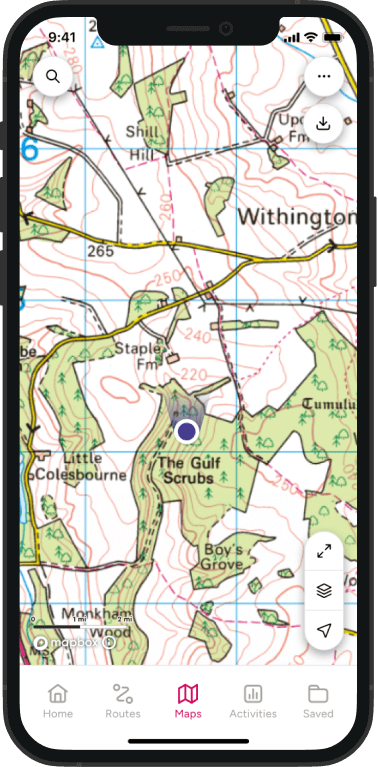
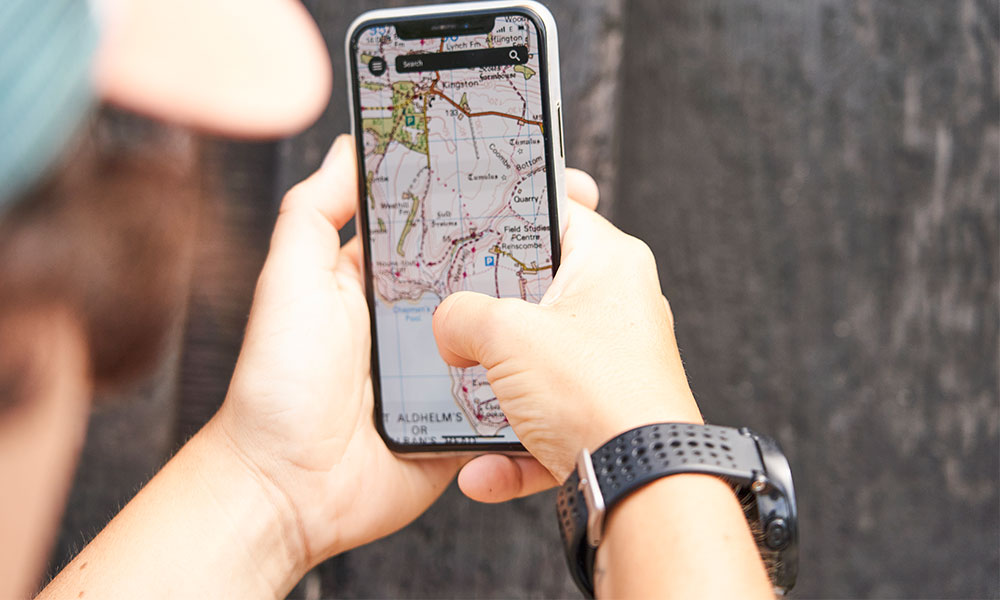
OS Maps is where every adventure starts for me. I use it to plot my route, check the public rights of way and get a proper sense of the terrain from the contour lines. I’ll usually look at the elevation profile too, so I know where the toughest climbs are likely to be. If I’m heading somewhere unfamiliar, the 3D Fly-through is particularly useful because it helps me picture the landscape before I arrive.
When I’m walking alone, I find it reassuring to have more than one plan. I look for places where I could shorten the route, take a lower path or turn back safely if the weather changes or I’m simply not feeling it that day. Thinking through those options at home means I’m not trying to make every decision while standing on the side of a mountain.
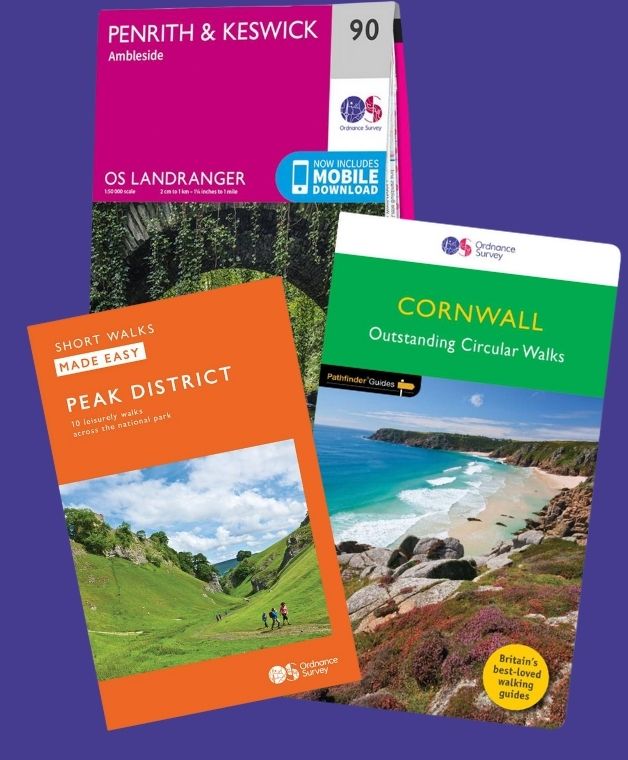
Before setting off, I download the route and the surrounding area so I can still access the map without a phone signal. I also let someone know where I’m going and when I expect to return, and I carry a paper map and compass as a backup.
I use OS Maps to plan the walk itself, but I check overnight parking separately. A parking place appearing on the map does not necessarily mean that sleeping there is permitted, so I always look for current signs, restrictions or express permission before settling down for the night.
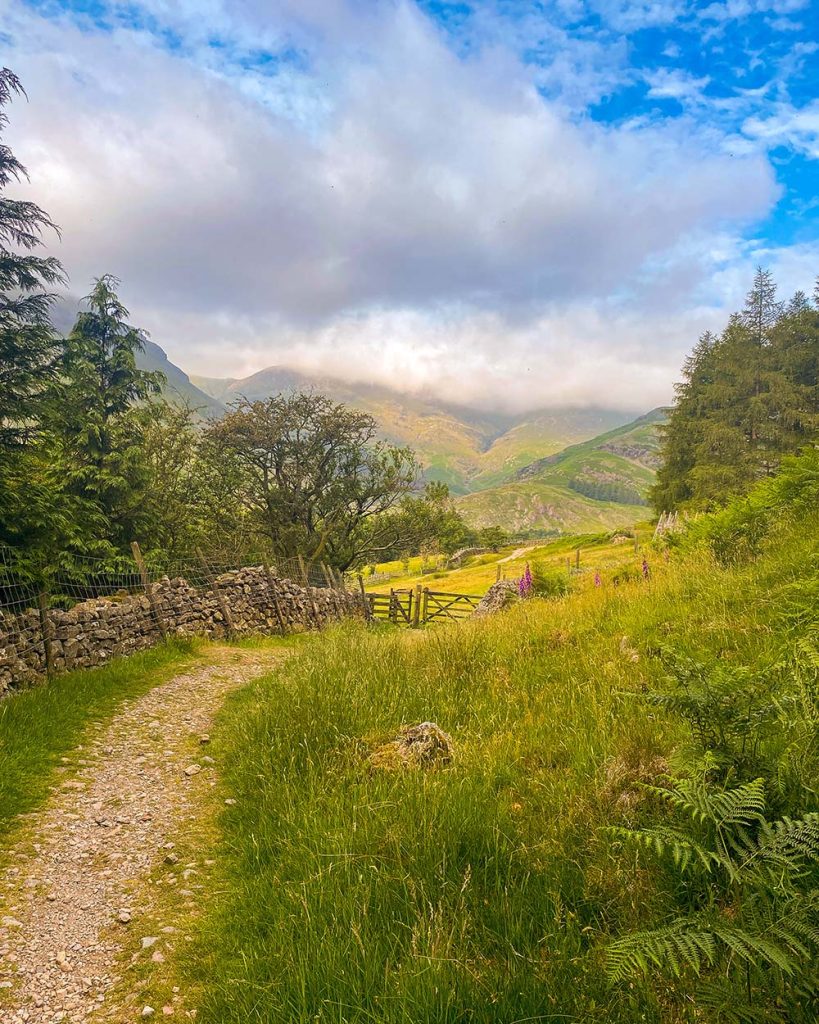
Confidence comes from good decisions.
Car camping has widened the range of solo adventures available to me, but the freedom comes from planning responsibly. I know where I may stay, I have a backup, my route is downloaded, and somebody knows my plan. I can wake near the hills, make a coffee, take in my surroundings and begin feeling prepared rather than rushed.
You don’t need a campervan, an expensive conversion, or a major mountain on your first trip. Start with a permitted campsite, a familiar area and a short route. Each straightforward night and well-planned walk shows you that you can manage the next one. That is how my confidence has grown: one sensible decision and one small adventure at a time.
Three hiking routes that work well with an early start
These routes suit different stages of solo-hiking confidence, and each benefit from beginning before the busiest part of the day. Conditions, access and parking arrangements change, so check current information before travelling. Use a nearby campsite or another place that expressly permits overnight stays, then drive to the route start if necessary.
Whernside from Ribblehead Walk
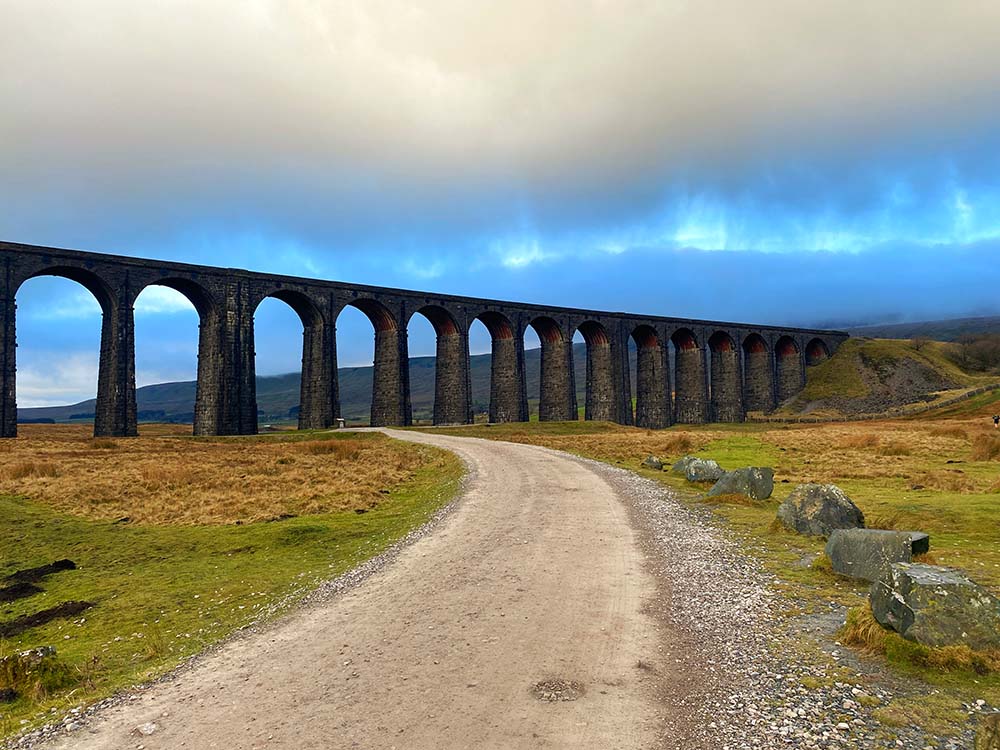
This approximately 13-kilometre circular route has around 500 metres of ascent and takes four to five hours. Starting beside the impressive Ribblehead Viaduct, it follows generally clear paths on a steady climb to Whernside—the highest of the Yorkshire Three Peaks. The route offers varied scenery and far-reaching views without feeling overly technical. However, the stepped descent can be slippery in wet or icy conditions. The nearby Station Inn lets customers stay overnight after purchasing a meal, making it a useful option for a car camp and early start. However, always confirm arrangements directly beforehand. When I last visited, the parking areas around Ribblehead did not display signs prohibiting overnight parking.
The Langdale Pikes Walk
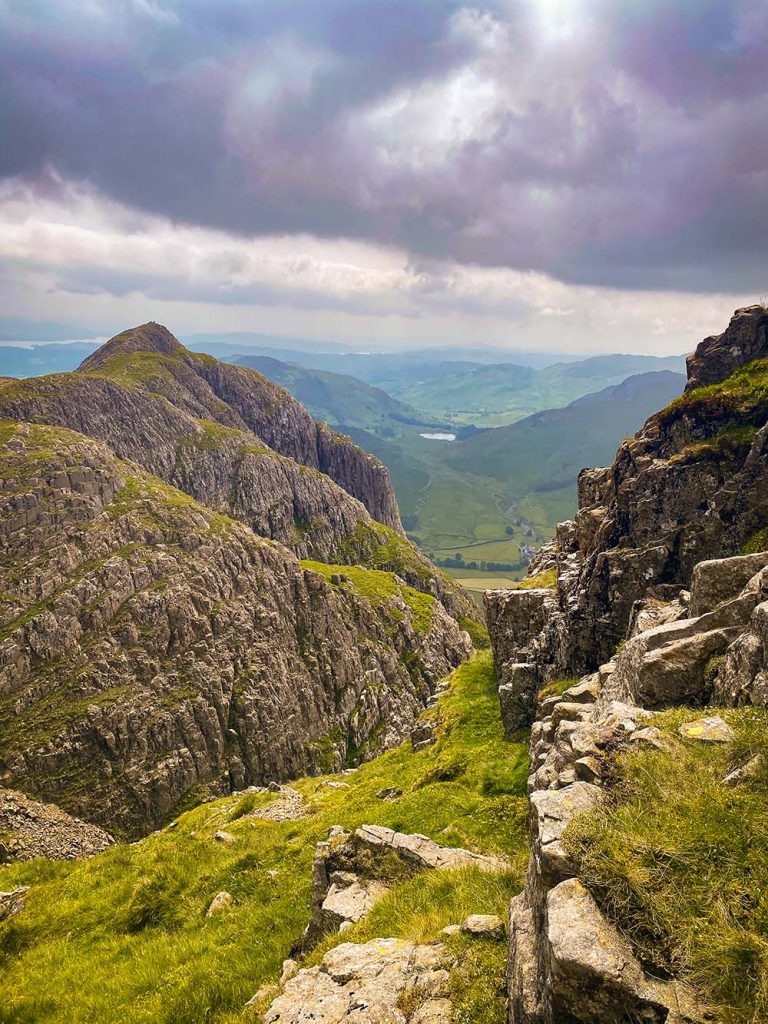
My Langdale Pikes route covers approximately 13.15 kilometres, with 893 metres of ascent, and takes around five hours. It links five Wainwrights and includes steep, rocky ground, so it suits experienced mountain walkers. The National Trust’s Great Langdale Campsite makes an excellent base close to the beginning of the route, allowing you to wake beneath the fells, assess the conditions and begin walking before the paths become busy. There are also some beautiful, discreet stopping places along nearby Wrynose Pass. However, it is a steep, narrow road, and you must check any current signage or overnight restrictions carefully. Staying nearby removes the pressure of an early drive into the valley. It creates a much calmer, more unhurried start to a demanding mountain day.
The Fairfield Horseshoe from Rydal Walk
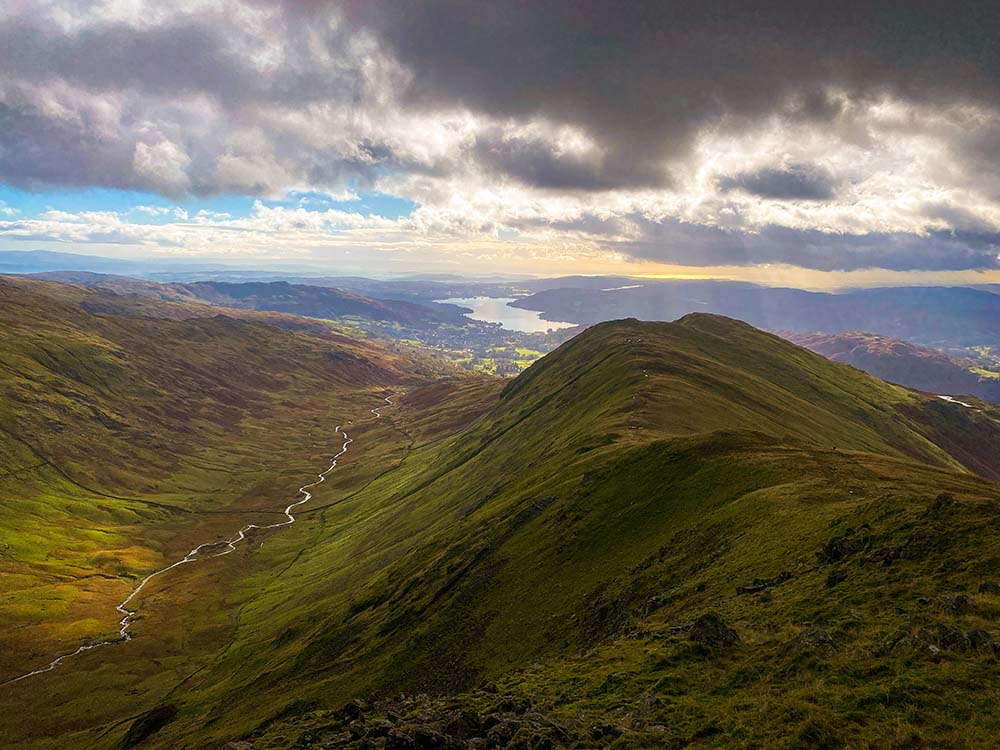
This approximately 16-kilometre circular route has around 1,059 metres of ascent and takes between five and a half and seven hours. It links eight Wainwrights along a magnificent high-level ridge, making it a rewarding but challenging full mountain day. Fairfield’s broad summit can be disorienting in poor visibility, so confident navigation and suitable conditions are essential. Rydal Hall Campsite is an ideal base beside the start of the route. It is a tent-only, vehicle-free campsite, not a place where you can sleep in your car. Still, its peaceful woodland pitches are spread apart and provide something close to the atmosphere of a wild camp—with the reassurance of proper facilities. Staying there lets you wake beside the route, check the weather, and start the long climb before the paths get busy.
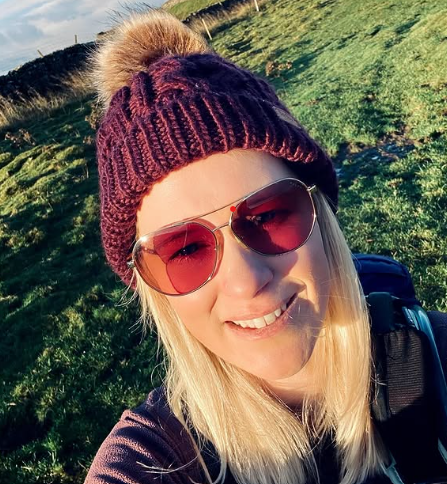
By Kate – She’s Going Solo
Kate is the outdoor writer and adventurer behind She’s Going Solo, where she shares practical advice, walking routes and honest stories to help more people feel confident exploring the outdoors independently. Through her solo hiking, camping and car camping adventures across the UK, she aims to show that you do not need to be an expert to get outside and start exploring. Find more of Kate’s guides and adventures at www.shesgoingsolo.co.uk