For many young people, confidence starts with a small step. Reading a map for the first time, pitching a tent, making decisions as part of a team or simply discovering that they can achieve more than they thought possible.
As Project Coordinator for the youth programme at Black Girls Hike UK, Alice Whittle uses the Duke of Edinburgh’s Award to help young people develop those skills and experiences. Through expeditions, volunteering, navigation training and outdoor adventures, she works to break down barriers that can prevent young people from accessing the outdoors and challenge the idea that nature is only for certain people.
In this interview, Alice shares why representation matters, how outdoor skills can build confidence for life, and why helping young people feel that they belong outdoors can have an impact far beyond the end of a hike.
What makes the Duke of Edinburgh Award such an important programme for Black Girls Hike UK, and how does it support your wider mission of increasing representation in the outdoors?
The Duke of Edinburgh Award is important to Black Girls Hike UK because it gives us an opportunity to introduce young people to the outdoors in a structured, supported and meaningful way.
When Black Girls Hike UK was founded, one of the things we wanted to challenge was the idea that the outdoors isn’t a space for everyone. We know that representation matters. If young Black girls don’t see people who look like them hiking, camping, navigating or taking part in outdoor activities, it can be difficult for them to imagine themselves doing those things too.
DofE gives us a really practical way of changing that. It’s not simply about completing an expedition. Participants develop skills, volunteer in their communities, become more physically active and learn to work as part of a team. They also have to make decisions for themselves and take responsibility for their own progress.
For me personally, that’s particularly meaningful because I didn’t do DofE at school, despite my school offering it. Being able to create opportunities now for girls who might otherwise never experience something like this feels like we’re breaking down some of the barriers that existed for previous generations.
Our DofE programme is therefore about much more than completing an award. It’s about creating a pathway into the outdoors and helping young people see themselves as belonging there.
What are the main barriers you face when encouraging girls from underrepresented communities to get involved in programmes like DofE?
There isn’t one single barrier. It’s usually a combination of practical, financial and cultural factors.
Cost is an obvious one. Outdoor participation can look expensive when you add up boots, waterproof clothing, backpacks, camping equipment and transport, before you even consider the cost of a programme itself. For some families, those costs can make an opportunity feel inaccessible before a young person has even had the chance to try it.
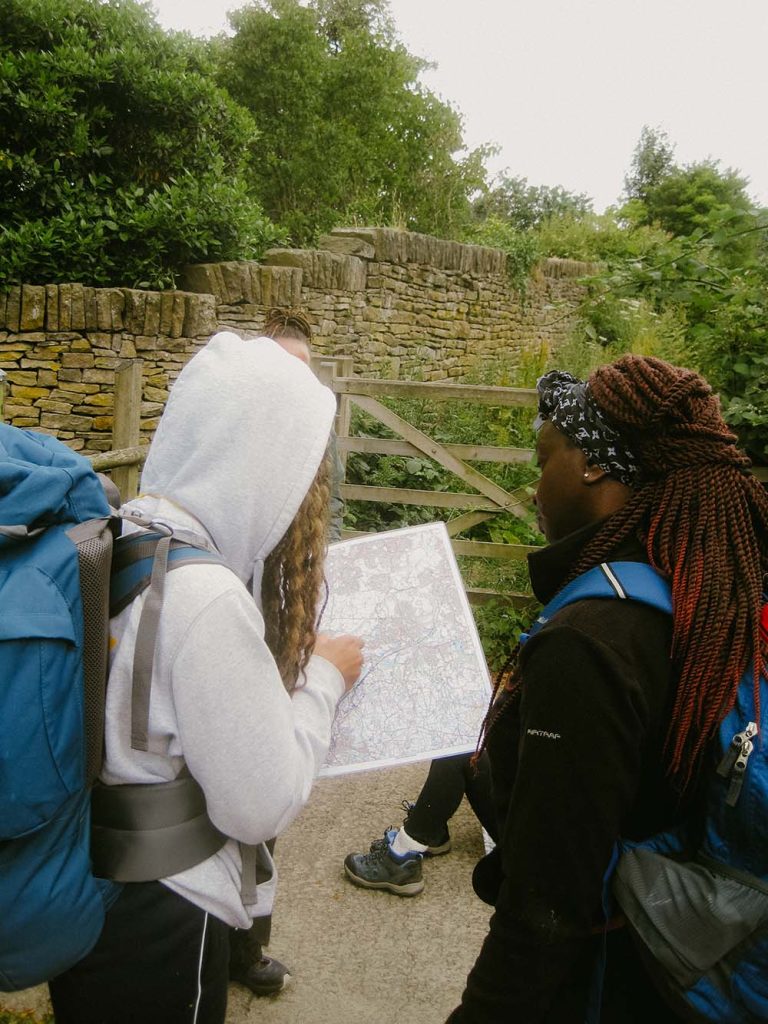
There is also a confidence barrier. If you’ve never camped, navigated with a map or been on a proper hike before, the idea of spending a night outdoors can feel quite daunting. That can be even more significant when you don’t see many people who look like you represented in those spaces.
Parents and families can also have concerns around safety. Sometimes there is a perception that being outdoors, particularly in remote areas, is inherently dangerous. We have to build trust with young people and their families and demonstrate that outdoor skills, preparation and good supervision can make those experiences both safe and empowering.
And then there is simply a lack of opportunity. Sometimes the barrier isn’t that a young person doesn’t want to take part; they have just never been given the opportunity.
That’s why representation, affordability and support are all so important. We don’t just say, “Come and hike.” We provide the equipment, training, encouragement and community around them to help make participation possible.
Our Get Real campaign encourages people to trade screen time for real world experiences. Through your work with DofE participants, how have you seen time outdoors help young people build confidence, resilience and connections that they might not find online?
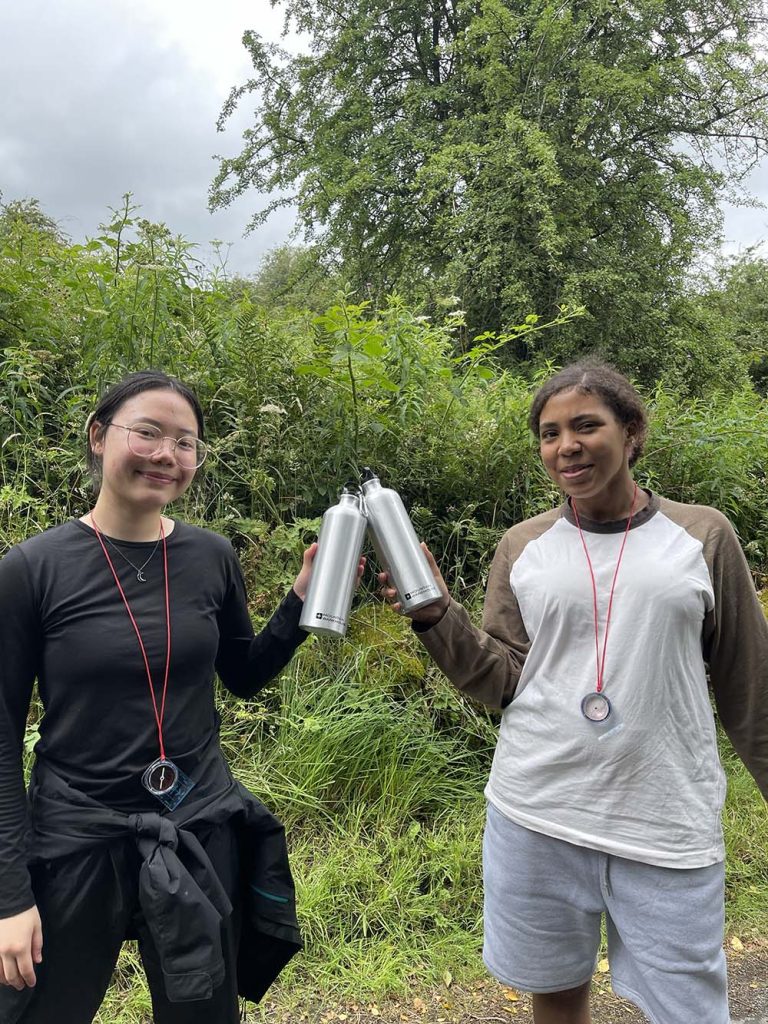
One of the most powerful things about being outdoors is that you can’t always rely on a screen to solve a problem for you.
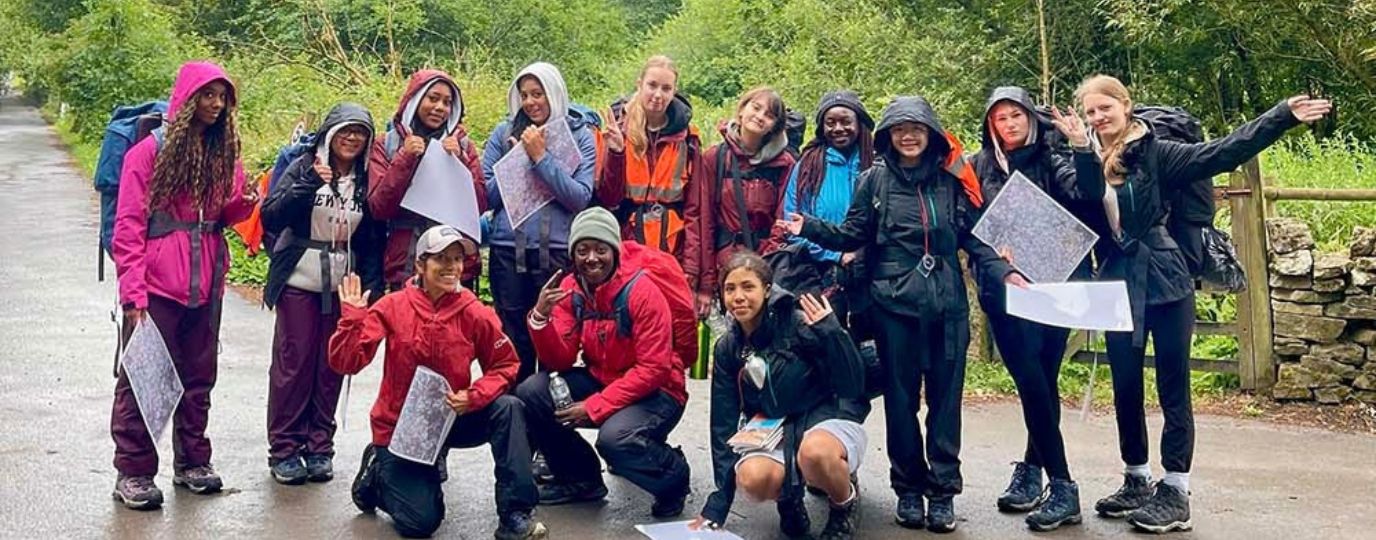
During a DofE expedition, young people have to work things out together. They might realise they’ve taken a wrong turn, have to figure out where they are on a map, decide which route to take, put up a tent when they’re tired or prepare food at the end of a long day.
Those experiences create small moments of achievement. Something that initially seemed difficult becomes something they’ve actually done.
I’ve seen how that changes the way young people see themselves. Completing an expedition isn’t just, “I walked for two days.” It’s, “I navigated that route. I carried my kit. I helped my team. I dealt with something going wrong. I kept going when I was tired.”
There is also something really valuable about spending that time together without the constant distraction of phones and social media. Young people talk to each other. They have to listen, negotiate and support one another. Friendships develop through shared experiences rather than through what someone looks like online or how many followers they have.
You get a different kind of connection outdoors. You’re experiencing something together in real time, and those shared challenges can create memories and relationships that stay with people long after the expedition is over.
Many women tell us that concerns around safety can affect how confident they feel outdoors. How do you help young people develop the practical skills, from navigation to decision-making, that help them feel safe, capable and independent outdoors?
We don’t want young people to simply be told that the outdoors is safe. We want to give them the skills and knowledge to understand how to keep themselves safe.
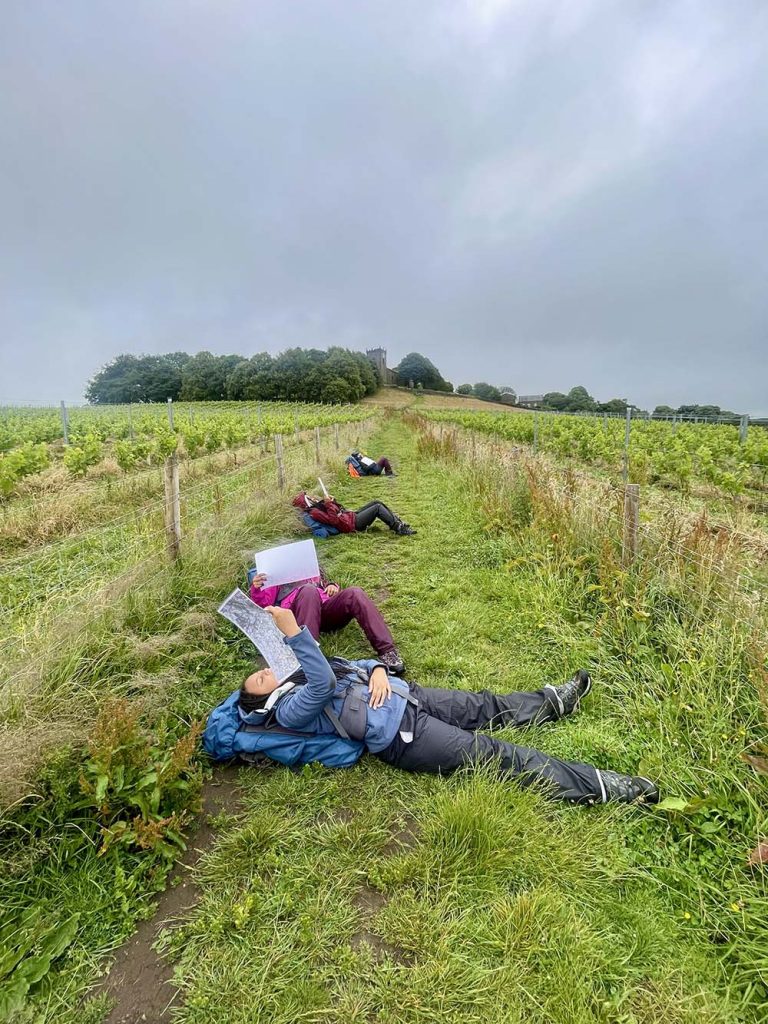
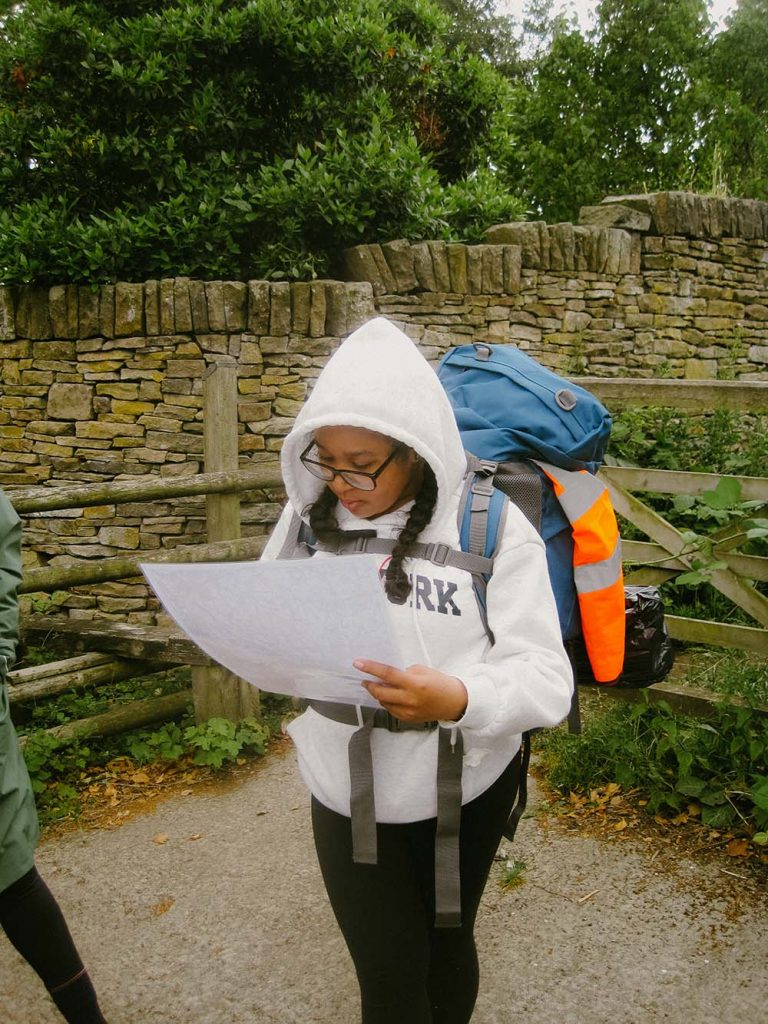
Navigation is a huge part of that. We teach things like map reading, bearings, grid references and route planning, but we also teach young people how to make decisions. We use the five Ds of navigation — Direction, Distance, Duration, Description and Destination — so that they have a practical framework they can use when navigating.
We also cover first aid, what to do if something goes wrong, clothing and equipment, food and hydration, tent pitching and using camping stoves. Importantly, we teach them how to think about risk rather than simply being afraid of it.
During expeditions, our role is to support rather than take over. At checkpoints, for example, leaders are there to observe, monitor welfare and intervene if necessary, but the young people should remain as self-sufficient as possible.
That distinction is really important. If an adult always solves the problem, the young person never learns that they can solve it themselves.
By the end, we want them to be able to look at a map and think, “I know where I am. I know where I’m going. I know what I need to consider, and I know what to do if something changes.”
That’s where confidence comes from — not from pretending there are no risks, but from knowing you have the skills to manage them.
You’ve worked with many young people through their DofE journey. Are there any participants whose stories have stayed with you, particularly those who arrived lacking confidence but left with a very different view of what they were capable of achieving?
One of the young girls from our cohort last year really stayed with me. I saw such a huge change in her confidence — not just in her abilities, but in her drive and her desire to be outdoors.
When I first met her in Year 9, there was a real reluctance. It was very much, “I don’t want to do this, but I have to.” She had already formed all those negative perceptions about being outdoors and what it meant.
But throughout the programme, I watched that completely change.
Even after the DofE programme had finished, she was still messaging and emailing me asking, “Are we doing a hike? Are we going out? Are we doing something?” That, for me, was such a powerful indication of the change that had happened. It had gone from something she felt she had to do, to something she actively wanted to do.
This year, Black Girls Hike UK ran our annual youth retreat, where we take a group of young people from our community away from the city and give them the opportunity to experience the outdoors in a completely different environment. We took them up to the Lake District, away from the concrete jungle, and gave them opportunities to canoe, paddleboard, scramble, jump off piers, explore and simply be outside.
When I offered her a place, she instantly said yes. She couldn’t wait to go.
That transformation really stayed with me. To see a young person go from, “I don’t want to do this,” to actively seeking out opportunities to be outdoors is exactly why we do what we do.
It also reflects my own experience.
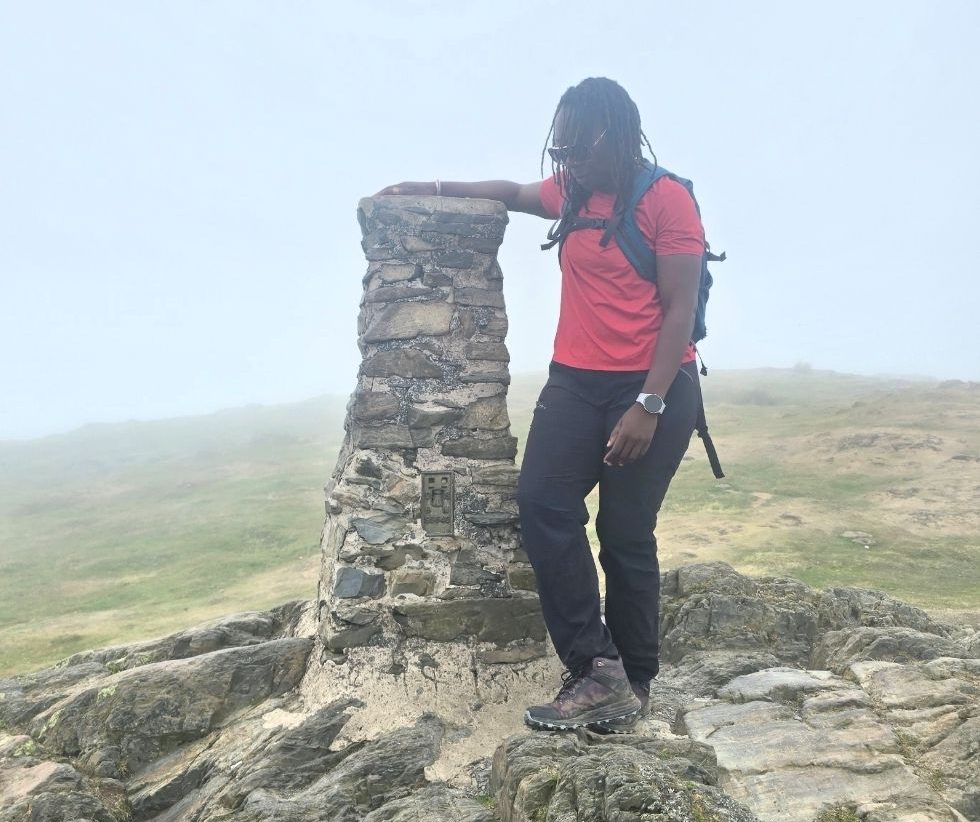
When I first started hiking, I didn’t see people who looked like me doing it. I wasn’t sure that the outdoors was a space where I belonged. Then I was thrown in at the deep end on one of my first proper experiences. I remember being surrounded by green, the silence, the stillness, and just thinking, “Wow.”
I felt humbled by it. I remember thinking, “This is where I need to be. This is my safe space.”
And for a moment, I wasn’t Mum. I wasn’t a daughter, a colleague or any of the other roles I have in my life. I was just Alice.
That feeling of being able to step away from the hustle and bustle of everyday life and simply be yourself is something I want young people to experience too. The outdoors can give you space for your wellbeing, your physical health and your mental wellbeing, but it can also give you a sense of who you are.
That’s why the young people we work with matter so much to me. I want to find the girls who don’t yet know that the outdoors can be their space too, and show them that it belongs to them.
Because when you experience that transformation yourself, you don’t just want to keep it for yourself. You want to bring people behind you and say, “This is a space we should be claiming too.”
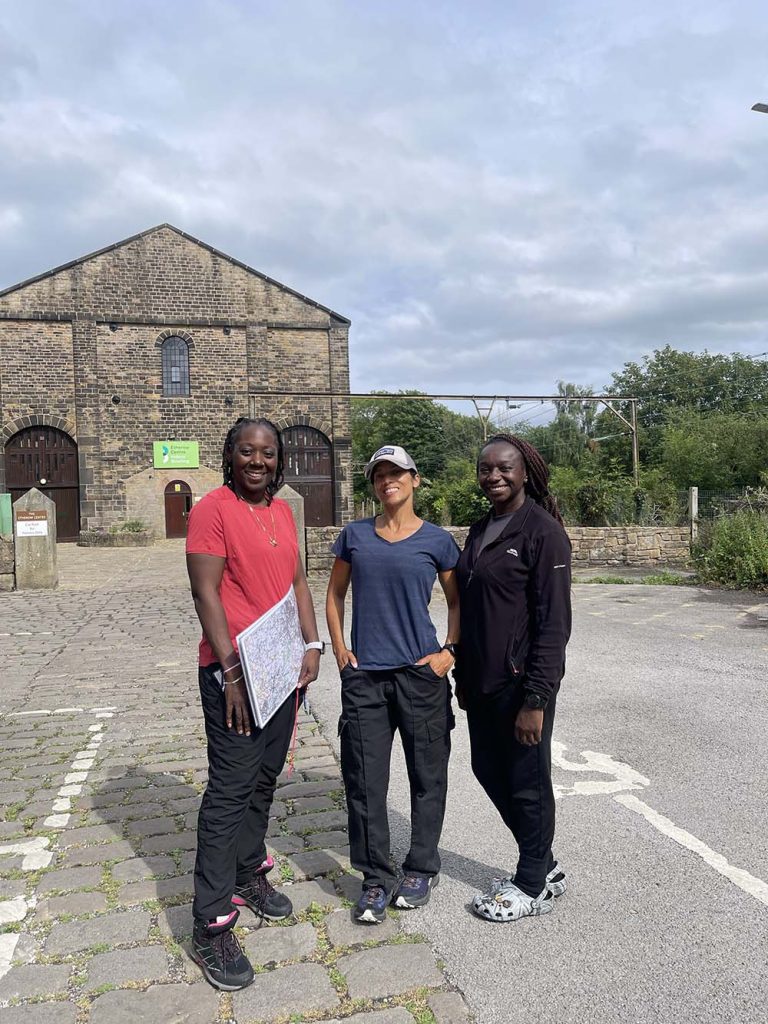
If every young person had access to outdoor experiences like DofE and the support provided by Black Girls Hike UK, what difference do you think that could make to individuals, communities and society as a whole?
I think it could have a huge impact because outdoor experiences teach young people things that extend far beyond the outdoors.
At an individual level, you develop confidence, resilience, independence, problem-solving and teamwork. You learn that being uncomfortable doesn’t necessarily mean you can’t do something. Sometimes it simply means you’re learning.
At a community level, programmes like DofE create connections between young people, schools, families, organisations and local communities. Young people aren’t just taking something from the experience; through volunteering, they are also learning how they can contribute to the places and communities around them.
And at a wider societal level, I think representation can change expectations.
If a generation of Black girls grows up seeing themselves hiking, camping, navigating, volunteering and taking up space outdoors, then hopefully the next generation won’t question whether they belong there.
That’s ultimately what Black Girls Hike UK is trying to do. We’re not just trying to get more Black women and girls outside for a day. We’re trying to change the relationship people have with the outdoors and challenge the idea that it belongs to a particular type of person.
Every young person should have the opportunity to discover what they’re capable of. Sometimes all it takes is someone creating the opportunity, making them feel welcome and saying, “Come with us. We’ll show you how.”
And then, hopefully, they reach a point where they don’t need us anymore – because they have the confidence and skills to go out and explore for themselves.
Alice’s story is a reminder that outdoor confidence is about far more than reaching a summit or completing an expedition. It’s about learning to trust yourself, developing new skills, building resilience and discovering that you belong in spaces you may never have considered before.
Through the Duke of Edinburgh’s Award, Black Girls Hike UK is helping young people do exactly that. By breaking down barriers, creating opportunities and building a sense of belonging, they’re empowering the next generation to step outside, try something new and realise what they’re capable of.
To find out more about Black Girls Hike UK, upcoming events and their Duke of Edinburgh programme, visit bghuk.com and follow them on social media for the latest opportunities to get involved.
OS WOMEN OUTDOORS
The outdoors is for everyone… confidence starts with a single step
Visit the OS Women's Hub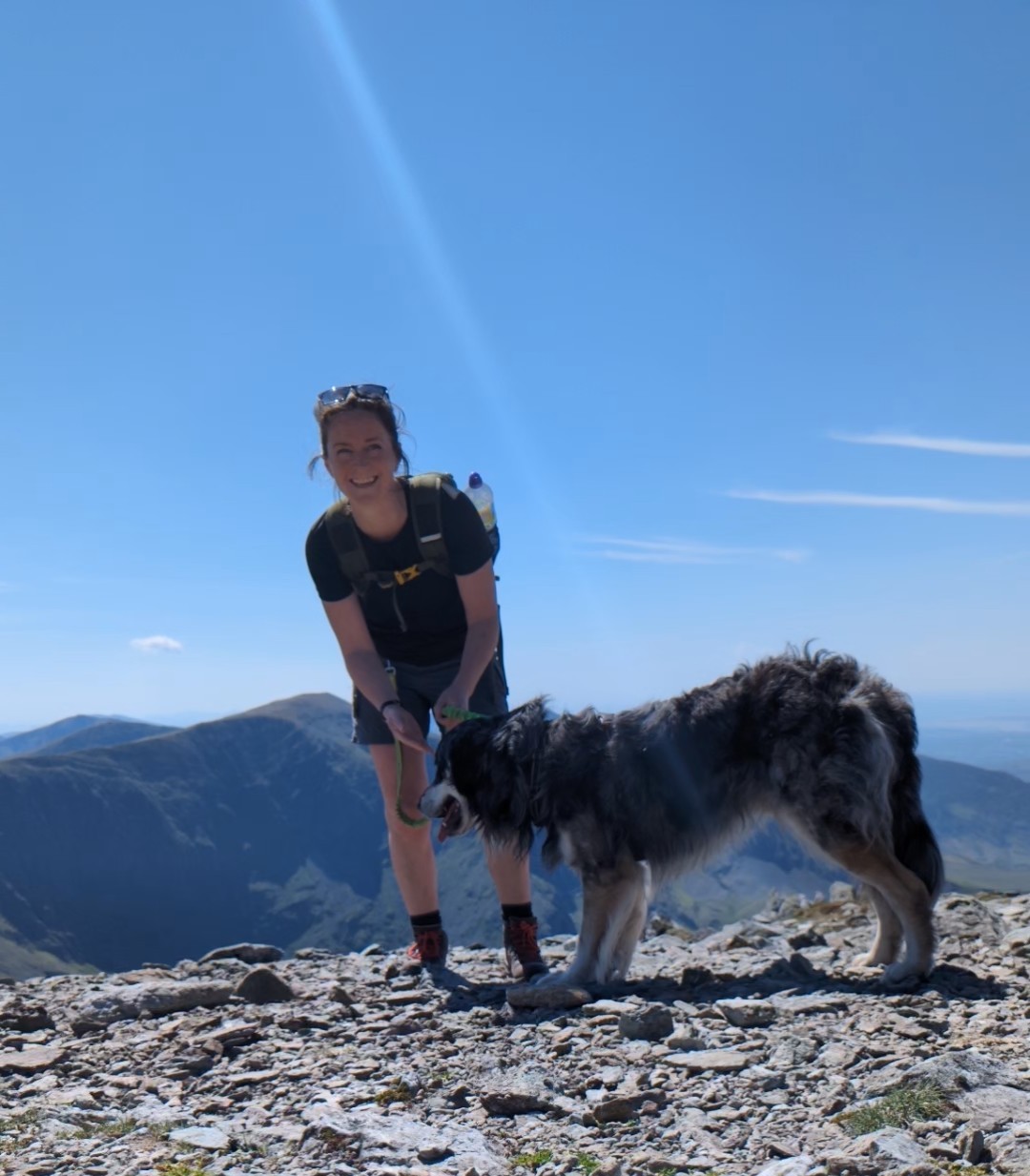
By Hilary Pullen
Meet Hilary, Editor of OS Maps Discover. Hilary is based in North Wales and loves hiking with her dogs in the mountains of Eryri and Bryniau Clwyd, you can find her on Instagram @nearlyuphill and read her guides to walking in North Wales.
If you would like to be a featured OS Author and write an article or route guide find out more here – how to submit an article idea