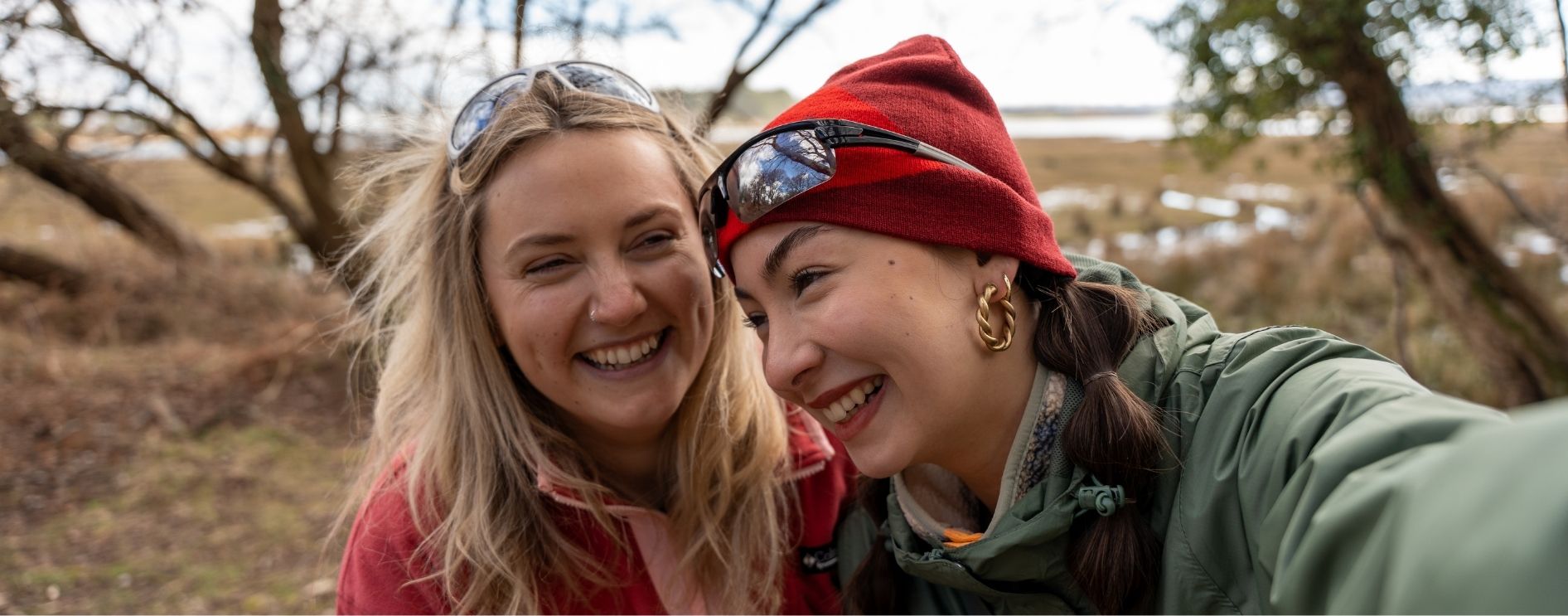
How hiking groups can boost physical health, mental wellbeing and importantly, social health.
We often think of health in terms of exercise, diet and sleep, or mental wellbeing and resilience. But there is another pillar of health that is easy to overlook. Our social health.
Social health is about our relationships and how connected we feel to others. As loneliness rises across all age groups, this part of wellbeing is increasingly under strain. Many now describe this as a loneliness epidemic, with real consequences for both mental and physical health.
Kasley Killam, social health expert and author, explains that even the healthiest routines can fall short without meaningful connection. Watching her TED Talk highlighted how simple, shared activities can help rebuild that sense of belonging. Walking together, talking side by side and spending time outdoors may seem small, but hiking groups bring together connection, movement and purpose in a way that directly supports social health.
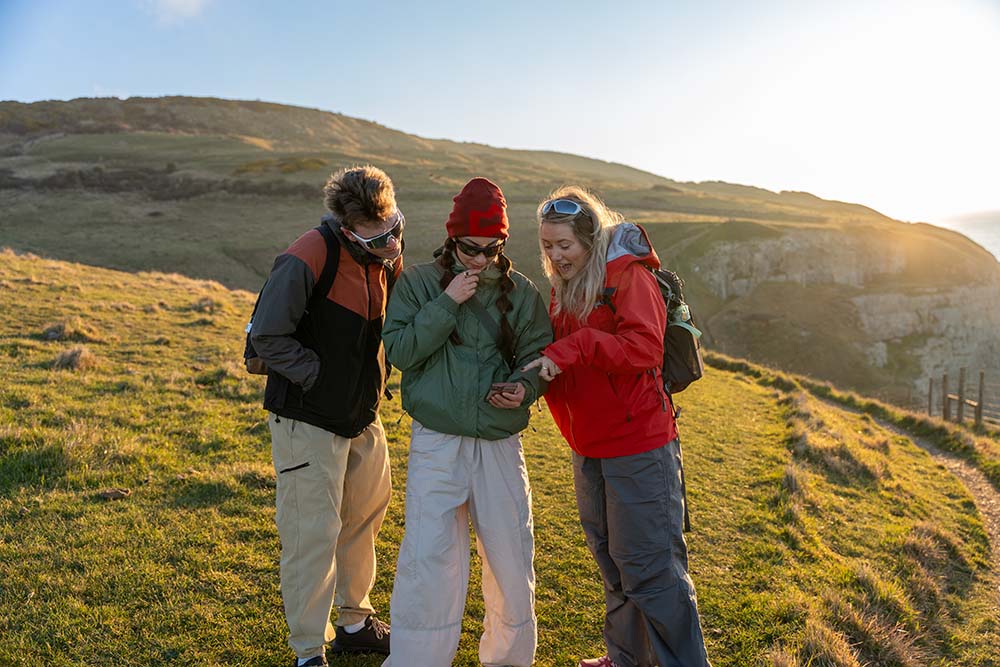
In this article we’ll explore more of Killam’s work, the 5 – 3 – 1 principle and how hiking groups could be the perfect solution to boosting your social health. Walking supports the body, time outdoors supports the mind and shared experiences help relationships grow. Combined, these ingredients play an important role in long‑term happiness and longevity for people of all ages.

What is social health and why does it matter?
In her research, Killam describes social health as the quality and quantity of our relationships. It is about feeling connected to family, friends, neighbours and community. It is also about feeling that you belong. She points out that “we can’t be fully healthy if we take care of our bodies and our minds, but not our relationships”.
Social health is not a “nice to have”. Chronic loneliness and disconnection are linked to increased stress, poorer immune function and higher risk of long‑term illness. Research has shown that connection supports longevity, motivation and emotional balance.

Why modern life makes social health harder
Many of us live in ways that unintentionally reduce everyday connection.
- Working remotely can limit casual interaction
- Moving for work or family can break established social circles
- Busy schedules squeeze out time for friendships
- Digital communication replaces face‑to‑face contact
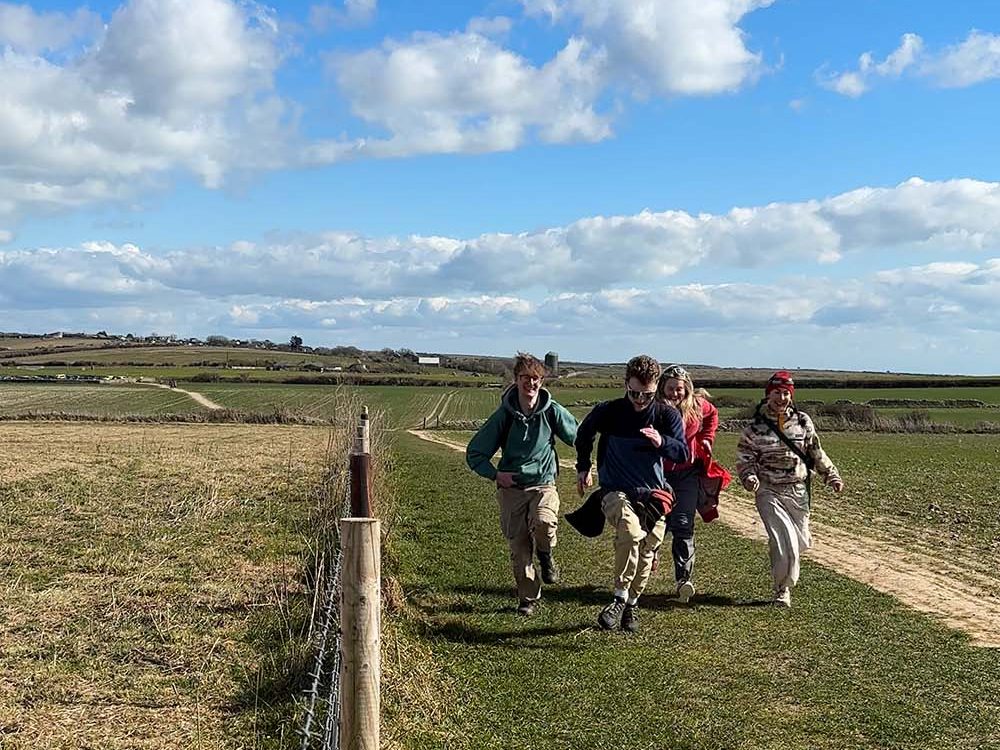
Loneliness is not just an issue for older people
Loneliness is often framed as something that affects older adults, but evidence shows it is increasingly common among younger people too. Students, people in their twenties and thirties, and those early in their careers often report feeling disconnected, despite being constantly “in touch” online.
Social health challenges can show up at any life stage. Kasley Killam highlights that disconnection is not about how many people you know, but whether your relationships provide a sense of belonging and support.
The role of social media in modern disconnection
For many younger adults, social media has become a substitute for face‑to‑face connection. While it can help people stay in contact, it doesn’t always meet the deeper need for shared experience and presence. Scrolling, messaging and reacting can give the impression of connection without the emotional benefits that come from spending time together. Over time, this can leave people feeling isolated, anxious or left out, even when they appear socially active online.
This is one reason why real‑world activities, like joining a hiking group, can feel so restorative. Walking with others creates space for conversation without screens, comparison or performance. The focus shifts from how you present yourself to simply moving together through a landscape, at a human pace. Hiking groups are no longer just for retirees either – there
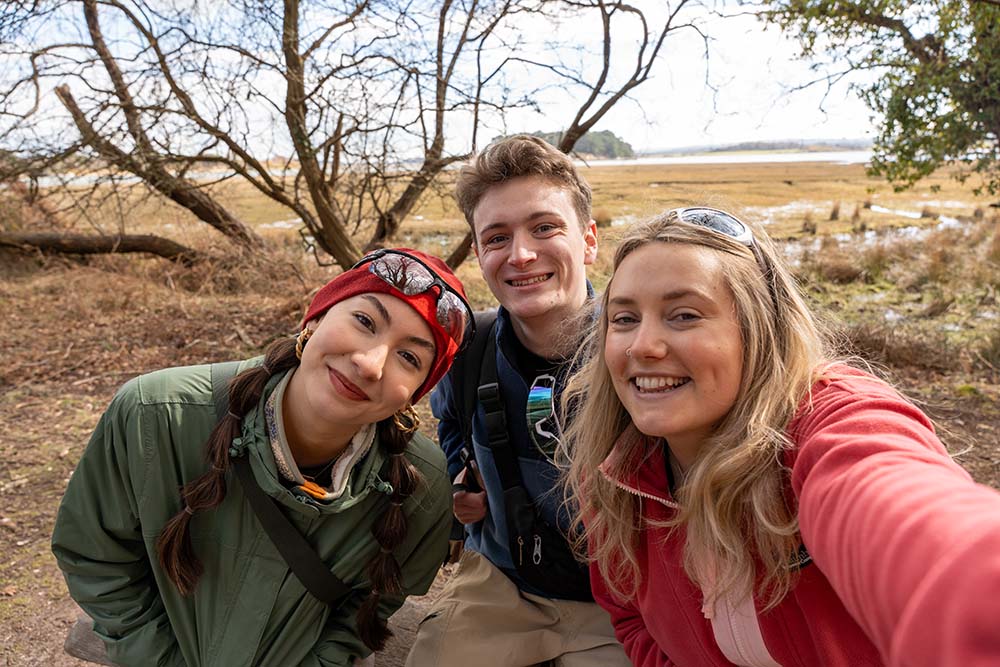
Kasley Killam on social health and connection
“Social health is about our relationships”
Killam argues that social health deserves the same attention as physical and mental wellbeing. It is not about being popular or constantly social. It is about having the right level of connection for you.
Connection looks different at different life stages. A student in halls, a new parent and someone in retirement will all face different social health challenges. In her book, Killam offers a practical framework for strengthening social health. The 5-3-1 Guideline.
What is the 5‑3‑1 guideline?
The 5‑3‑1 guideline is a simple framework for improving social health through regular, meaningful connection.
5 – Interact with five different people each week
This can include friends, family, colleagues, acquaintances or people you have just met. Variety matters, even brief, everyday interactions count.
3 – Nurture at least three close relationships
Focus on the people you trust and feel most yourself with. Strengthen these connections by making plans with them, listening and sharing openly.
1 – Spend around one hour a day on meaningful connection
This does not have to happen all at once or always in person. Walking together, talking, calling or even writing a letter or card.
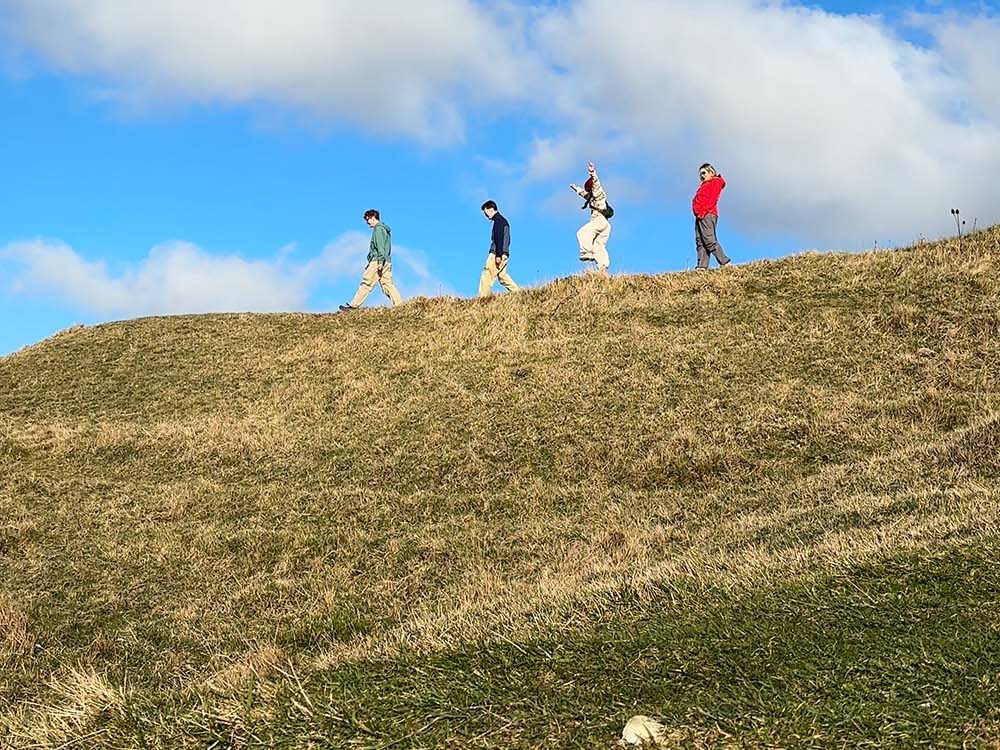
How walking and hiking groups fit the 5‑3‑1 guideline
The 5‑3‑1 guideline offers a simple way to think about social health. Walking and hiking groups support all three parts of it, whether you are meeting new people or spending time with friends you already know.
Five people a week
Group walks make it easy to interact with a range of people in a single setting. You might chat briefly with one person, walk alongside another for a while, or exchange a few words at the start or end of the route. These small interactions still count. Even light, everyday social contact can improve mood and increase a sense of belonging.
Three close relationships
Regular walks also create space to strengthen existing friendships. Suggesting a short walk instead of another message in a group chat can help turn online connection into real life time together. Walking side by side often makes conversation feel easier and more open, especially for friends who struggle to find time to meet. Over time, these shared routines help deepen trust and familiarity without needing to plan anything elaborate.
One hour a day of meaningful connection
A walk can easily last an hour or more, meaning it contributes significantly to daily connection time without adding extra commitments. Whether it is a weekly group hike or a regular walk with friends, you are combining movement and social time rather than trying to fit both in separately.
By using walking as a reason to meet, walking and hiking groups make the 5‑3‑1 guideline practical. They help you stay socially connected, strengthen friendships and build meaningful time with others into everyday life. As we say at ordnance Survey – it’s time to get real!

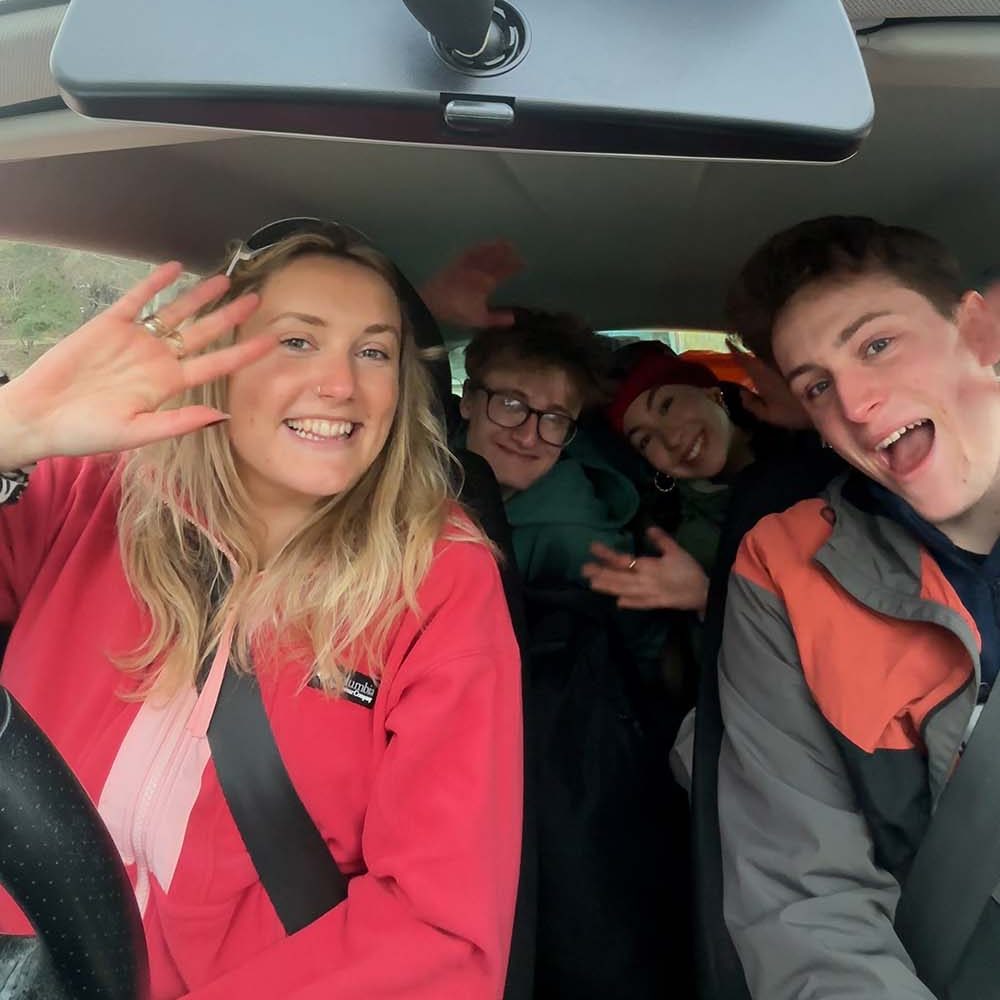
Getting started with a local hiking group
How to find the right walking group for you
Start with a simple search
Begin with Google or ask on your local Facebook page. Something as straightforward as “local walking groups near me” is often enough to uncover options you didn’t know existed.
Refine your choices
Some groups will immediately appeal, while others may not feel like the right fit. Take a little time to read any reviews or comments where you can. Remember, not every walking group has a polished website or a marketing expert behind it. A simple Facebook group or noticeboard listing can be just as welcoming. If you are unsure, message or call the organisers in advance to ask a few questions and see how it feels.
Start small and build confidence
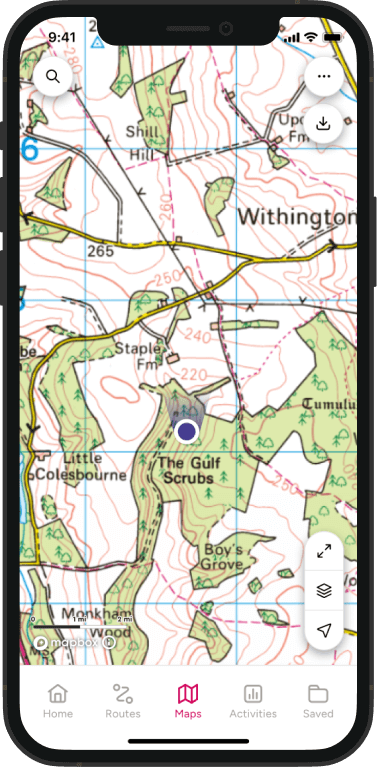
Look for shorter, beginner or moderate walks to begin with. Routes are usually shared in advance, giving you time to decide if they suit you. Tools like OS Maps can help you check distance, elevation and terrain so there are no surprises on the day.
Choose walks in your comfort zone
Pay attention to walk length, pace and terrain. Starting with something that feels manageable makes it easier to relax and enjoy the social side. This is about making connections, not ticking off summits.
Let the leader know you are new
Most groups are used to welcoming newcomers and will be happy to help you settle in. Many have online forums or contact details where you can introduce yourself beforehand and ask what to expect.
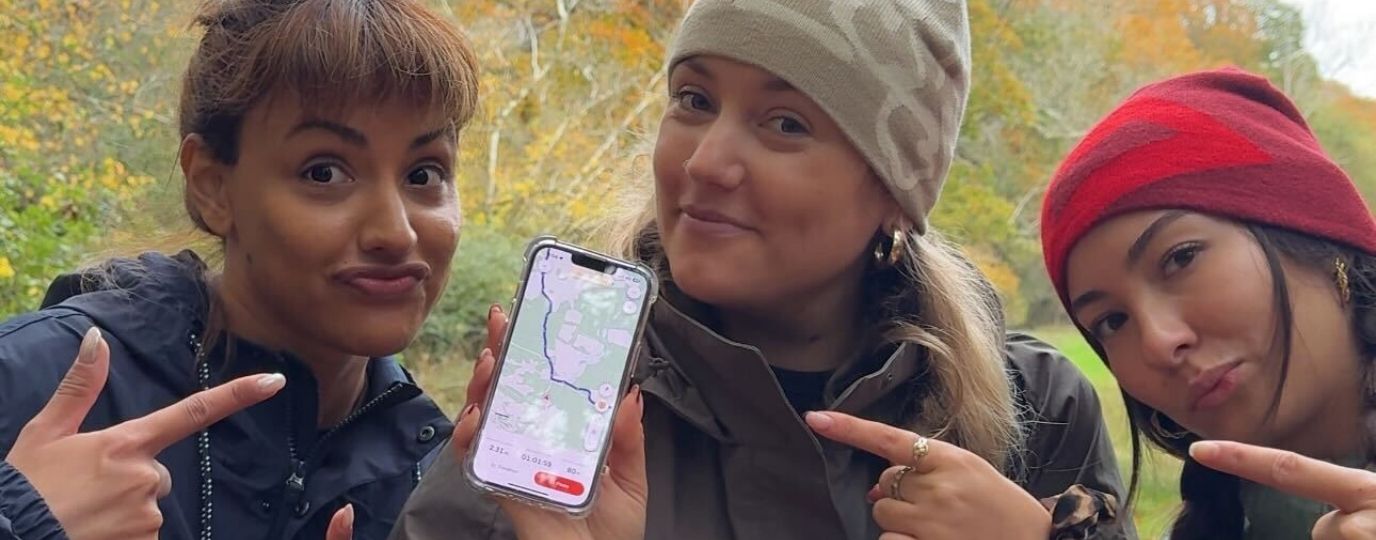
Social health grows through shared experience
Killam encourages us to be proactive and intentional about connection. Not in a forced way, but in a steady, human one. Joining a local hiking group will not fix everything overnight. But showing up, walking alongside others and being part of something regular can gently rebuild what modern life often erodes.
A note on getting extra support
Walking with others can help support social health, but it is not a substitute for professional care. If you are feeling very low, overwhelmed or struggling to cope, it is important to seek support from a health professional.
You can start by speaking to your GP, or by contacting NHS 111 for mental health advice if you are unsure where to turn.
If you need to talk to someone right now, Samaritans are available 24 hours a day on 116 123, free from any phone in the UK. You do not have to be in crisis to call. Reaching out for help is a positive step, and support is available.
Further reading
- Office for National Statistics – Community Life Survey (loneliness and age)
- Mental Health Foundation – Loneliness in young people
- King’s College London – Social media use and loneliness in young adults
- Kasley Killam – The Art and Science of Connection
25 Science‑Backed Benefits of Hiking (and How to Start)
We share 25 RESEARCH BACKED benefits of hiking for heart, mind and wellbeing, plus easy tips, kit basics and how OS Maps can help you get outside.
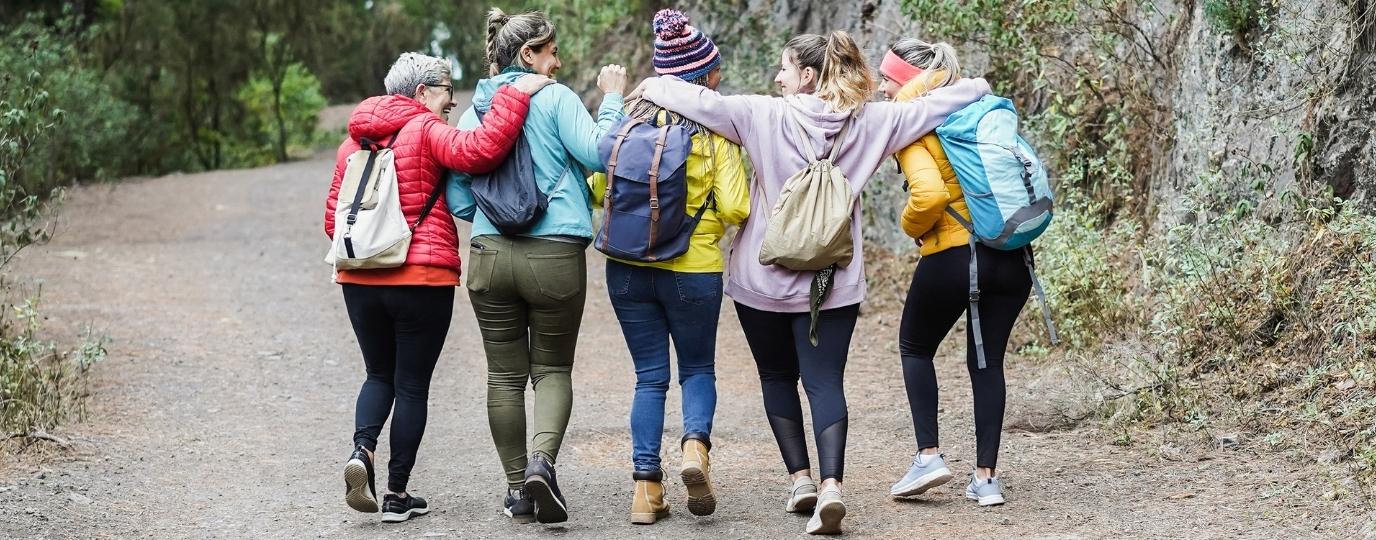
A List of Women’s Adventure & Hiking Groups to Join in the UK
A list of UK female only adventure and hiking groups – the best place to start to build outdoor confidence.
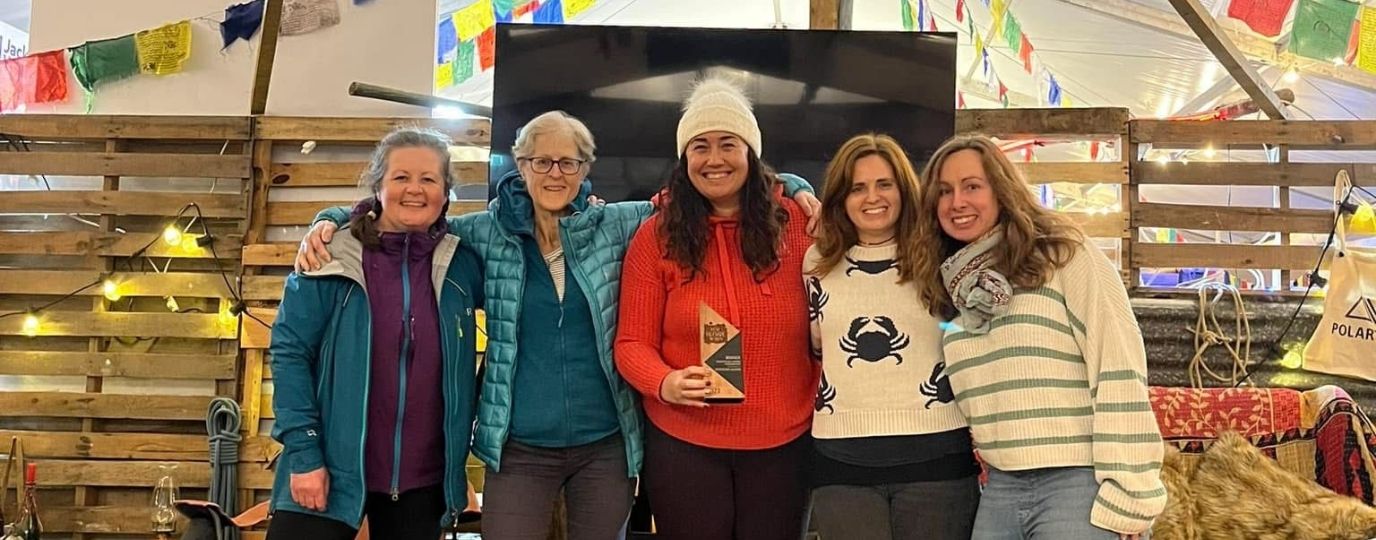
How joining a women-only group can help you get outside and meet others
OS Champion Natasha Sones talks about the benefits of joining a female only group to build confidence in the outdoors
By Hilary Pullen
Meet Hilary, Editor of Get Outside – the Ordnance Survey Blog. Hilary is based in North Wales and loves hiking with her dogs in the mountains of Eryri and Bryniau Clwyd, you can find her on Instagram @nearlyuphill and read her guides to walking in North Wales on her blog. Drop her an email hilary.pullen@os.uk if you are interested in posting an article on Get Outside.