What does it mean to feel truly connected to the world around us?
It’s a question that sits at the heart of our Get Real campaign, which encourages people to step away from the noise of everyday life and reconnect with the things that matter most. For bushcraft instructor and Wilder Horizons founder Eva Outram, that connection comes through time spent outdoors, learning practical skills, building confidence and sharing experiences with others.
We caught up with Eva to talk about the moment she realised her life needed to change, why so many people are craving a stronger connection with nature, and what happens when we swap endless scrolling for real world experiences. From her time on Alone UK to creating women only outdoor experiences that help complete beginners feel at home in wild places, Eva has seen first hand how transformative time outdoors can be.
It’s a conversation that feels particularly relevant today. UK adults spend an average of around four and a half hours online each day, while younger adults spend more than six hours online daily on average. Much of that time is spent on smartphones, often leaving less time for face to face connection, outdoor activity and genuine downtime. Research has also found that more than a third of adults say doomscrolling affects their sleep, highlighting the impact that constant screen use can have on our wellbeing.
As we chatted with Eva, one message came through again and again: adventure doesn’t need to be extreme. Sometimes the biggest changes begin with something as simple as putting your phone away, stepping outside and paying attention to the world around you.
In this interview, Eva shares her thoughts on community, confidence, bushcraft and why a life that feels a little more wild might be closer than you think.
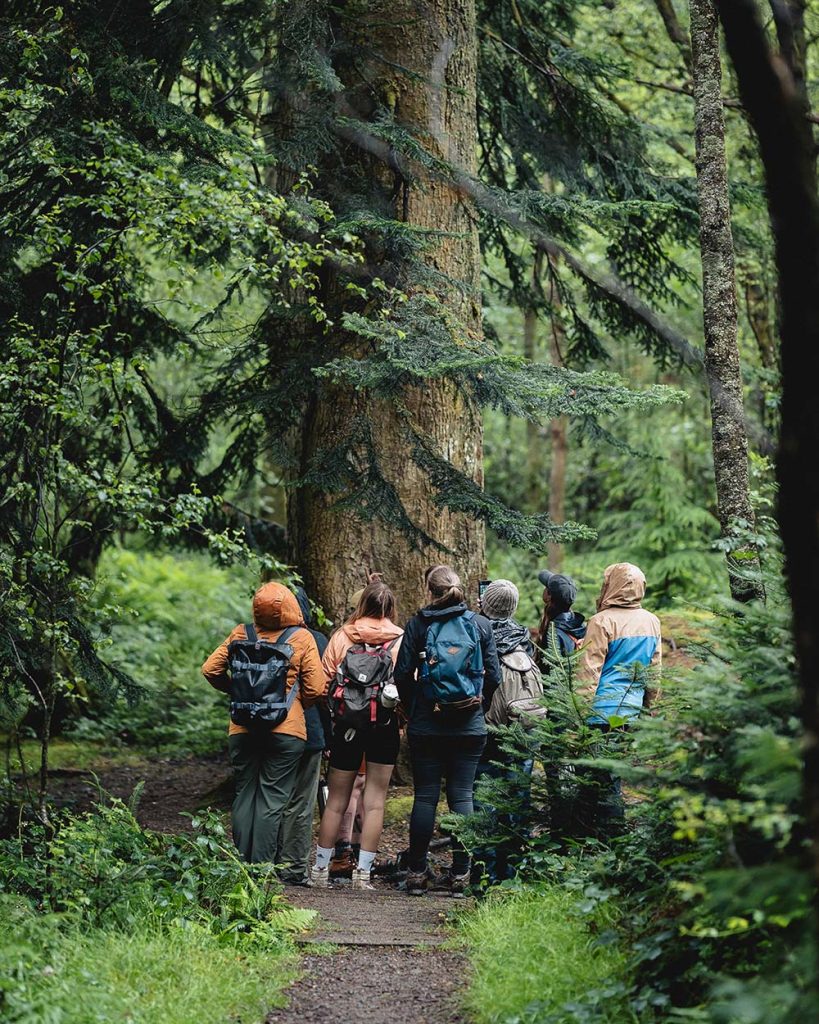
In interviews you’ve spoken about leaving your NHS career, and on your website you talk about finding it difficult to return to life as normal after your time on Alone. Looking back, what no longer felt right about your old life, and what were you searching for instead?
Even before leaving to go on Alone, I had always felt a strong sense of dissatisfaction with my working life. I studied philosophy at university and loved it, but explored multiple career paths whilst studying and none of them ever felt right. I kind of fell into the NHS after seeing a friend applying for their graduate programme in a lecture and deciding that I should at least apply for something, if only to appease my parents. Thirteen rounds of tests and interviews later, I was somehow a shiny new NHS graduate.
I worked in the NHS for four years in various roles, but coming home after spending such an extended period of time totally away from my “real life” showed me very clearly that I had been living my life and making decisions based purely on what I thought other people expected of me. I returned to my life with what I call a “fresh set of eyes” and saw my life for what it was and how it felt to me, not how it looked to other people. I realised that I would be miserable for the rest of my life if I didn’t make some significant changes.
You often speak about feeling more connected to nature and less connected to modern, screen driven culture. Do you think that’s something more people are feeling, and why?
Yes, absolutely. I think the rise of social media initially allowed people to connect with like minded people and learn about things that interested them. These days, however, we have become so reliant on our screens for almost everything that we have lost connection both with each other and with the real world.
People are feeling the effects of that disconnection really intensely in the form of a loneliness epidemic, poor mental health and reduced access to outdoor spaces. The vast majority of the events I run are held in places where there is no mobile phone signal. People are often apprehensive to begin with when they find that out, but by the end of a weekend they feel a level of calm that they haven’t been able to access for years simply because they have been screen free for two full days.
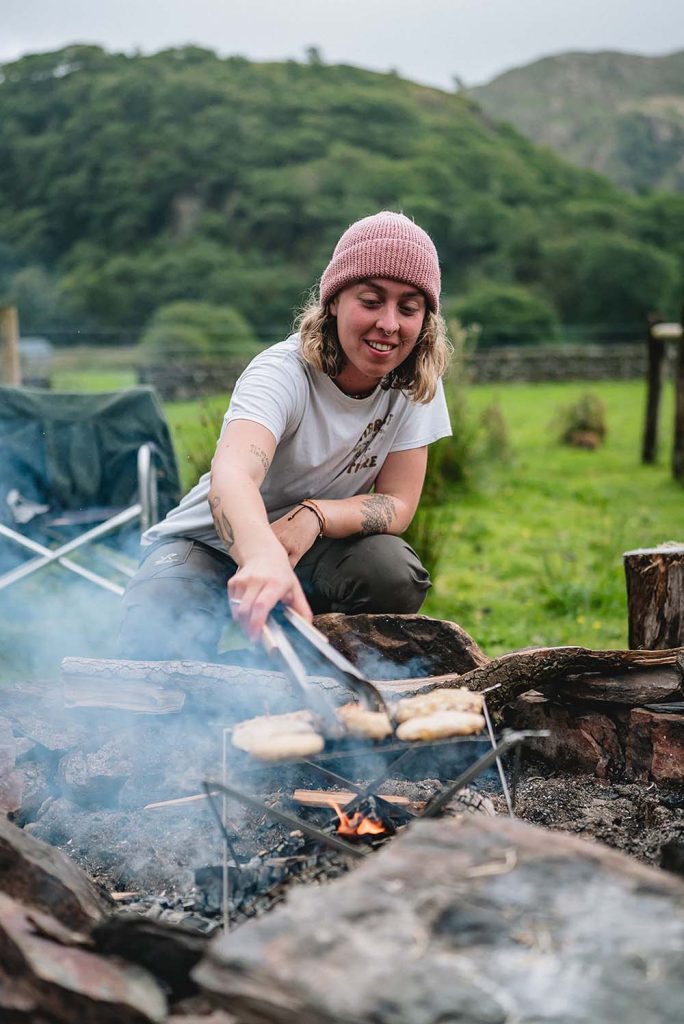
A lot of people assume bushcraft is just about practical skills like fire lighting or shelter building. But people seem to take much more away from your events. What do you think keeps drawing people back to bushcraft today?
I think that bushcraft as an industry and skill set has been given entirely the wrong reputation by the media in recent years. People seem to think that you have to be chopping down trees and shooting deer with a bow and arrow to qualify as a bushcrafter, but I don’t believe that’s the case at all.
For me, bushcraft is a way to connect with the natural world in a way that feels reciprocal rather than the “take, take, take” mentality that modern society seems to have instilled in us. During my courses, women learn how to identify trees and edible plants in a way that makes them feel connected to nature, but they also learn how to forage responsibly and identify signs of disease or ageing in plants and trees.
We light fires using primitive methods, but then sit around the fire and discuss its value and importance for us today and for our ancestors too. Unlike many of the other outdoor activities on offer these days, there is never any sense of competition within bushcraft. There is no summit to reach or physical hardship to endure. There are only new things to learn and the natural world to connect with.
People leave not only with a new skill set and appreciation for wild things, but also a sense of empowerment and connection with the rest of the group, something that is only built through shared experiences in wild places.
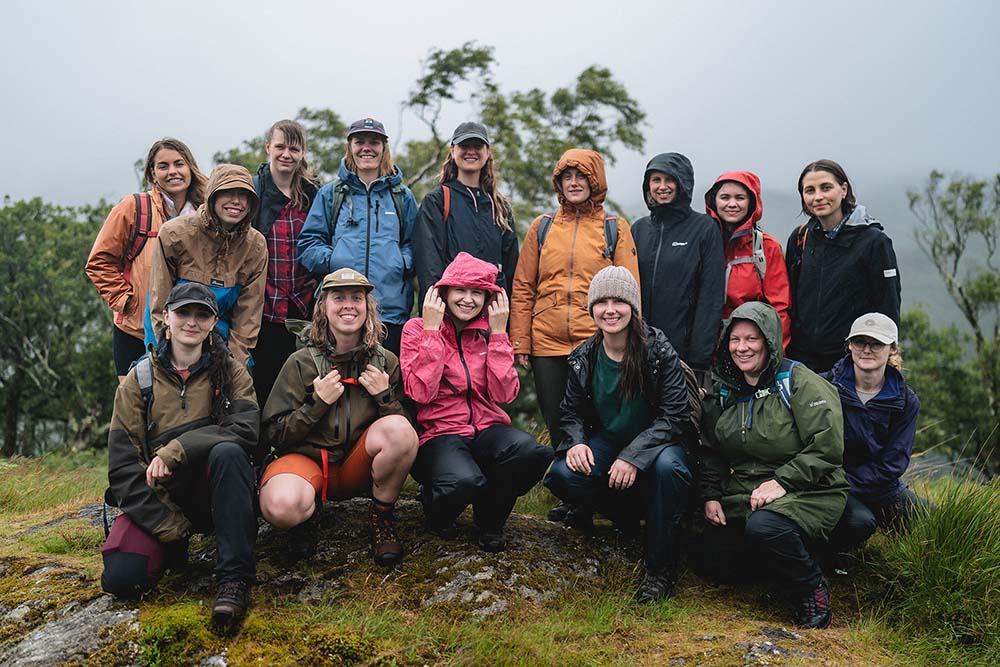
You’ve built Wilder Horizons around women only outdoor experiences. Was there a particular moment when you realised those spaces were needed?
I ran my first ever beginner bushcraft day back in October 2023 out of a personal love of bushcraft skills and a desire to share them with others. The event was open to anyone, but I realised once I arrived that it had been exclusively women who had booked on.
So much of the feedback I gathered from that first event focused on how the women only group had created a safe space for attendees to ask questions and challenge themselves, knowing they would be supported by the rest of the group and never made to feel like they didn’t belong there.
I absolutely loved the energy and dynamic that the women only group created and, from then on, that was it.
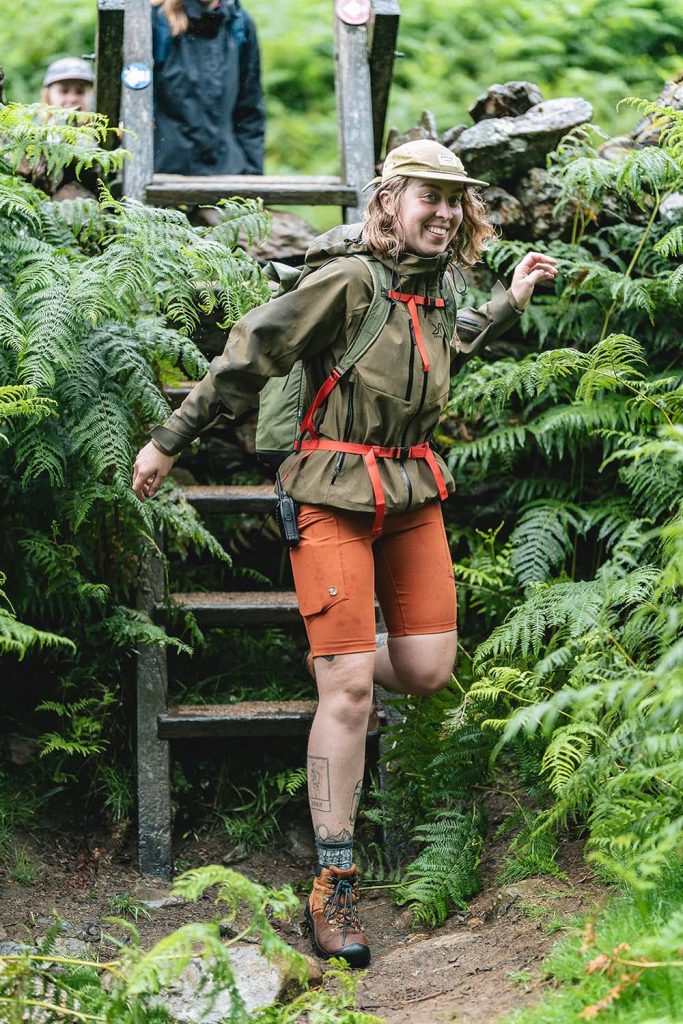
Lots of people tell themselves they’re not adventurous enough, fit enough or knowledgeable enough to spend time outdoors. What are the most common barriers you see, and how do people change once they take that first step?
I see this all the time, especially in women, and I think it’s such a shame that people feel they need a certain level of fitness or experience to simply get outdoors because it absolutely isn’t the case.
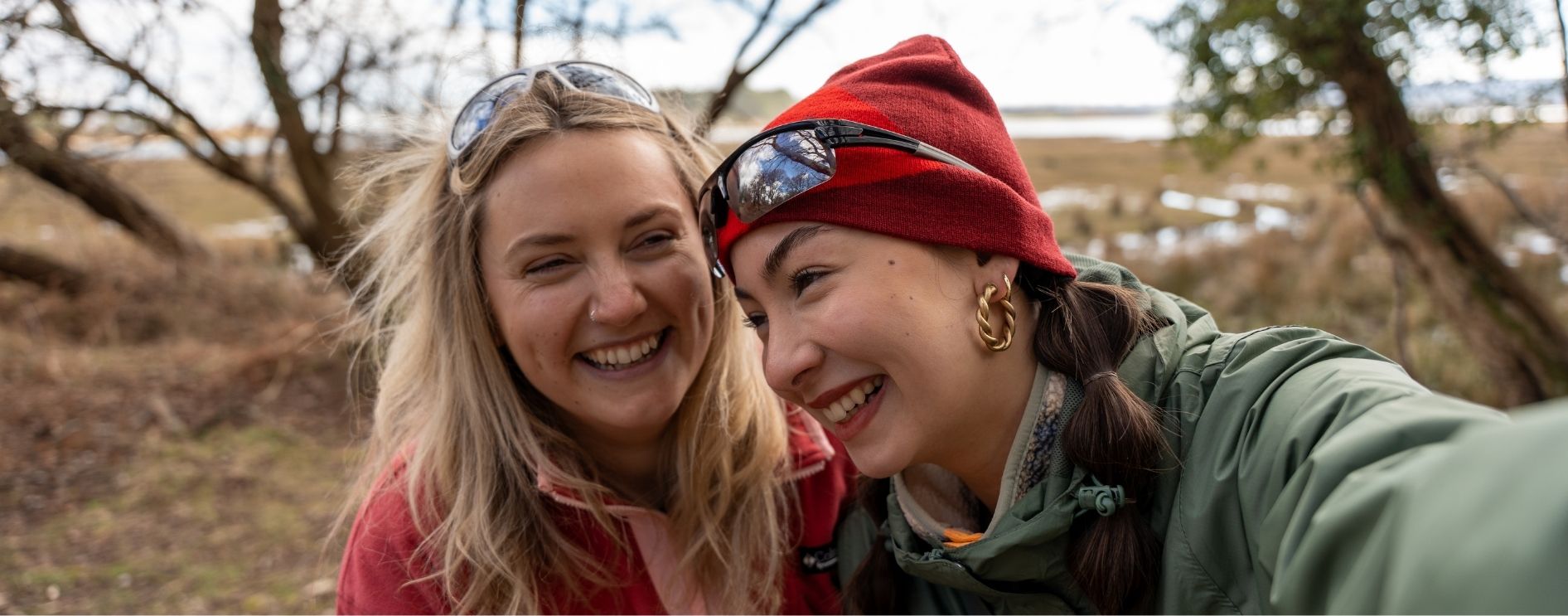
I think the best way to break down barriers is to join a group of people already doing something you would like to try and do it with their support. Lots of the women who attend Wilder Horizons events have never done anything like it before and arrive apprehensive, but always leave with a real excitement to go away and put their new skills into practice.
It’s one of my favourite parts of the job receiving messages and emails from previous course attendees lighting their own campfires at home and heading out on hikes with friends after learning skills on one of our courses.
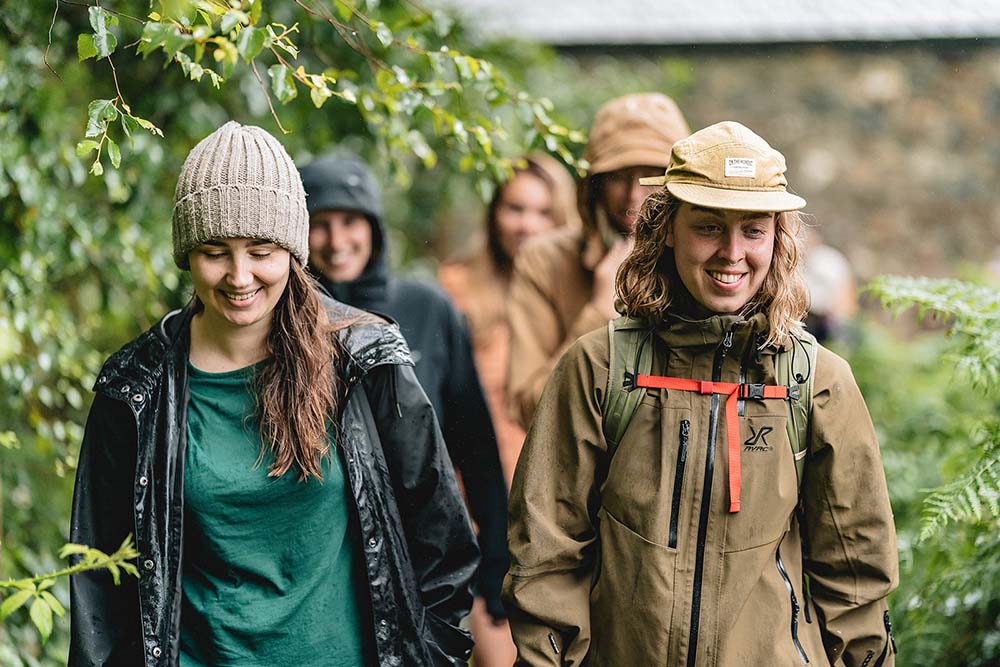
Our current campaign is called Get Real, and it’s all about stepping away from the noise and distractions of everyday life. When do you feel most “real”, most yourself, and where are you usually when that happens?
I definitely feel most real when I’m sitting around a campfire in the evening surrounded by good company.
There are few better things than the easy flowing chat that comes when a group of people sit around a fire. There are no expectations and nothing to do but sit and enjoy being around other people in the great outdoors, and I would recommend it to absolutely everyone.
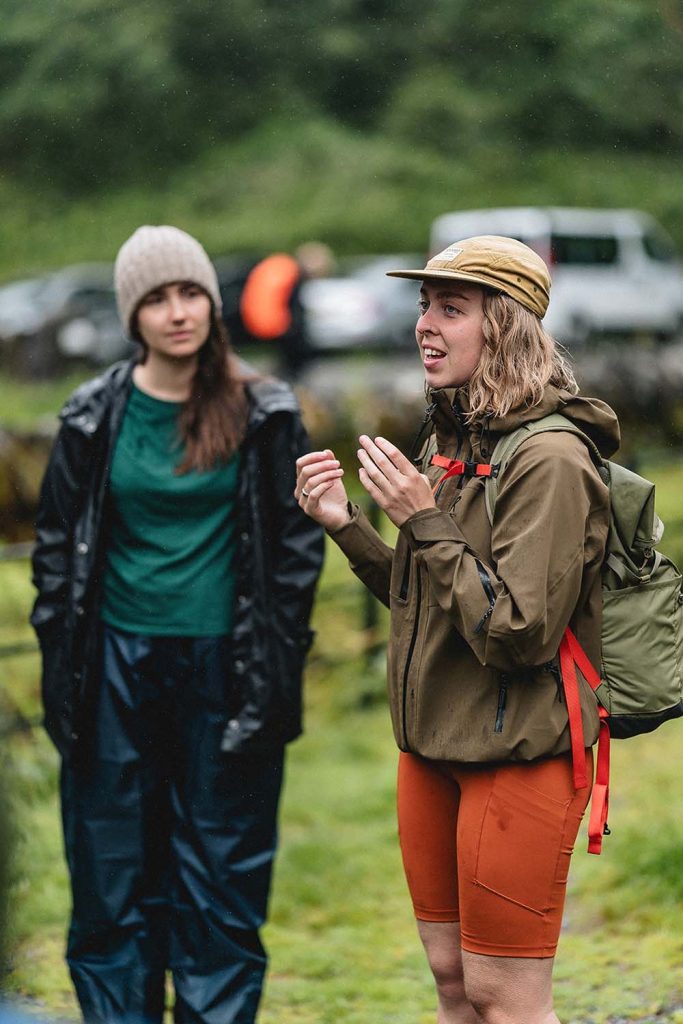
Your Instagram gives people a window into your adventures and has grown a huge following. Do you ever feel pressure to constantly create content, and how do you balance sharing your experiences with simply being present outdoors?
I think anyone who loves their job would say the balance between work and downtime can be a tricky thing to navigate, and I have definitely fallen into that trap a few times.
Sharing your life online means that the lines between what is work and what isn’t can become very blurred, so it’s all about boundaries for me. I don’t post on weekends and I frequently head off on adventures where I don’t take a single photo. They’re all about actually switching off and being present.
I went to India for two weeks at the beginning of the year and chose not to share a single thing about it. I was there purely to experience the country and creating any kind of content would have turned it into work.
Living in a caravan also means that I feel connected to nature on a daily basis, so I get that feeling of being present outdoors as soon as my laptop shuts at 5pm each night.
Community seems to be at the heart of so much of what you do. What is it about sharing outdoor experiences with other people that seems to create such strong connections?
If my time on Alone taught me anything, it is that human beings are supposed to be both outdoors and connected to one another.
I spent 23 days totally alone in the Canadian wilderness with next to nothing to eat. I actually ate so little I lost 25% of my body weight. Even with that level of hunger, given the option between a roast dinner and a conversation with a loved one, I would have chosen the latter in a heartbeat. That demonstrates to me just how vital community is to our sense of wellbeing.
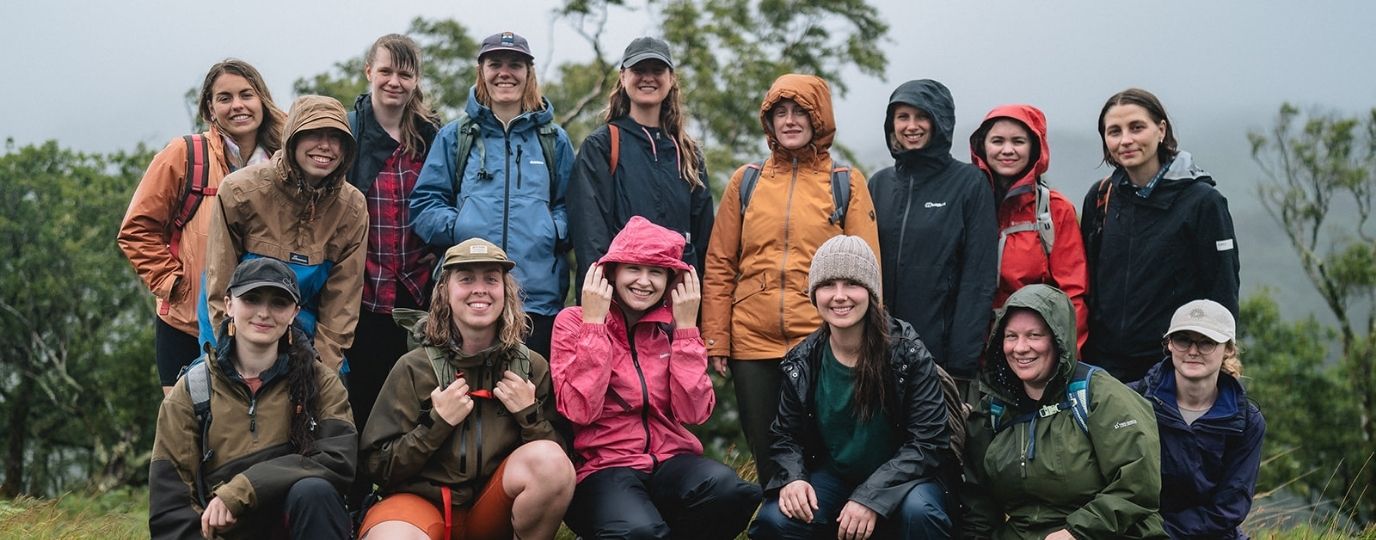
Over 90% of Wilder Horizons attendees join an event solo and everyone leaves with a new group of like minded friends. Outdoor experiences provide a sense of connection as people take part in a shared experience, but they also provide a healthy dose of gentle challenge too.
Seeing women who have only met a handful of hours earlier support each other like lifelong friends is an incredible thing to witness, and I’m honoured to have been able to facilitate that for so many people.
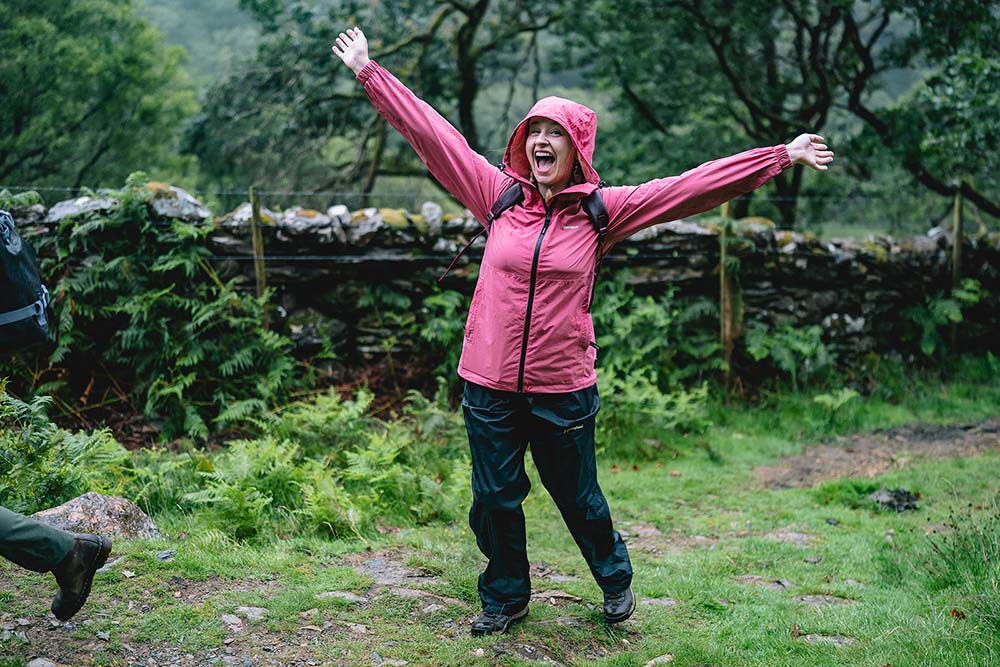
If someone is reading this while feeling stuck in a routine, spending too much time indoors and wondering whether they need a change, what would you say to them? What’s the smallest first step they could take towards a life that’s a bit more wild?
I grew my Instagram following predominantly through a series I called Mini Adventures After Work, where I showcased numerous ways to get outdoors and inject a bit of adventure into your life midweek.
I would say the first step is to stop waiting for the weekend or for other people to create the plans for you. Take something that you already do, like drinking your morning coffee or eating your evening meal, and take it outside.
Drink your coffee in the park. Take your dinner in a tupperware box up a hill and eat it outdoors while watching the sunset.
Adventure doesn’t have to be expensive or require weeks off work. It can start right where you are, today, and it can be totally life changing.
Time to Get Real…
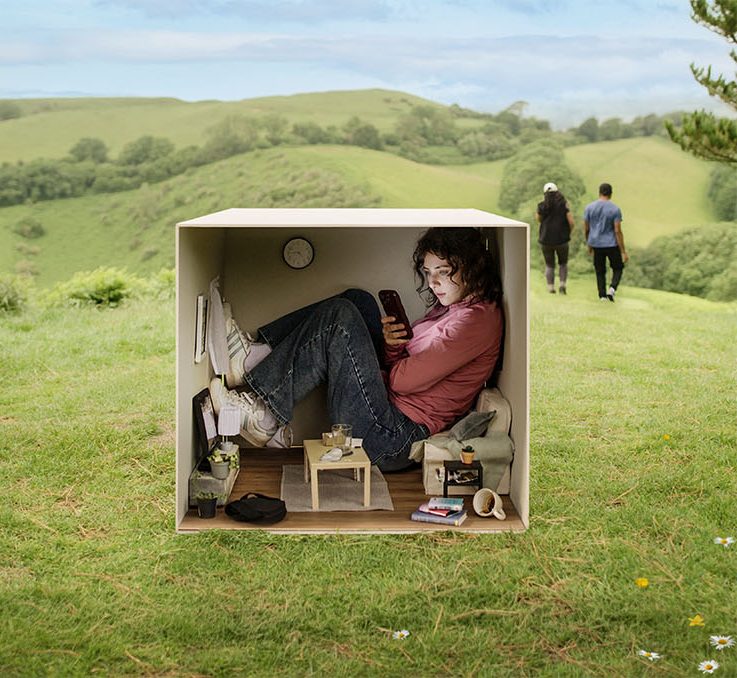
After speaking with Eva, it’s clear that her work isn’t really about campfires, foraging or bushcraft skills alone. It’s about helping people rediscover confidence, connection and a sense of belonging outdoors.
Throughout our conversation, she returned to themes that will feel familiar to many of us: feeling disconnected from modern life, spending too much time looking at screens, and longing for something more meaningful than another hour spent scrolling. Her answer isn’t to abandon modern life altogether. Instead, it’s to make space for real experiences, real conversations and real connections with nature.
That idea couldn’t align more closely with the spirit of our Get Real campaign. Whether it’s eating dinner outdoors instead of in front of a screen, joining a local group, learning a new skill or simply spending more time noticing the world around you, small actions can often lead to the biggest changes.
If Eva’s story has inspired you to take your own first step towards a more adventurous life, follow her journey on Instagram at @eva__exploring and discover her women only bushcraft and outdoor experiences through Wilder Horizons.
OS WOMEN OUTDOORS
The outdoors is for everyone… confidence starts with a single step
Visit the OS Women's Hub
By Hilary Pullen
Meet Hilary, Editor of OS Maps Discover. Hilary is based in North Wales and loves hiking with her dogs in the mountains of Eryri and Bryniau Clwyd, you can find her on Instagram @nearlyuphill and read her guides to walking in North Wales.
If you would like to be a featured OS Author and write an article or route guide find out more here – how to submit an article idea