A Vision for a Wilder Wales
Tir Natur is a Welsh charity dedicated to nature recovery through rewilding. It was established in 2022 by a group of people who shared a concern about the state of nature in Wales and a determination to do something positive about it.
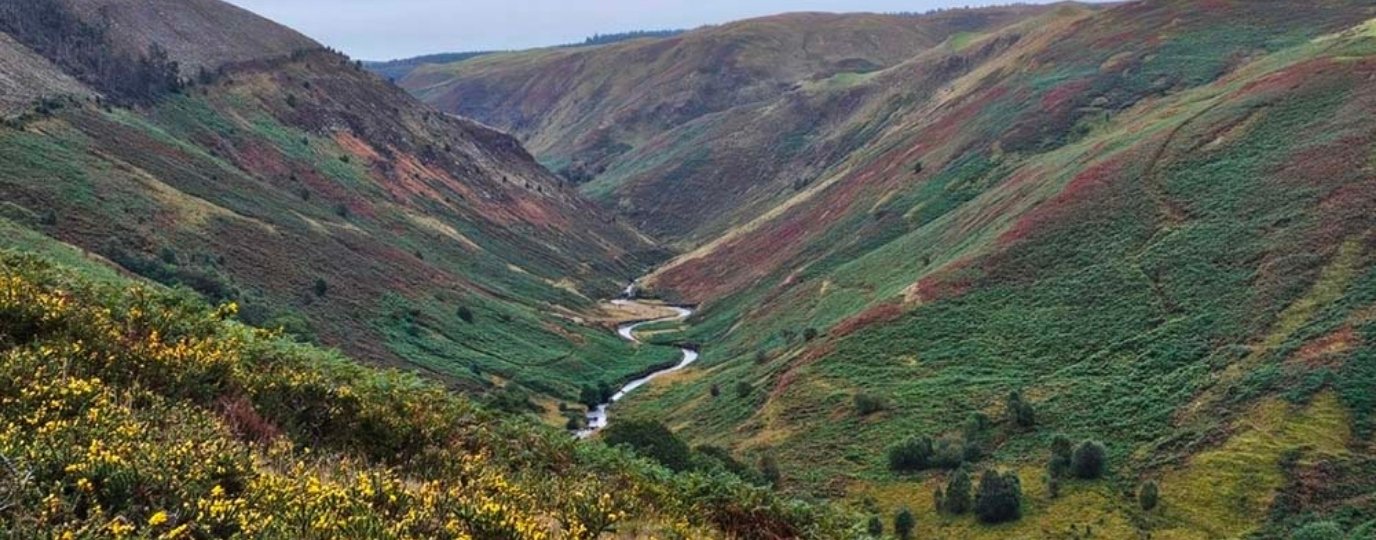
Their flagship project is here in Cwm Doethie, where they have secured 1,195 acres of land with the ambition of creating Wales’s largest rewilding project.
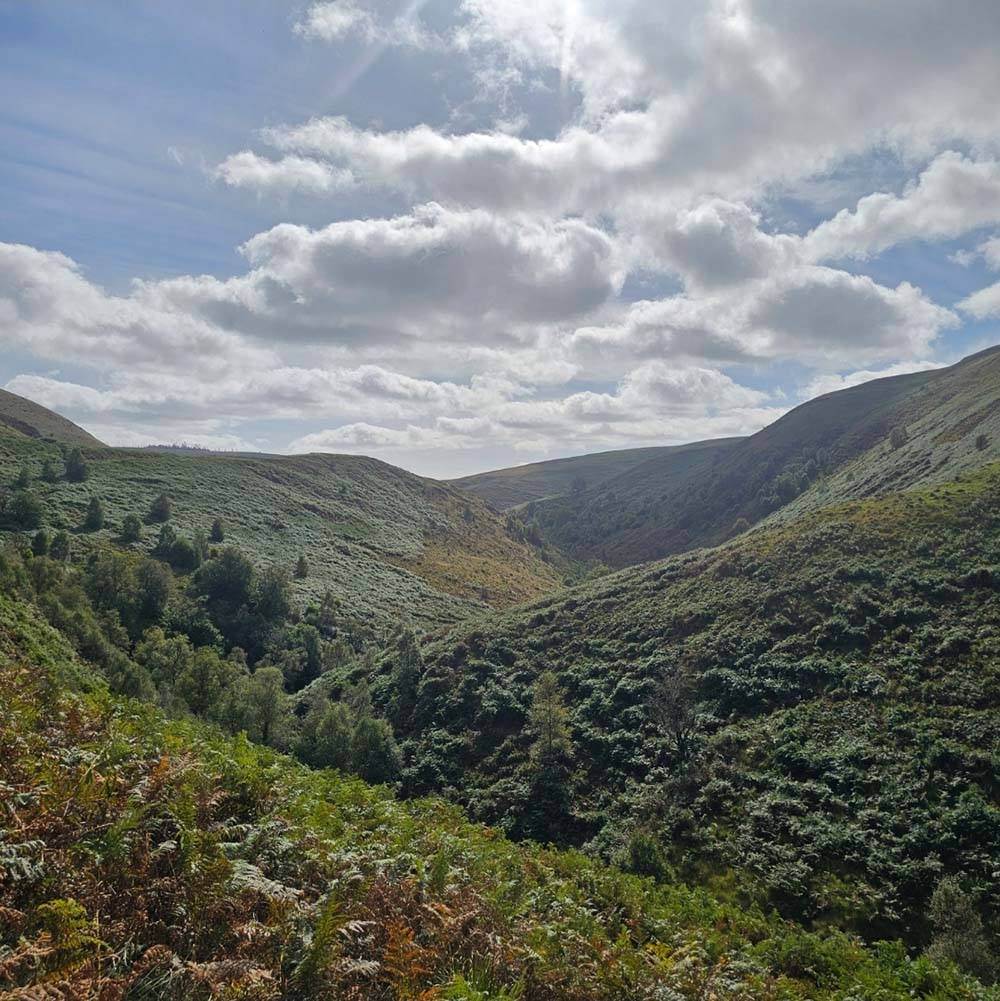
But rewilding isn’t simply about leaving land alone. Tir Natur’s vision is to restore natural processes and give nature the space and conditions it needs to recover. Their plans include restoring peatlands, encouraging native trees and plants, improving river corridors and creating a greater variety of habitats. Small numbers of hardy grazing animals, including cattle, ponies and, when appropriate, pigs, will play an important role in helping shape that landscape.
Crucially, this isn’t a project where people are being forgotten. Tir Natur wants Welsh communities, culture, history and the Welsh language to remain at the heart of the landscape, while keeping the land open for people to explore and enjoy.
Standing in the Doethie Valley, that balance between nature recovery and cultural heritage really resonated with me. To see the landscape for myself, I joined a guided walk with Tir Natur through the Cwm Doethie. Over the course of the day we explored ancient woodland, peatland and river habitats, while learning more about the charity’s vision for nature recovery and the role this remarkable landscape could play in Wales’s rewilding future.
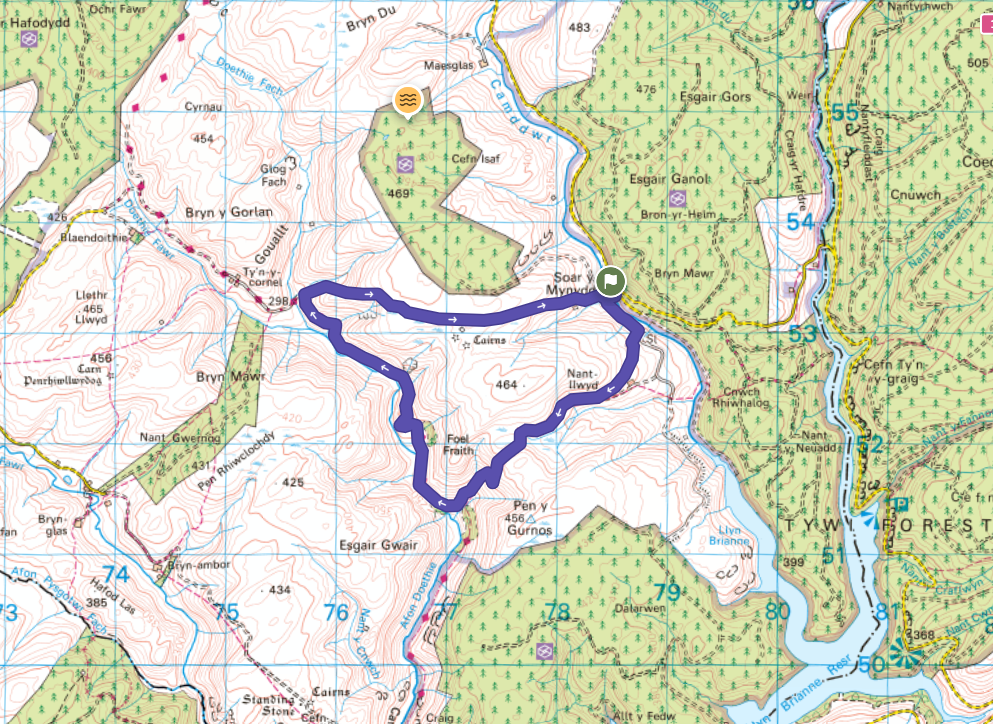
A landscape shaped by people
One of the things that struck me most during the walk was just how much evidence there is of people who once lived and worked here.
Scattered through the valley are the remains of old farmhouses and stone buildings. You can still make out doorways, windows, fireplaces and small openings that may have been used as bread ovens. There are old sheep folds, burial cairns and historic sites, reminders that this remote landscape was once home to communities.
It is difficult to imagine what life must have been like here, particularly through the harshest winters.
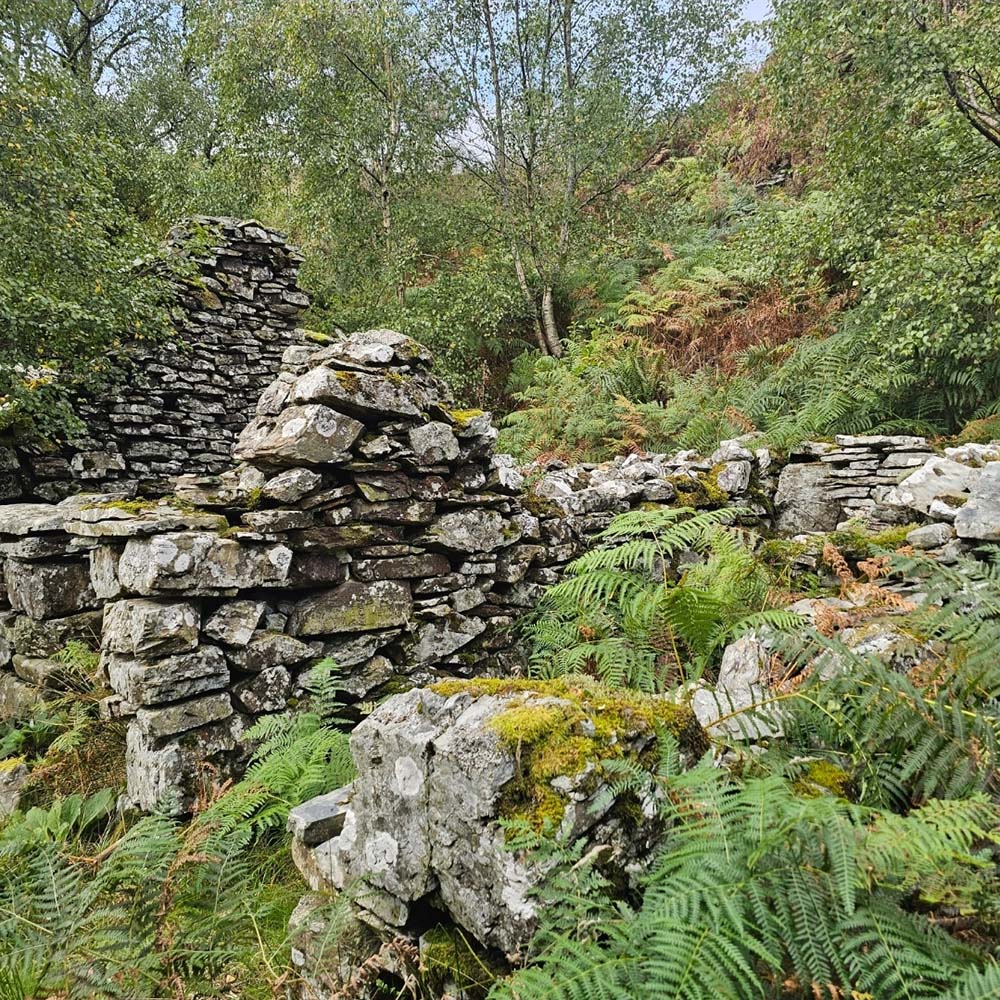
We heard stories of the terrible winter of 1942, when prolonged snow and blizzard conditions made life in the valley incredibly difficult. People and livestock died, and some families eventually moved away towards the towns and never returned.
As you walk among the ruins today, it is strange to think that these quiet hills were once a much busier place. The houses may have disappeared, but the landscape still carries traces of the people who lived here.
Perhaps that is one of the most interesting things about Tir Natur’s vision. This isn’t about turning the clock back and pretending people never existed here. It is about finding a future where nature and people can once again be connected.
A valley shaped by water
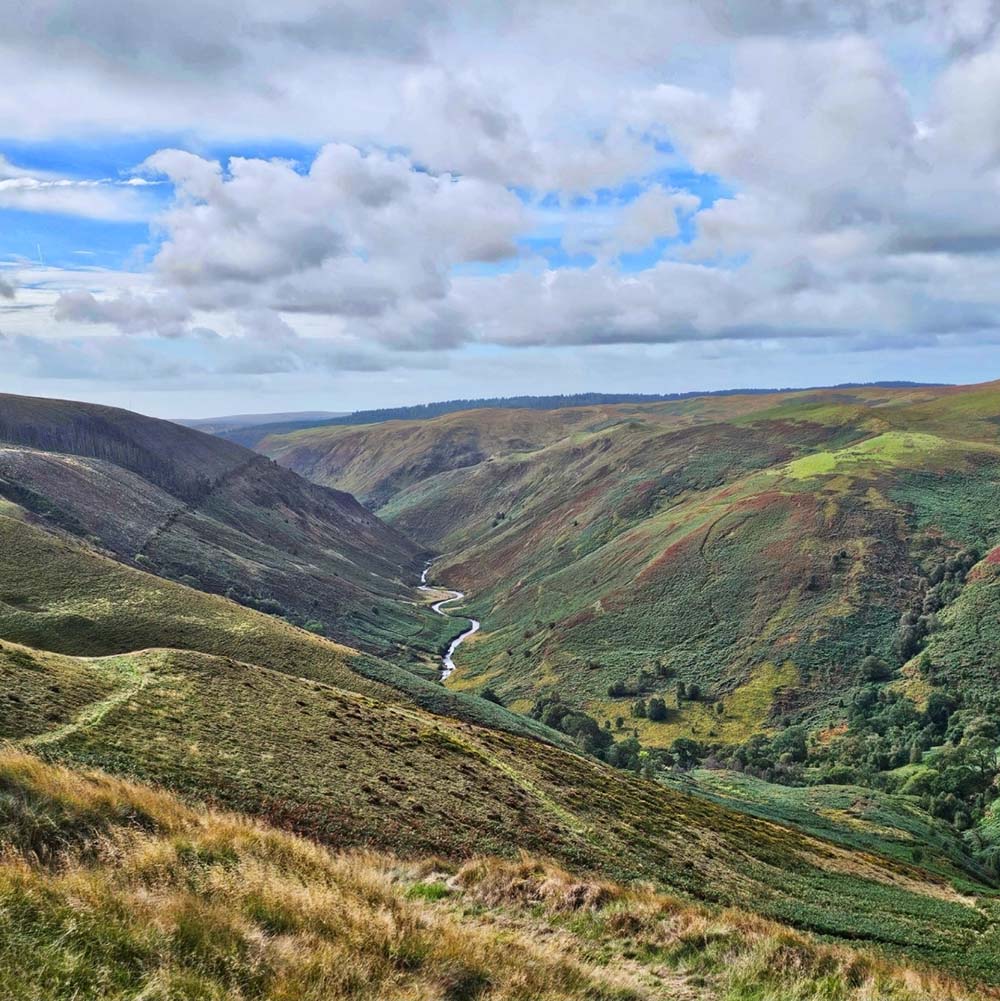
The River Doethie winds through the valley, passing waterfalls, woodland and open ground. In places, you can hear the power of the water before you can even see it.
Our guide explained how the speed and movement of the river can have a huge influence on the landscape around it. Where water rushes quickly, it can erode riverbanks and carry soil, sediment and gravel downstream. Over time, this can make channels deeper and steeper, allowing water to move even faster.
The vision is to encourage a more natural, varied river system with pools, bends, slower-moving sections and softer edges.
Those edges are incredibly important because the boundary between land and water is where you can find an abundance of life. Different depths, speeds, plants, wet ground and vegetation create a mosaic of habitats for insects, invertebrates, birds, fish and other wildlife. Rather than a hard-edged channel, nature thrives on complexity.
There are already beautiful birch and alder trees growing close to the river, species that are naturally suited to wetter conditions. Fallen trees can become part of that process too.
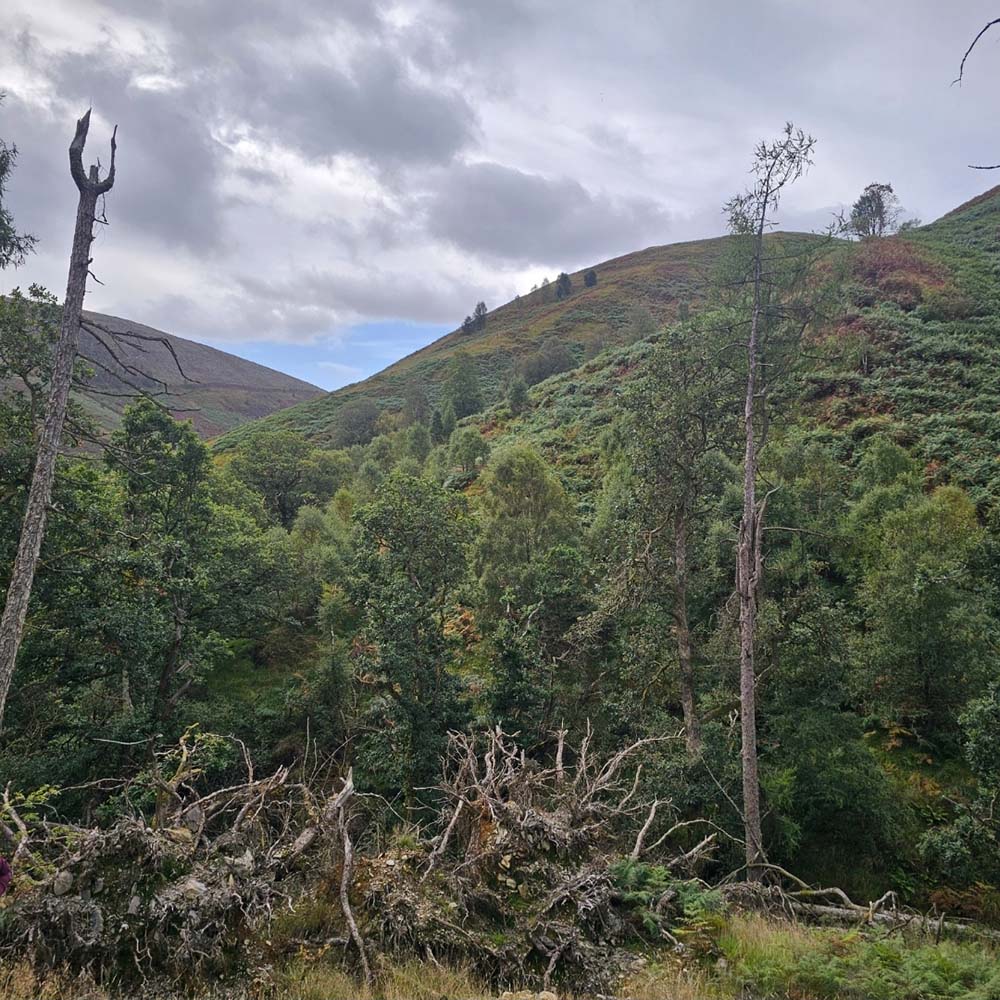
What might initially look like a tree simply blown down in a storm can become a new piece of habitat, slowing water, creating shelter and providing food and homes for countless organisms.
When a tree dies, a whole new world begins
One of my favourite moments on the walk was discovering an old dead ash tree absolutely covered in life.
Fungi, lichens, mosses and ferns were growing across it, while other plants were beginning to establish themselves among the decaying wood. A hazel and a birch were even growing from the old ash.
It was such a simple but powerful reminder that in nature, death isn’t necessarily the end. One tree can become the foundation for dozens of other forms of life.
Ash trees across Britain have been severely affected by ash dieback, although some individual trees appear to show greater resilience. Here in the valley, the old ash trees form part of an ecosystem that is far more complex than the individual trees themselves.
Ancient birch and temperate rainforest
The valley is also home to many ancient birch trees, which is unusual because birch is generally considered a pioneer species.
Birch is often one of the first trees to colonise open ground. Its tiny, lightweight seeds can travel on the wind, helping it establish where other trees struggle. Once established, birch can help create the conditions for other plants and trees to follow. Eventually, species such as oak can establish, gradually creating a more complex woodland.
Normally, as taller trees develop, they shade out pioneer species such as birch. Yet here, some birches have survived to become ancient trees in their own right.
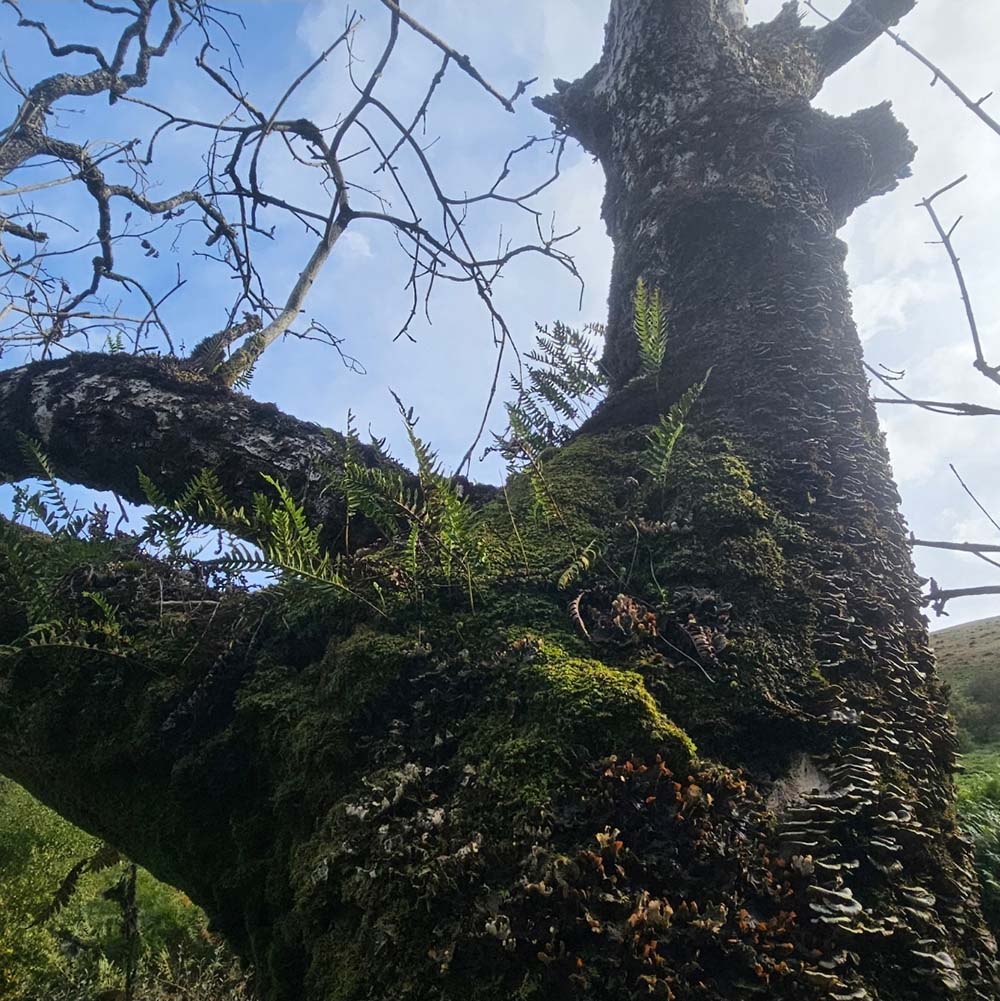
There are also many ancient oaks within the valley, forming part of the temperate rainforest landscape that makes this area so special. Tir Natur describes the site as lying within the temperate rainforest biome, with ancient sessile oak woodland protected within the Mynydd Mallaen/Cwm Doethie Site of Special Scientific Interest.
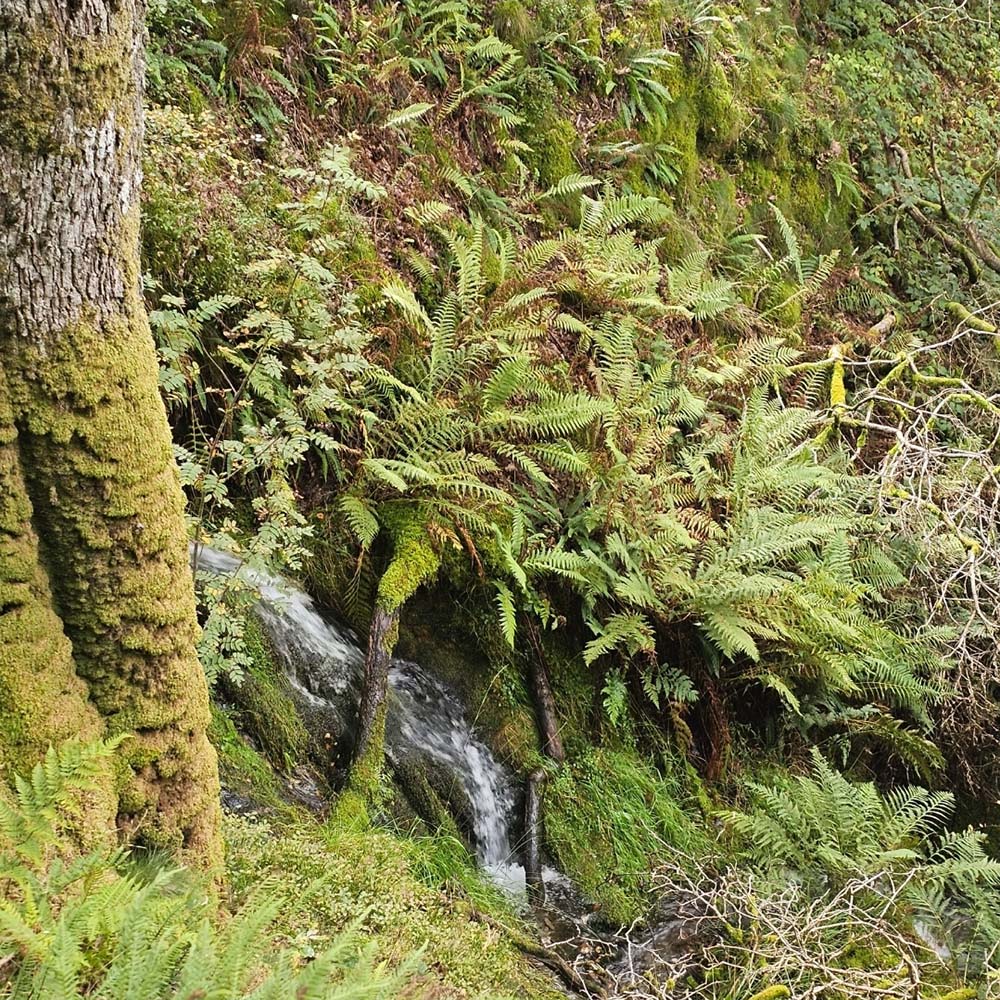
Look closely and the signs of that damp woodland environment are everywhere. Mosses cling to trees and rocks. Lichens cover branches. Ferns thrive in the shade.
It is a reminder that a rainforest doesn’t have to look like the tropical forests we imagine. Wales has its own rainforests, cool, wet and incredibly atmospheric.
The peat beneath our feet
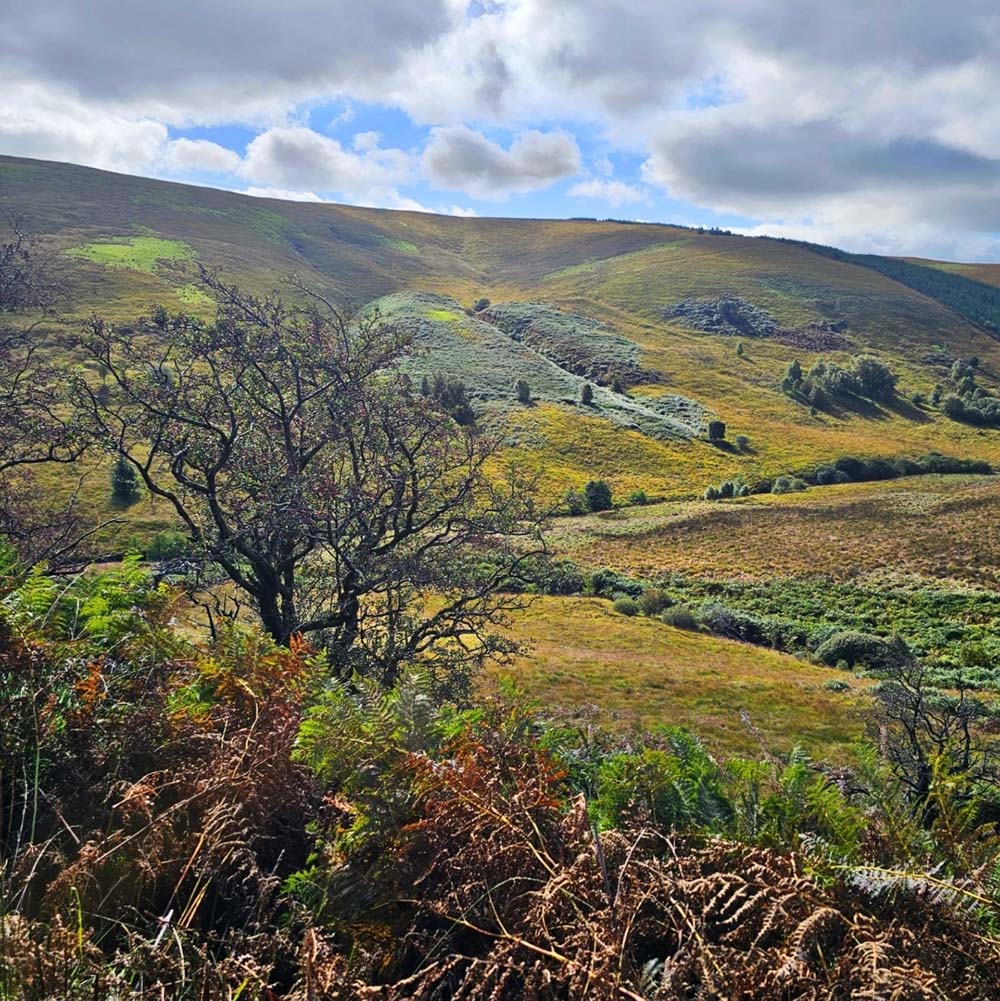
Further across the landscape lies another incredibly important habitat, the peatland.
Tir Natur’s land includes around 160 acres of degraded peatland, which they aim to restore through rewetting and other nature recovery measures.
Peat forms when plants grow and die in waterlogged, acidic conditions where decomposition happens very slowly. Over thousands of years, layers of partially decayed vegetation build up to create a remarkable carbon-rich store.
Healthy peatlands are incredibly important because they store carbon, hold water and provide habitat for specialist plants and wildlife. However, drainage can damage peatlands. Historically, drains were sometimes created to remove water from wet ground and make tracks or land easier to use.
During our walk, we could see water still moving through old drainage channels.
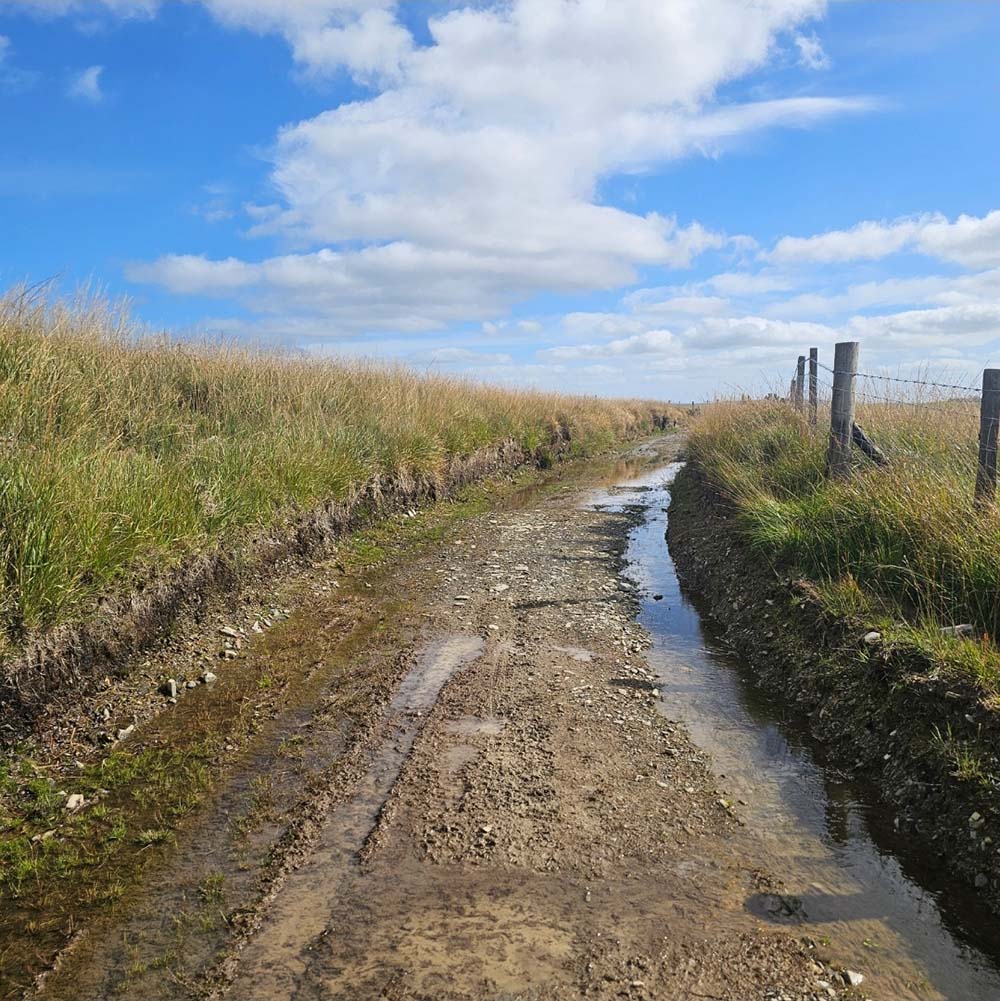
The answer isn’t to get rid of the water. In fact, it is quite the opposite. The aim is to keep water on the peatland.
One of the techniques being explored is to use natural materials such as timber to block drainage channels, helping water remain within the peat. As the wood becomes saturated and vegetation establishes, the system can help retain that water and create wetter conditions where peat-forming processes can recover.
A healthy peat bog should be wet, very wet. And when you walk across one, you can sometimes feel the ground move beneath your feet.
Purple moor-grass and a changing landscape
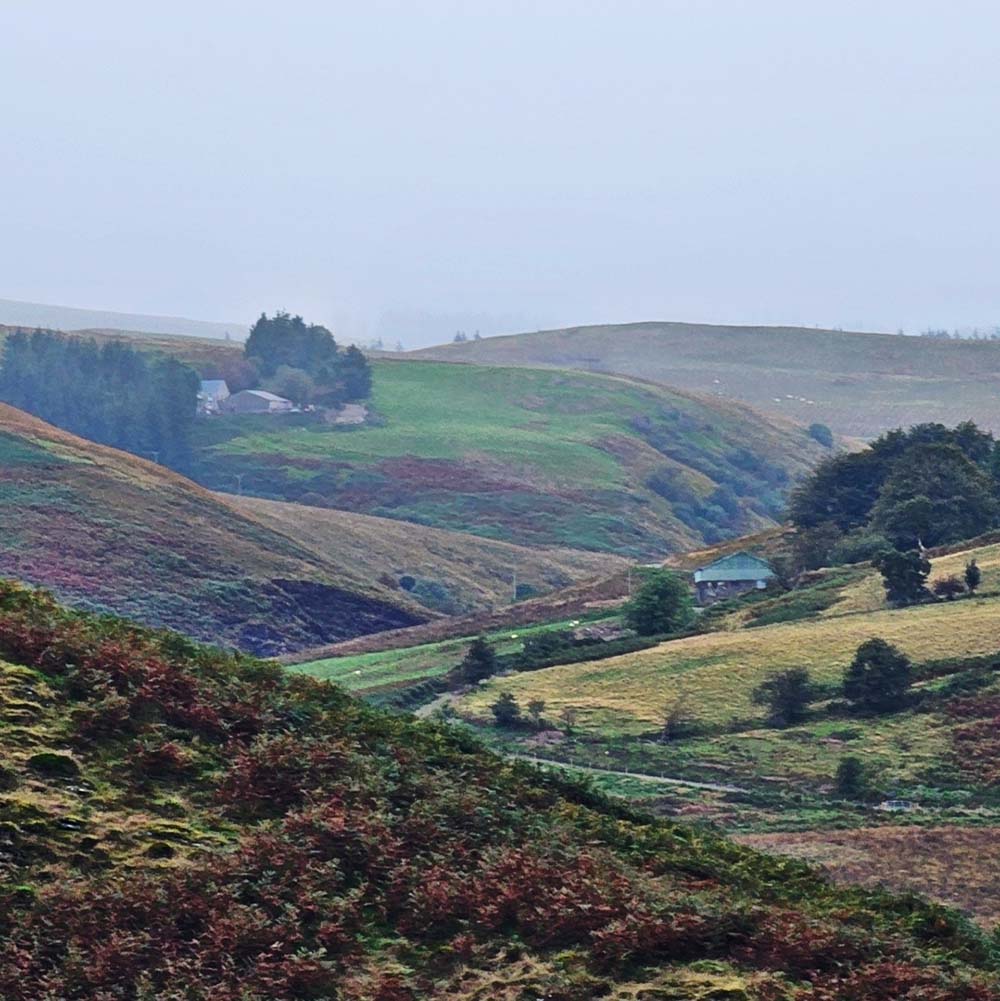
Parts of the peatland are currently dominated by purple moor-grass, or Molinia. Although it is a native plant, dense stands can dominate where peatland conditions have become altered, reducing the diversity of other plants.
Tir Natur’s plans include using carefully managed grazing by cattle and ponies to help create a more varied habitat. This is one of the fascinating things about rewilding. The animals aren’t simply there to eat vegetation. Their movement, grazing, trampling and dung can all create disturbance and opportunities for other species.
Small areas of shorter vegetation sit alongside taller grasses, shrubs and bare ground, creating the variety needed for different plants, insects and animals to thrive. It is about creating more diversity, rather than trying to make everything look the same.
Trees, storms and resilience
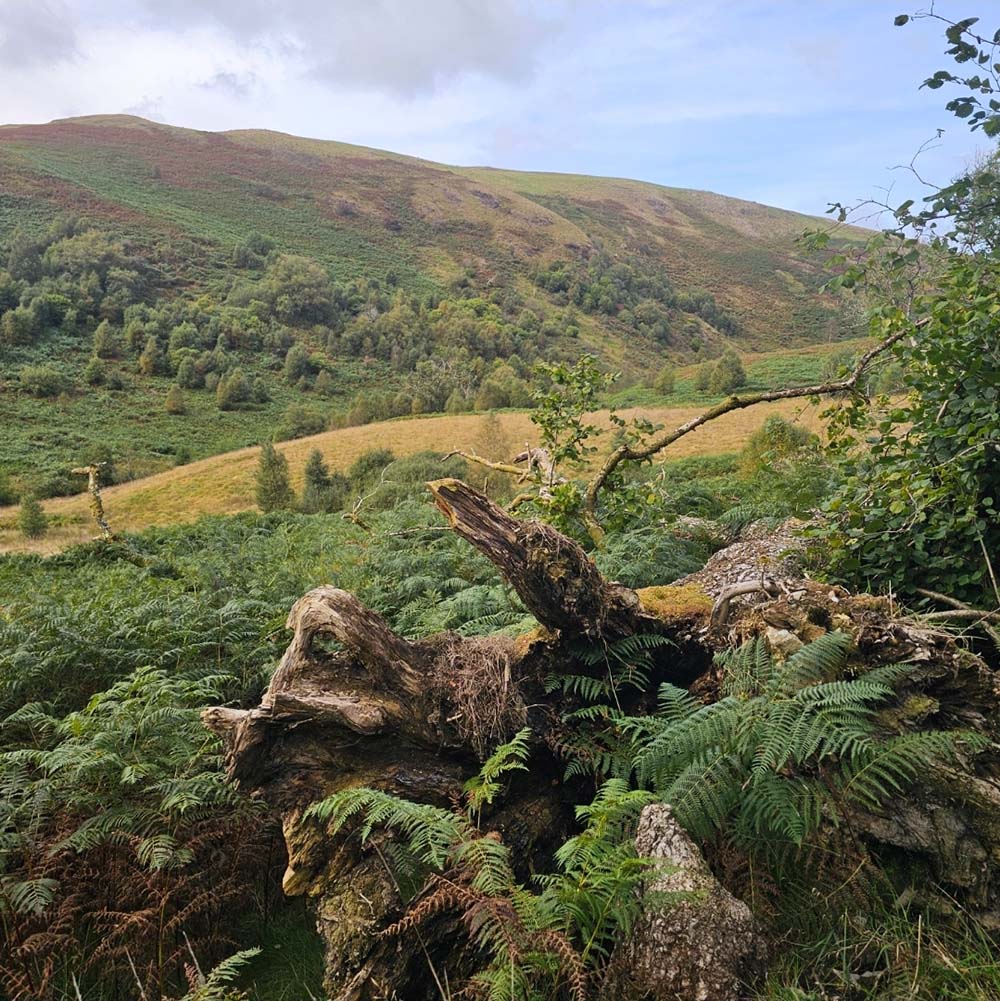
The woodland also tells a story about change. There are old non-native conifers in parts of the valley, alongside native trees such as oak, birch, alder and hazel. Some of the larch have been blown down by storms, leaving behind a changed landscape.
We talked about how trees adapt to the prevailing winds during their lives. Their root systems and growth patterns develop in response to the conditions they experience.
But our weather patterns are changing.
When strong winds arrive from different directions, trees that have successfully coped with storms for decades can suddenly become vulnerable. Some of the oaks in the valley have also grown tall and slender as they competed for light beneath the larch. With some of those taller trees now exposed, they may be more vulnerable to future storms.
But even broken trees have a role. A fallen tree isn’t necessarily a problem to be cleared away. It can become shelter, food, fungi habitat, nesting material and part of the natural cycle of decay and regeneration.
Letting nature become messy
Perhaps that was one of the biggest lessons I took from the walk. Nature doesn’t always look tidy. It doesn’t necessarily have straight edges, neatly spaced trees or perfectly maintained riverbanks. Instead, it is messy, tangled and constantly changing. Those messy edges are often where the greatest diversity can be found.
A river that bends and slows creates different habitats. A fallen tree creates new life. A grazing animal opens up vegetation. A wet peat bog stores water and carbon. A dead tree becomes a miniature ecosystem. A patch of scrub becomes shelter for insects and birds. All these things are connected. And that is really what Tir Natur is trying to restore. Connection.
A different future for Cwm Doethie
Tir Natur’s plans are long term. They aren’t about transforming this landscape overnight. The idea is to allow natural processes to do much of the work, while carefully supporting them where necessary.
Over time, the hope is that peatlands can become wetter and healthier, river corridors can recover, native woodland and scrub can regenerate, heathland can diversify and wildlife can find more space to thrive.
Their vision for the land includes cattle, ponies and pigs acting as natural grazers, creating the disturbance and variety needed for a healthy ecosystem.
And perhaps just as importantly, people will still be part of the story. The land is mostly open access, with Tir Natur encouraging people to explore it responsibly and connect with the landscape.
Standing there, surrounded by mountains, ancient trees, waterfalls, ruins and the sound of the Doethie rushing through the valley, it wasn’t difficult to imagine what this place could become.
A landscape where nature has more freedom, where rivers move more naturally, where peatlands hold water again, where ancient woodland regenerates, where wildlife can move through a connected landscape and where people can come to experience nature recovery happening right here in Wales.
For me, that is what makes Tir Natur’s vision so exciting. It isn’t simply about creating a wilder landscape. It is about reconnecting people with the land, understanding the history that came before us and giving nature a chance to shape what comes next.
Cwm Doethie already feels like a very special place. But perhaps the most exciting thing is that its story isn’t finished yet. This could be the beginning of a very different chapter for the valley. A little more wild. A little more connected. And, hopefully, a little more hope for nature in Wales.
Find out more
If you’d like to learn more about Tir Natur, their work at Cwm Doethie and how you can support the project, take a look at their website: www.tirnatur.cymru
Tir Natur is a registered Charitable Incorporated Organisation, and its work is centred on nature recovery through rewilding, with people, Welsh culture and the landscape all forming part of the vision.

By Tracy Purnell
Tracy Purnell – OS Champion
Meet OS Champion Tracy Purnell – dog lover, trail runner and Brecon Beacons National Park Ambassador.