Thinking about the National Three Peaks Challenge? Start here
If the National Three Peaks Challenge has just popped up on your feed, you are not alone. With the Princess of Wales recently shining a spotlight on the challenge, many people are feeling inspired to take it on themselves.
It is easy to see the appeal. But before you set your sights on the three highest peaks in Scotland, England and Wales, the most important first step is understanding how to approach it safely and with confidence.
You might be feeling curious, excited and unsure where to start. At Ordnance Survey, our focus is helping people build the knowledge and confidence to explore the outdoors safely, and this challenge is no exception – it requires lots of preparation.
Whether you are completely new to hiking or just beginning to explore bigger challenges, here is what the National Three Peaks actually involves and what you should know before deciding to take it on.
What is the National Three Peaks Challenge?
Traditionally, participants aim to complete all three of the highest summits in Scotland, England and Wales within 24 hours, including driving time between locations.
The three mountains in the 3 Peaks Challenge
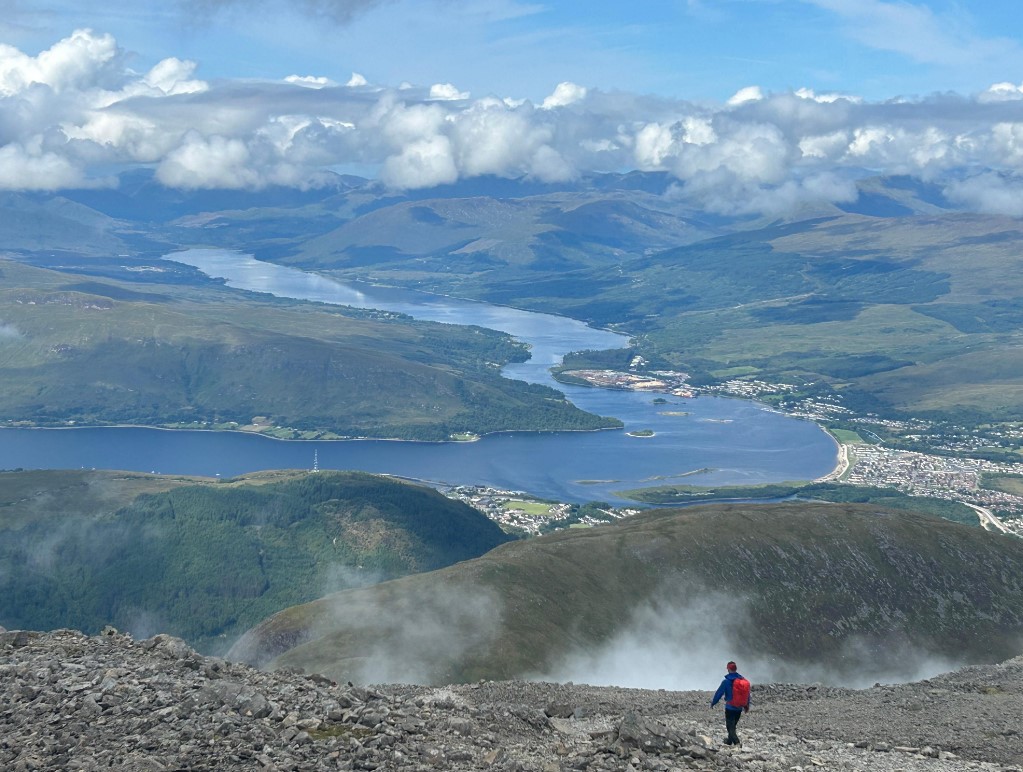
Ben Nevis (Scotland) 1,345 metres
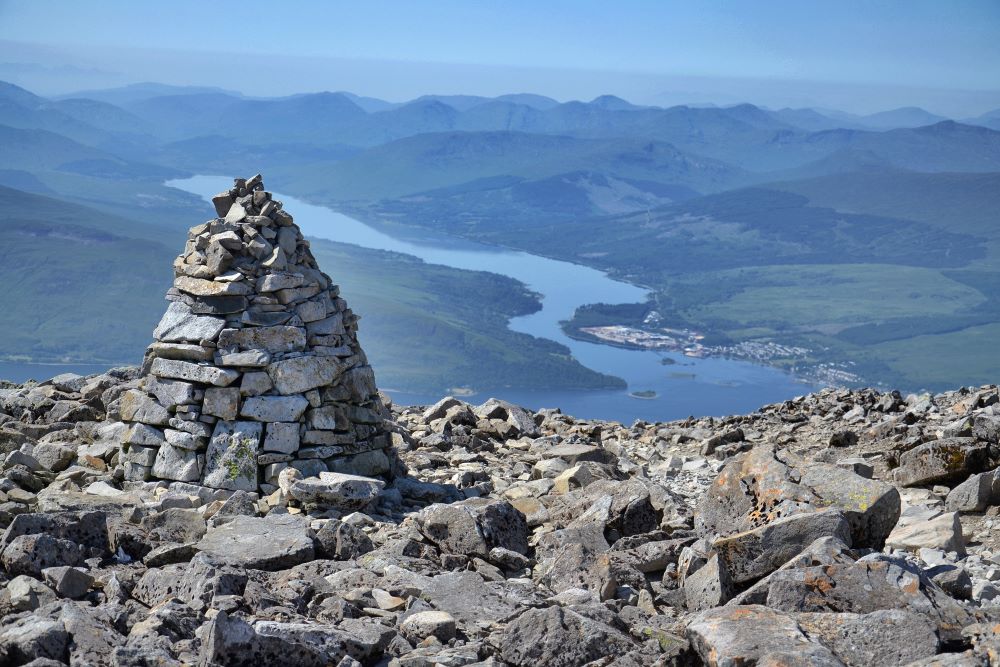
- Long, sustained climb with a clear path but serious mountain conditions at the summit
- Weather can change rapidly, even in summer
Scafell Pike (England) 978 metres
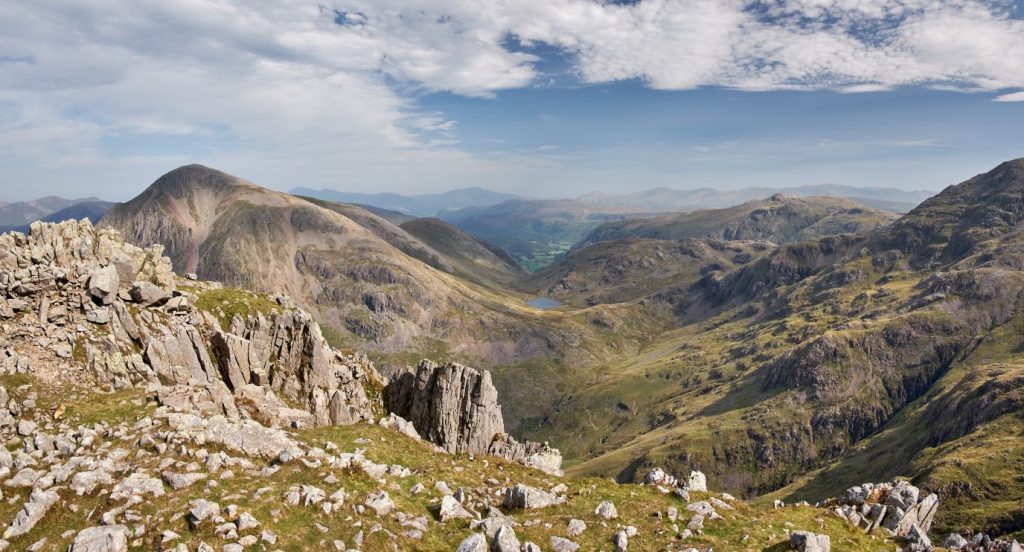
- Shorter but more technical terrain
- Loose paths, rocky sections and harder navigation
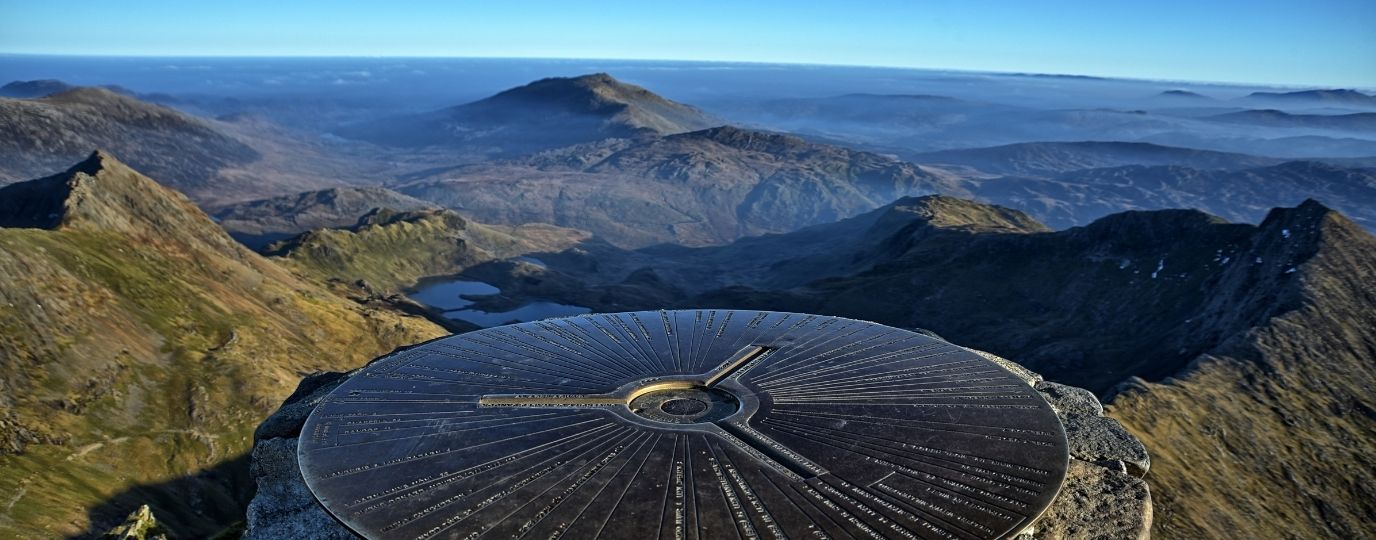
Yr Wyddfa, Snowdon (Wales) 1,085 metres
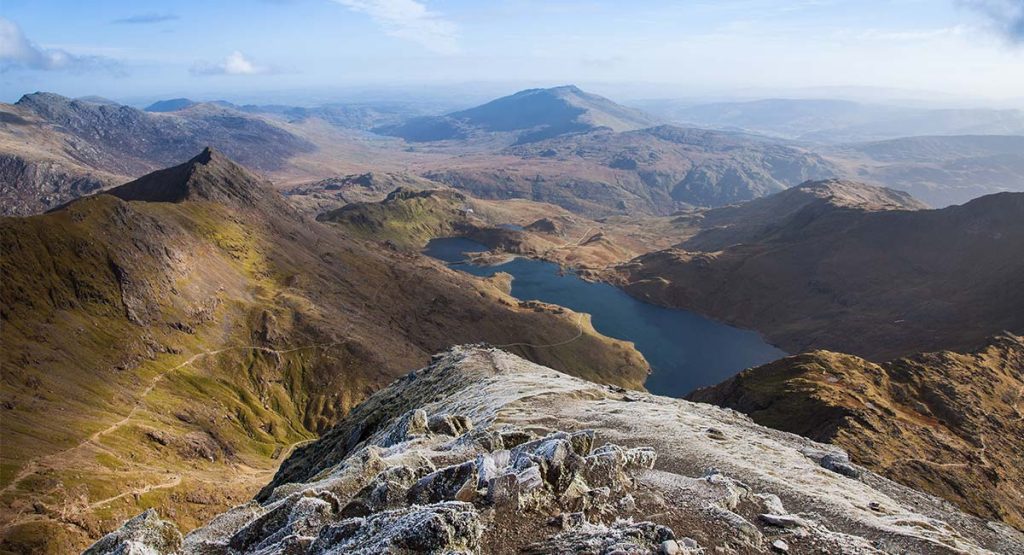
- The most accessible but still a mountain environment
- Very busy routes require awareness and planning
EXPLORE THE
OS Shop
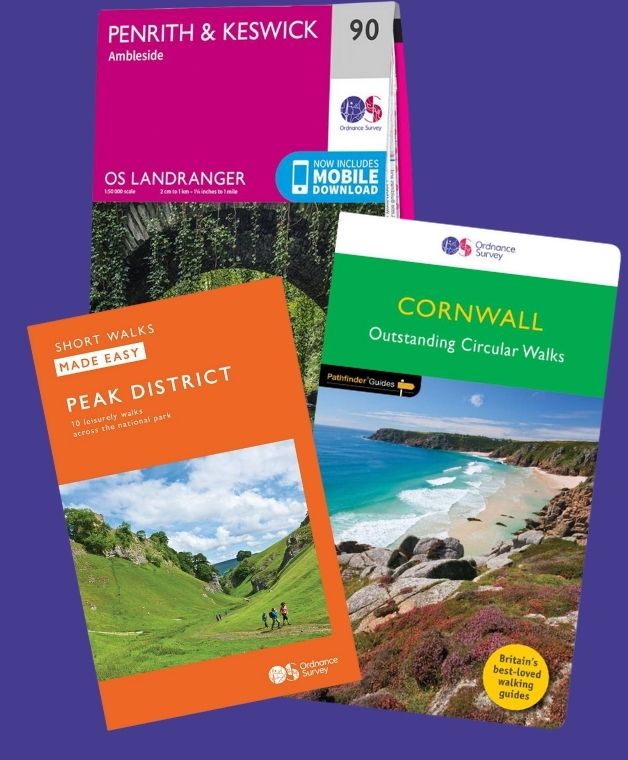
We are with you every step of the way. Shop our trusted walking and hiking maps and guidebooks so you can explore the outdoors with confidence.
Go to the shopWhy the National Three Peaks Challenge is a great option for fundraising
The National Three Peaks Challenge has a simple appeal. Climb the highest peaks in Scotland, England and Wales within 24 hours. It feels like a clear, memorable milestone, and one that works well for fundraising and sharing. There are multiple points where you can share the progress (and the pain) with sponsors as you plan and carry out the challenge.
But what you see online rarely shows the full picture. Completing all three peaks in a day means long drives, very little rest and sustained effort on tired legs.
Behind every successful attempt is careful planning, solid navigation skills and a strong focus on safety. Many people choose to take part with experienced guides to help manage the route and changing conditions.
Key things to understand about the National Three Peaks Challenge
- Total driving distance is over 450 miles
- Sleep is extremely limited
- Much of the challenge happens in darkness or fatigue
- Advanced navigation skills are essential (or employment of a professional guide)
This is not just a hike. It is an endurance event.
How difficult is The National Three Peaks Challenge really?
For beginners, the biggest surprise is how cumulative the challenge is.
It is not just three climbs. It is:
- Climbing while tired
- Navigating in low visibility
- Sitting in a car for hours between efforts
- Starting the next mountain before fully recovering
Even strong walkers find it demanding.
What beginners trying this hiking challenge often underestimate
- You’ll need a team
Doing this alone is dangerous as you want to be resting on the car journey’s between each mountain. Having a team or employing a guide is the safest way to attempt this challenge. - Navigation
Many routes are not signposted. In poor visibility, paths can disappear. - Fatigue
Tiredness affects decision making, pacing and safety. - Mountain weather
Conditions on the summit can be dramatically different from the car park. - Timing pressure
The 24 hour target can lead people to rush or ignore warning signs.
Starting from scratch: steps to build up to the Three Peaks Challenge
If you are new to hiking, this step by step checklist will help you build confidence gradually before taking on the National Three Peaks.
- Start with short, local walks on easy, waymarked routes to get comfortable spending time outdoors.
- Learn basic navigation skills, including map symbols, paths and contour lines, and begin using OS Maps to follow simple routes.
- Build up to longer walks by increasing distance, time on your feet and introducing gentle hills.
- Try your first hill or small peak using a clear, mapped route in a national park.
- Practice walking in different conditions, including light rain, wind or low light, to build confidence.
- Plan to tackle at least one 3000ft mountain to see how your fitness levels cope.
- Take on a full days walking, or try a smaller challenge such as the Yorkshire 3 Peaks
- Plan the full Three Peaks Challenge, including transport, timing, rest and whether to go with a guide.
- On the day, be ready to adapt your plans and prioritise safety over completing it within 24 hours.
Choosing a Three Peaks guide: quick checklist
If you are thinking about taking on the challenge with support, use this checklist to choose a safe and reputable guide:
- Relevant qualifications
Look for a Mountain Leader (ML) or higher. This shows they are trained to lead groups in UK mountain terrain. - Experience on all three peaks
The challenge is not just about fitness. Local knowledge and experience in different conditions matter. - Clear safety approach
They should talk openly about pacing, weather decisions and when they would turn back if needed. - Navigation skills, not just following others
Your guide or challenge leader (if not a qualified professional) should be confident navigating in poor visibility. - Proper insurance
Check they have public liability insurance and operate professionally. - Small group sizes
Smaller groups are easier to manage safely, especially on busy or complex terrain. - Realistic expectations
Be cautious of anyone promising guaranteed 24 hour success. A good guide prioritises safety over speed. - Transparent logistics
If transport is included, check how rest, driving and timing are managed. Do they have designated drivers for each section?
Where to find the best Three Peaks advice and resources
- Mountain Rescue UK
Essential safety advice and real world insights - The Met Office Mountain Weather Forecast
Location specific forecasts for all three peaks - National Park Websites
- Lochaber for Ben Nevis
- Lake District National Park
- Eryri, Snowdonia National Park
- OS Maps routes
- Official routes for each peak
- Ability to download and use offline
Remember!
- The National Three Peaks Challenge is demanding! Why not try the Yorkshire 3 Peaks First?
- Preparation and navigation matter more than speed
- Safety should always come first
- Building confidence on smaller routes is the best place to start
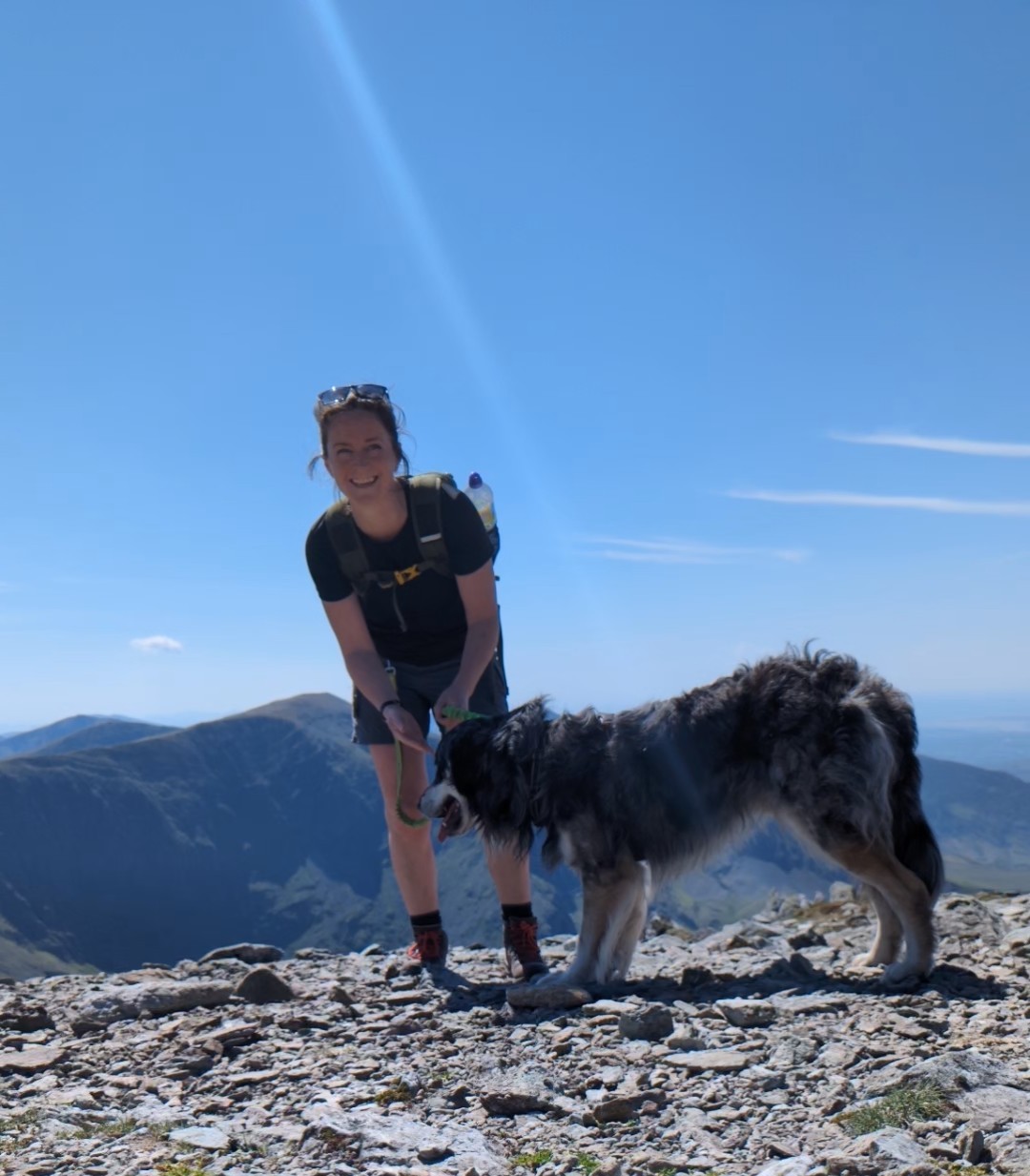
By Hilary Pullen
Meet Hilary, Editor of OS Maps Discover. Hilary is based in North Wales and loves hiking with her dogs in the mountains of Eryri and Bryniau Clwyd, you can find her on Instagram @nearlyuphill and read her guides to walking in North Wales.
If you would like to be a featured OS Author and write an article or route guide find out more here – how to submit an article idea