
7 Outdoor Habits That Can Support You Through Menopause
Menopause can bring changes to sleep, energy levels, mood and confidence. Every experience is different, but many women find that spending time outdoors becomes an important part of supporting their wellbeing.
The good news is that you do not need to take on huge challenges or spend hours exercising to feel the benefits. Small, consistent habits can help make being active feel more achievable, while also creating opportunities to connect with nature, friends and new places.
The Benefits of Walking Regularly
Menopause and Walking
Here are seven outdoor habits that could help you feel more confident and connected during menopause.
1. Start the day with a short walk
Creating the habit of a morning walk can help create structure and encourage you to get outside, even on days when motivation feels low.
This does not need to be a long hike. A 10 to 20 minute walk around your local area can help you build movement into your routine and enjoy some fresh air before the day becomes busy.
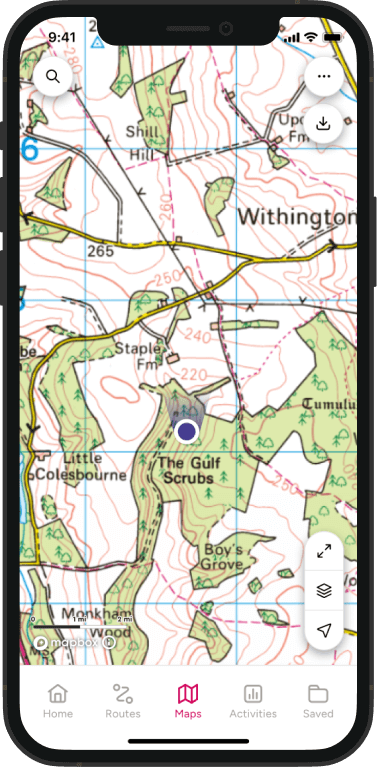
Try saving a few local routes on the OS Maps app so you always have an easy option ready.

2. Focus on consistency rather than distance
Many women find that energy levels fluctuate during perimenopause and menopause. On some days, a longer walk might feel appealing. On others, simply getting outside for half an hour may be enough.
Rather than aiming for big mileage totals, focus on creating a regular habit.
A short circular walk after work, a lunchtime stroll or a walk to a local beauty spot all count. Consistency is often more valuable than occasional ambitious outings.
3. Choose routes that match your energy levels
One of the advantages of walking is its flexibility. When energy is high, you might enjoy exploring a new footpath or tackling a longer countryside route. On lower-energy days, a gentler local walk may feel more manageable.
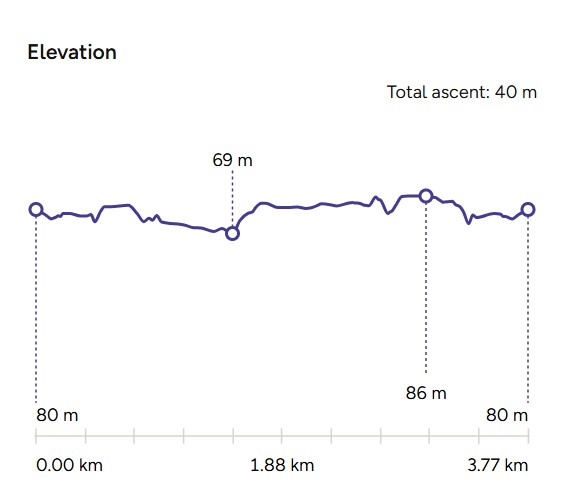
Planning routes in advance can remove some of the decision-making and help reduce anxiety about getting outside. Looking at route length, elevation and terrain before setting off allows you to pick something that suits how you’re feeling on the day.
4. Make time for nature each week
There is growing evidence that spending time in natural environments can support mental wellbeing and help reduce feelings of stress. Research looking at nature-based walking has found positive links with improved mood and mental wellbeing.
That does not have to mean travelling to a national park. A local woodland, riverside path, common, park or nature reserve can provide an opportunity to slow down and notice seasonal changes.
Try setting a goal to visit one green space each week, especially during autumn and winter when it can be tempting to stay indoors.
5. Walk with other people
Getting outdoors can sometimes feel easier when you’re doing it with someone else.
Research into physical activity during menopause has identified social support as an important factor in helping women stay active. Friends, family members, walking groups and supportive communities can all make a difference.
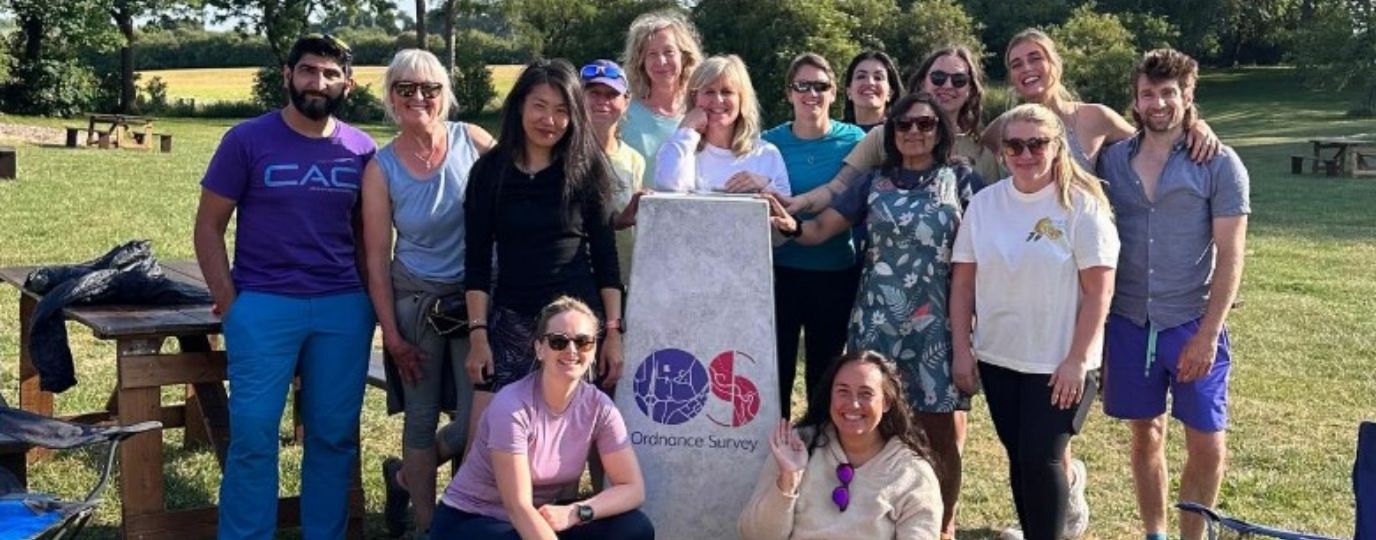
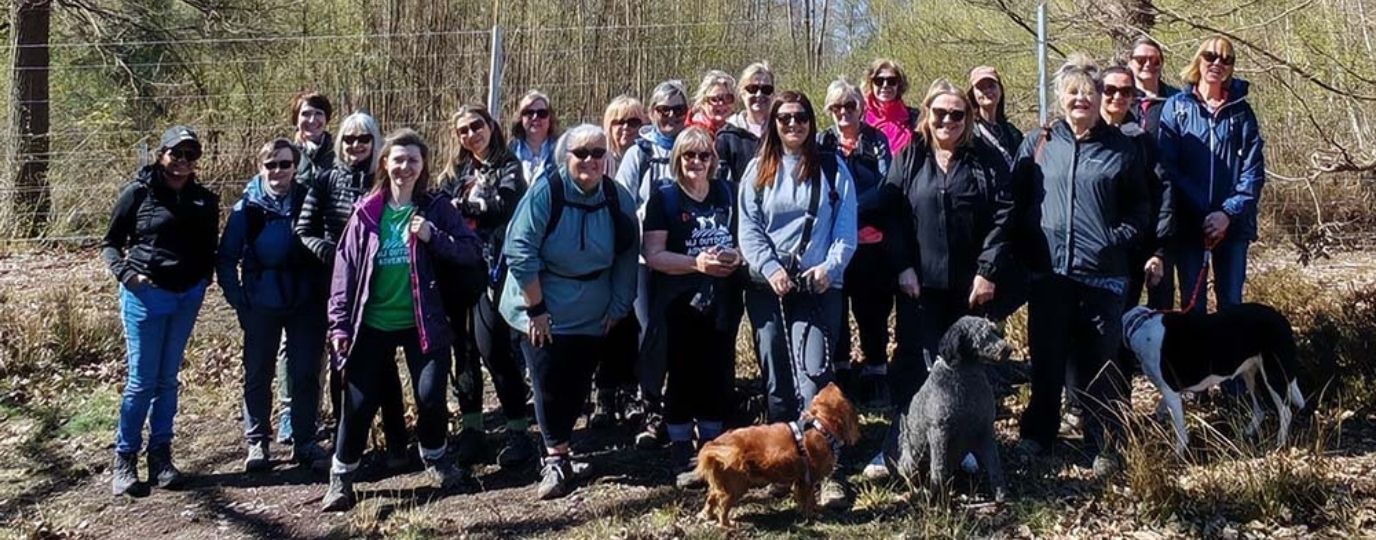
A weekly walk with a friend can provide both movement and conversation, while joining a local walking group may help you discover new routes and meet like-minded people.
6. Explore somewhere new every month
Menopause can sometimes affect confidence, particularly if symptoms such as poor sleep, anxiety or brain fog are having an impact on daily life.
Exploring somewhere new, even if it’s only a few miles from home, can be a great way to rebuild confidence gradually.
You might:
- Visit a local nature reserve you’ve never been to.
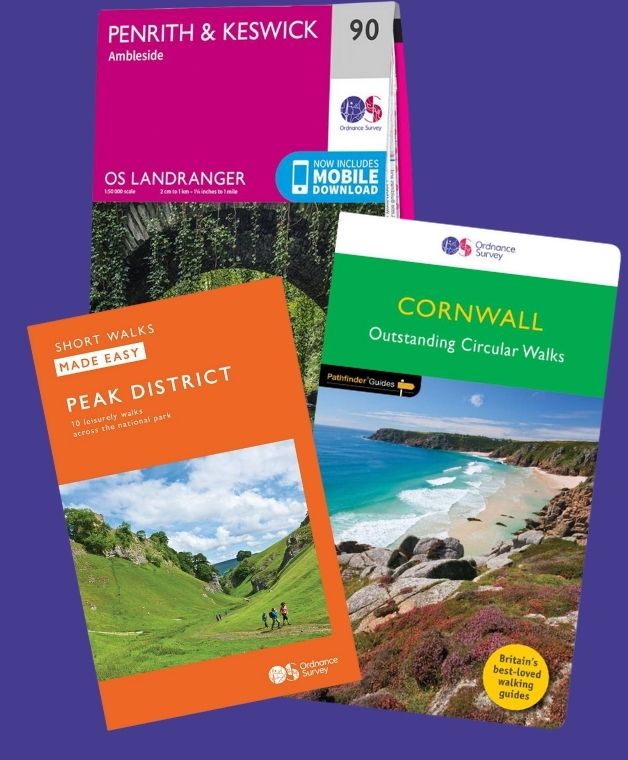
- Follow a trusted OS Maps route.
- Discover a new section of a long-distance trail.
- Explore a nearby coastal or woodland path.
Small adventures still count.
7. Use walking as thinking time
Walking offers space away from screens, notifications and everyday responsibilities.
Many women use walks as an opportunity to process thoughts, decompress after work or simply enjoy a change of scenery. Regular movement is also associated with benefits for mood, stress management and mental wellbeing.
You do not need a destination or goal. Sometimes the simple act of putting one foot in front of the other is enough.
Further menopause support
If menopause symptoms are having a significant impact on your quality of life, speaking to a healthcare professional is important.
NHS Menopause and perimenopause lifestyle advice: www.nhs.uk/conditions/menopause-and-perimenopause/things-you-can-do
Walking for health: www.nhs.uk/live-well/exercise/walking-for-health
General menopause information www.nhs.uk/conditions/menopause
The Menopause Charity Moving through menopause: how exercise supports your body and mind: www.themenopausecharity.org/information-and-support/what-can-help/movement/moving-through-menopause
Women’s Health Concern Patient information and expert advice: www.womens-health-concern.org
The Menopause Charity Support, education and evidence-based resources: www.themenopausecharity.org
Menopause Matters Independent information on symptoms, treatment options and support: www.menopausematters.co.uk
If you feel you’re not being listened to
Many women report finding it difficult to get timely menopause support. If you feel your concerns are not being fully addressed:
- Consider keeping a symptom diary before appointments.
- Take information about how symptoms are affecting your daily life, work and sleep.
- Ask for a follow-up appointment if you need more time to discuss treatment options.
- Request to see another clinician within the practice if appropriate.
- Use specialist resources such as Women’s Health Concern or The Menopause Charity to help prepare questions for your appointment.
You do not have to manage menopause alone, and seeking a second opinion or additional support is entirely reasonable if you feel your concerns are not being heard.
By Hilary Pullen
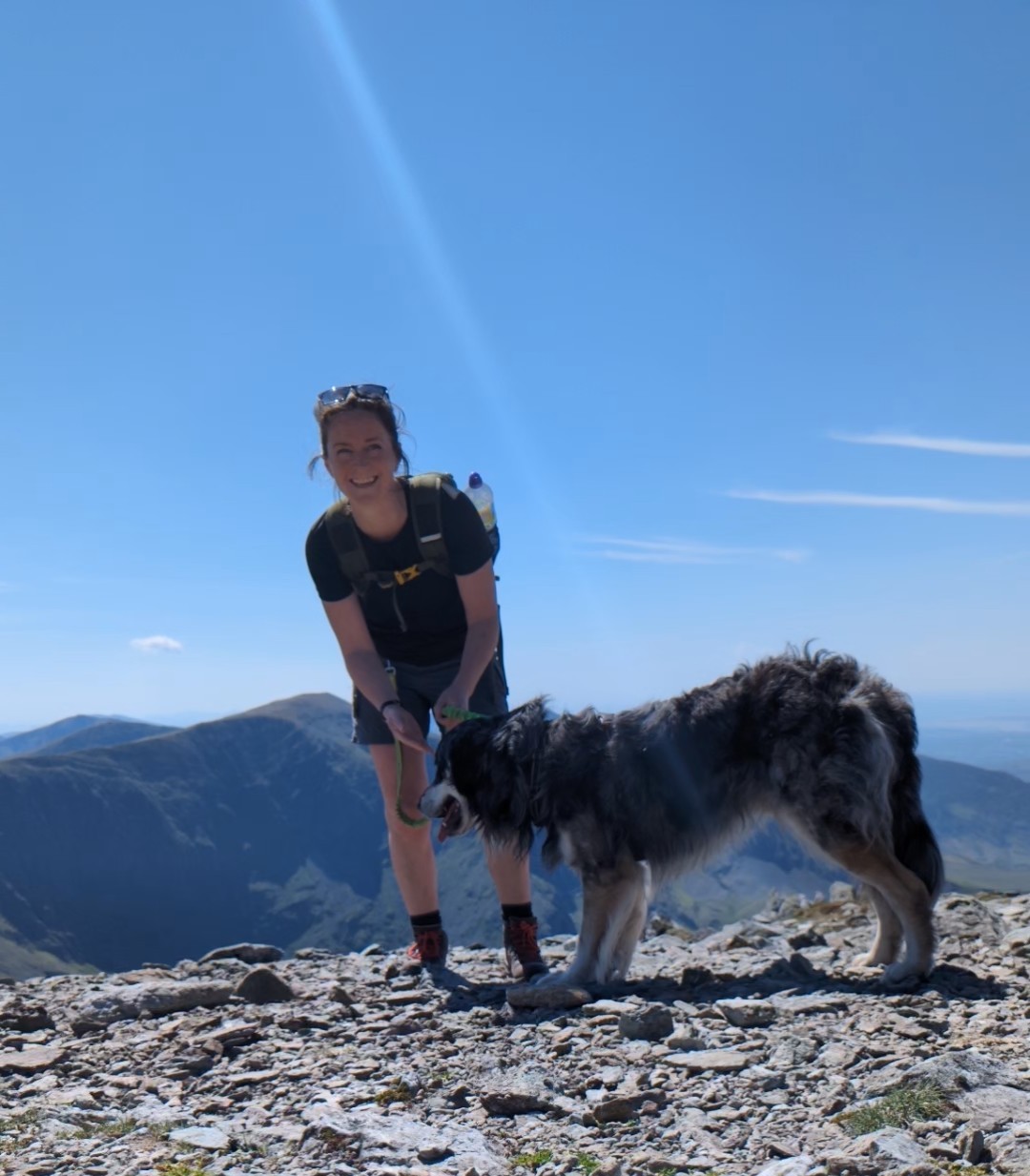
Meet Hilary, Editor of OS Maps Discover. Hilary is based in North Wales and loves hiking with her dogs in the mountains of Eryri and Bryniau Clwyd, you can find her on Instagram @nearlyuphill and read her guides to walking in North Wales.
If you would like to be a featured OS Author and write an article or route guide find out more here – how to submit an article idea