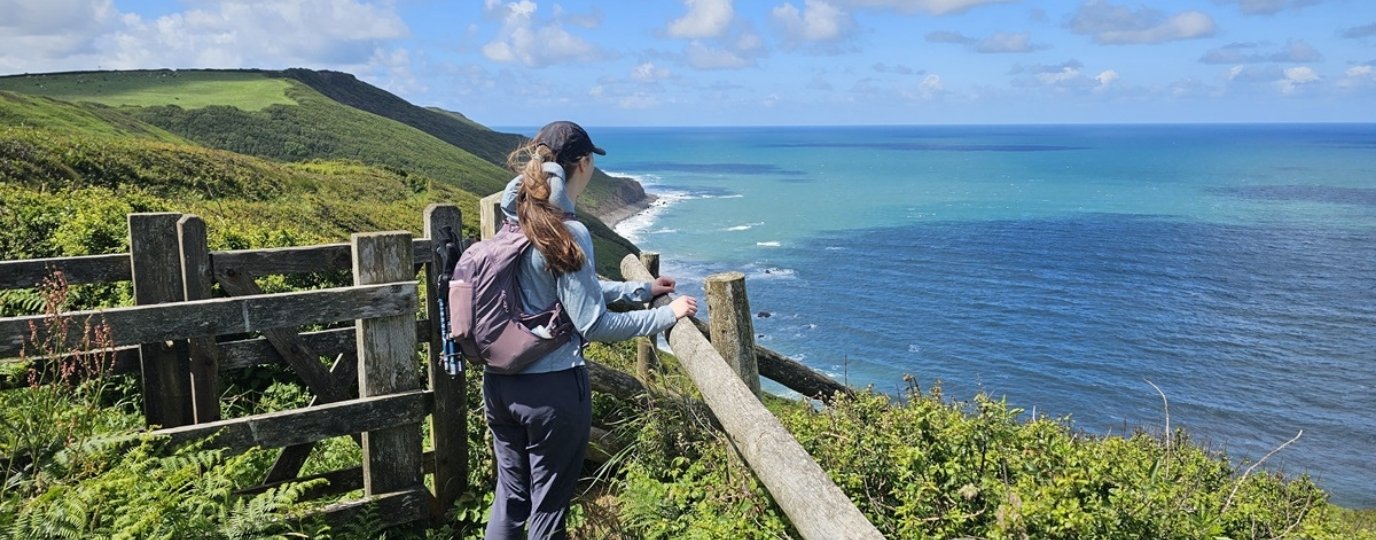
Build confidence before you go with practical training advice to help you enjoy your walking holiday, whatever the terrain.
A walking holiday offers a wonderful way to explore the landscape, travelling through countryside, climbing hills and discovering places that might otherwise pass you by. But if you’re planning several days on foot, a little training beforehand can make a real difference. Building your fitness and stamina helps you tackle longer distances, enjoy the climbs and still have something left in the tank when the final miles stretch ahead.
The good news is that you don’t need to become an athlete to enjoy a walking holiday. The most effective preparation is usually the simplest: start where you are, build up gradually and give yourself time to get comfortable spending longer on your feet.
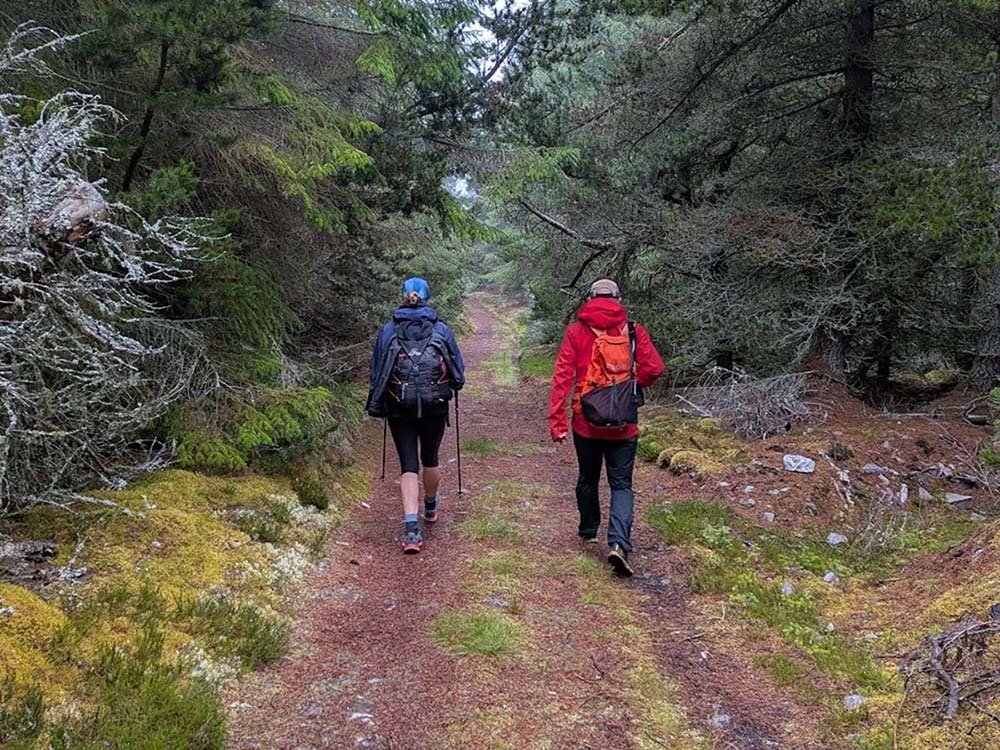
Start where you are
Everyone approaches a walking holiday from a different starting point. Perhaps you regularly head into the countryside at weekends, or already enjoy long walks with friends. You may simply walk to work and back each day, building a useful foundation of everyday activity without thinking of it as training. Or perhaps you’re relatively new to walking and are looking forward to discovering what you can do.
Wherever you’re starting from, the principle is the same: be realistic about your current fitness and build from there. If you’re already comfortable walking several miles, you can gradually extend your distances and introduce more hills. If you’re starting with shorter walks, begin there and increase the distance as your confidence grows.
There’s no need to compare your progress with anyone else’s. The aim is to arrive at the start of your holiday feeling prepared for the walking ahead, not to achieve a particular level of fitness for its own sake.
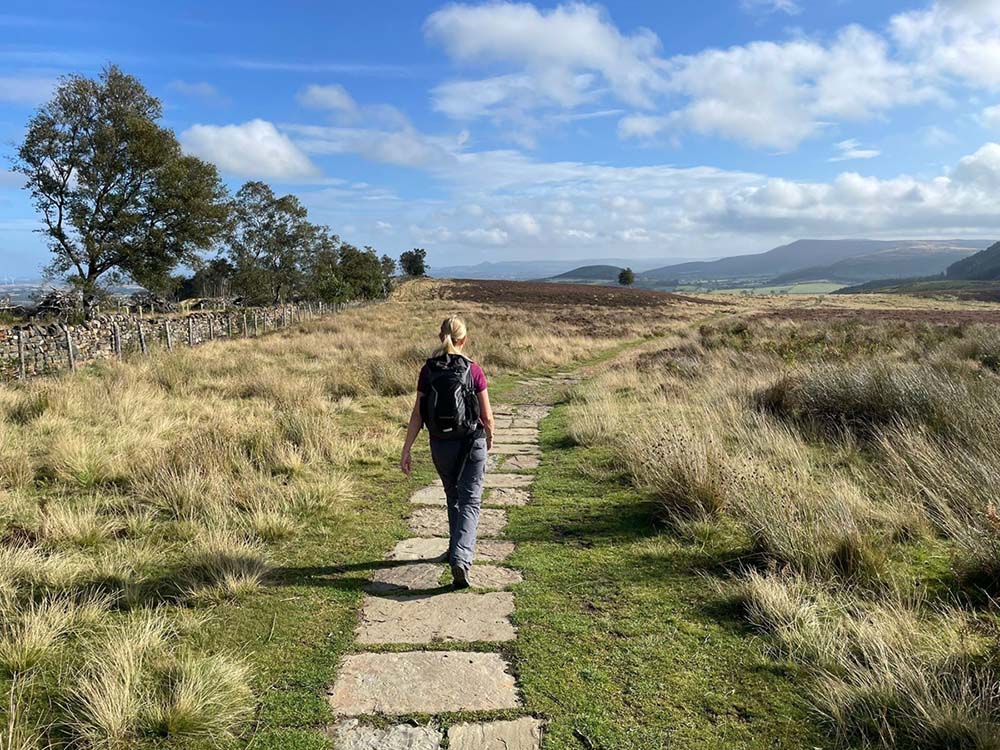
Build up gradually
The best way to prepare for walking is, unsurprisingly, to walk. Regular outings help improve your stamina while giving your feet, legs and joints time to adapt to spending longer on the move.
If you’re comfortable walking for an hour, try extending one of your regular walks a little further. As that becomes easier, build towards longer outings, introducing hills and more challenging terrain along the way. The important thing is to increase the demands gradually, allowing your body time to adapt before stepping things up again.
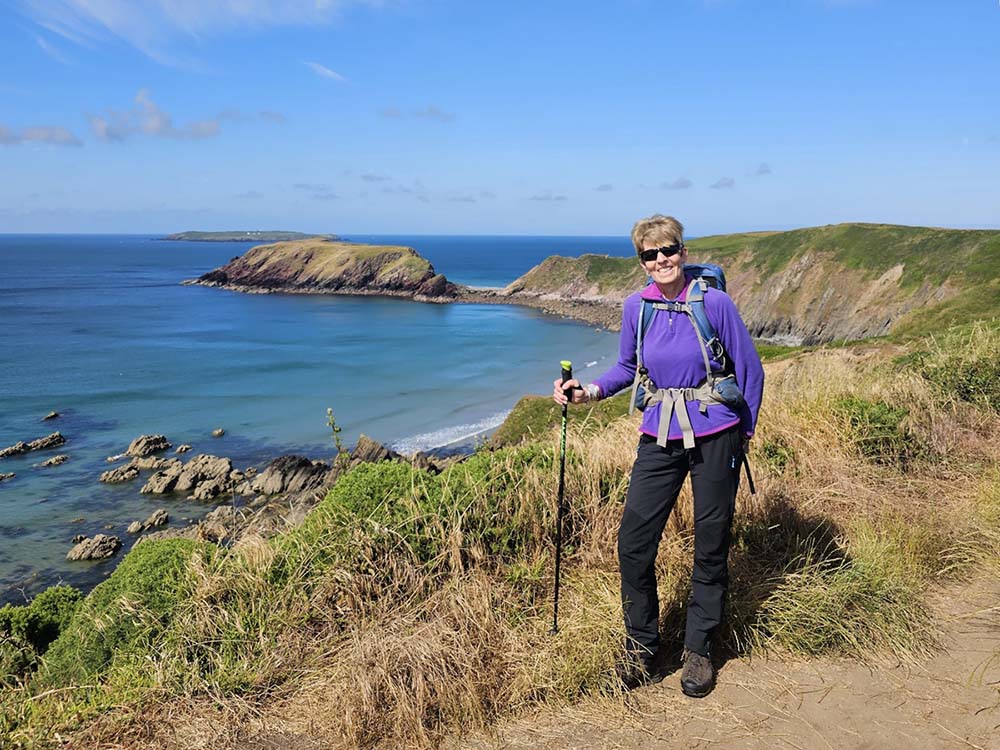
As your fitness improves, include longer outings and, where possible, some walking on consecutive days. This helps you get used to the cumulative effect of several days on your feet, when tired legs can make the final miles feel rather longer than they did that morning.
Hills are worth including, too. Even if your chosen route isn’t particularly mountainous, changes in elevation can make a significant difference to how demanding a day feels. If you’re preparing for a route with sustained climbs, seek out local hills or steeper paths where you can practise. You don’t need to tackle the biggest summit you can find; regular, manageable climbs will help build strength and confidence.
Just as importantly, allow time for rest and recovery. You should finish most training walks feeling that you’ve achieved something, rather than completely exhausted. Consistency over several weeks is generally more useful than one heroic outing followed by several days of aching legs.
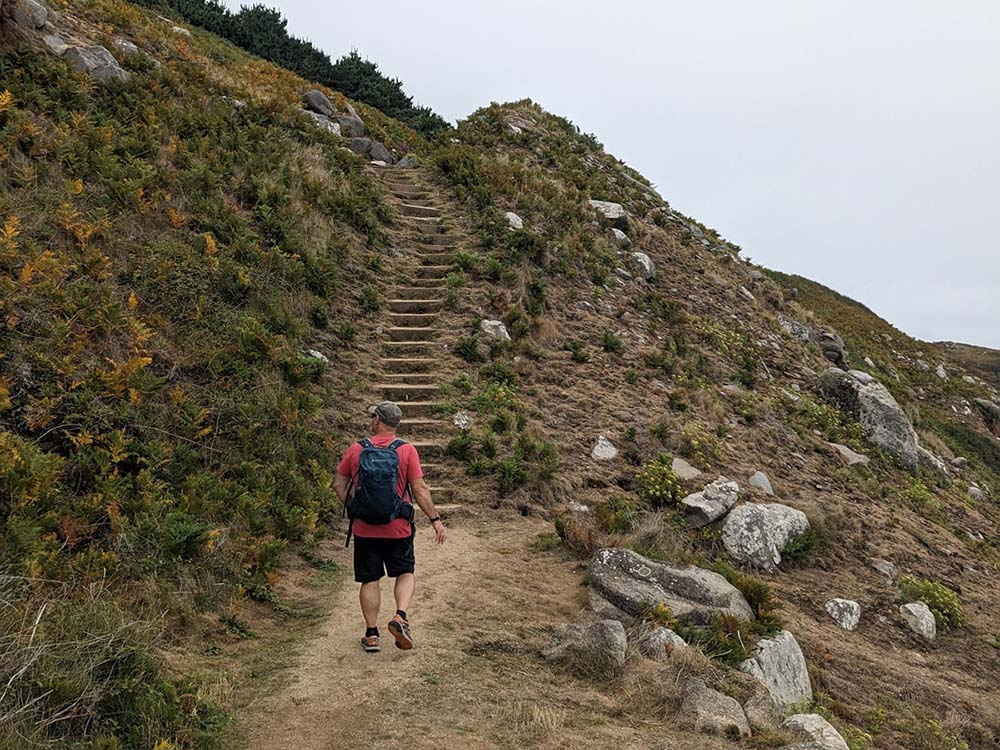
Train for the walk you’re planning
Not all walking holidays place the same demands on your body. A gentle lowland trail, a coastal path with repeated climbs and descents, and a mountain route will each require something different.
Before you begin, look at the distances, elevation gains and terrain involved in your chosen route. Consider how many days you’ll be walking consecutively, too. A distance that feels manageable on a single day can become more challenging when repeated throughout a week.
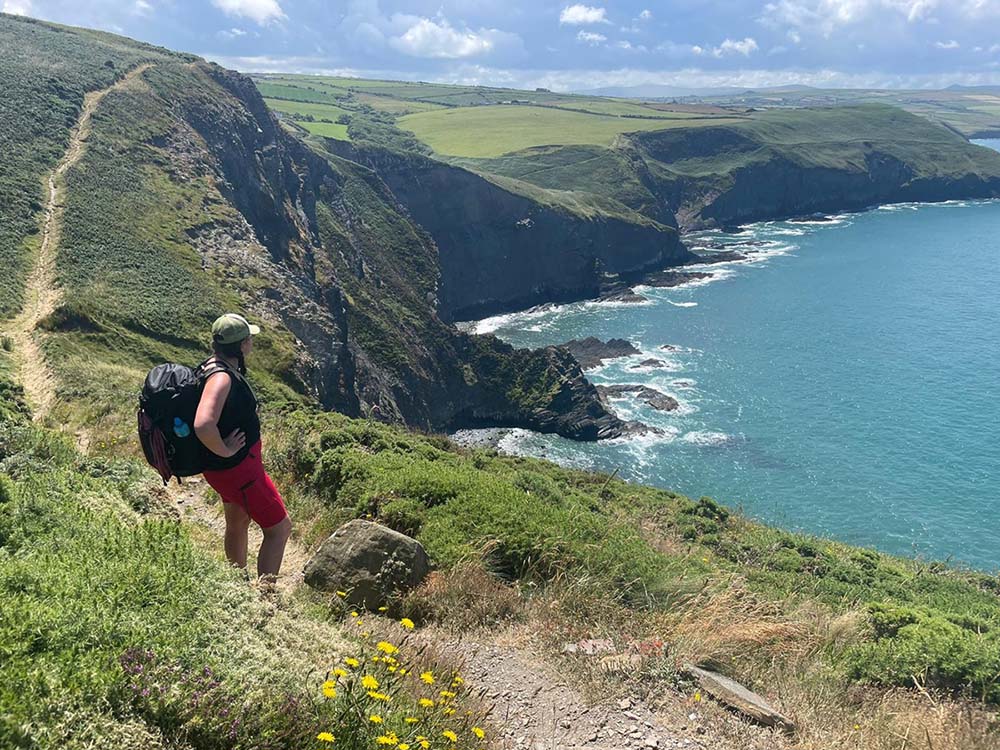
Try to make your training walks resemble the walking you’ll actually be doing. If your holiday involves hilly terrain, include hills in your preparation. If you’re expecting long days on uneven paths, seek out similar ground when you can. This isn’t about replicating every mile of your route at home, but about becoming familiar with the kinds of demands you’ll encounter.
It’s also worth trying out the kit you’ll use on holiday. Wear your walking boots or shoes well before departure, rather than discovering on day one that they rub. If you’ll carry a daypack, practise walking with it loaded with the things you’ll need, including water, snacks, waterproofs and an extra layer. Getting comfortable with your footwear and pack can be just as valuable as improving your fitness.
Keep it enjoyable
It’s easy to approach training as another task to fit into an already busy life, or to feel that every walk needs to be longer, faster or more challenging than the last. But preparation doesn’t have to become a second job.
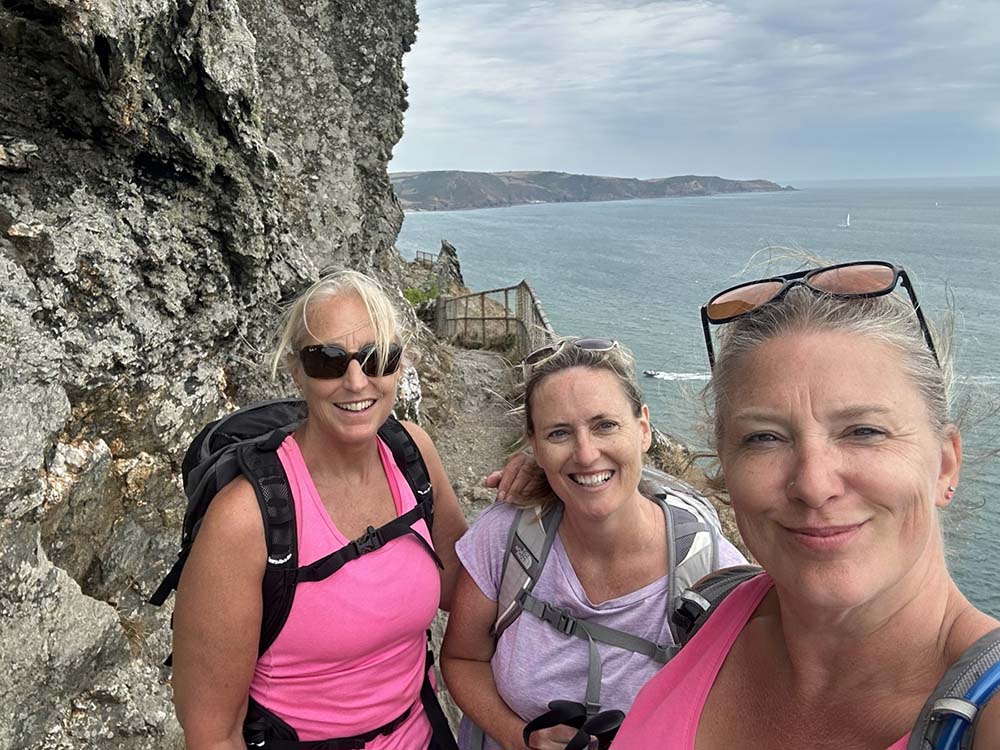
A regular lunchtime walk, a longer outing at the weekend or choosing to walk a short everyday journey rather than drive can all contribute to your fitness. If you enjoy walking with friends, joining a local walking group or exploring somewhere new can make getting out feel like a pleasure rather than an obligation.
There will be weeks when life gets in the way, and days when the weather makes staying indoors more appealing. That’s fine. The important thing is to keep going when you can, build gradually and avoid pushing yourself so hard that training becomes something you dread.
Remember, too, that rest is part of the process. Your body needs time to recover and adapt, particularly as you increase the distance or difficulty of your walks. If you’re new to exercise or have concerns about your health, seek appropriate advice before embarking on a more demanding training routine.
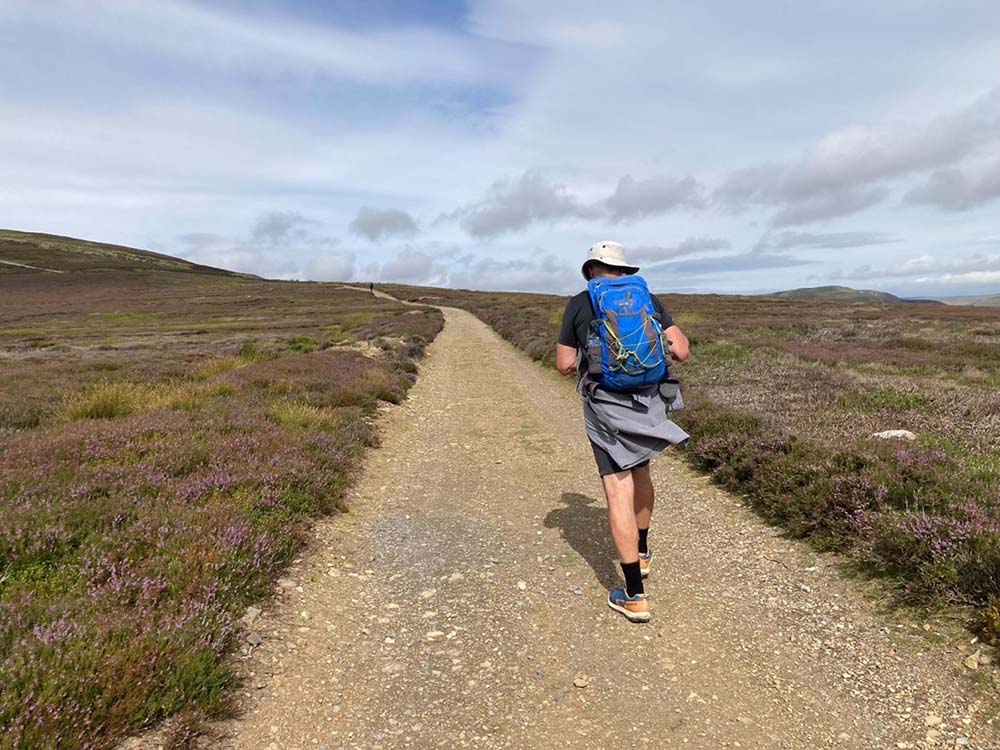
Prepare yourself to enjoy the journey
Perhaps, though, there’s another word worth considering: prepare.
Training is about building the strength and stamina to cover the miles ahead. Preparing is about something more: giving yourself the best chance of enjoying them.
With a little preparation, those final miles may feel more manageable. You might reach the top of a climb with enough energy to appreciate the view, rather than concentrating entirely on catching your breath. You may find you have more attention to spare for the landscape around you: the sound of a stream, the shape of the hills, a village appearing around a bend or a path leading somewhere unexpected.
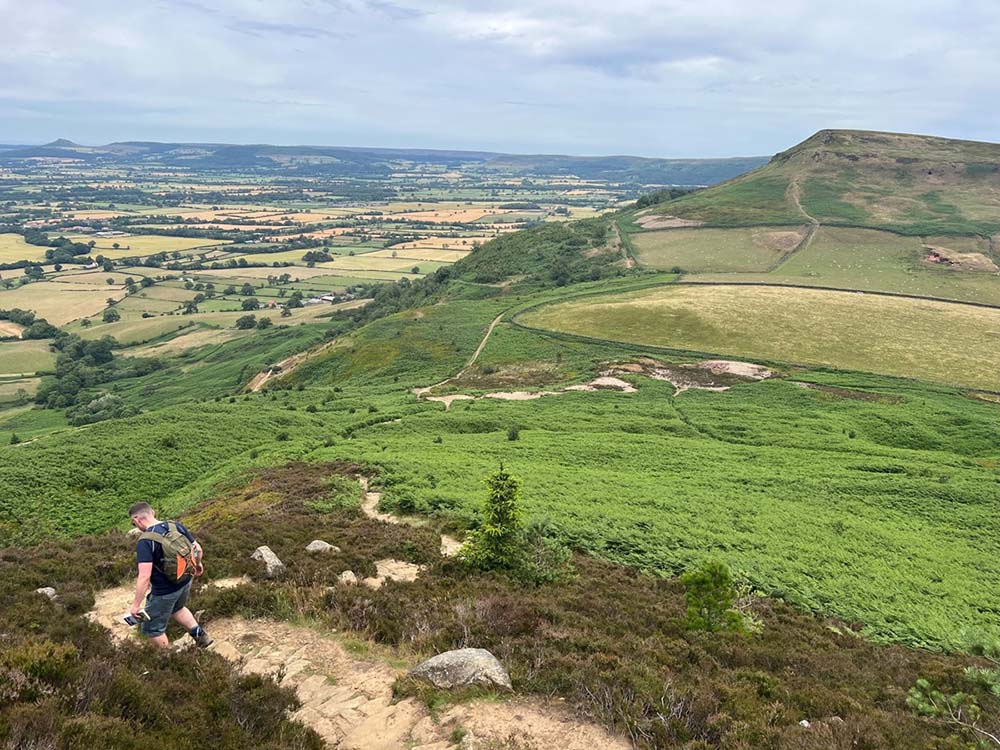
You’ll still feel tired after a long day, and that’s part of the satisfaction of walking. But arriving with a good foundation of fitness can help make the physical demands less daunting and leave you better placed to appreciate the experience.
So start gently, build steadily and enjoy the process. You don’t need to train like an athlete or turn every walk into a test. The real measure of successful preparation isn’t how hard you’ve worked before your holiday, but how much more you can enjoy while you’re there.
For more inspiration and advice on planning a self-guided walking holiday, visit Mickledore Travel.