How can we be part of the recovery after devastating wildfires?
Every week this summer seems to have brought apocalyptic images of another cherished landscape on fire. Heathlands. Moorlands. Forests. National parks. Nature reserves.
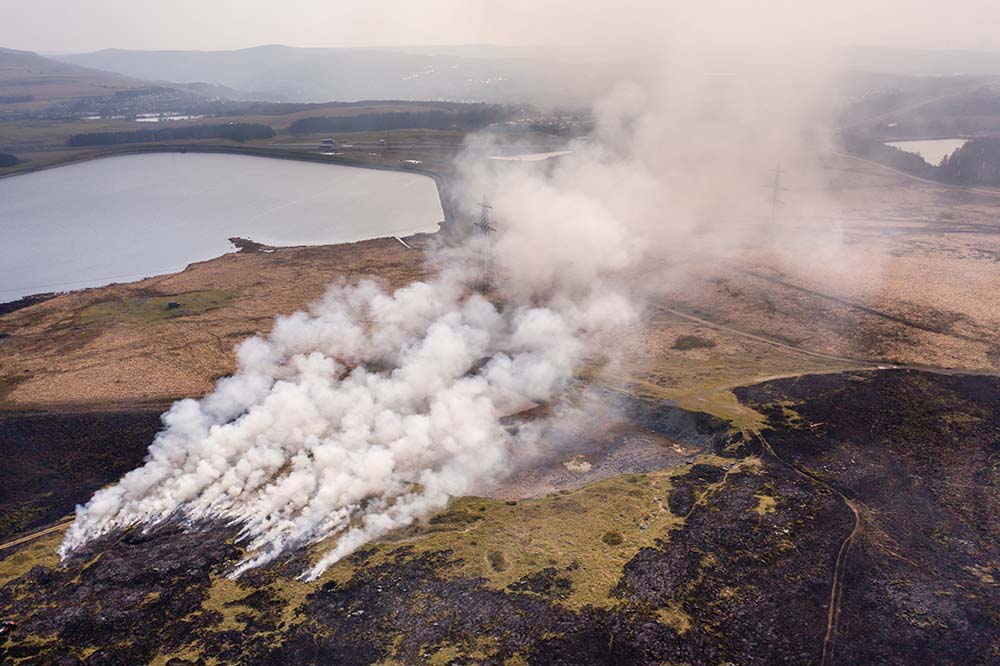
As someone who spends a lot of time talking about nature and encouraging others to explore it, I’ve found myself feeling helpless, the scale of what’s happening feels overwhelming. The headlines keep coming. The photographs become familiar, I’ve become desensitised to images of blackened landscapes.
I got a jolt today when my manager was sharing the horrific scenes of Dunwich Heath in our teams chat and I was like “yeah, yeah another fire, grim isn’t it” -then, and I’m paraphrasing slightly she said “HILARY, we need to do something!!!“.
So instead of simply absorbing the news and feeling powerless (I’m sure many of you feel the same) I started looking at what recovery actually looks like, how ordinary people can help, and what we can all do to be part of the recovery and prevention process.
Helping Wildlife Recover after Wildfires: Where to Start
While we can’t undo the damage that’s already been done, we can help with what happens next. I’ve put together seven ways you can support nature’s recovery after a wildfire.
But first, because it’s important to understand the scale of what’s happened, let’s take a look at some of the statistics behind one of the UK’s most devastating wildfire seasons in recent memory.
The Scale of Wildfires Across the UK in 2026
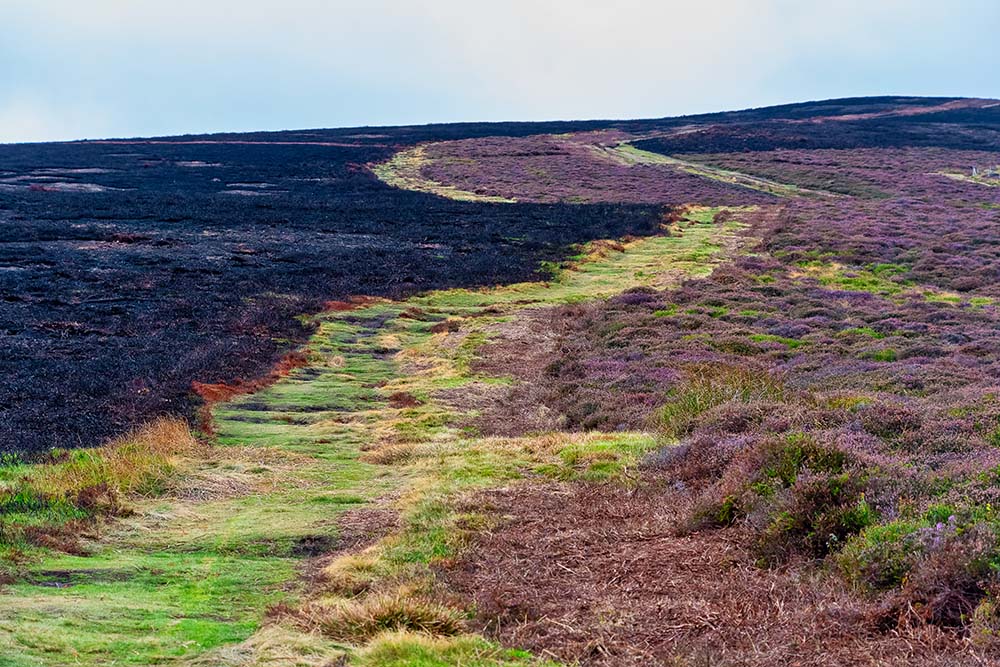
By late July 2026 across the UK, the combination of prolonged dry weather and repeated heatwaves caused by climate change has created the perfect conditions for wildfire. According to data compiled from the European Forest Fire Information System, by 28 July 2026, more than 21,800 hectares of land had been burned and 66 major UK wildfires had been recorded, affecting everything from heathlands and moorlands to forests and nature reserves.
To put that into perspective, that’s:
- 30,532 football pitches
- 84 square miles of countryside
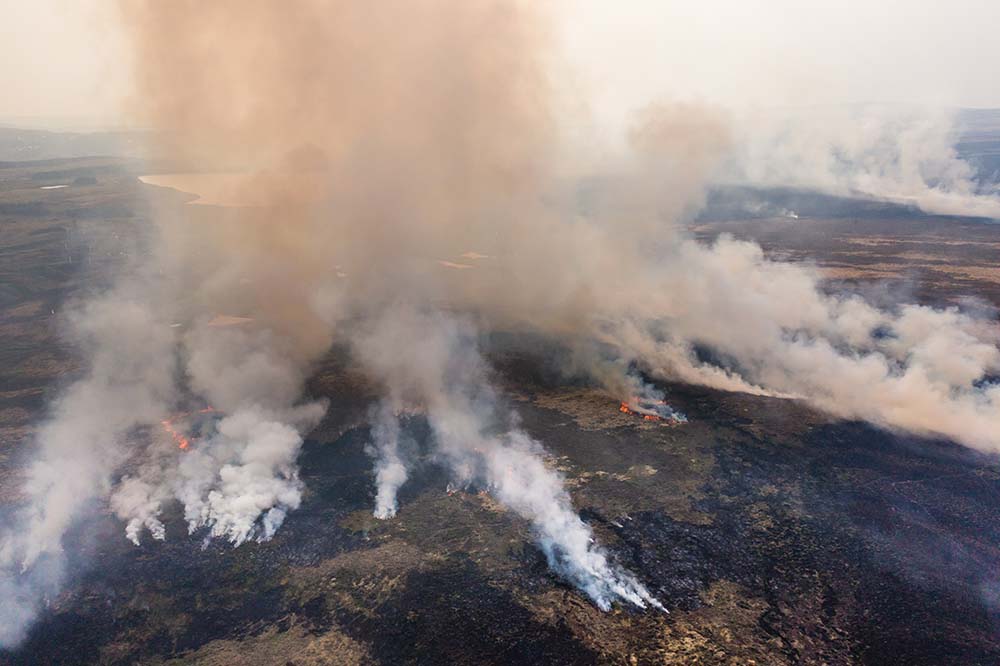
It’s Not About the Land. It’s About Life.
When we read that more than 21,000 hectares have burned this year alone, it’s easy to just picture blackened ground and scorched trees.
But wildfires don’t just affect how landscapes look. They affect entire ecosystems. Unlike planned, controlled burns, these fires spread unchecked through habitats, destroying homes for wildlife and damaging fragile ecosystems.
Across heathlands, moorlands and forests, species including nightjars, Dartford warblers, curlews, adders, common lizards, mountain hares, red squirrels and countless invertebrates have lost habitat, food sources and shelter. In places such as the Cairngorms, fires have also damaged areas of ancient Caledonian pine forest and the complex ecosystems that depend on them.
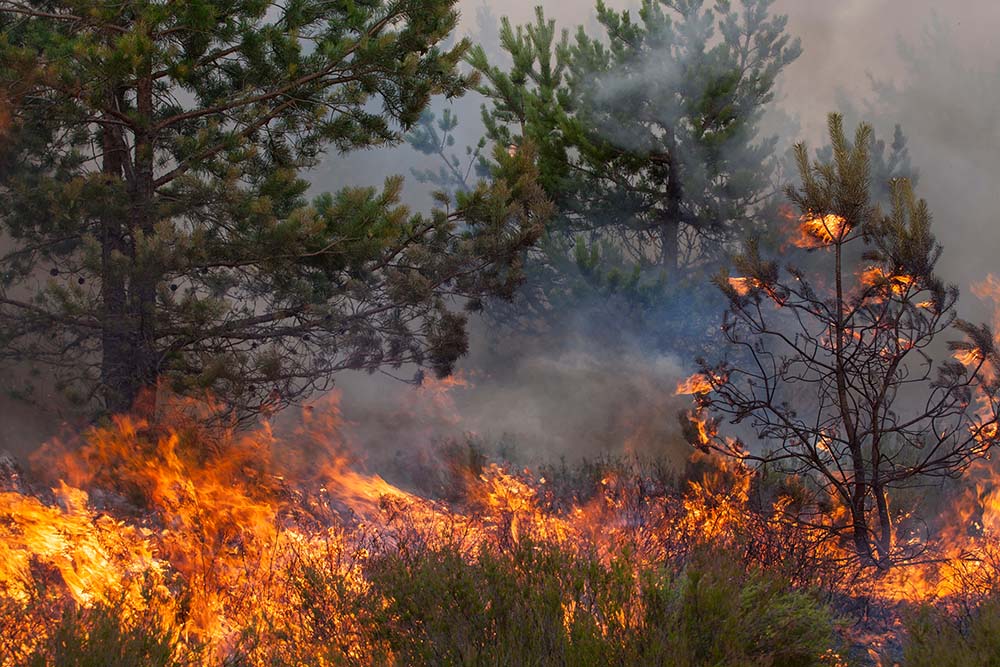
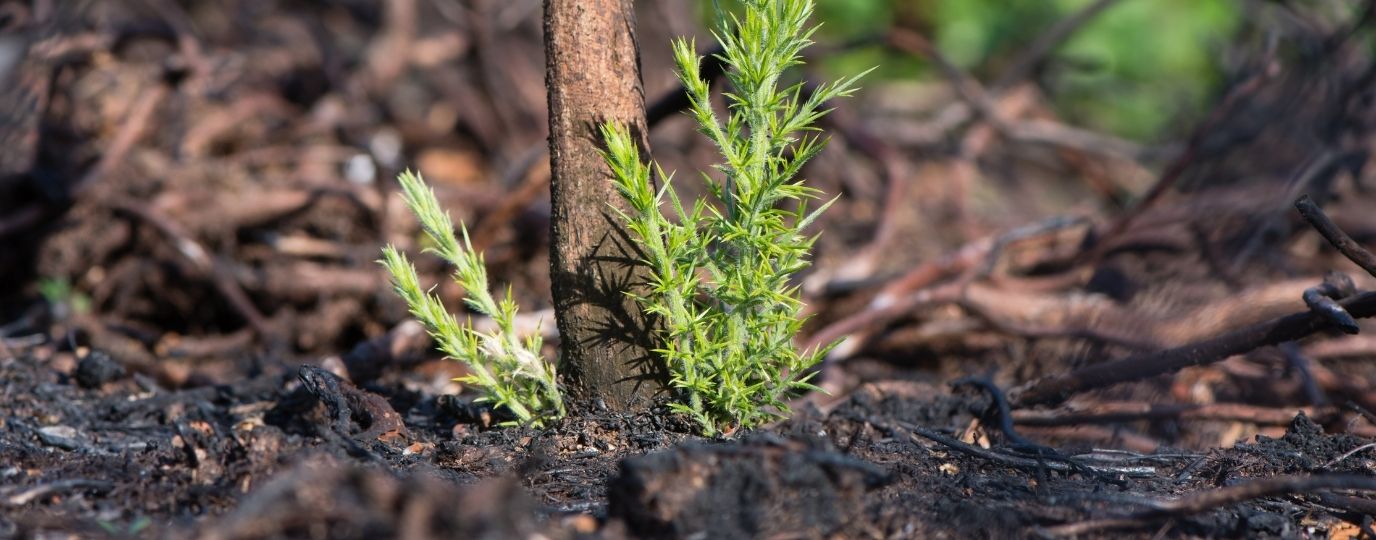
When wildfire tears through it, the damage goes far deeper than what we can see. These landscapes aren’t just scarred. They’re injured, and they’ll need time and support to heal.
Across the UK, conservationists, rangers, ecologists and volunteers will now spend years monitoring wildlife, restoring habitats, repairing damaged landscapes and helping species return. Long after the headlines have disappeared, their work will continue. And in many cases, it’s work that ordinary people can get involved with too.
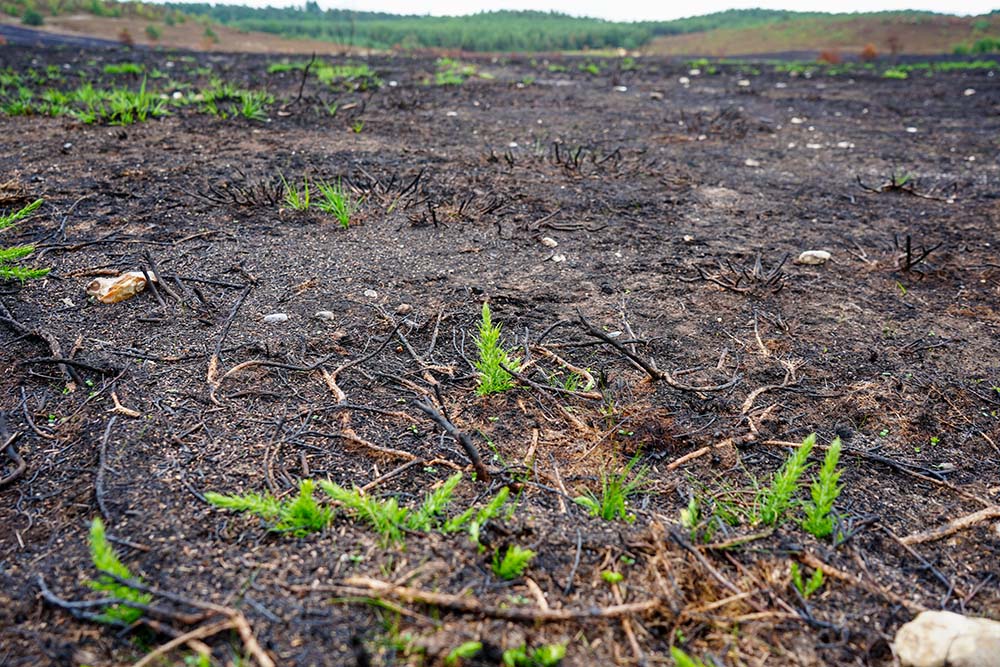
7 Ways You Can Help Wildlife Recover
1. Keep to the path and keep dogs under control
Staying on the path can help recovering wildlife in damaged habitats. Shortcuts through recovering vegetation may not look significant, but hundreds of people making the same choice can slow habitat recovery dramatically.
Ground nesting birds, reptiles and small mammals are particularly vulnerable after fire. Giving wildlife space free from dogs can make a genuine difference.
2. Support organisations restoring habitats with your time or money
If you’ve been watching coverage of these wildfires and wondering what you can actually do, donating is one of the most direct ways to help.
Organisations such as the National Trust, RSPB, local Wildlife Trusts and national park authorities will often launch specific recovery appeals after major wildfire events.
If you can’t donate, consider:
- Supporting visitor centres and conservation projects when you visit affected areas.
- Volunteering with a local conservation group.
- Joining a local Wildlife Trust or conservation charity.
- Share fundraising appeals to raise awareness.
3. Sign the petition to ban disposable BBQs
It feels ridiculous that in 2026 we’re still having to remind people not to leave a potential fire starter in the countryside.
Disposable BBQs are regularly highlighted during periods of high wildfire risk, yet they’re still widely available to buy. If you’ve felt frustrated watching another summer of wildfires unfold across the UK, supporting change is one way to turn that frustration into action.
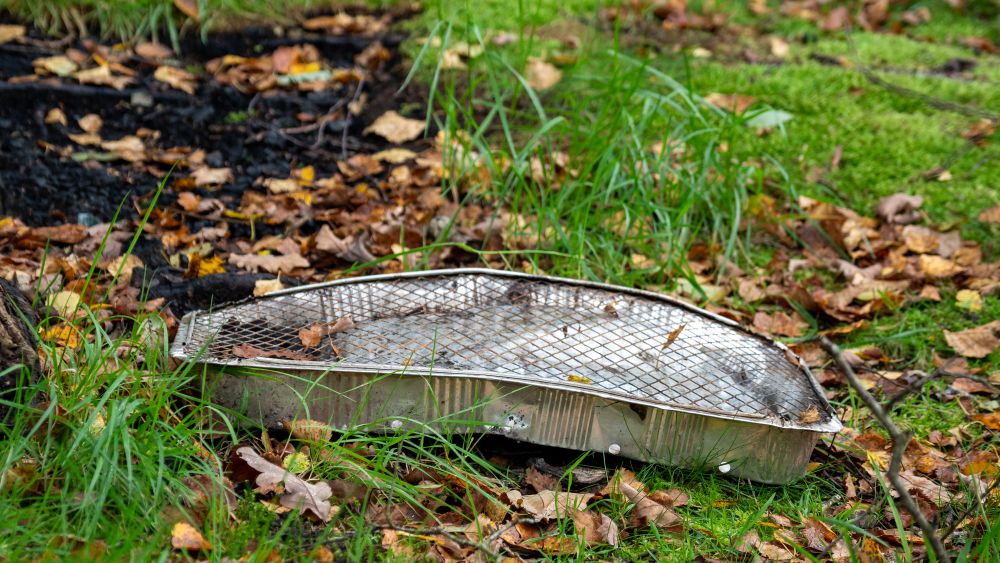
There’s currently an official UK Parliament petition calling for a nationwide ban on the sale of disposable BBQs. The petition has already received enough signatures to trigger a Government response (10k) and is now working towards the threshold required for consideration for a Parliamentary debate (100k) it’s at 16k so far so there’s a long way to go! It’s great to see some of the larger supermarkets taking disposable bbq’s off their shelves.
You can sign the petition here (this is not a petition created by Ordnance Survey)
https://petition.parliament.uk/petitions/770200
It won’t restore a burnt heathland or bring back lost habitat overnight. But reducing preventable wildfire risks is one of the most practical ways we can help protect the landscapes and wildlife we’re trying so hard to recover.
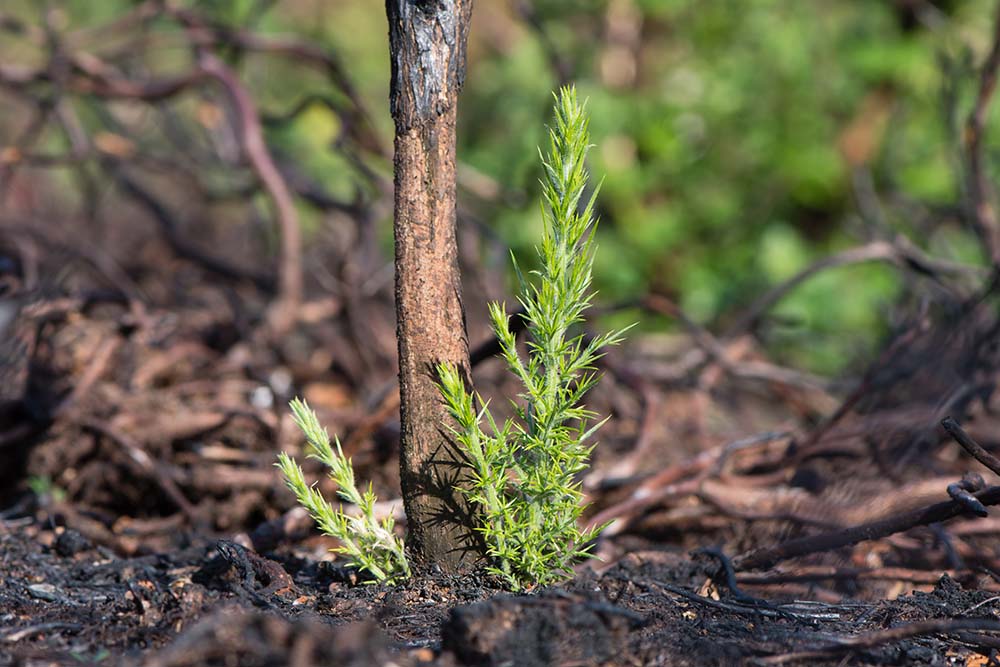
4. Make some NOISE for nature
Wildfires are often treated as a short-term emergency. But recovery takes years and the decisions that shape it are made long after the headlines have faded.
If a landscape, nature reserve or habitat matters to you, tell the people who represent you. Write to your local councillor. Contact your AM or MP – tell them about your concerns over potential risks. Support local campaigns calling for better nature recovery funding, habitat restoration and wildfire prevention measures.
It might seem like a small thing, but politicians pay attention to the issues their constituents raise. If nobody speaks up for nature, it’s easy for recovery efforts to slip down the priority list. You don’t have to shout and wave signs… just write an email.
The reality is that many of the landscapes affected this year will need long-term investment and protection. Making sure nature remains part of the conversation is something all of us can do.
5. Use your platform to protect the places you love
If you’re an outdoor content creator, influencer, photographer or blogger, you have more influence than you might realise.
For years there’s been a debate about whether social media encourages more people to visit fragile landscapes. Personally, I think the answer isn’t to stop sharing beautiful places. It’s to share them responsibly.
The best outdoor creators don’t just inspire people to visit somewhere. They help people understand how to look after it once they’re there.
How to help:
- Include Countryside Code reminders alongside route recommendations.
- Explain why visitors should stay on paths in sensitive habitats.
- Encourage people to keep dogs under control around ground nesting birds.
- Share seasonal access restrictions and temporary path closures.
- Promote local conservation projects and fundraising appeals.
- Share the petition to ban disposable BBQ’s
- Show good behaviour rather than just talking about it.
- Protect sensitive locations by not geotagging
We often talk about using our platforms to inspire adventure, but perhaps we should spend just as much time inspiring stewardship. The landscapes affected by wildfire need more than admiration right now. They need advocates.
So if you’re lucky enough to have an audience, however big or small, use it. Share recovery stories. Celebrate conservation successes. Highlight the organisations doing the hard work on the ground. Don’t just show people where to go. Show them how to care for the places they visit.
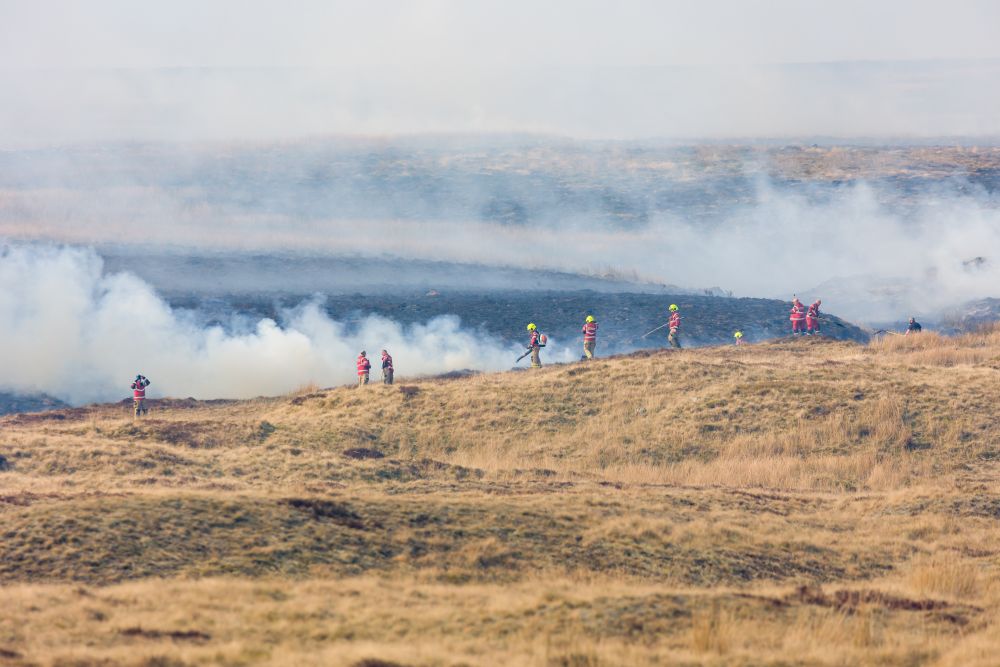
6. Find out about becoming a retained firefighter
If this summer’s wildfires have left you wondering how you can make a real difference, it might be worth looking into becoming a retained firefighter. Retained firefighters are fully trained crew members who live or work close to their local fire station and respond to emergencies when needed. Across rural parts of the UK, they’re a vital part of the response to wildfires, floods, road traffic collisions and other incidents.
Men and women of all ages can apply and there are a growing number of women signing up, so don’t count yourself out on age or gender!
Even if becoming a retained firefighter isn’t right for you, understanding how your local fire and rescue service operates, supporting recruitment campaigns and sharing opportunities with others can help strengthen the emergency services that protect our landscapes, wildlife and communities.
7. Share this post and keep the story alive
Thanks in advance if you are planning to share this post to get people thinking about how they can help with recovery after the wildfires.
Recovery stories rarely make the headlines. So lets talk about the issues and causes of wildfires. Share local recovery projects and fundraising appeals. Celebrate the volunteers, conservationists and firefighters helping these places recover. Don’t let these landscapes be forgotten once the smoke clears.
Let people know how YOU plan to get involved and help. I’m currently looking at ways I can turn my regular hikes into a few annual volunteering days instead. I’ll let you know how I get on!
Finally… Leave No Trace. It shouldn’t need saying, but it does.
Take your litter home. Avoid disposable barbecues. It feels ridiculous that we still have to repeat this advice, but many wildfires start with simple human carelessness.
The countryside isn’t a backdrop for our adventures. It’s home to wildlife and fragile habitats that can take decades to recover. The least we can do is leave it exactly as we found it. Or better still, leave it better by taking any rubbish you find to the nearest bin.
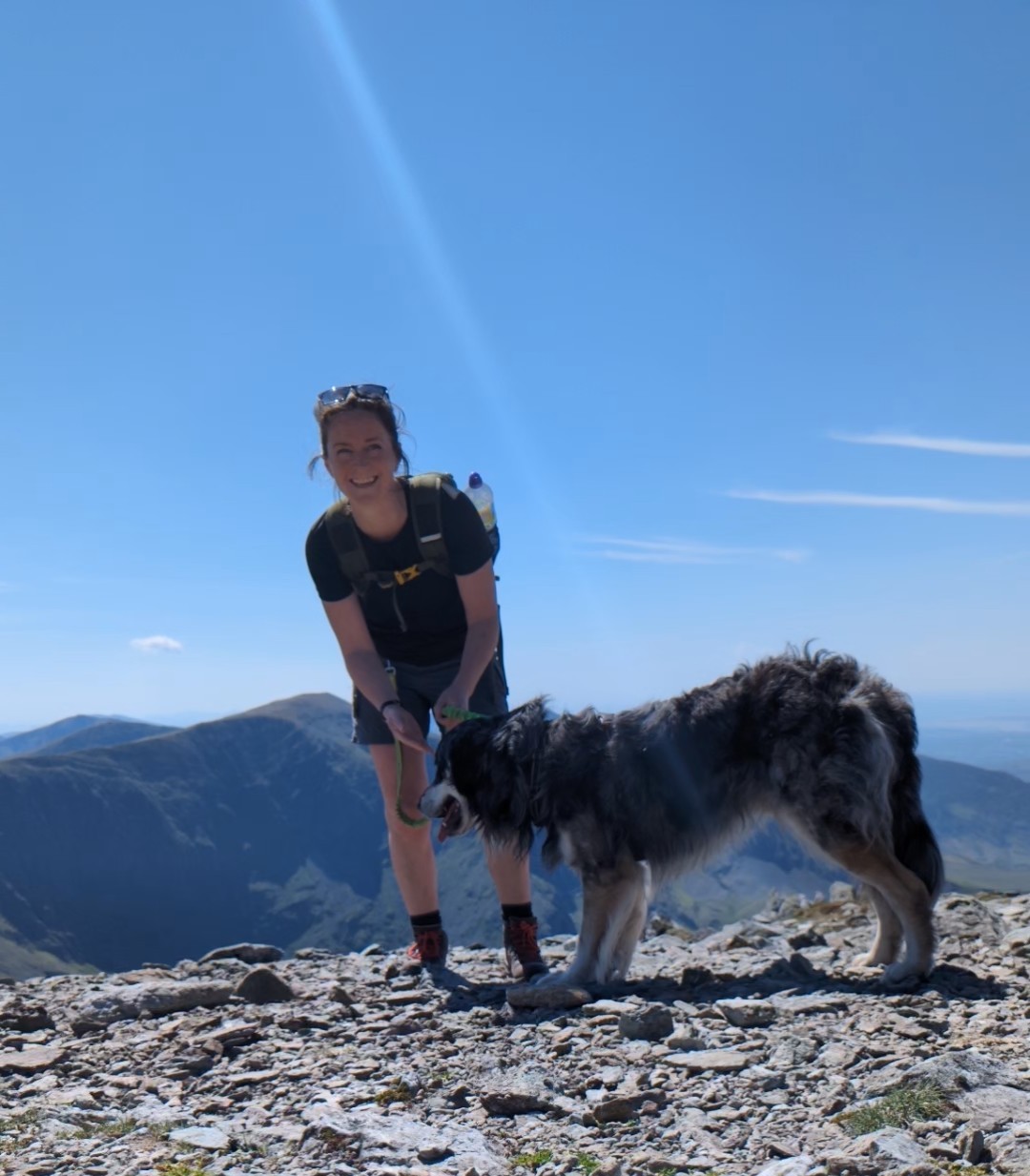
By Hilary Pullen
Meet Hilary, Editor of OS Maps Discover. Hilary is based in North Wales and loves hiking with her dogs in the mountains of Eryri and Bryniau Clwyd, you can find her on Instagram @nearlyuphill and read her guides to walking in North Wales.
If you would like to be a featured OS Author and write an article or route guide find out more here – how to submit an article idea