Women Finding Their Path Outdoors: Why More Women Are Learning Navigation Skills Outdoors
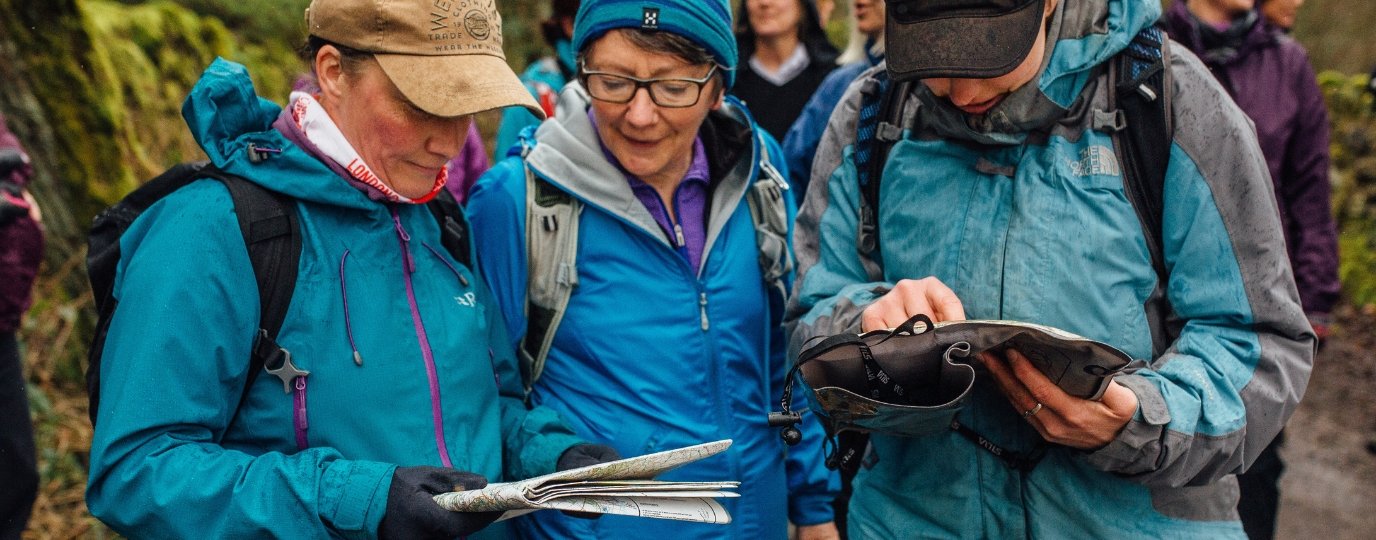
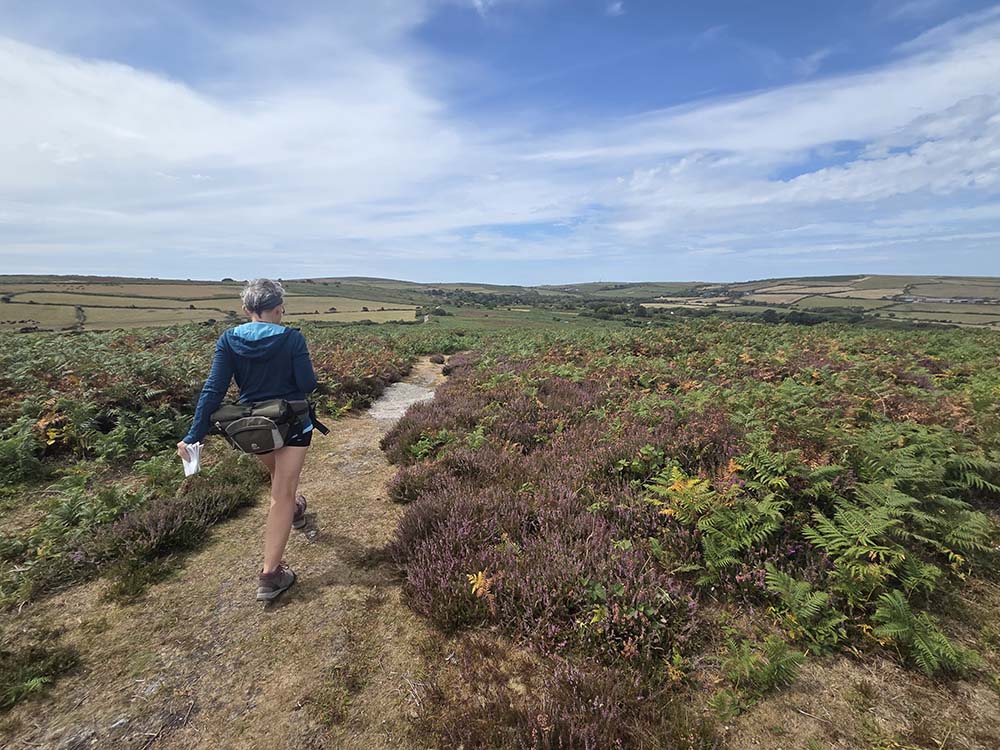
For generations, navigation has often been presented as a technical skill best left to experts, adventurers, or those with an innate sense of direction. Many women have absorbed the message, consciously or unconsciously, that they are more likely to get lost, make mistakes, or need someone else to lead the way. (image credit: Clare Kelly at Navigation for Women.)
How many of you think these statements sound familiar:
- I’m not naturally good at navigation
- I don’t have a sense of direction
- Maps are complicated
- I need someone more experienced to lead
- I’ll get lost and ruin the day
- I’m not clever enough to read a map
If you’ve ever thought any of these things, you’re not alone. But the truth is that navigation is not a talent reserved for a select few. It is a learnable skill, and it’s open to all.
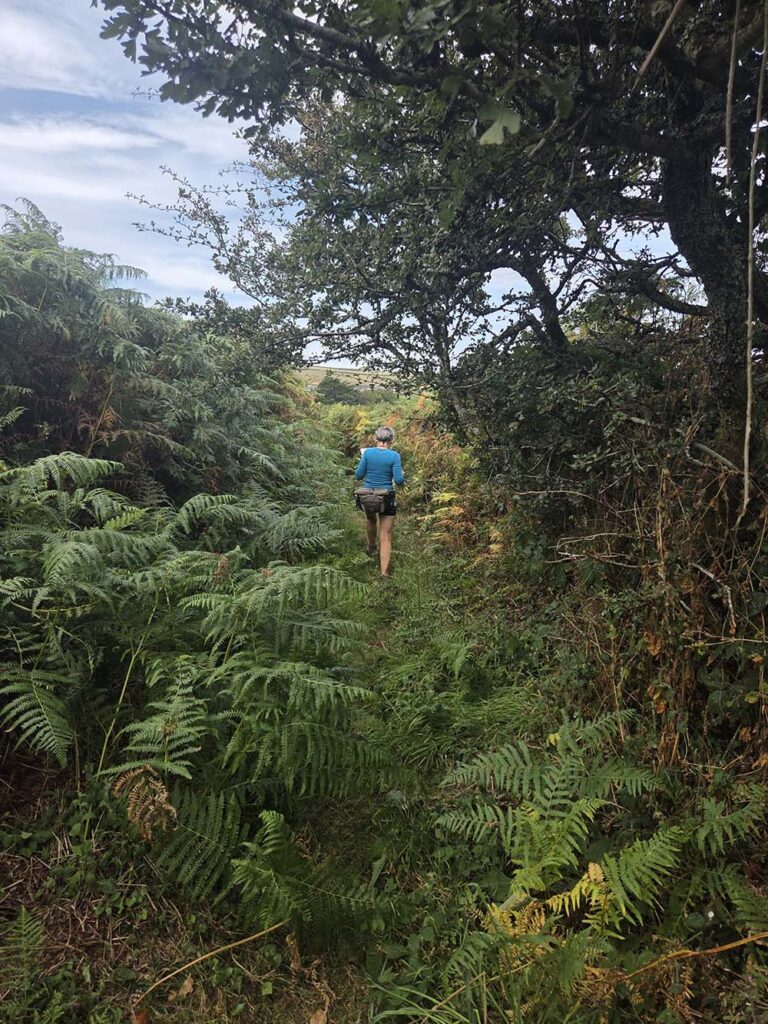
One reason some women hesitate to take responsibility for navigation is the fear of getting it wrong. We live in a culture that often treats mistakes as failures rather than learning opportunities. Yet every experienced navigator has missed a turning, misread a feature, or ended up somewhere unexpected (and if they tell you any different, they are lying!). The difference is not that they never make mistakes, it’s that they know how to recognise them, recover, and carry on.
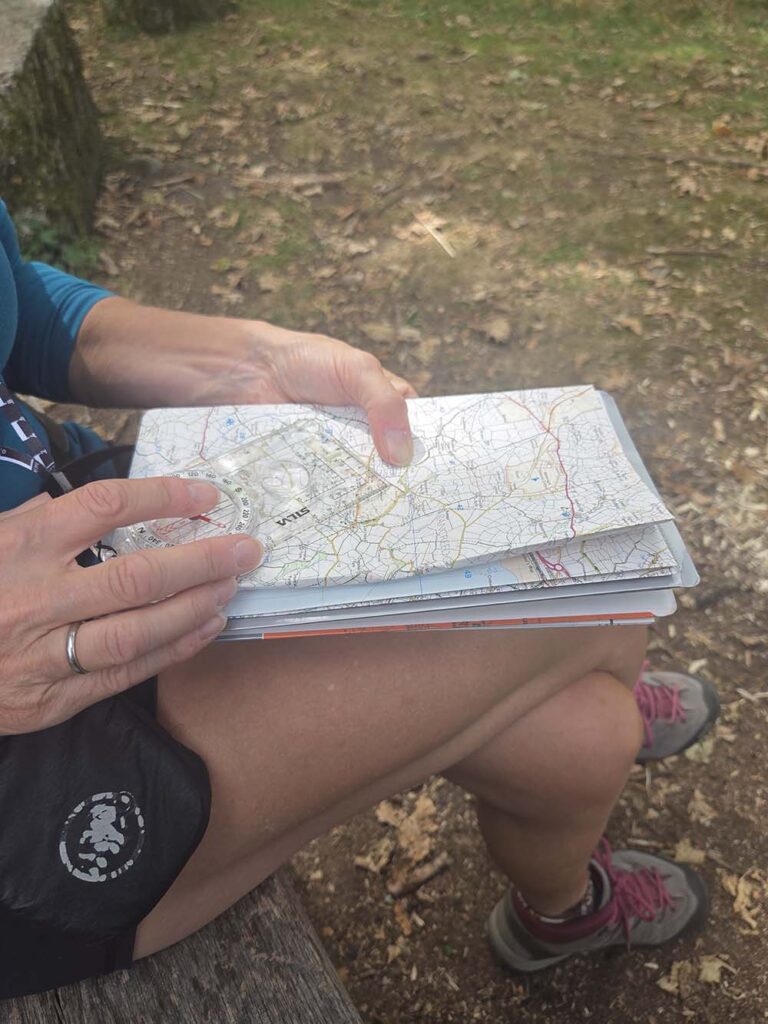
Navigation also teaches us to trust our own observations. Modern technology has made it easy to follow a route without really understanding where we are. While GPS devices have their place, they can encourage passive decision-making. Map reading and navigation require us to engage with the landscape, notice details and think critically. Women who develop these skills often discover that they are far more observant and capable than they initially believed.
Outdoor organisations and walking groups have reported growing numbers of women keen to learn navigation. Many arrive convinced they have a poor sense of direction. After a day or two of practical experience, they realise that success comes not from some mysterious gift but from following a process: observing, interpreting information and making decisions. Skills improve with practice, and confidence follows.
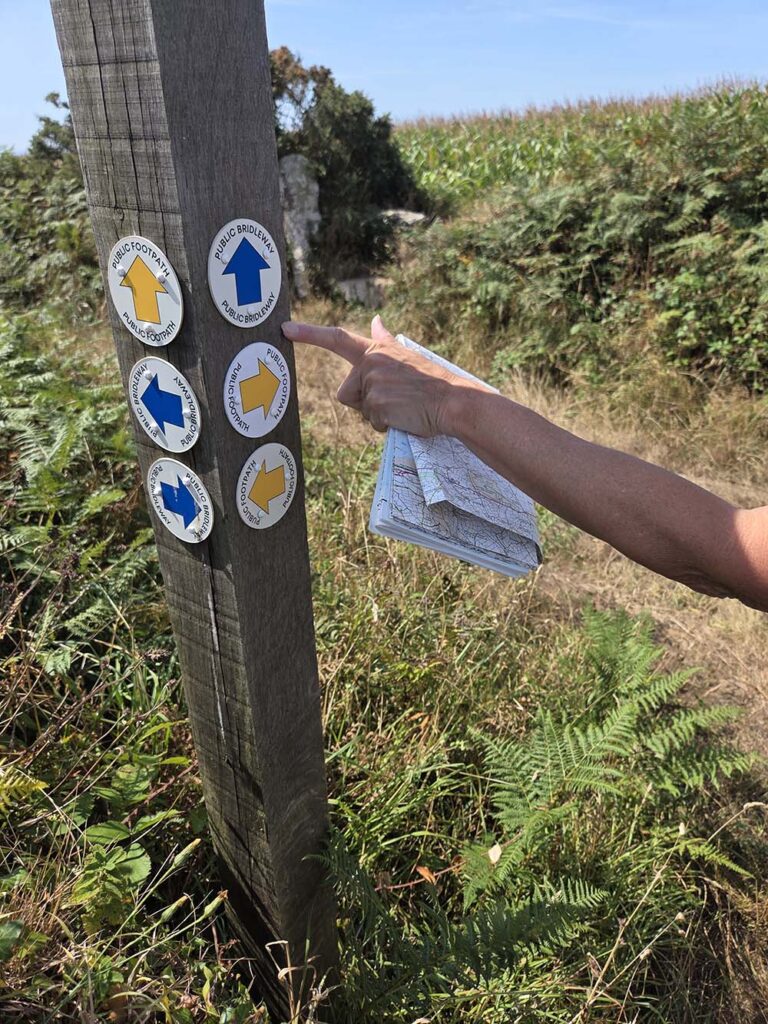
There is also a broader message here, in that navigation can be a powerful metaphor for life. Trusting yourself to interpret a map, choose a route and take responsibility for your decisions mirrors the confidence needed to make career choices, pursue adventures or try something new. Every time a woman takes the lead on a walk, plots a route or guides a group safely to its destination, she challenges outdated assumptions about who gets to be in charge.
The outdoors benefits from greater diversity in leadership, and navigation is one of the key skills that helps create that change. When women step forward to navigate, they become role models for others. Beginners see someone like themselves confidently making decisions and realise that they can do the same.
There are many routes you can take to develop your navigation skills (sorry, pun intended) – from checking out the fabulous resources on the OS Maps Knowledge Hub, or signing up to a hill skills day in your local area. The British Mountaineering Council runs some great sessions, or look for a local provider on the Guided Outdoor Adventures website. If you want to take it to the next level, consider working towards a recognised qualification such as the National Navigation Award Scheme, or learning to lead in the outdoors with Mountain Training.
In recent years, I’ve found myself mentoring more and more women. Sometimes this is through the Mountain Training Association Mentor Scheme, and sometimes it’s informally over a cup of tea, on a walk, or through conversations with daughters of friends who are curious about the outdoors.
I meet women of all ages who are only just discovering outdoor adventure for themselves. Some are in their twenties, some in their forties and fifties, and some well beyond that. The common thread is the desire to feel capable, confident and safe outdoors.
That’s why I created Wild Rambling: Skills.
I wanted to create a space where women could learn navigation, planning and decision-making in a way that feels supportive, relaxed and genuinely welcoming. A space where questions are encouraged, mistakes are simply part of the learning process, and nobody has to pretend they know more than they do.
It’s not about turning anyone into a hardcore mountaineer. It’s about helping women feel safe, capable and confident in the outdoors:
- Safety – because you understand what’s happening around you
- Freedom – because you’re not relying on someone else
- Belonging – because you feel part of the outdoor world
- Joy – because you have achieved something that you thought was impossible
The best navigators aren’t the people who never make mistakes. They’re the people who are willing to try, willing to learn, and confident that they can work things out when things don’t go to plan.
Navigation is a skill, confidence is a skill, and both can be learned. Sometimes all it takes is the courage to pick up that map (OS, of course!) and try.
OS WOMEN OUTDOORS
The outdoors is for everyone… confidence starts with a single step
Visit the OS Women's Hub
By Helen Venus