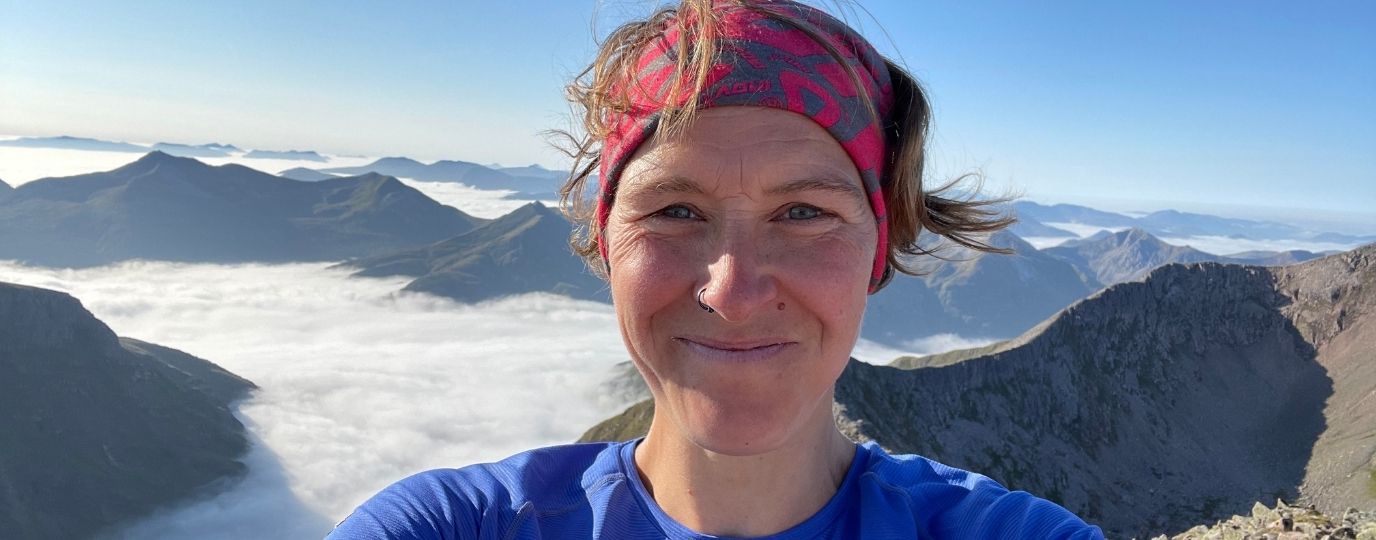
A Decade of Progress; Women in Trail Running and the Changing Face of Endurance Sport
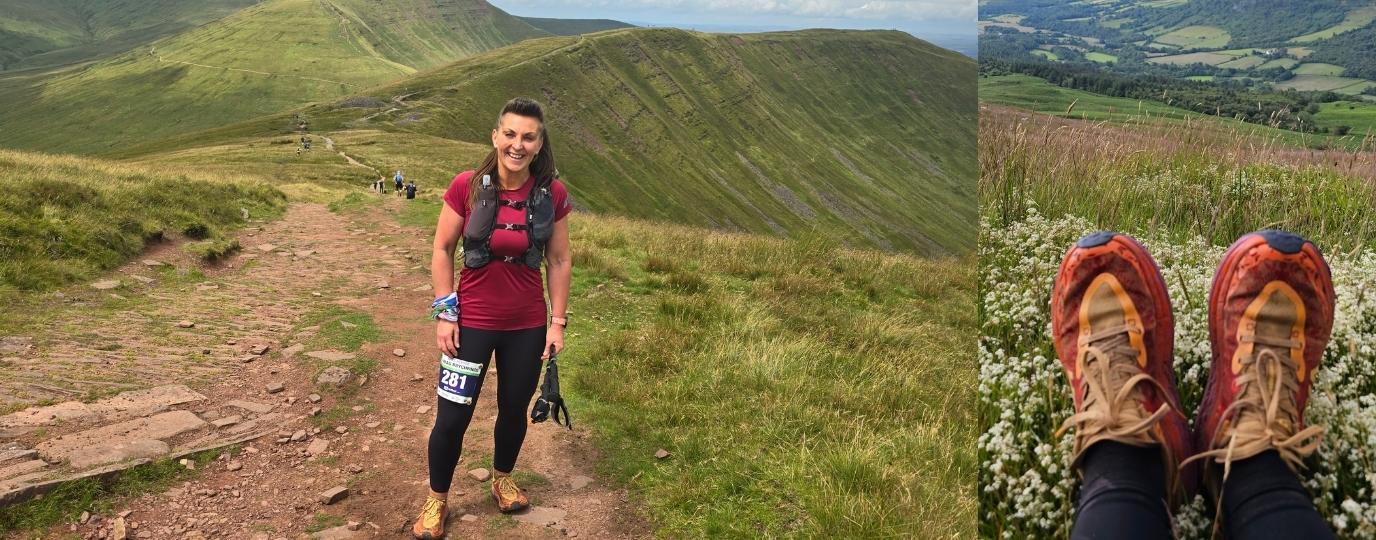
Over the past ten years, female participation in trail running has increased significantly and reflects many of the broader shifts seen across women’s sport as a whole. Once dominated by men, trail and ultra distance events are approaching greater gender balance, driven by cultural change, increased accessibility and the growth of women-focused communities.
Data from the International Trail Running Association shows that women accounted for approximately 20- 25% of trail race participants in the early 2010s. By the mid-2020s that figure has risen to around 40 percent globally, with some shorter distance events nearing parity. Even in ultra distance races, traditionally the most male dominated, female participation has increased steadily, with entry numbers in some events doubling over the last ten years.
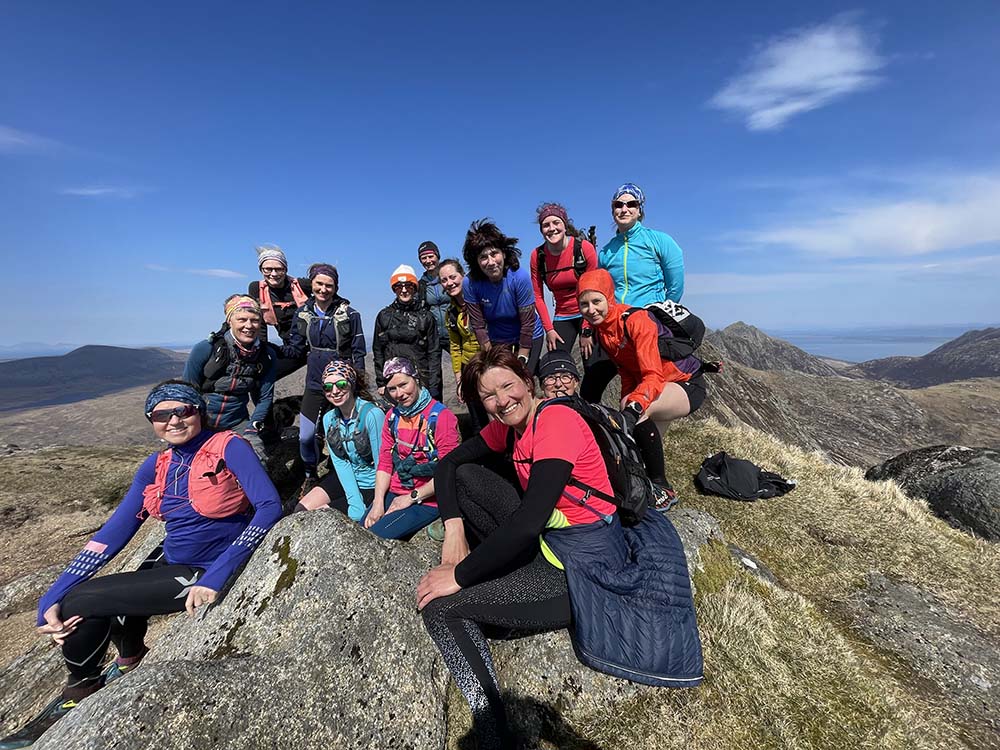
A Boom Led by Women
This shift in trail running sits within a broader boom in running participation across the UK. The London Marathon ballot for 2026, attracted more than one million applicants – including around 850000 from UK based runners. According to Sport England, there were 349,000 more runners in 2024 compared to 2023 and this increase was driven almost entirely by women. While these figures relate primarily to road running, they are indicative of a wider cultural shift that is also influencing trail running.
What distinguishes the current surge from previous running booms is its inclusivity. Earlier waves often centred on elite performance, tending to prioritise speed and competition. The current trend is broader, encompassing a wide range of abilities paces and motivations. Participation is no longer defined solely by performance metrics but also by health, social connection and personal challenge.
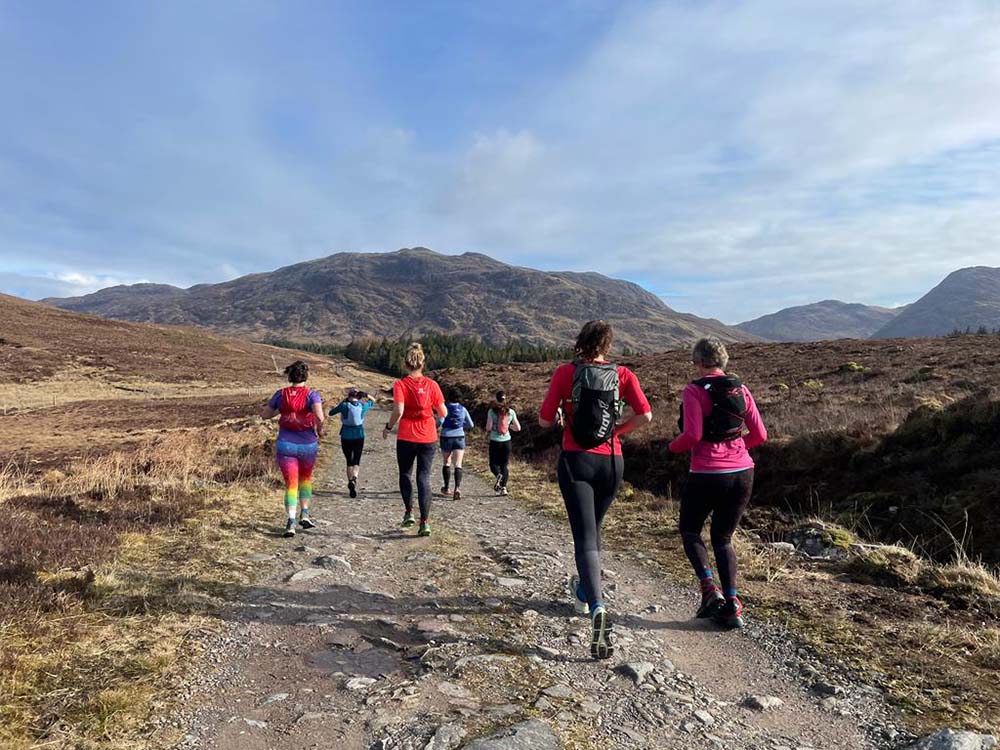
From Exclusion to Expansion
The growth in women’s participation is relatively recent however, when viewed through a historical lens. Endurance sport was not always accessible to women and formal barriers persisted well into the late twentieth century.
In 1967, Kathrine Switzer entered the Boston Marathon at a time when women were not officially permitted to compete. Women were only formally allowed entry from 1972. The International Olympic Committee also did not introduce a women’s marathon until 1984.
Women were not permitted to compete in the Ben Nevis Race until 1988, despite the event having existed in various forms since the late 19th century. Today, it is one of the most iconic hill races in the UK and includes a strong female field. In mountaineering, the Alpine Club founded in 1857 did not admit women until 1974.
These milestones illustrate how recently women have gained access to endurance/mountain sport at all levels. Current participation rates in trail running and marathons therefore represent a substantial and relatively rapid transformation.
The Role of Women Only Spaces
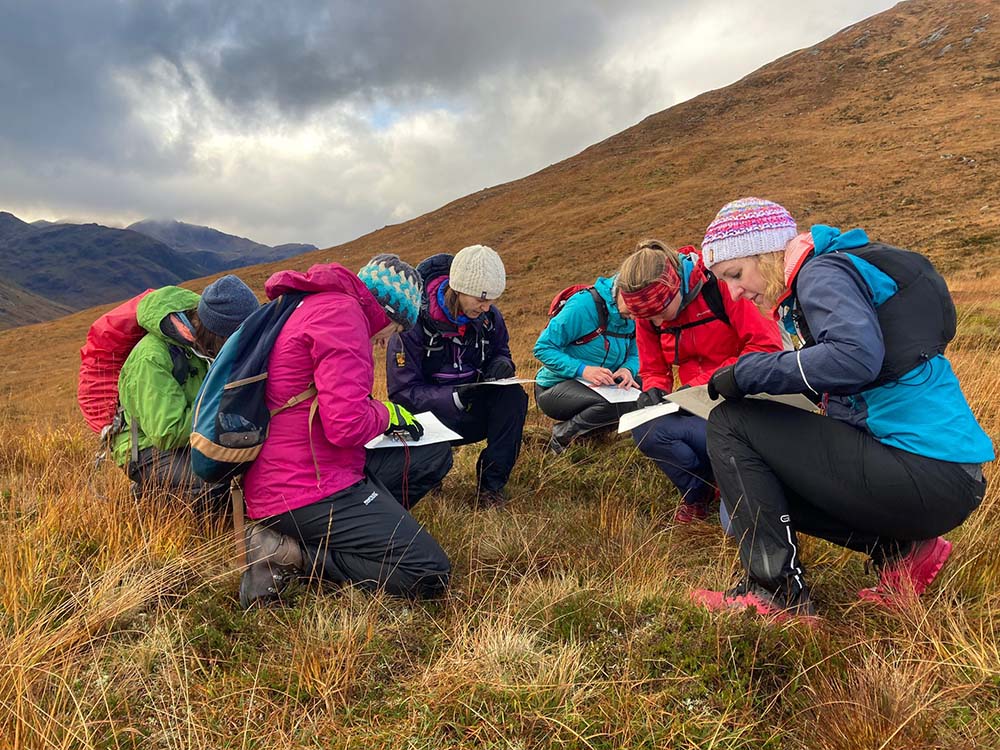
Women-only running groups and organisations have played a key role in the cultural shift within trail running, where additional barriers such as navigation, remoteness and safety concerns can affect participation.
Groups such as Girls on Hills have been central to this development. By offering guided runs, skills, training and female-led events, they address both practical and psychological barriers. These include confidence in navigating remote terrain, mountain safety knowledge and empowerment, with the reassurance of running in a supportive group environment.
OS WOMEN OUTDOORS
The outdoors is for everyone… confidence starts with a single step
Visit the OS Women's HubChanging Conversations and Practical Needs
As more women take up trail running, there has been a shift in the conversations surrounding the sport. Taboo topics that have been marginalised historically, such as menstrual health, menopause and gender-specific training considerations are now more visible.
Sports science research increasingly acknowledges the impact of hormonal cycles on performance and recovery. Discussions around perimenopause and menopause are becoming more common, reflecting a broader age range of female participants in endurance sport.
Equipment design has also evolved. Even a decade ago, running footwear, clothing and packs/vests were often designed around male body standards, with female versions offering limited adaptation. Increased demand has led to improvements in trail shoes, sports bras, hydration packs and technical clothing, designed to better accommodate different body shapes and needs.
Social Running
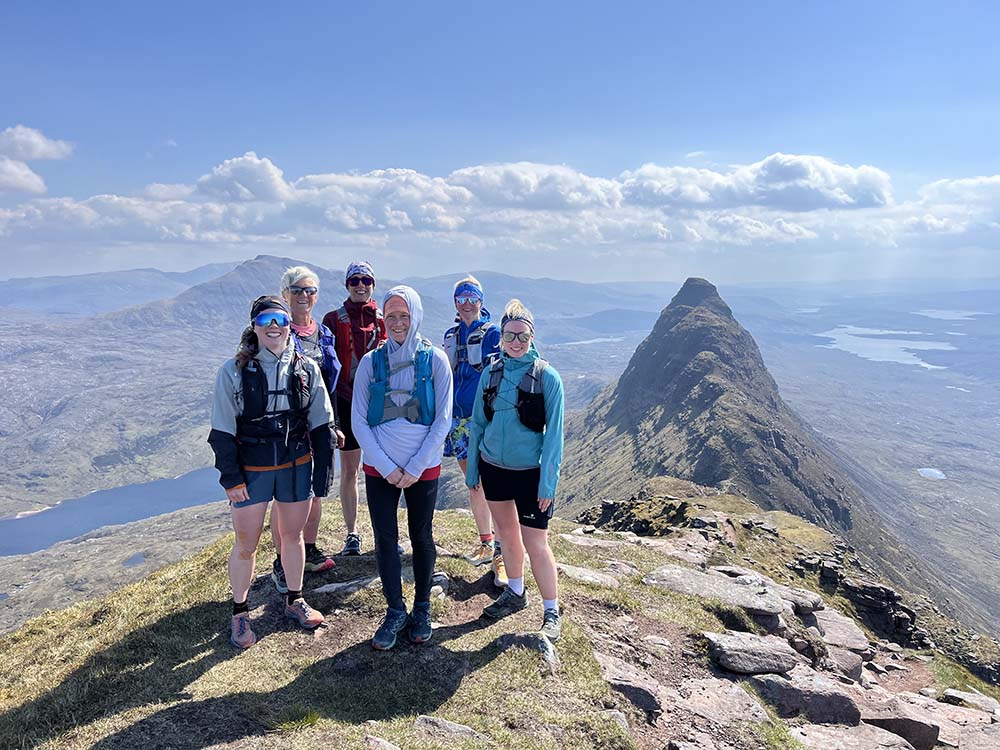
The rise of informal and social running groups has also helped feed the participation pipeline, particularly among women. Unlike traditional clubs, focused on performance, these groups often prioritise inclusivity, flexible pacing and social interaction.
This model aligns with broader findings that social support is a key factor in longer-term participation. Running in a group can provide motivation and accountability, as well as a sense of belonging. In trail environments it also offers practical benefits, such as shared knowledge of routes and increased safety.
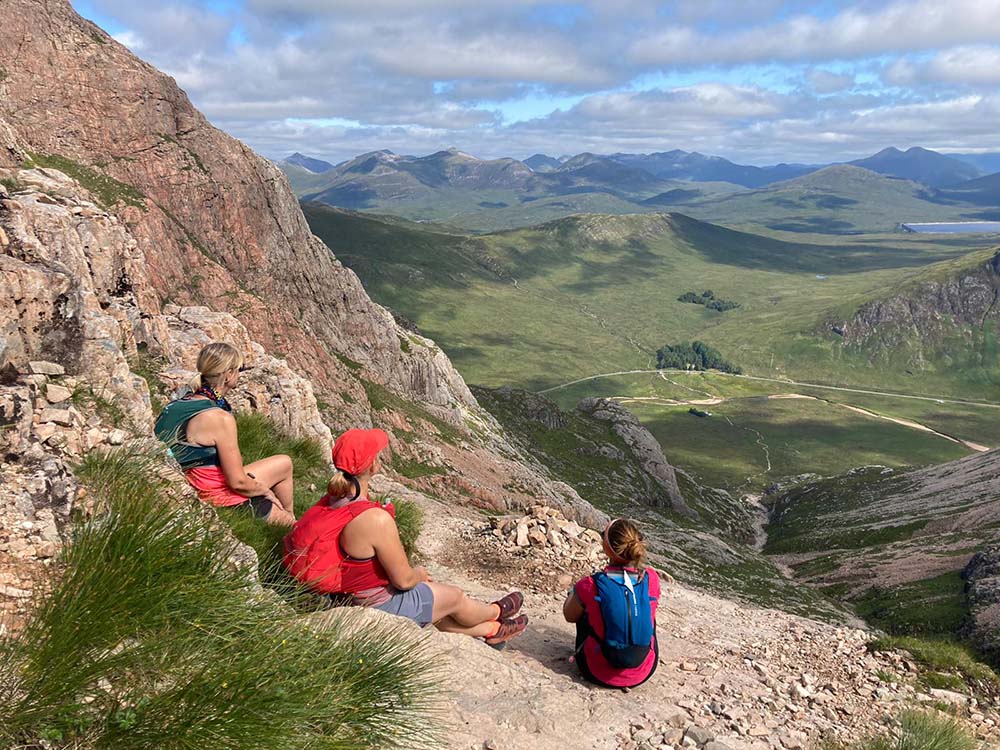
These spaces often extend beyond running itself. Conversations during group runs frequently include subjects that affect women’s mental health and wellbeing, such as work, family responsibilities, hormone health and ageing. This change reveals that the women’s sport has real value within wider life circumstances and that supportive environments can help individuals navigate these alongside their training.
Research suggests that women are more likely to understate their athletic achievements; a pattern observed across multiple sporting disciplines. Supportive group environments can help counter this by reinforcing positive feedback and broadening definitions of success beyond pace or ranking.
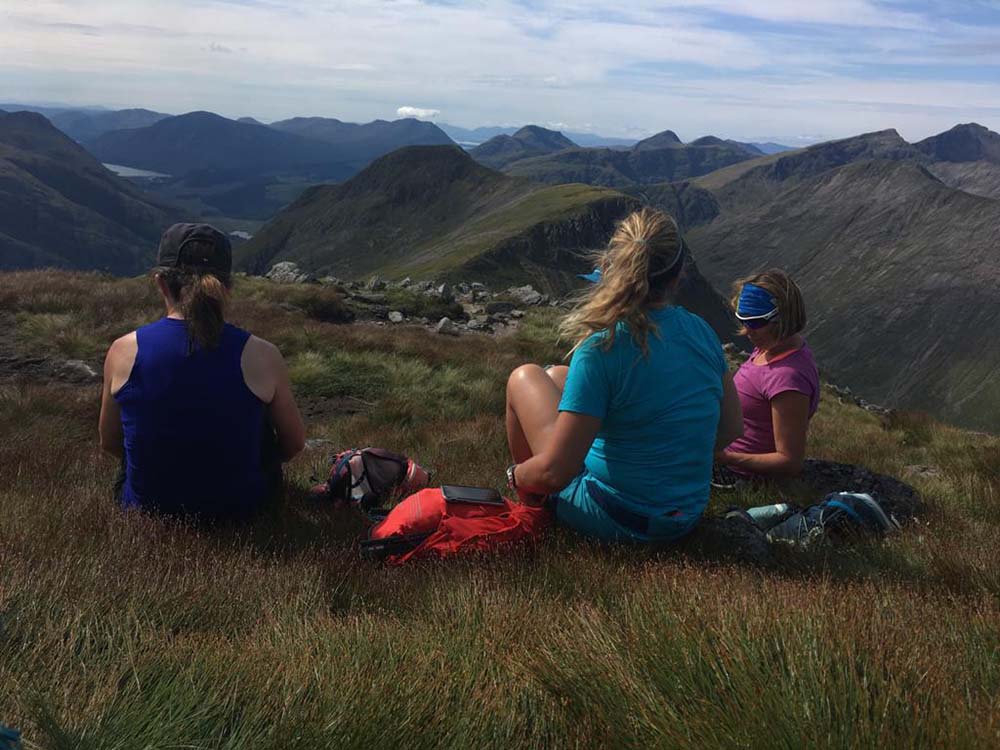
But trail running today is not just social and supportive, it is still competitive and uncompromising. It remains a space for racing, for individual challenge and for exploration at the highest level. Over the past decade, female elites are winning major global ultra-races outright, redefining expectations and dismantling long-held assumptions about female endurance.
The current surge in female participation has not softened the sport, it has sharpened it. It has widened the field and raised the bar – all the while making it clear that excellence in trail running, is no longer defined by gender.
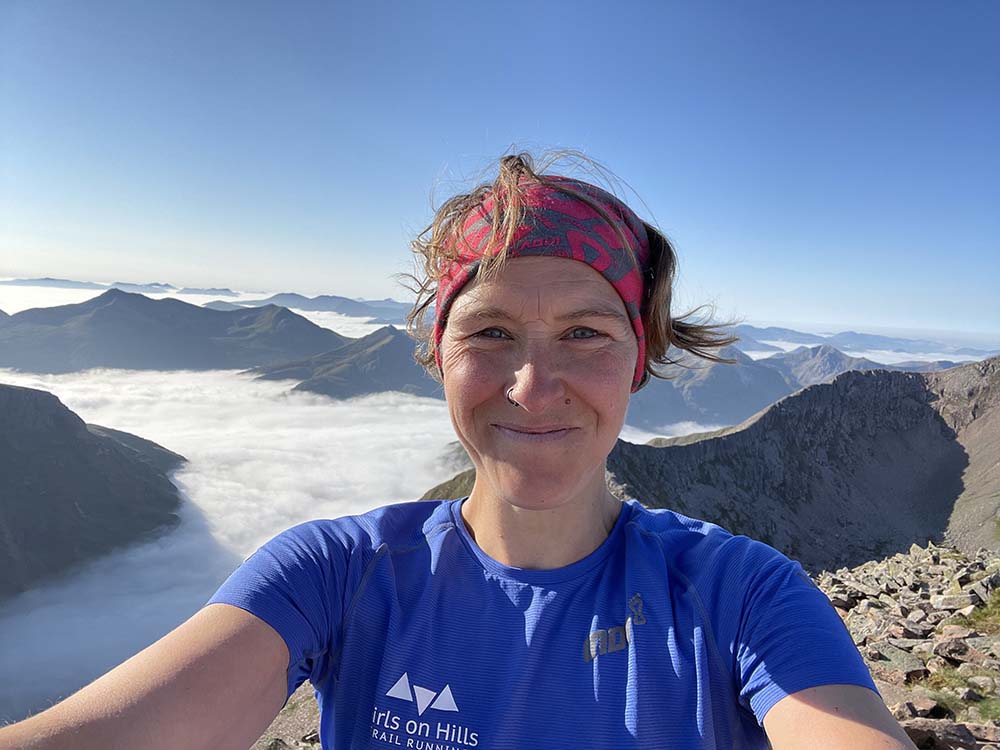
By Keri Wallace
You can find Keri on Instagram @drkeriwallace