
Read our expert advice on staying safe in high wind speeds from Mike Mclaggan of Tayside Mountain Rescue
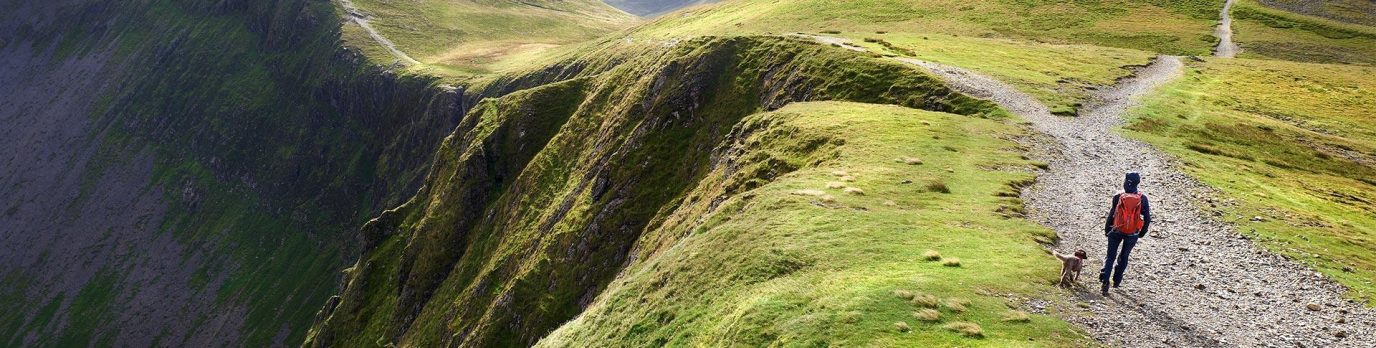
Wind is one of the most underestimated hazards in the British mountains. It shapes how we plan, how we move and how safe we feel on exposed ground. Even experienced walkers can be caught out by gusts that feel far stronger than forecast, especially on ridges and summits where the terrain accelerates the airflow. Wind speeds matter ALL YEAR ROUND in the mountains. A sunny Easter weekend may be a little blustery at sea level but in the mountains wind speed can really impact your hike.
What wind speeds are dangerous in the mountains?
Not checking the wind forecast is often the most dangerous decision you can make when hiking at height. There is no single number that defines when wind becomes unsafe because so many variables affect how it is felt on the hill. Terrain shape, exposure, narrow ridges, and features like cols and wind tunnels can all amplify the strength of the wind and create sudden gusts that are far stronger than the forecast suggests.
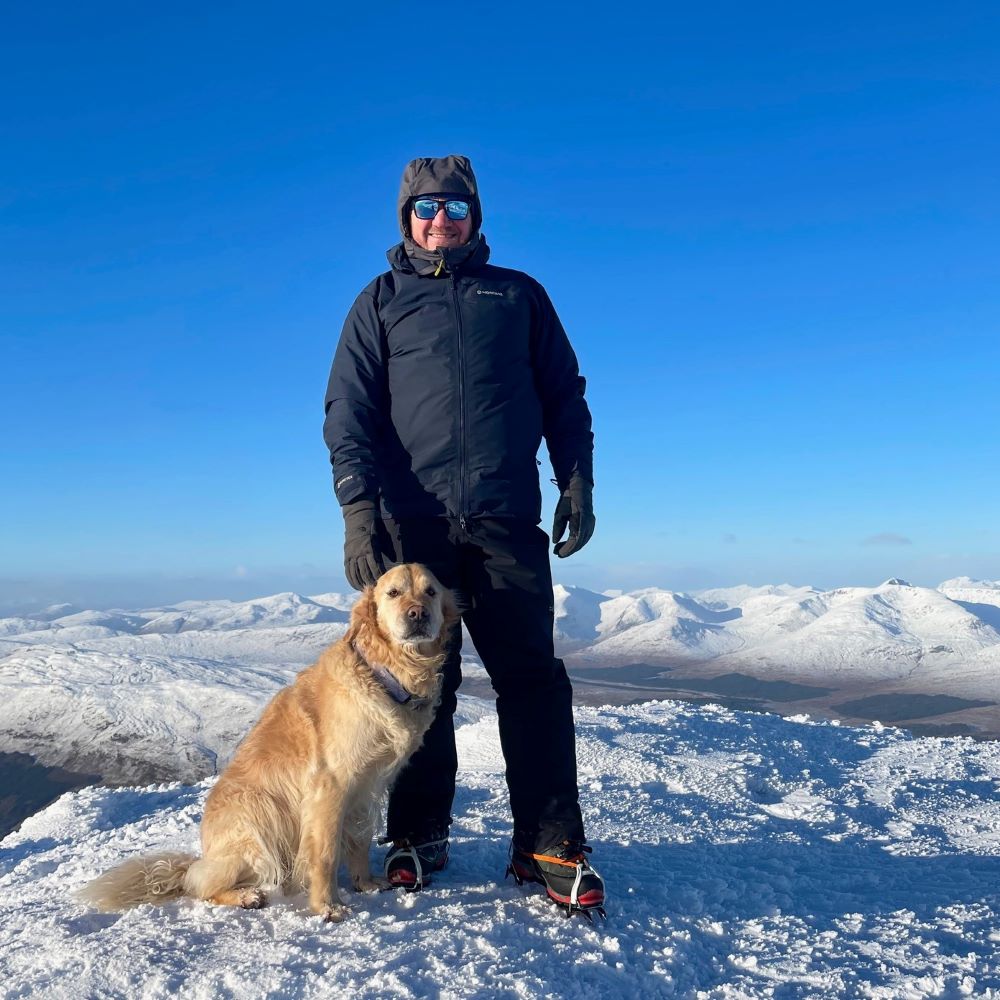
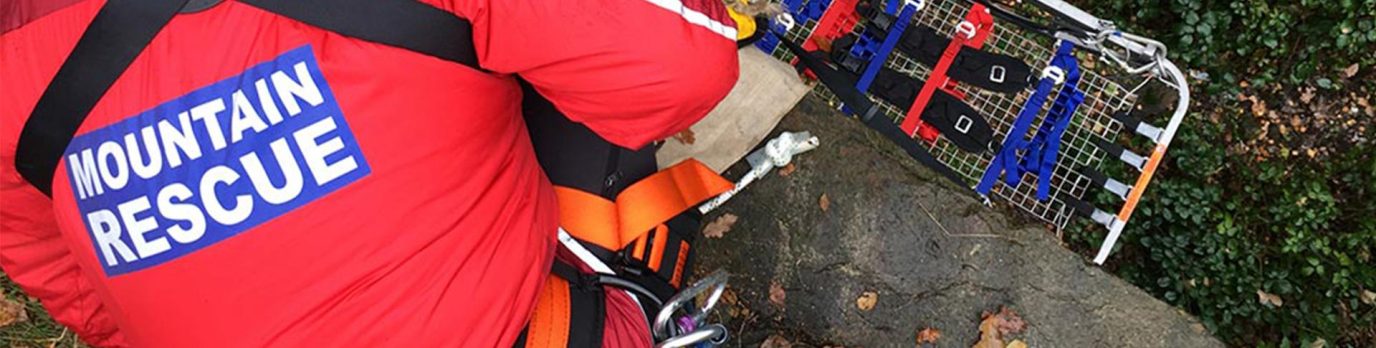
To help explain what actually happens in windy conditions, and how to manage it safely, we had a quick chat with Mike McLaggan, Scottish Mountain Rescue Equipment Officer and member of Tayside Mountain Rescue Team. Mike shares practical, experience‑based advice focused on preparation, movement and choosing terrain that keeps you safe when conditions begin to deteriorate.
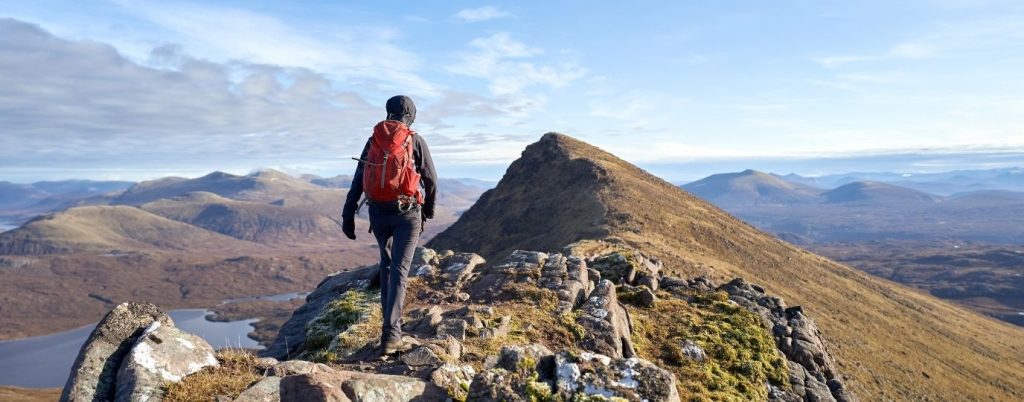
Why does the wind strengthen so quickly as you gain height?
Mike’s Advice on gauging wind speed at height
Basically, on a mountain the higher up you go the windier it gets. Over the past few years we have been experiencing more extreme wind events even during the summer months. As a basic rule of thumb, I always assume wind speed at 914.4 metres or 3000 feet is double from a sea level wind speed.
At higher altitudes there is far less friction acting on the air. Near the ground, wind is slowed by rough surfaces such as buildings, trees, heather, boulders and the shape of the land itself. As you move up a hillside, that surface friction decreases, so the air can flow much faster.
Mountains also create their own acceleration effects. When wind is forced over a summit or squeezed through a col, the air speeds up in the same way water speeds up when it passes through a narrow channel. Ridges and saddles act like funnels that concentrate the airflow. Gusts can become much stronger than the forecast average, which is why exposed high‑level ground often feels dramatically windier than lower slopes.
This combination of reduced friction, stronger pressure gradients and terrain‑driven acceleration means wind speed typically increases with every metre of height gained. Mike sums it up simply with his own rule of thumb, based on rescue experience: wind at around 914 metres or 3000 feet can often be double the speed at sea level.
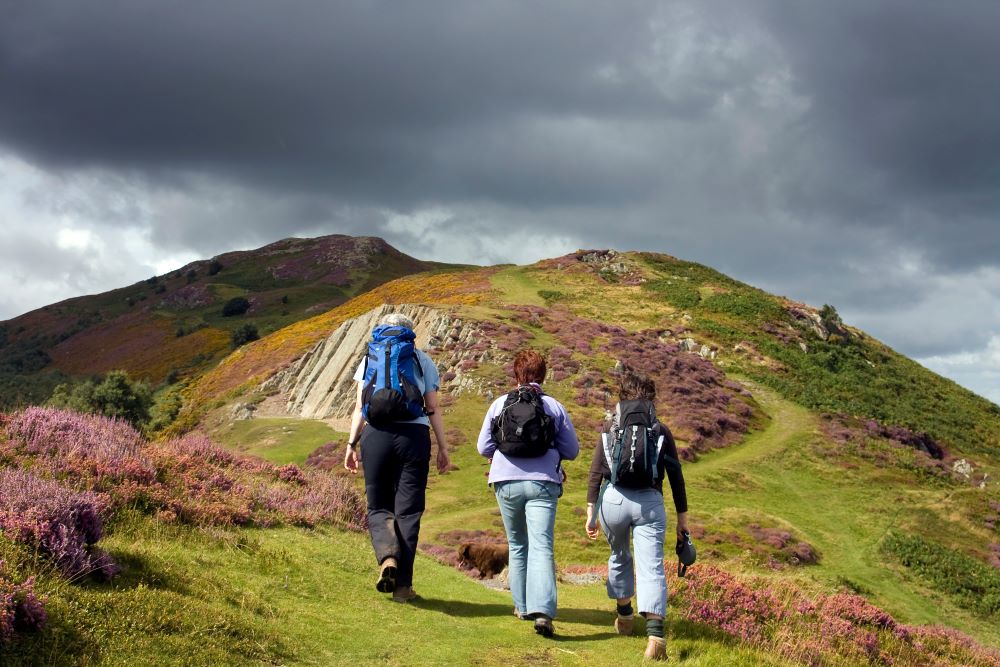
How should people plan for windy weather in the mountains?
Mike’s Advice on planning a hike in windy conditions
Use all the information you have especially the mountain weather forecast. Understand the wind symbols on the forecast and what it means for you on the hill. Check Mountain Weather Information Service www.mwis.org.uk
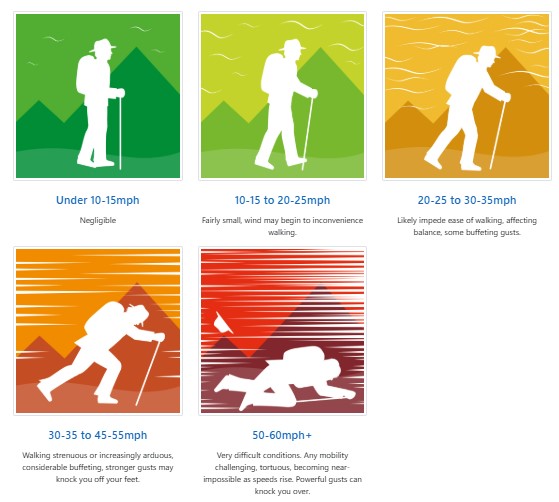
Alongside Mike’s advice, it helps to think about how exposed your chosen hill is compared with surrounding terrain. Broad plateaus, isolated summits and long ridgelines are often far windier than lower, rolling routes. Checking contour spacing on your map, noting where the terrain narrows or rises sharply, and choosing sheltered alternatives can make a big difference to comfort and safety. A few minutes spent planning with wind direction in mind often leads to a much calmer and more enjoyable day out.
What should walkers consider when choosing a route in strong winds?
Mike’s Advice on choosing a route on a windy day
Avoidance is the key. If you can plan a route to stay out of the wind the better. Ridges, cols and summits are particularly windy places so try and limit time spent there. On ridges if possible keep on the leeward side out of the wind and minimise time spent at the summit.
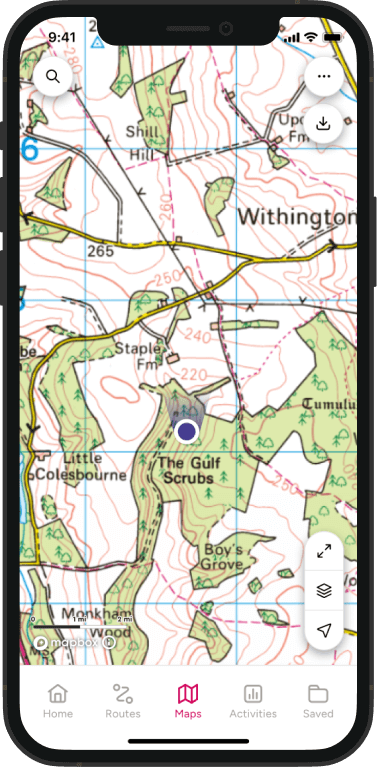
We 100% agree – it’s best to avoid any problems with plenty of advanced planning – or simply waiting for a less windy day as the mountains aren’t going anywhere. OS Maps can help you spot where a route will feel exposed before you set off. Contour lines show where the ground narrows or rises sharply, which often means stronger winds, while valleys, corries and forested slopes usually offer better shelter. Switching to the 3D view makes it easier to see how the wind might travel across the terrain and to pick paths on the leeward side of the hill.
How do you walk and move safely in windy conditions?
Mike’s Advice on hiking safely in windy conditions
Move carefully trying to be as stable and dynamic as possible. Avoid running or jumping and on steep ground be definite with hand and foot placements. Ski poles can help and in icy conditions an ice axe or crampons are essential. On rocky ground try and be as stable as possible and use poles for balance. Remember if it gets too difficult to continue have a plan to retreat to safety.
It is really difficult to speak to people in a strong wind. Try and have a plan and communicate before hitting very windy conditions. Safety is paramount and keep an eye on others and assist if required.
As Mike says make sure you have a plan B or C and that everyone knows what they are. Adding waypoints when creating your route or having a lower‑level option gives you a safe escape route if the wind feels stronger than expected. A quick check of the terrain in OS Maps can make the difference between a really tough outing and a comfortable, well‑sheltered day on the hill. Navigation skills are not just for when you’re out in the mountains, they’ll help with all of your planning too.
Does weight or fitness affect how someone handles strong winds in the mountains?
Mike’s Advice on assessing your group before mountain hiking in windy weather
Think about your party and remember smaller and lighter people will struggle more. Also people will spend lots of energy if climbing uphill into the wind. People with certain lung conditions will really struggle walking into a headwind especially in cold weather.
Mike’s points highlight how differently wind can affect people within the same group. Smaller or lighter walkers (and children!) feel the force of the wind more strongly, especially when carrying a rucksack that can act like a sail. The extra effort needed to push uphill into a headwind also means that anyone who tires quickly, or who has a respiratory condition, may find the day much harder. Make sure you properly assess your group, it’s easy to forget these factors when planning a hike on a windy day and just think of your own fitness levels.
What clothing and equipment are essential when hiking in strong winds?
Mike’s Advice on clothing and equipment for hiking in windy weather
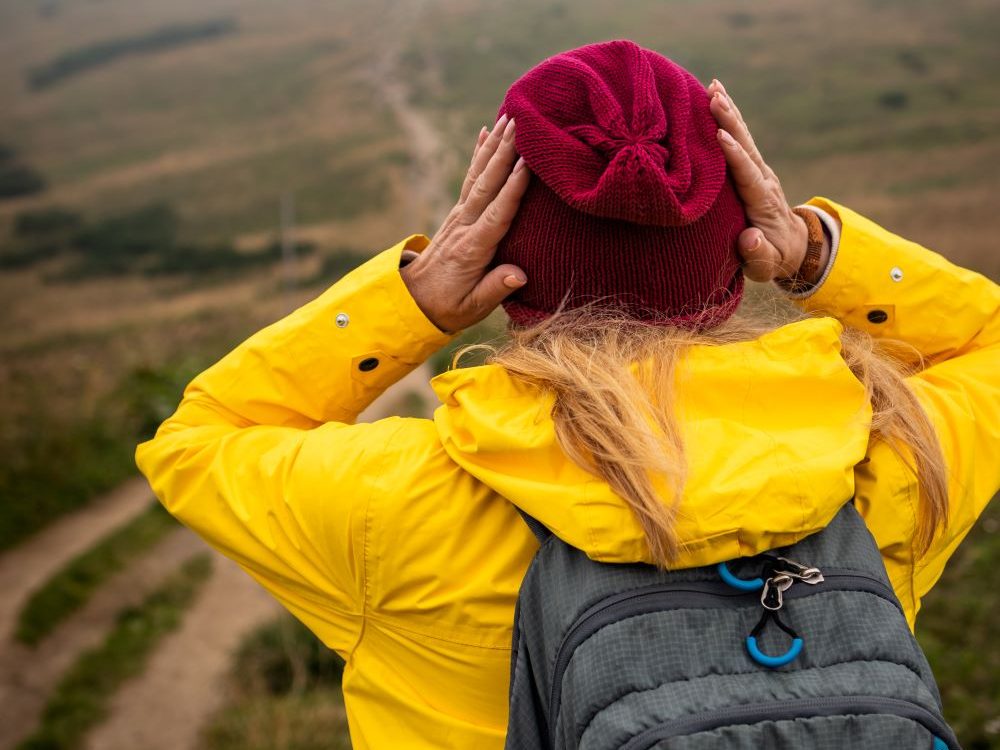
Ensure you have all wind and waterproofs on. Hood is up, secured and everything is zipped up. Windchill is a massive factor and think about face protection including goggles and balaclava. Be as organised and pack to be as aero dynamic as possible. Stow everything inside your rucksack and secure loose straps. Stop where it is sheltered and get kitted up before moving into a windy situation.
Mike’s advice shows how much difference good preparation makes before you step into exposed windy ground. Wind chill strips heat quickly, so having your layers sorted early helps you stay warm, focused and able to move safely. Securing loose straps that can act like whips, tightening your hood and making sure nothing flaps around in the wind also reduces distraction and keeps your balance steady. Choosing the right combination of insulating and windproof layers can make even a blustery day far more manageable, which is why understanding how to layer well is such an important part of planning for the hills.
Key tips for walking in strong mountain winds
- If conditions feel unsafe, turn back. Strong winds are a common cause of slips, falls and Mountain Rescue callouts.
- Check a dedicated mountain weather forecast such as MWIS.
- Expect wind to increase quickly with height. Gusts can double or more between sea level and 900 metres.
- Choose sheltered routes and avoid prolonged time on exposed ridges, cols and summits.
- Move carefully and deliberately. Use poles, keep low and be prepared to retreat.
- Consider the needs of less fit, lighter or less experienced members of your group.
- Factor in windchill. Protect your face, eyes and extremities.
- Secure all loose kit, straps and layers before entering exposed ground.
- Communicate early. Agree plans before wind noise makes talking difficult.
Useful Links
- www.mountaineering.scot for information for climbers / hillwalkers
- www.mwis.org.uk Mountain Weather Information Service
- www.sais.gov.uk Scottish Avalanche Information Service
- www.scottishmountainrescue.org for information on Scottish Mountain Rescue
Mountain Rescue Advice: How to Stay Safe in Boggy, Wet and Cold Conditions
Stay safe on your next wet weather hike with mountain rescue advice. Learn how to navigate bogs and conditions effectively.

Mountain Rescue’s accident black spots
Mountain Rescue England and Wales share with us a handful of accident black spots across Britain, in which they are often called to, and how you can stay safe when visiting these areas.
Advice from Mountain Rescue
Mountain Rescue England and Wales share their expert advice to help you stay safe outdoors. Find out how to plan ahead, stay safe on the hills and how to call Mountain Rescue in an emergency.
By Hilary Pullen
Meet Hilary, Editor of Get Outside – the Ordnance Survey Blog. Hilary is based in North Wales and loves hiking with her dogs in the mountains of Eryri and Bryniau Clwyd, you can find her on Instagram @nearlyuphill and read her guides to walking in North Wales on her blog. Drop her an email hilary.pullen@os.uk if you are interested in posting an article on Get Outside.