
There’s a lot of talk about running cadence – but what does it mean?
Running cadence is a term you will often hear in training plans, marathon coverage and running watch features. It can sound technical, but the idea is simple. This FAQ explains what cadence in running means, why it matters and how to use it in a practical, confidence building way.

What is cadence in running?
Running cadence refers to how many steps you take per minute when you run. It is usually measured in steps per minute, often shortened to SPM. For example, a cadence of 160 means you take 160 steps each minute across both feet.
Cadence is about rhythm rather than speed. Two runners moving at the same pace can have very different cadences, depending on stride length and body mechanics.
Why does running cadence matter?
Cadence is linked to running efficiency and comfort. A smoother, slightly quicker step rate can reduce overstriding, where the foot lands too far in front of the body. Overstriding often increases impact forces through the legs.
A well matched cadence can help you
- Improve running flow and rhythm
- Reduce unnecessary braking forces
- Feel more stable on uneven ground
- Maintain form when tired
Cadence is not about copying elite runners. It is about finding a step rate that supports your own movement.

Is running cadence different for women?
The basics of cadence apply to everyone, but there are a few things that many women runners may notice.
Women often have a slightly higher natural cadence than men at the same pace. This is usually linked to differences in height and stride length, not running ability. Many women are already taking shorter, quicker steps without trying to change anything.
Hip and pelvic mechanics can also influence how running feels. For some runners, a light, slightly quicker step rate helps reduce overreaching and discomfort, especially when tired. This works best alongside good strength around the hips and glutes rather than by chasing a number on a watch.
Cadence can also shift over time. Hormonal changes, fatigue, pregnancy or returning to running postnatally can all affect stride length and rhythm. It is normal for cadence to fluctuate week to week.
OS WOMEN OUTDOORS
The outdoors is for everyone… confidence starts with a single step
Visit the OS Women's HubWhat is a good running cadence?
There is no single perfect cadence for everyone. You may hear 180 steps per minute quoted, but this comes from observations of elite runners at race pace, not a rule for all.
For recreational runners
- Easy running often sits between 150 and 170 steps per minute
- Faster running usually increases cadence naturally
- Trail and hill running may lower cadence due to terrain
Height, leg length, pace and experience all influence cadence. The goal is not to hit a number, but to avoid an overly long, heavy stride.
How do you measure running cadence?
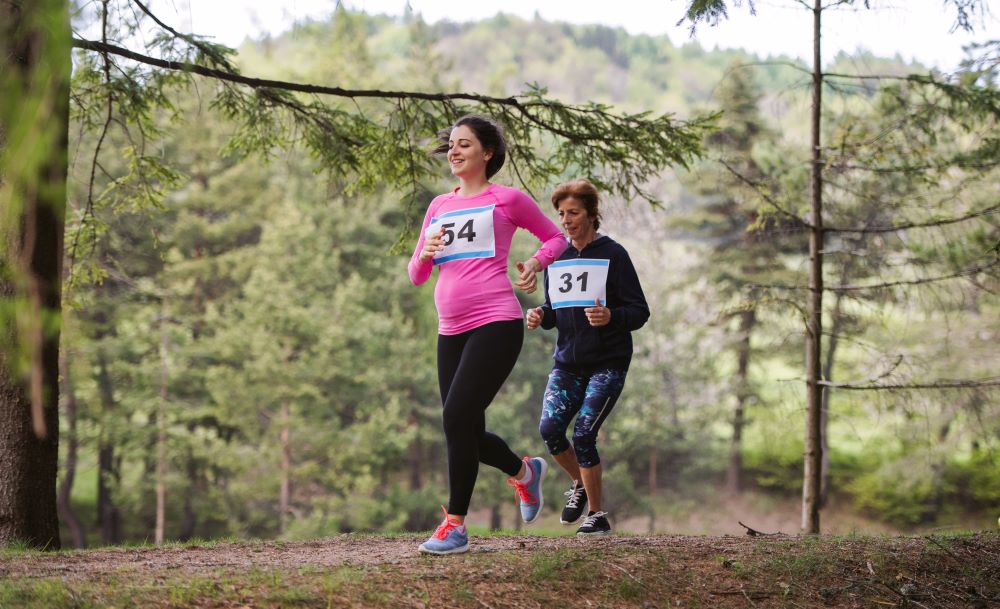
You can measure cadence in several ways.
- Many GPS watches track cadence automatically
- Running apps on smartphones can estimate cadence
- You can count steps for 30 seconds and double the number
If you run without tech, listening to rhythm is often enough. A light, quick footfall usually indicates a higher cadence than a louder, bounding stride.
Can cadence reduce injury risk?
Cadence changes are sometimes recommended to support injury management, particularly for knee and hip issues. A slightly higher cadence can reduce load on certain joints by shortening stride length.
However, cadence is not a guaranteed injury fix. Sudden changes can cause new problems if introduced too quickly.
If you are returning from injury, small gradual adjustments are safer than chasing a target number.
Get a FREE Collector's Edition Vintage Lake District Map when you spend over £30
How to improve your running cadence
If you want to experiment with cadence, keep changes subtle and progressive.
This approach works well for many runners.
- First, measure your natural cadence during an easy run.
- Aim for a small increase of about five per cent, not more.
- Focus on quicker steps rather than longer ones.
- Use short drills such as one minute of quicker steps within a normal run.
- Let cadence settle naturally as fitness improves.
Music or metronome features on watches can help, but they are optional. Awareness often matters more than tools.
Common Running Cadence Myths Debunked
Myth 1. Cadence needs to be exactly 180
This myth comes from coach Jack Daniels, exercise physiologist and author of Daniels’ Running Formula. While observing elite runners at the 1984 Olympic Games, he noted that 180 steps per minute was the lowest cadence he saw at race pace. It was never intended as a target. Cadence varies widely between runners and naturally changes with speed, fitness and terrain.
Myth 2. Higher cadence always means faster running
Running speed comes from a combination of cadence and stride length. A higher cadence on its own does not guarantee faster running. Many runners naturally increase cadence as pace rises. Others run efficiently with a slightly lower step rate and longer stride. The balance that feels smooth and controlled matters more than the number.
Myth 3. You should change cadence straight away
Sudden changes to cadence can increase strain and cause new problems. Research supports small, gradual adjustments, usually around five per cent, introduced over time. For many runners, simply becoming aware of heavy or overreaching steps is enough without actively forcing change.

Does cadence work differently in trail running?
Yes. Trail running naturally changes how cadence behaves, and that is usually a good thing.
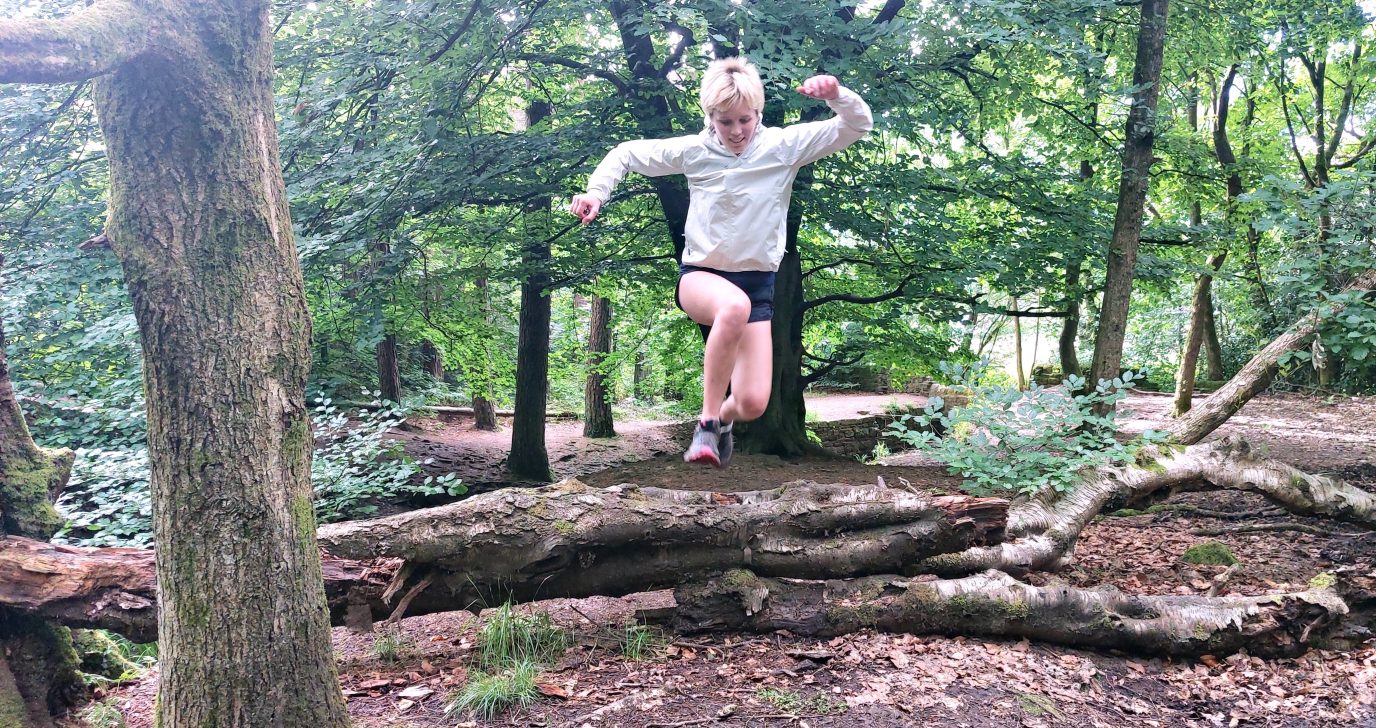
On uneven ground, cadence is more variable and more responsive than on roads. Steps are often shorter and quicker to help with balance, especially on rocky paths, mud, roots or narrow sections. Uphill sections usually lower cadence as stride shortens. Downhills may increase cadence, but only if the terrain allows it safely.
Trail runners often benefit from thinking about cadence as a tool for stability, not speed. A slightly quicker step rate can help with:
- Staying balanced on uneven ground
- Reducing overreaching on descents
- Adjusting foot placement quickly
There is no single cadence number that makes sense on trails. Cadence will change with gradient, surface and fatigue. That flexibility is part of good trail running technique, not something to correct.
On technical terrain, it is completely normal for cadence to drop well below road running values. What matters most is controlled foot placement and confidence underfoot, not hitting a target steps‑per‑minute figure.
Further reading about running cadence:
If you would like to explore running cadence in more depth, these expert led resources explain the research and practical implications clearly.
Running Physio. Step rate changes for runners
A UK sports physiotherapist’s evidence based breakdown of cadence benefits, limits and common mistakes.
E3 Rehab. Running cadence explained
Clear, research informed guidance on cadence, overstriding and injury risk.
Running Writings. The science of cadence for runners
An in depth but readable biomechanics explainer by a PhD researcher.
Running cadence explained. Marathon Handbook
A beginner friendly overview covering cadence myths and practical takeaways.
By Hilary Pullen
Meet Hilary, Editor of OS Maps Discover. Hilary is based in North Wales and loves hiking with her dogs in the mountains of Eryri and Bryniau Clwyd, you can find her on Instagram @nearlyuphill and read her guides to walking in North Wales.
If you would like to be a featured OS Author and write an article or route guide find out more here – how to submit an article idea