The 10 Best Multi Day Hiking Tips
There’s something uniquely rewarding about a multi-day walk. Whether it’s a famous National Trail, a long-distance coast path, or a few days exploring quieter countryside, walking from place to place allows you to experience the landscape in a way that day walks rarely can.
A little preparation goes a long way in making the journey more enjoyable. Here are ten practical tips to help you get the most from your next multi-day walk.
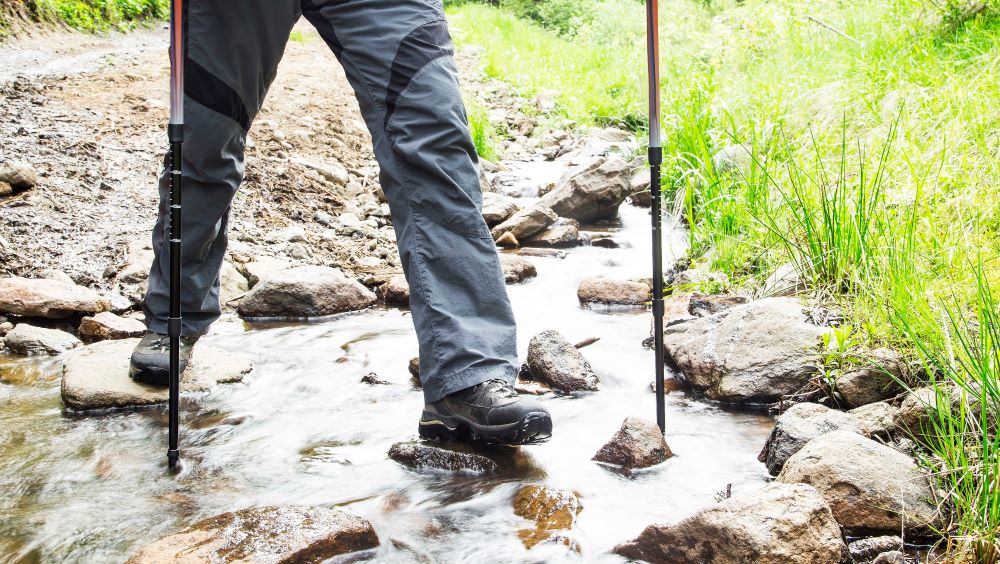
1. Break in your boots
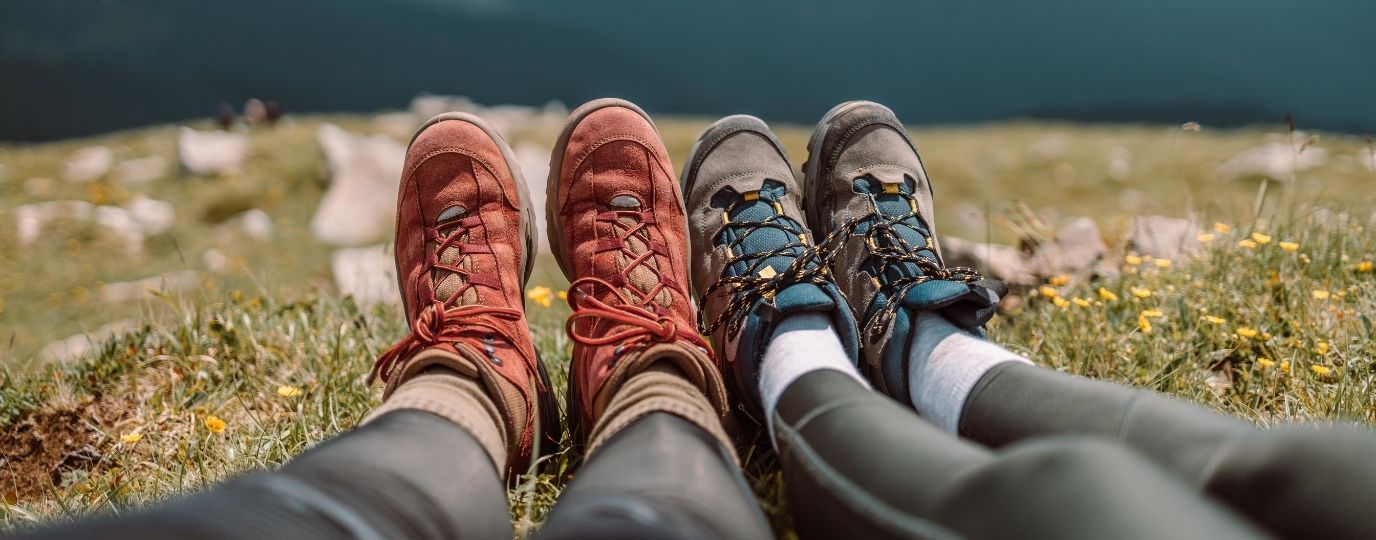
Comfort starts with your footwear. Even the best walking boots or shoes can cause discomfort if they haven’t been worn in properly. If you’ve invested in a new pair, spend time walking in them before your trip, gradually building up the distance. This helps the footwear mould to your feet and gives you a chance to spot any pressure points before you’re several miles into day one.
If luggage transfer is part of the trip, it can also be worth packing a lighter pair of trail shoes. On flatter days or dry, well-surfaced sections, some walkers prefer the comfort and flexibility of a lighter option, while still having the reassurance of sturdier boots available for rougher terrain or wetter conditions. Having that choice can make a multi-day walk feel more adaptable from one stage to the next.
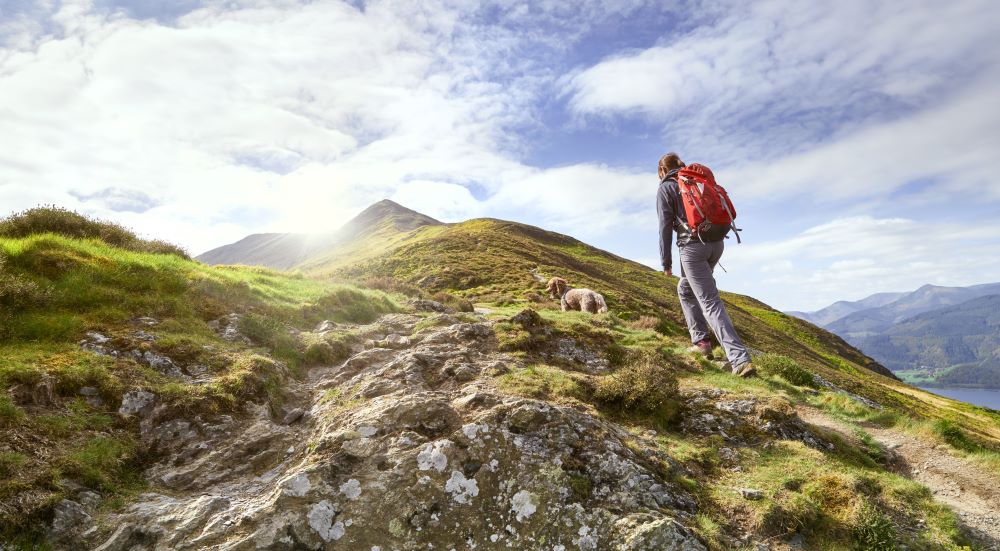
2. Train with the gear you’ll carry
A multi-day walk feels very different when you’re carrying a daypack with water, layers, and essentials. In the weeks before your trip, try a few local walks wearing the same pack and kit you’ll use on the trail. If possible, include hills and try to replicate some of the terrain you’re likely to encounter on the route itself. This helps your body adjust not only to the weight, but also the rhythm of walking over similar ground.
Away from your training walks, small changes in daily life can also help build strength and stamina. Taking the stairs rather than the lift, choosing to walk shorter local journeys, or adding a few extra steps into your routine are all simple ways to prepare your legs for consecutive days on the trail.
3. Start slower than you think
One of the most common mistakes on a multi-day walk is setting off too quickly on the first morning. It’s tempting to feel fresh and full of enthusiasm, but pacing yourself from the start helps conserve energy for the days ahead. A steady, sustainable rhythm is far more valuable than a fast start.
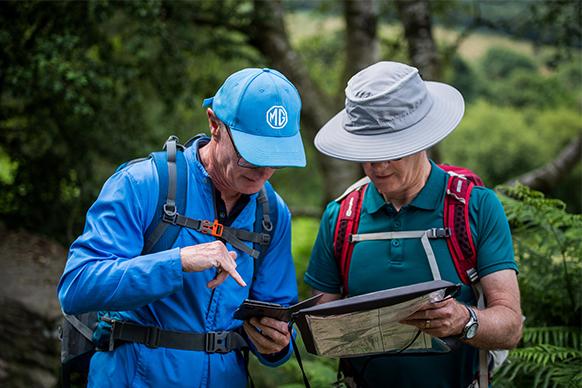
4. Refer to your map and guidebook regularly
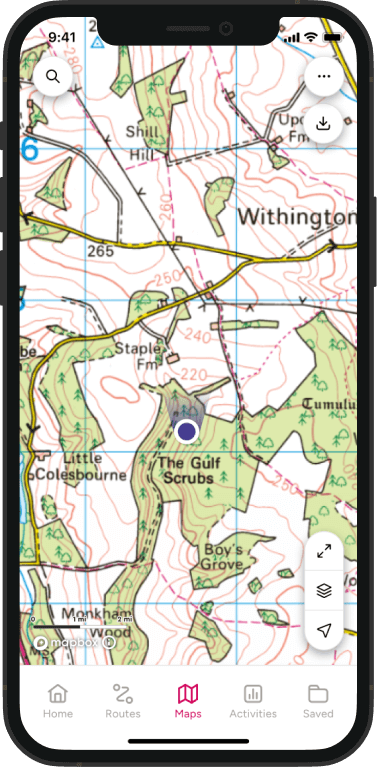
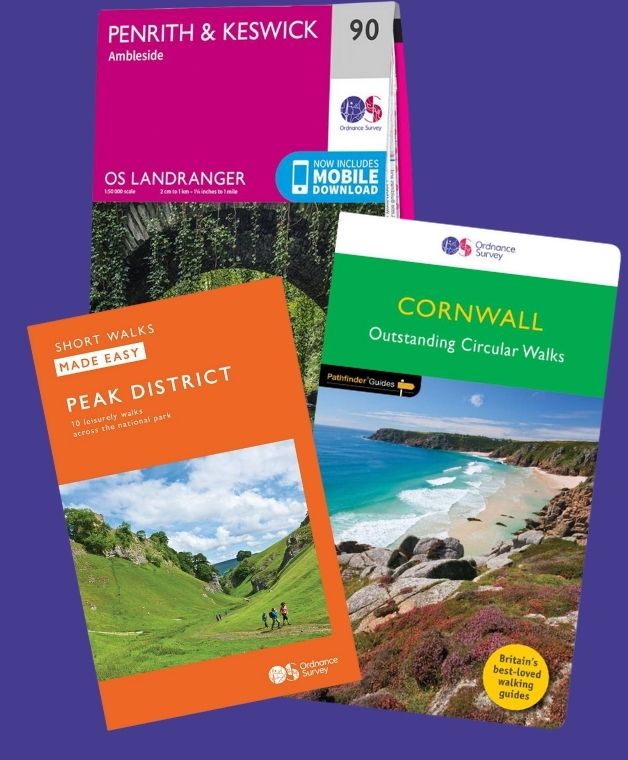
Even on well-waymarked routes, it pays to check your map, guidebook, or digital mapping regularly. Doing so helps you stay confident in your route and makes it easier to spot points of interest you might otherwise miss – an ancient monument tucked away from the main path, a viewpoint, a historic village, or a good lunch-stop. The route is as much about discovery as it is about reaching the end.
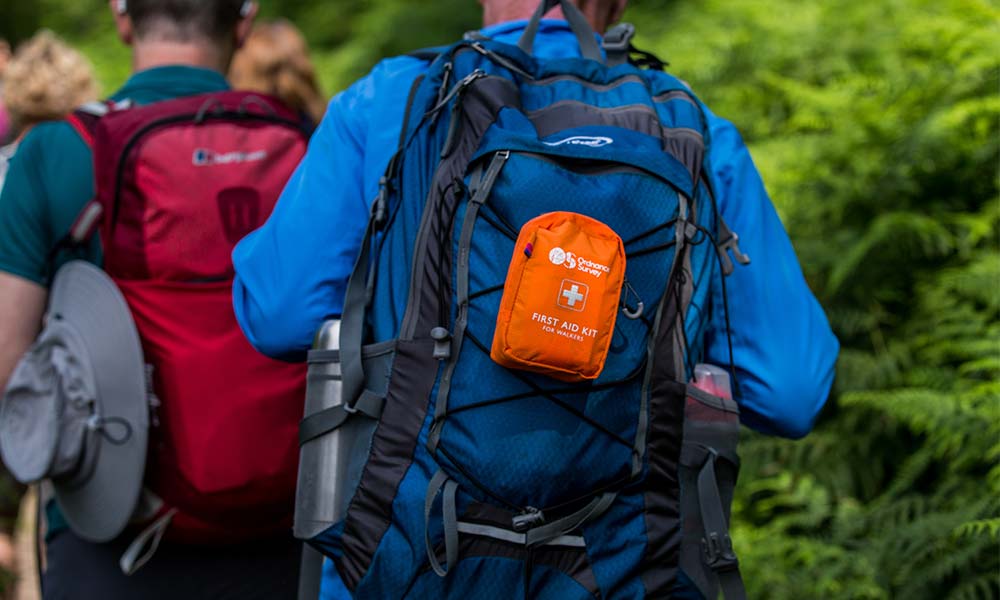
5. Carry a small first aid and blister kit
A few simple items can make all the difference – blister plasters, tape, pain relief, antiseptic wipes, and any personal medication. Blisters are one of the most common issues on longer walks, so it’s worth being prepared to treat hot spots as soon as they appear rather than waiting for them to worsen.
6. Stay hydrated and keep snacks handy
Carry enough water for the day and refill whenever the opportunity arises. It’s also worth keeping easy-to-reach snacks in your pocket or pack lid – flapjacks, nuts, dried fruit, or cereal bars are ideal. Small, regular snacks help maintain energy levels and can prevent the sudden slump that often arrives in the late afternoon.
Bring a few treats – you deserve it. A favourite chocolate bar, some jelly sweets, or even a good health shot can be surprisingly uplifting after a long climb or in the final miles of the day. On a multi-day walk, morale matters as much as mileage, and a small treat can provide a welcome lift when energy dips.
7. Prepare for all weather conditions
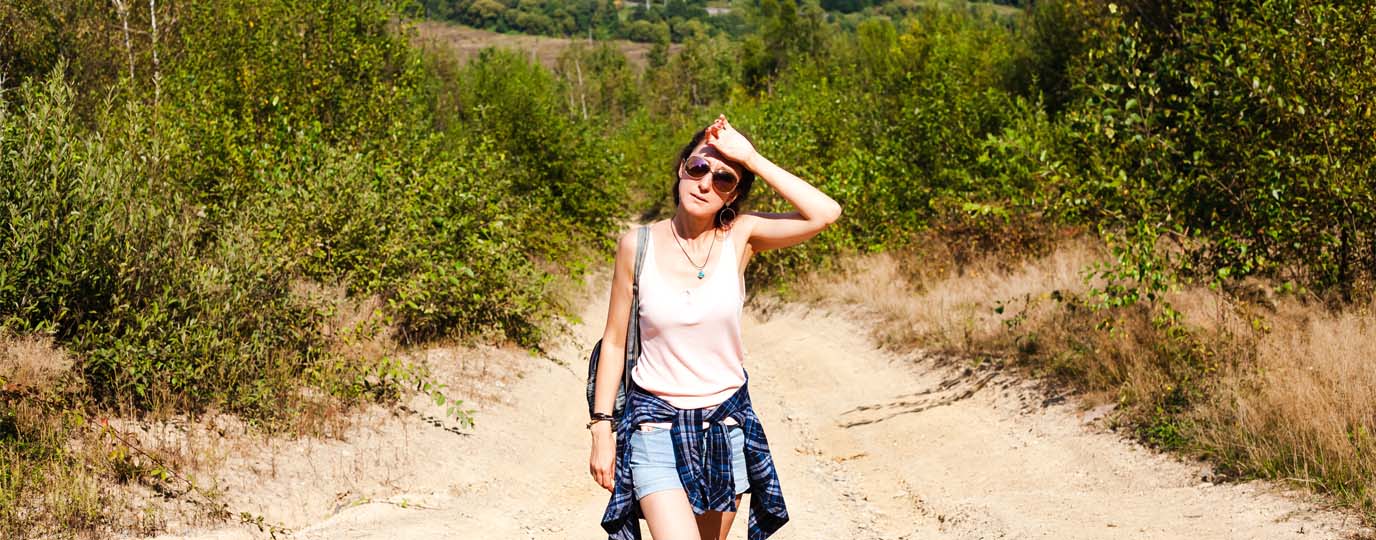
Weather can change quickly, particularly in upland or coastal areas. Even with a fine forecast, it’s worth carrying waterproofs and an extra warm layer. A good hat and gloves can also be invaluable outside the summer months. Wear sun protection, year round. Being prepared for changing conditions allows you to focus on enjoying the walk rather than worrying about what the sky is doing.
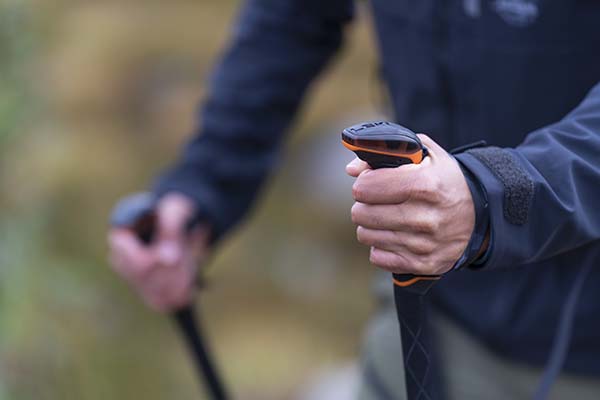
8. Consider using trekking poles
Trekking poles aren’t for everyone, but they can be particularly useful on longer routes. They help with balance on uneven ground, reduce strain on knees during descents, and can make climbing more efficient. For multi-day walking, where fatigue can build over time, many walkers find them a real benefit.
Poles are most effective when used with the right technique. Many outdoor retailers will happily demonstrate how to adjust the length, hold them correctly, and coordinate your stride with pole placement. Practicing this before your trip helps ensure you gain stability, improve your rhythm, and reduce fatigue, rather than simply swinging the poles alongside you.
9. Recover well each evening
The work isn’t done when the day’s walking ends. Taking time to stretch, elevate tired legs, and rest properly each evening helps prevent stiffness and soreness from building over consecutive days. Good recovery allows you to start each morning feeling refreshed and ready for the miles ahead.
Packing a pair of comfortable shoes or slippers for evenings is a simple but effective trick. After a long day in walking boots, slipping into lighter footwear gives your feet a welcome break, encourages circulation, and adds a touch of comfort to your evenings on the trail.
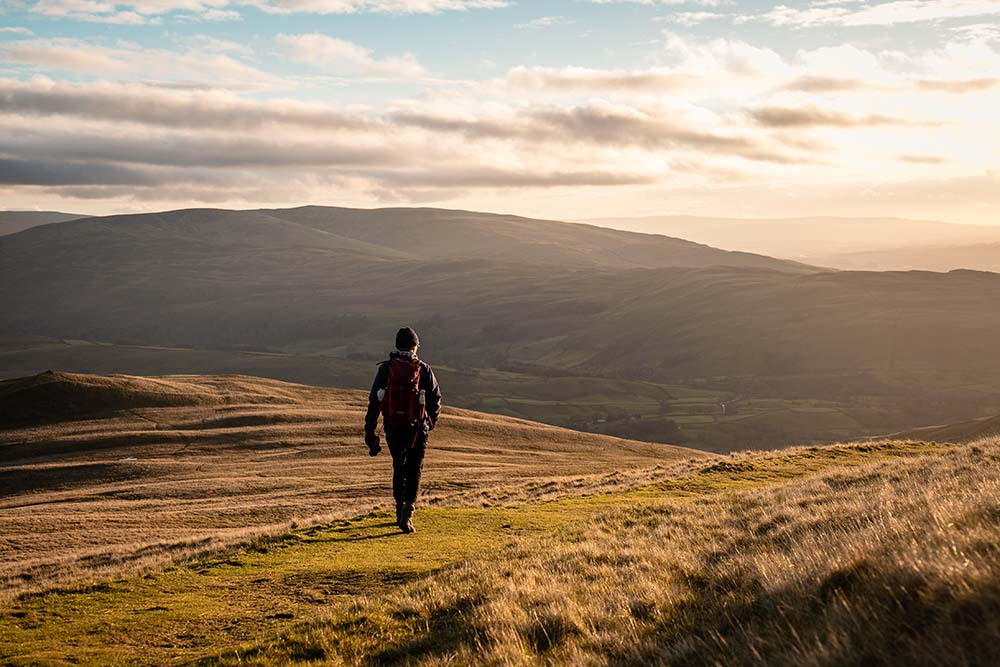
10. Stay positive and be in the moment
Multi-day walking can be as much a mental challenge as a physical one. Weather, terrain, or a slower pace than expected can test patience, but keeping a positive outlook transforms the experience. More importantly, remember to be present. Unlike a holiday in one location, each view, path, or village you pass is unique; once it’s behind you, it’s gone. Pause to take it in, appreciate the colours, the sounds, and the small details around you.
Fully experiencing each moment, rather than rushing past, makes the journey richer, more memorable, and ultimately more rewarding.
With a little preparation and the right mindset, multi-day walking can be one of the most rewarding ways to explore Britain’s landscapes.
For more inspiration and practical guidance on self-guided walking holidays and long-distance routes, visit Mickledore Travel.
Britain’s Best History and Heritage Walks
Will you be ticking a long distance footpath off your list this year? – Why not pick one of these historical walks
Which Part of Scotland Is Best for a Walking Holiday?
Where will you choose for your Scottish walking holiday – The highlands, Lowlands or the often overlooked Central Belt?
How a Self-Guided Walking Holiday Works – Tips for Beginners
Discover how a self-guided walking holiday works, combining independence with organised travel for the perfect adventure

By Mark Wright
Meet Mark Wright – Product Development Manager at Mickledore
Mark moved to the Lake District from the Scottish Borders in 2010. He began contributing to Mickledore’s social media in 2014, before joining the company full-time in 2019. Since then, he has been creating new routes, developing existing ones, and marketing them to the world.
Visit Mickledore for detailed itineraries and inspiration for your next walking holiday