Historical Walks in Britain that Connect us with the Past
Every step in Britain is a step through history. Across the country, long-distance walking routes do more than just connect landscapes – they connect you with the past.
From the routes of medieval pilgrims and Roman soldiers to ancient trading tracks worn into the hills thousands of years ago, these routes allow you to travel through time itself. Here are the best historic and heritage-rich walking routes, where every mile tells a story.
Legends, Abbeys, and Borderlands
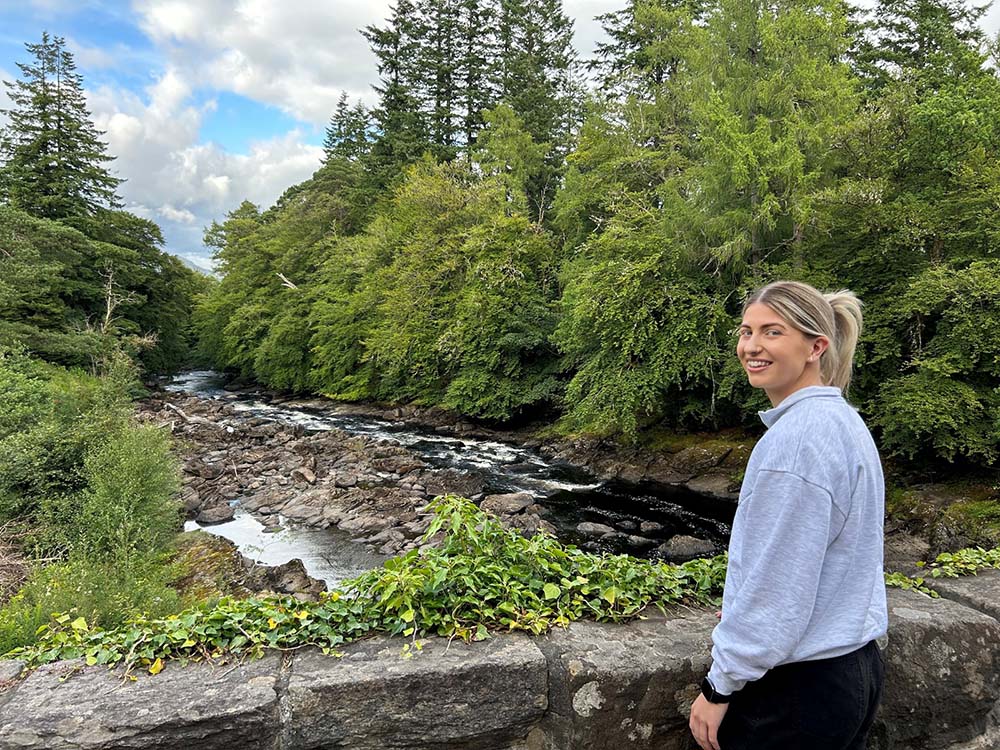
In Scotland, the journey begins on the Rob Roy Way, winding through the lochs and glens of the Trossachs and Breadalbane. This route traverses landscapes inseparable from the life of Rob Roy MacGregor, the legendary folk hero whose story still echoes through the hills. Walking here offers more than dramatic scenery; it provides a visceral sense of how this rugged geography shaped clan life, trade, and Highland conflict.
Further south, the historic town of Melrose serves as the gateway to two distinct heritage journeys. The Borders Abbeys Way links the ruins of four great medieval powerhouses – Melrose, Dryburgh, Kelso, and Jedburgh.
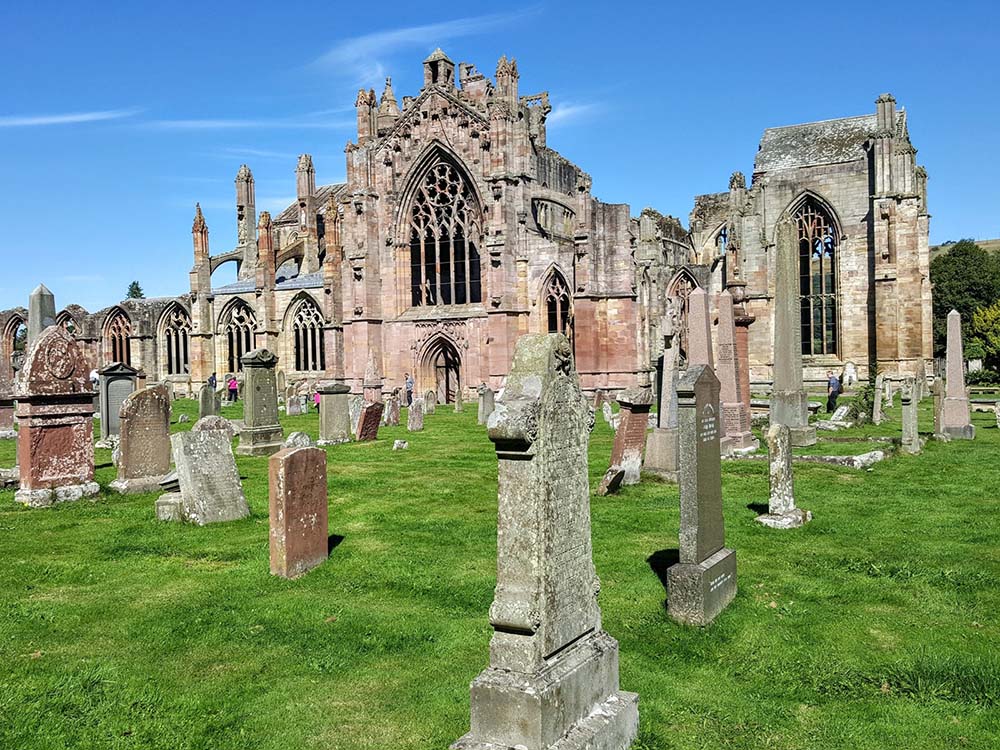
These sites reflect centuries of turbulent history, where the Anglo-Scottish borderlands were defined by shifting allegiances and the fierce legacy of the Border Reivers.
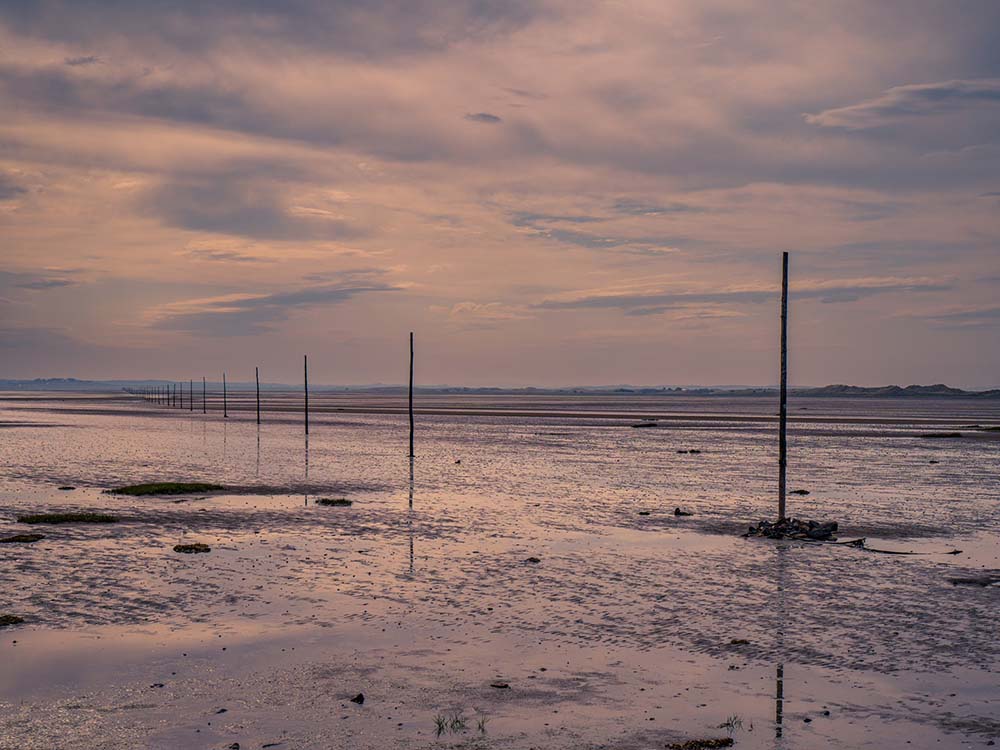
Striking out from the same starting point, St Cuthbert’s Way follows a more spiritual path. Tracing the life of the 7th-century saint, the route crosses rolling farmland and quiet hills before reaching the North Sea. The pilgrimage culminates in a dramatic crossing of the tidal causeway to the Holy Island of Lindisfarne – a finish that remains one of the most evocative experiences in British walking.

Saints, Kingdoms, and Roman Frontiers
Holy Island also marks the northern apex of St Oswald’s Way, a fascinating route that weaves together early Christian heritage and Anglo-Saxon power. Following the coastline south, walkers pass through landscapes once ruled – again in the 7th-century – by King Oswald, where medieval castles such as Bamburgh and Dunstanburgh still stand guard over wide, windswept beaches.
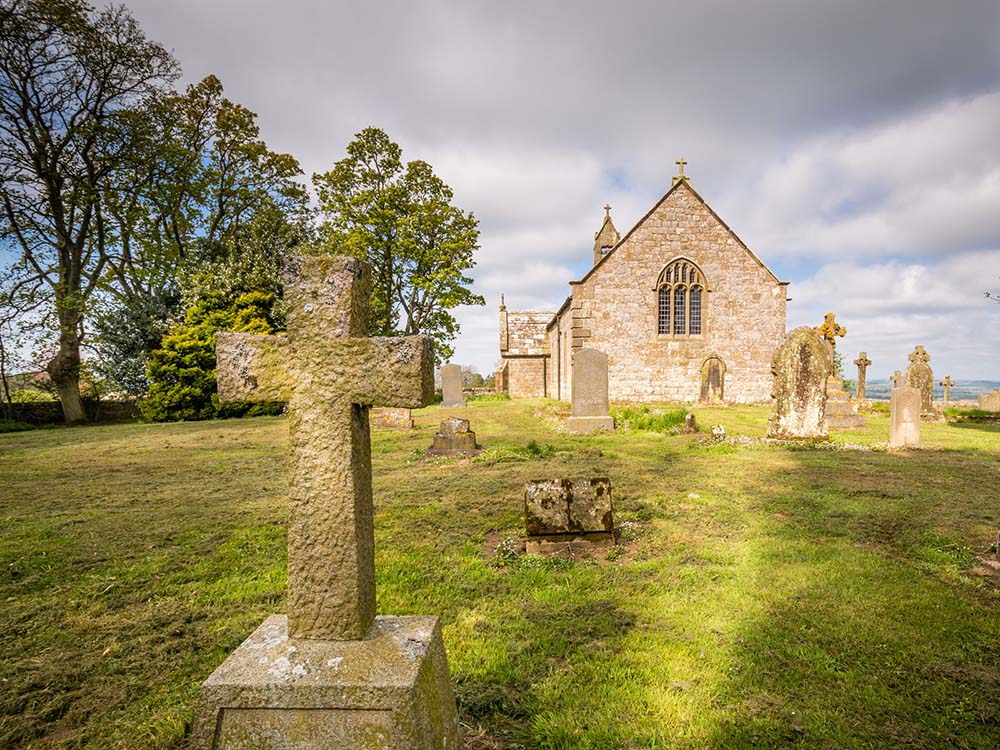
For those drawn further into the story of the borderlands, the Northumberland Coast Path offers a compelling extension. While it shares much of St Oswald’s coastal scenery, it strikes north to the definitive frontier town of Berwick-upon-Tweed. Encircled by the most complete Elizabethan ramparts in Northern Europe, Berwick’s massive stone walls and bastions tell a 13-century tale of a town constantly caught between the warring kingdoms of England and Scotland.
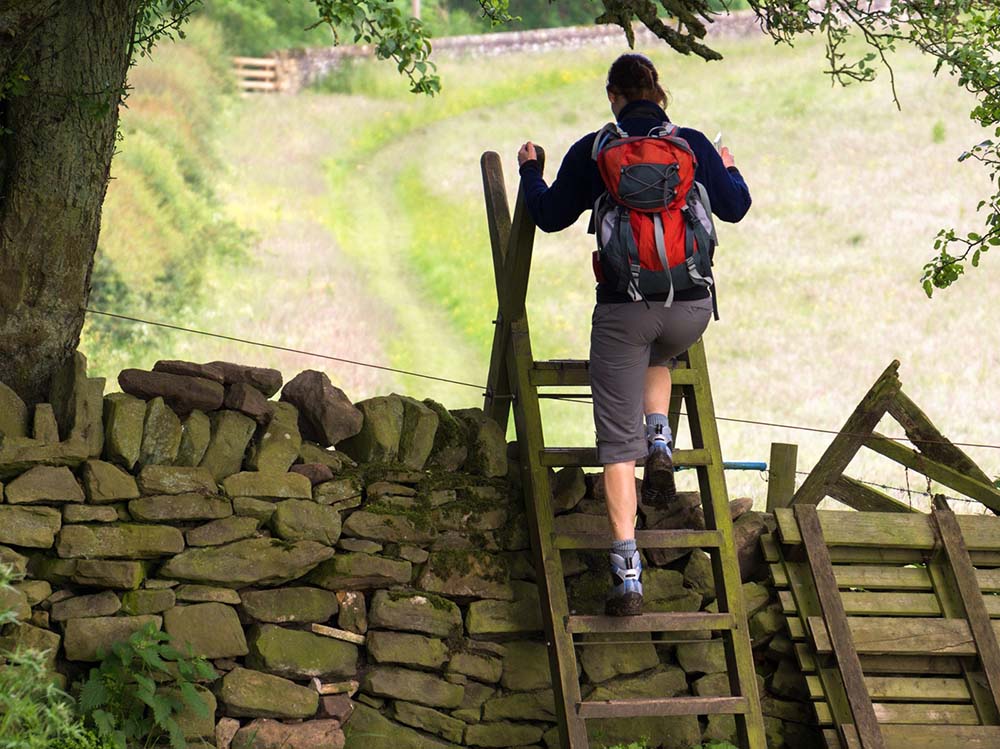
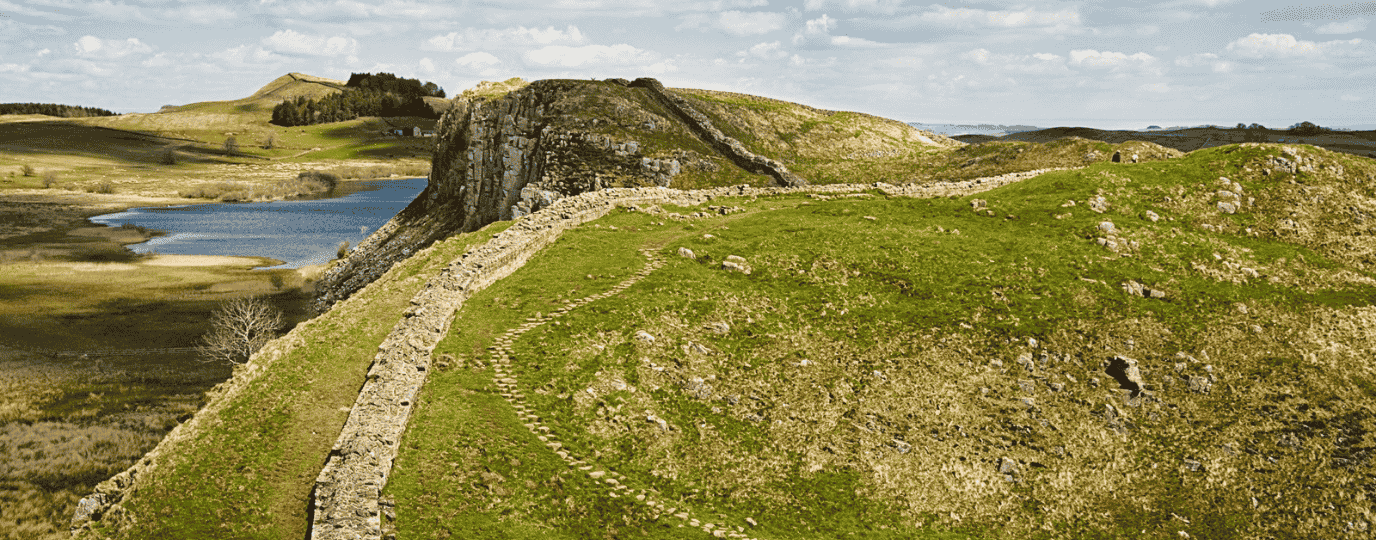
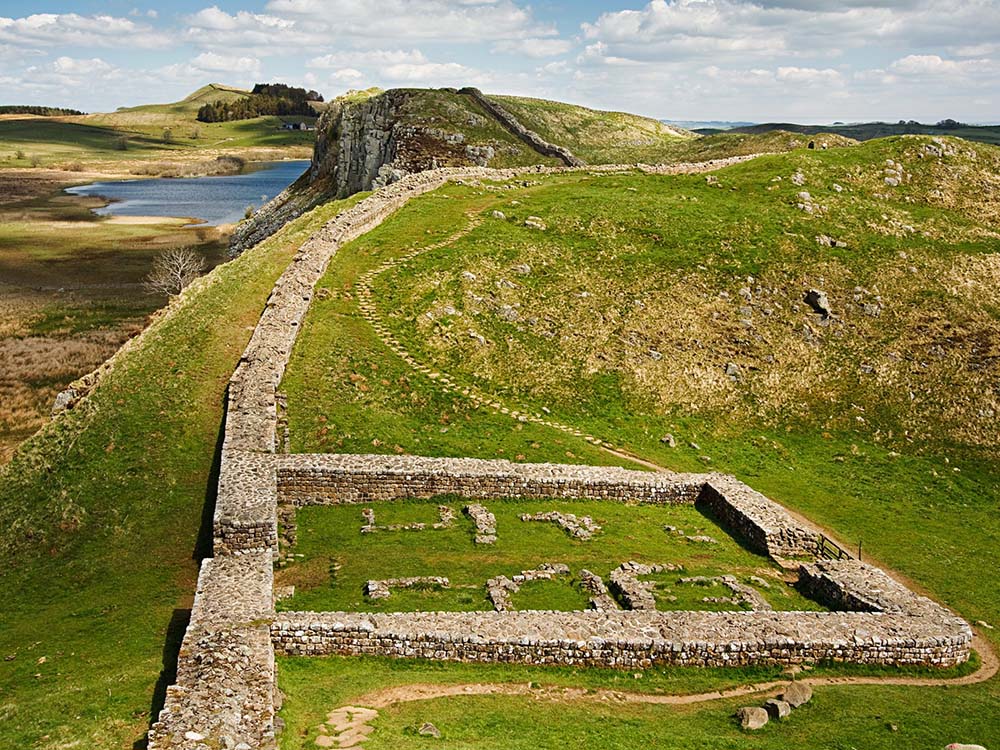
A journey inland brings a different scale of defence into view: Hadrian’s Wall Path. Stretching coast-to-coast, this trail follows the original Roman frontier built nearly 2,000 years ago. Tracing the line of milecastles and forts across the dramatic crags of the Whin Sill, walkers can literally walk the edge of the Roman Empire, where the sheer grit and engineering of the ancient world remain etched into the upland scenery.
Ancient Roads Through Southern England
Further south, the landscape continues to reveal the imprint of earlier civilisations. The Peddars Way follows the remarkably straight line of a Roman road across the Norfolk countryside, offering a quieter but no less evocative historical experience. The route provides a striking contrast to the surrounding farmland, its alignment a reminder of the engineering ambition and administrative reach of Roman Britain.
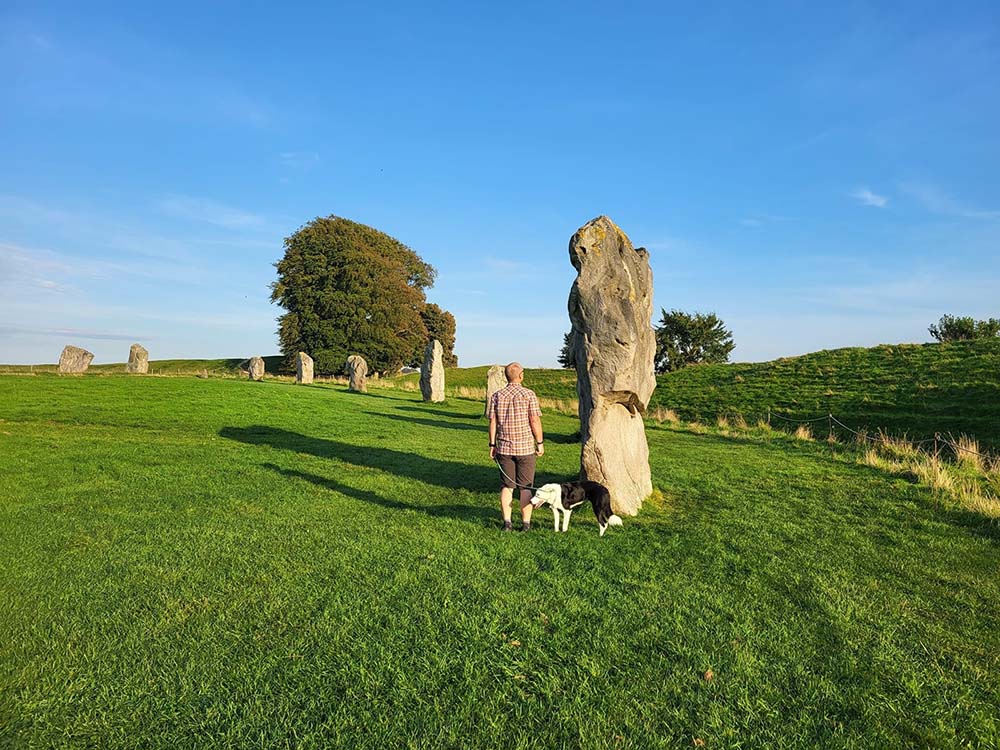
Even older still is The Ridgeway, often described as Britain’s oldest road. Running along high chalk ridges used since the Neolithic period, the path acts as a prehistoric motorway, linking ancient hillforts, burial mounds, and ceremonial landscapes like Avebury that date back over 5,000 years. Walking the Ridgeway gives a powerful sense of continuity; you are following a ‘braided’ route that traders and pilgrims have travelled since long before recorded history began.
The story continues across the rolling escarpments of the Cotswold Way, where hillforts, Roman remains and historic market towns sit within the gentle landscapes of the Cotswolds, and along the sweeping chalk ridge of the South Downs Way, where Bronze Age burial mounds and ancient earthworks overlook the English Channel.
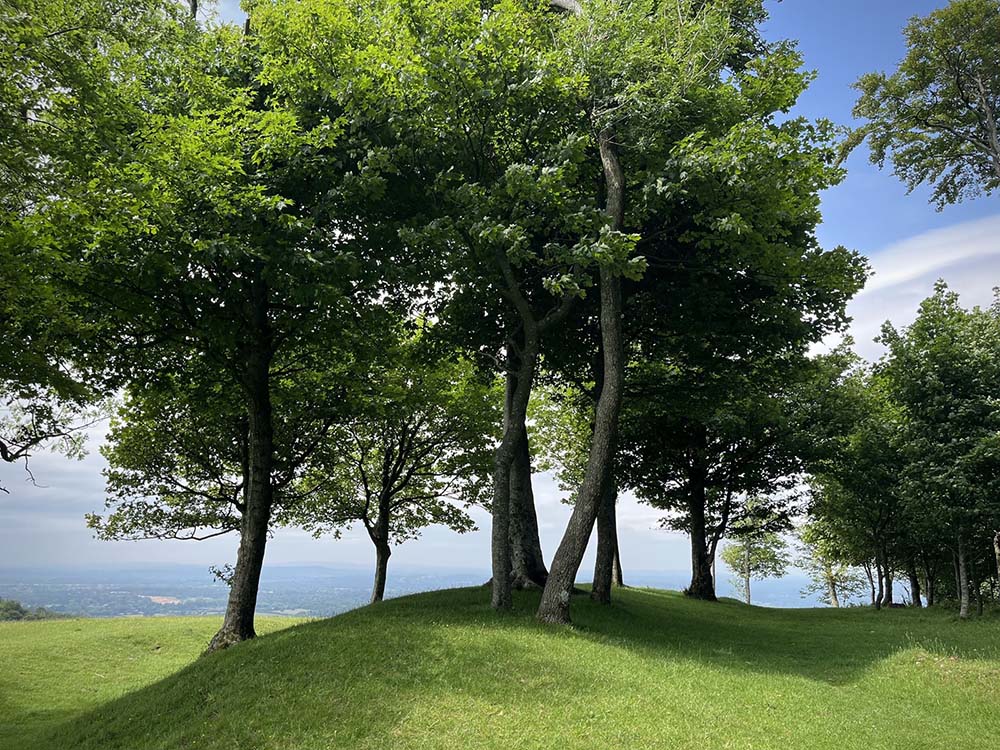
These southern trails demonstrate how layers of settlement, agriculture and trade have shaped the countryside over millennia, leaving visible traces that walkers encounter throughout the journey.
Walking Through the Past
What unites these routes is the way they bring history into the present. Rather than viewing historic sites in isolation, walking allows the spaces between them to tell their own story – the distances travelled by pilgrims, the strategic importance of high ground, and the deliberate locations of crossings, harbours, and frontier lines. Landscapes that may at first appear peaceful and unchanging often reveal themselves, step by step, to be shaped by centuries of human activity.
If you’d like to explore these historic trails in more detail and discover how a self-guided walking holiday brings them to life, further information and route inspiration can be found at Mickledore Travel.
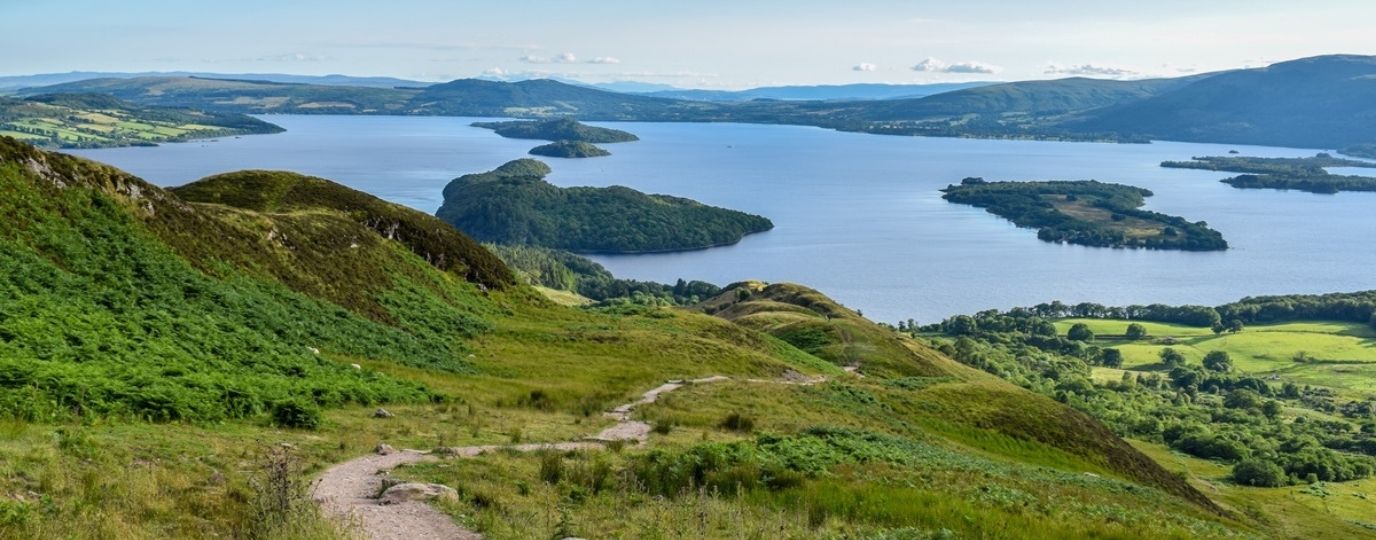
Which Part of Scotland Is Best for a Walking Holiday?
Where will you choose for your Scottish walking holiday – The highlands, Lowlands or the often overlooked Central Belt?

How a Self-Guided Walking Holiday Works – Tips for Beginners
Discover how a self-guided walking holiday works, combining independence with organised travel for the perfect adventure
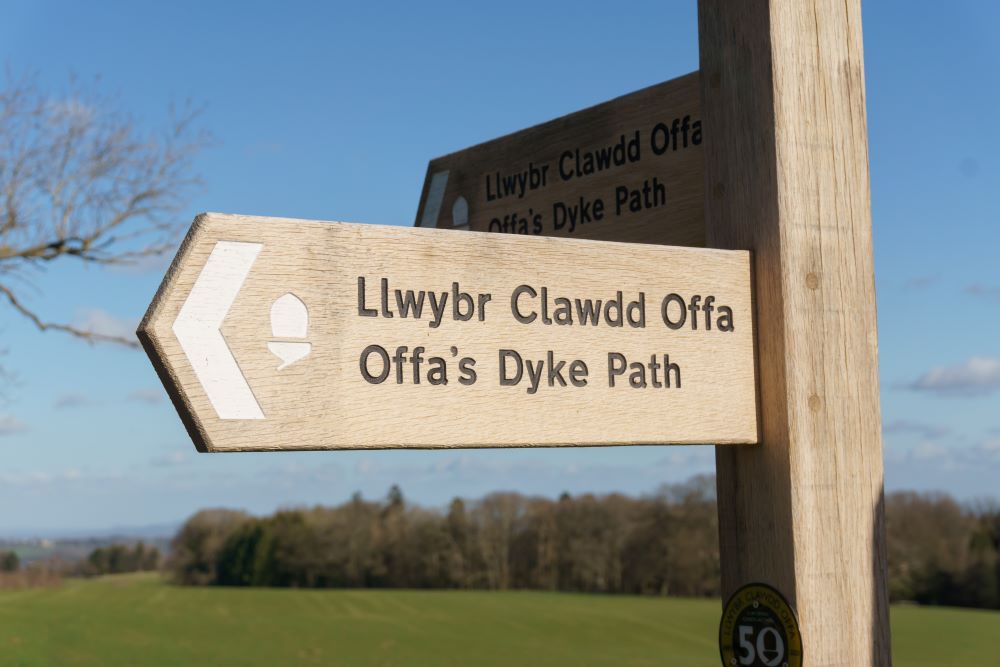
Long Distance Footpaths: Discovering Britain’s ‘Diamond’ trails
How do you find the best footpath? Diamonds on OS maps mark named long-distance routes, highlighting footpaths are truly something special!

By Mark Wright
Meet Mark Wright – Product Development Manager at Mickledore
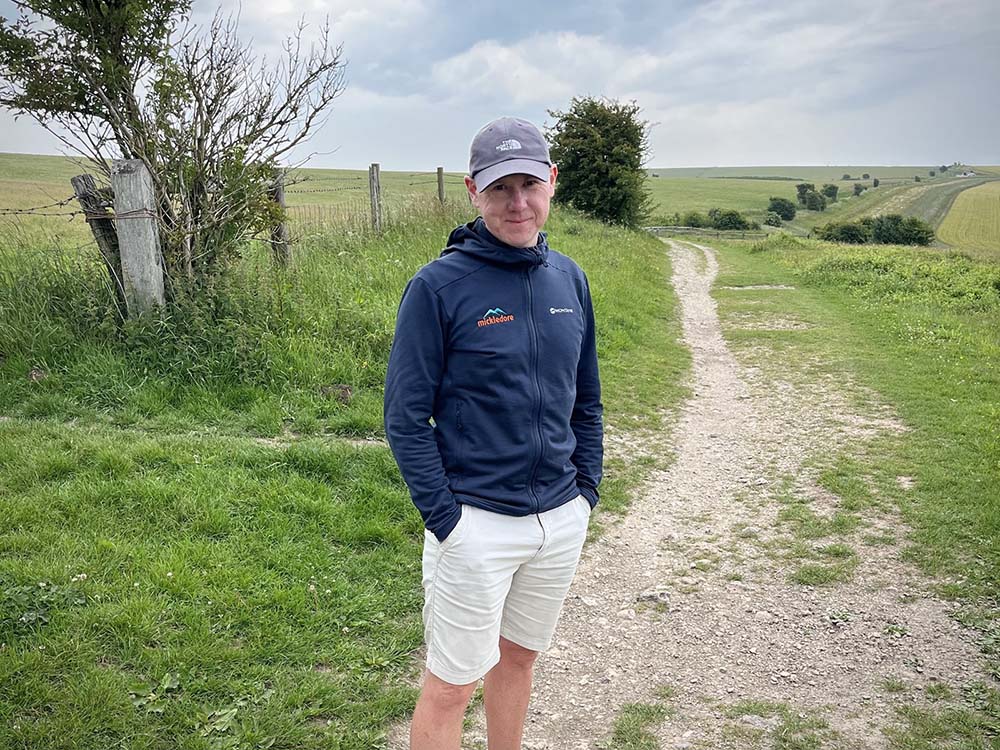
Mark moved to the Lake District from the Scottish Borders in 2010. He began contributing to Mickledore’s social media in 2014, before joining the company full-time in 2019. Since then, he has been creating new routes, developing existing ones, and marketing them to the world.
Visit Mickledore for detailed itineraries and inspiration for your next walking holiday