May is Lyme Disease Awareness Month: Staying Safe Outdoors
May is Lyme Disease Awareness Month, and an opportunity to raise awareness of the growing risk of tick bites and Lyme disease across the UK.
Lyme disease is a bacterial infection transmitted through the bite of an infected tick. Cases continue to rise across the UK, and with warmer, wetter winters, ticks are now active for more of the year. Once considered a seasonal concern, tick bites are increasingly being reported year-round.
For anyone exploring the outdoors – whether walking, running, cycling or working in rural environments – understanding how to reduce risk, recognise symptoms and respond appropriately is essential.
Why awareness matters
Ticks are found in many environments across the UK, including woodlands, grassland, moorland, parks and even urban green spaces. They do not jump or fly, but attach themselves to passing people or animals from vegetation such as long grass or leaf litter.
Many tick bites go unnoticed. Ticks can be extremely small, and their bites are painless. This makes awareness particularly important, as early detection of Lyme disease significantly improves outcomes.
Without early diagnosis and treatment, Lyme disease can lead to serious long-term health complications. These may include persistent fatigue, joint and muscle pain, and neurological symptoms such as headaches, nerve pain, facial palsy and cognitive difficulties. In some cases, cardiac complications can also occur.
Early diagnosis is key!
Patients are sometimes misdiagnosed with conditions such as chronic fatigue syndrome or fibromyalgia, which can delay appropriate treatment and have a lasting impact on quality of life, employment and family life.
How to reduce the risk of tick bites
Reducing the risk of tick bites does not require complex measures – just consistent, practical habits.
Dress appropriately
Wear long trousers and long sleeves when walking through long grass or dense vegetation. Light-coloured clothing can make ticks easier to spot. Tucking trousers into socks provides an additional barrier.
Stick to defined paths
Avoid brushing against long grass, bracken and undergrowth where possible. Keeping to well-maintained paths reduces the likelihood of ticks transferring onto clothing.
Use insect repellent
Apply an effective insect repellent to exposed skin and clothing, particularly in areas known for higher tick activity.
Check regularly during and after activity
Inspect clothing and exposed skin periodically while outdoors. After returning home, carry out a thorough check, paying attention to warm areas such as behind the knees, around the waist, underarms, groin and scalp.
Shower after being outdoors
Showering soon after outdoor activity can help wash away unattached ticks and provides a good opportunity to check for bites.
Check pets and equipment
Dogs and outdoor gear can carry ticks indoors. Regularly check animals, clothing and equipment after use.
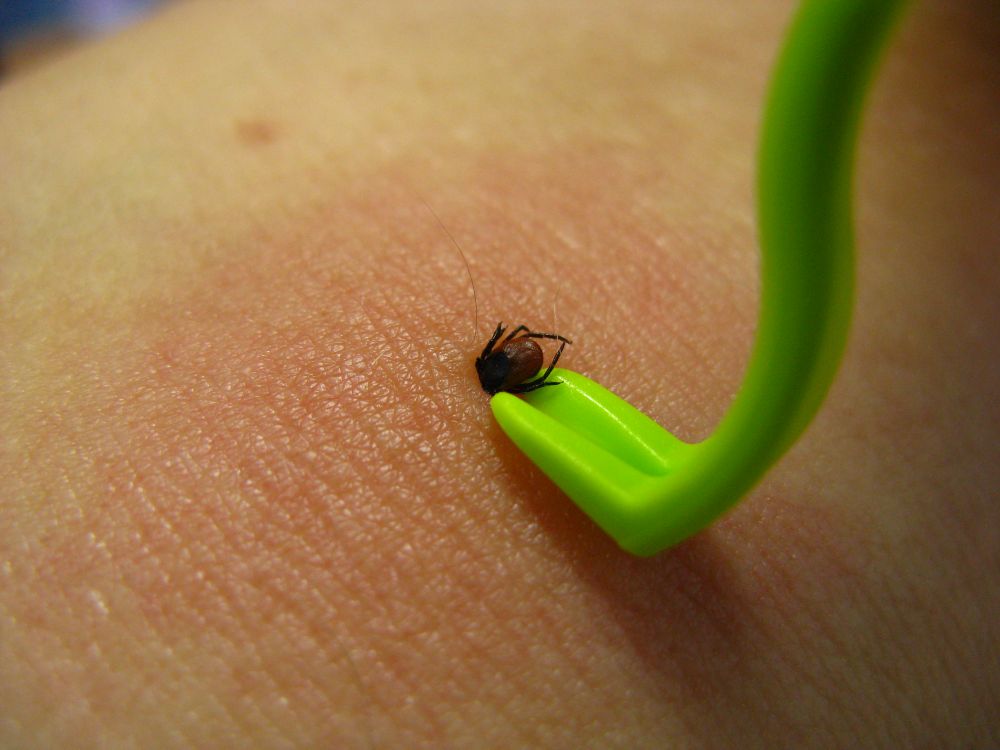
What to do if you are bitten by a tick?
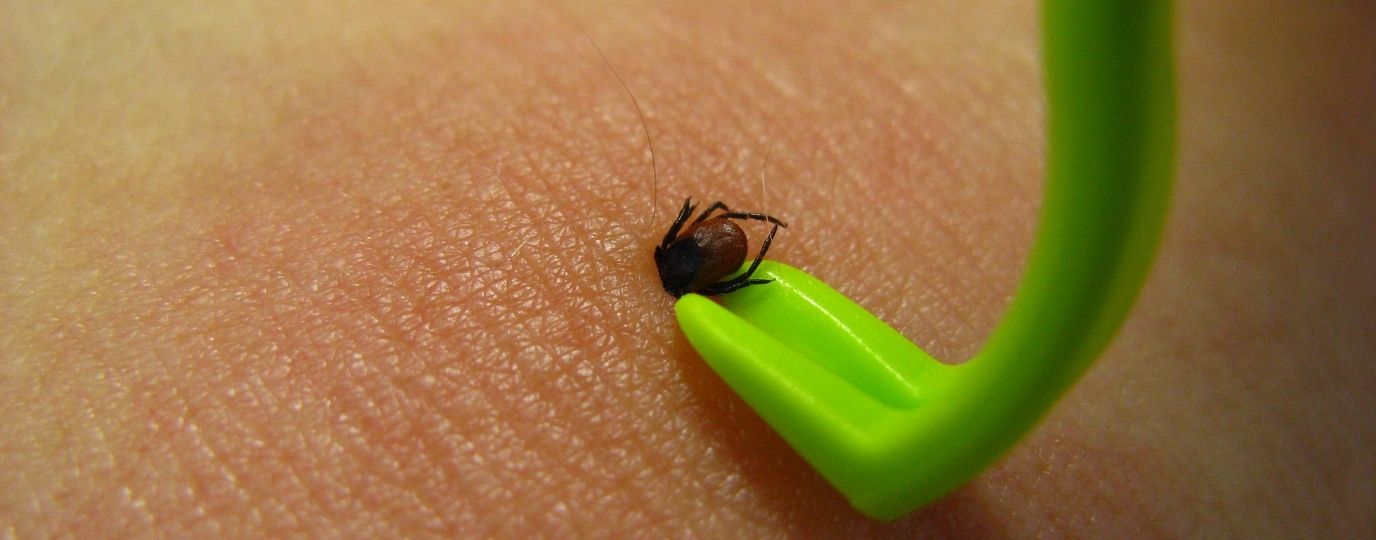
If you find a tick attached to your skin, remove it as soon as possible. Prompt removal reduces the risk of infection.
- Use a dedicated tick removal tool or fine-tipped tweezers
- Grasp the tick as close to the skin as possible
- Follow the instructions for the tool you are using. If you are utilising tweezers, pull upwards slowly and steadily without twisting
- Clean the bite area with antiseptic or soap and water
Avoid using methods such as burning the tick or applying substances like petroleum jelly. These can increase the risk of infection.
After removal, monitor the bite site and your general health over the following weeks. Make a note of when and where you may have been exposed.
Early signs and symptoms of Lyme disease
Recognising early symptoms is key to ensuring timely treatment.
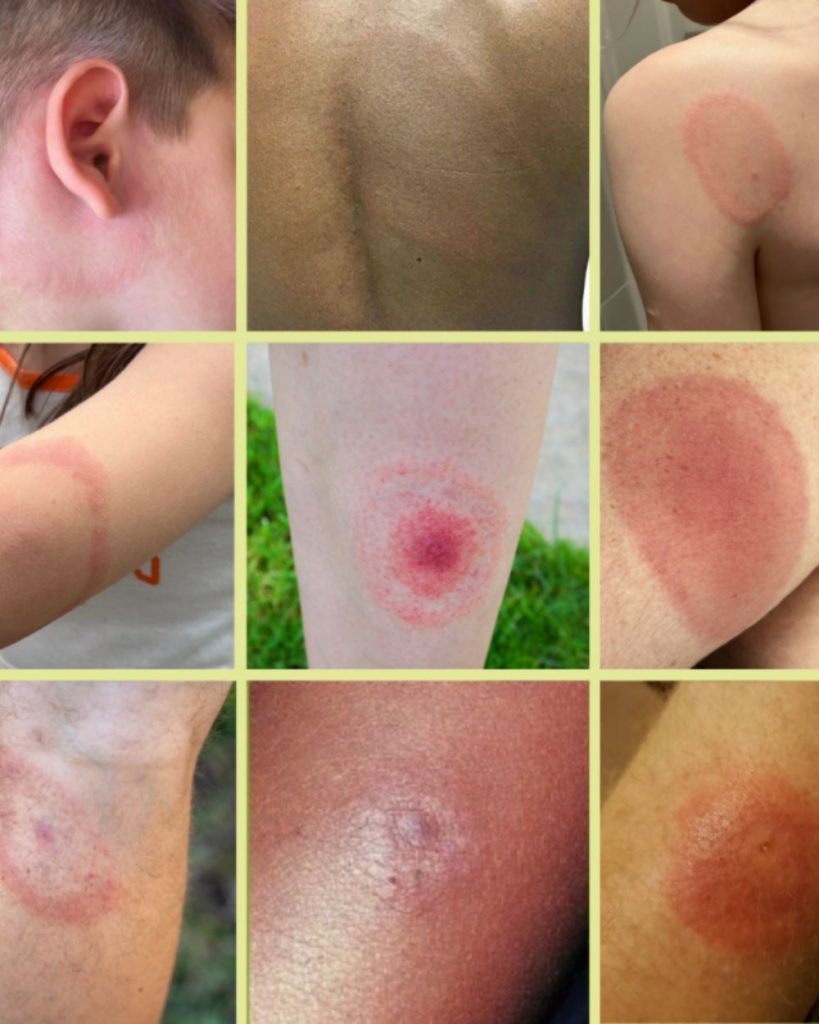
The most well-known sign is a spreading red rash, often described as a “bullseye” pattern. However, not everyone develops a rash, and its appearance can vary.
Other early symptoms may include:
- Fatigue
- Fever or chills
- Headaches
- Muscle and joint pain
- Swollen lymph nodes
Symptoms can appear days or weeks after a bite. If Lyme disease is suspected, seek medical advice promptly. Early treatment with antibiotics is usually effective.
Planning for safer outdoor experiences
Good preparation is central to safe and enjoyable outdoor activity. Understanding the landscape – where you are going, the terrain and vegetation – can help you anticipate areas where ticks may be more prevalent.
Incorporating simple checks into your routine should be seen as part of the overall outdoor experience, much like carrying appropriate kit or planning your route. These small steps can significantly reduce risk without detracting from time spent outside.
Awareness without alarm
Lyme disease is a serious condition, but it should not discourage people from enjoying the outdoors. The UK’s landscapes remain safe and accessible, and the benefits of spending time outside are well established.
The aim of Lyme Disease Awareness Month is not to create concern, but to promote informed, practical behaviour. With the right precautions, the risk can be managed effectively.
Get involved: Be Tick Aware
Raising awareness plays a vital role in improving early diagnosis and prevention. This May, individuals and organisations are encouraged to support the “Be Tick Aware” campaign.
You can get involved by sharing information, starting conversations and helping others understand how to stay safe outdoors.
To find out more and take part, visit: Take part in our ‘Be Tick Aware’ campaign
By Lyme Disease UK
Lyme Disease UK is a UK-based charity dedicated to raising awareness, supporting research, and providing guidance for those affected by Lyme disease. Through advocacy and education, the organisation works to improve understanding, early diagnosis, and care for individuals impacted by the illness.