A personal story about how SUP became part of my everyday life in London and how it helped me recover after an unexpected breast cancer diagnosis, which came just as I was commissioned to write Paddle London.
This article by Anu Aladin of @mysupstories focuses on the role of getting outside in London, being active on water and reconnecting with nature in supporting mental wellbeing and resilience during a difficult period.
How Paddleboarding Helped Me Through a Difficult Chapter
Finding Calm on the Water
Surprising as it may sound, hopping onto my paddleboard anywhere in London brings me an almost immediate sense of calm. I get up to standing, find my balance and feel the water moving under my board. Everything quietens down. The city is still there. Trains rumble over bridges, people move along towpaths and embankments, traffic hums somewhere in the background, but it all fades away. What I notice instead is the steady rhythm of paddling: the soft glide of the board through the water, the paddle dipping in and lifting out again. My breathing deepens. My shoulders drop. With each stroke, worries and doubts begin to melt away. Even time shifts slightly. I’m no longer in a hurry. I’m simply here, present in a way that rarely happens on land. Perhaps this is what meditation feels like to people who can sit still.
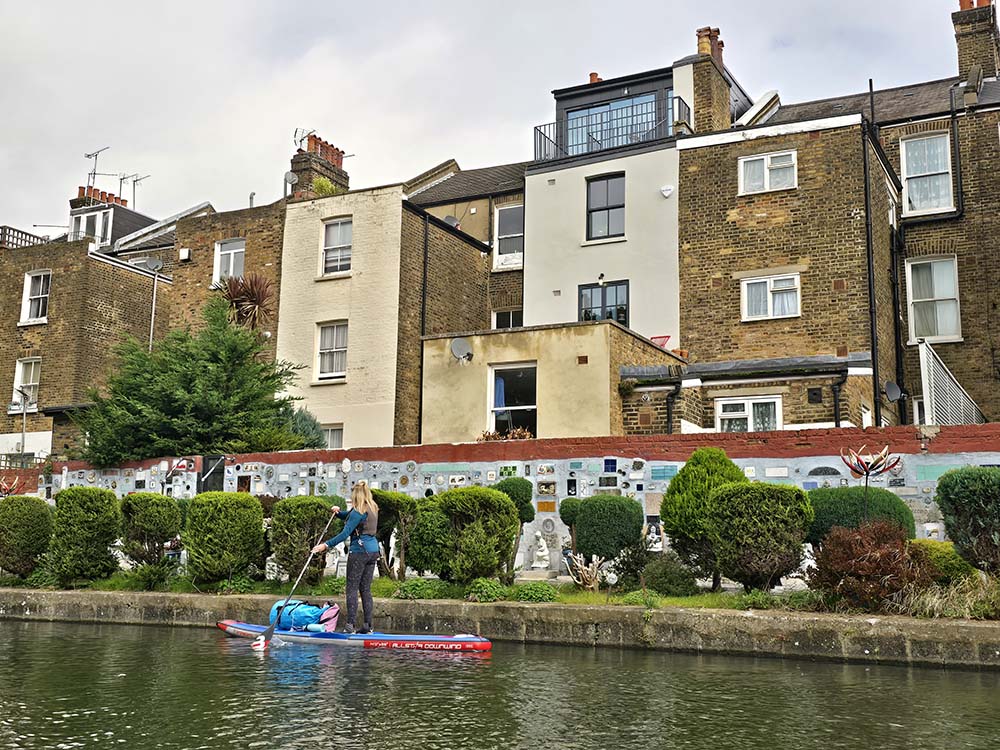
More than anything, I feel free. Out on the water, I’m no longer confined by pavements, crossings or crowds. London’s waterways cut their own lines through the city: under bridges, past houseboats and through pockets of nature. Much of London hides behind tall gates and fences, but paddleboarding reveals places you’d never see from the street. The adventures I’ve had!
Sharing the Joy of Paddling
I’m passionate about sharing the joy of paddling in London. For many years I introduced people to SUP on the Thames and the city’s canals. I later started a blog, My SUP Stories. A few years ago, Bloomsbury Publishing commissioned me to write Paddle London, a guidebook to exploring the capital’s waterways by paddle power. I was delighted. It felt like a chance to share the London I had come to know from the perspective of water. At the time, everything seemed to be moving in the right direction.
An Unexpected Diagnosis
But life has a way of changing direction. After a routine screening, a letter arrived asking me to attend a breast clinic. I wasn’t worried. Perhaps just an imaging glitch. Even when a repeat mammogram and ultrasound showed an abnormal lump, I was convinced it would turn out to be a cyst.
The news caught me completely off guard. I had breast cancer.
How could I get cancer? I’d never been a worrier. It wasn’t something that had ever even occurred to me. I had assumed that being fit and active would somehow protect me from serious illness. Paddle London went back on the shelf while I focused fully on treatment. I approached it like the most important project I had ever taken on: practical, organised, determined to recover.
The NHS moved quickly and efficiently through the process. Eventually treatment ended, with only hormone therapy remaining. I was cancer-free and, in theory, ready to resume normal life. During the months after diagnosis, life had followed hospital schedules: appointments, scans, consultations, a steady stream of instructions about where to be and what would happen next. I simply followed along, grateful for the care but with very little control.
Trying to Take Control Again
Once it was over, I tried to take some of that control back. Physically, recovery came quickly enough. I trained hard in the gym to rebuild strength and mobility. I paid close attention to what I ate, determined to give my body every possible chance to stay healthy. I did everything I was supposed to do, but it felt mechanical. The joy wasn’t there.
Mentally, something had shifted. I knew I should feel relieved. People around me saw someone who had come through cancer and could move on. Yet I no longer trusted my body in the same way. It had harboured something dangerous without me knowing. I had always been confident and optimistic, the kind of person who believed things would work out. Now that positivity had gone. I didn’t recognise this more fearful version of myself.
Returning to the Water
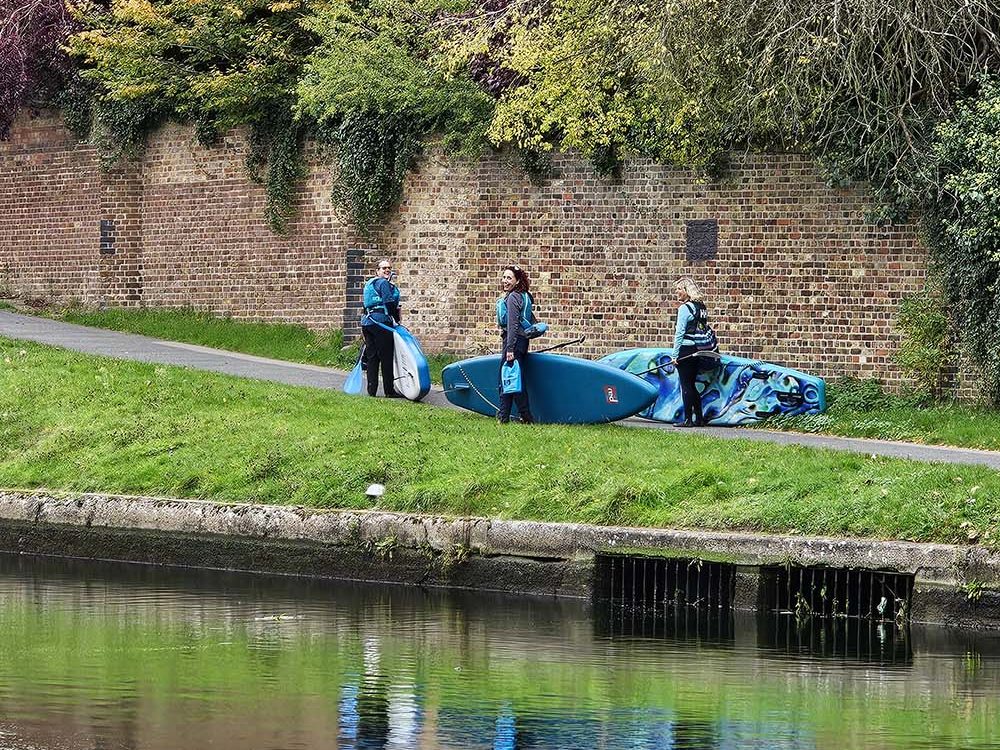
Luckily, I still had the book project waiting. There was a year left to research and write Paddle London: exploring routes, drawing maps and taking photos. After months off the water, I returned cautiously for a paddle with friends on the Grand Union Canal. Pumping up my board on the towpath in Brentford, I felt a familiar flicker of excitement. For a while, the cancer episode slipped into the background.
Once on the water, I remembered why I had fallen in love with paddleboarding in the first place. So much of life revolves around goals and measurement: how fast, how far, how productive. I wake up, check my wearable for stats on sleep, recovery and activity. At the gym, I follow a 12-week block of progressive overload. I record my results after each session. For me, paddleboarding is the opposite. It’s about getting outdoors, rain or shine. Floating on water. Moving through the landscape. Being present in the moment. There are no scores to chase, no distances to prove, no targets to reach. Just the joy and freedom of movement.
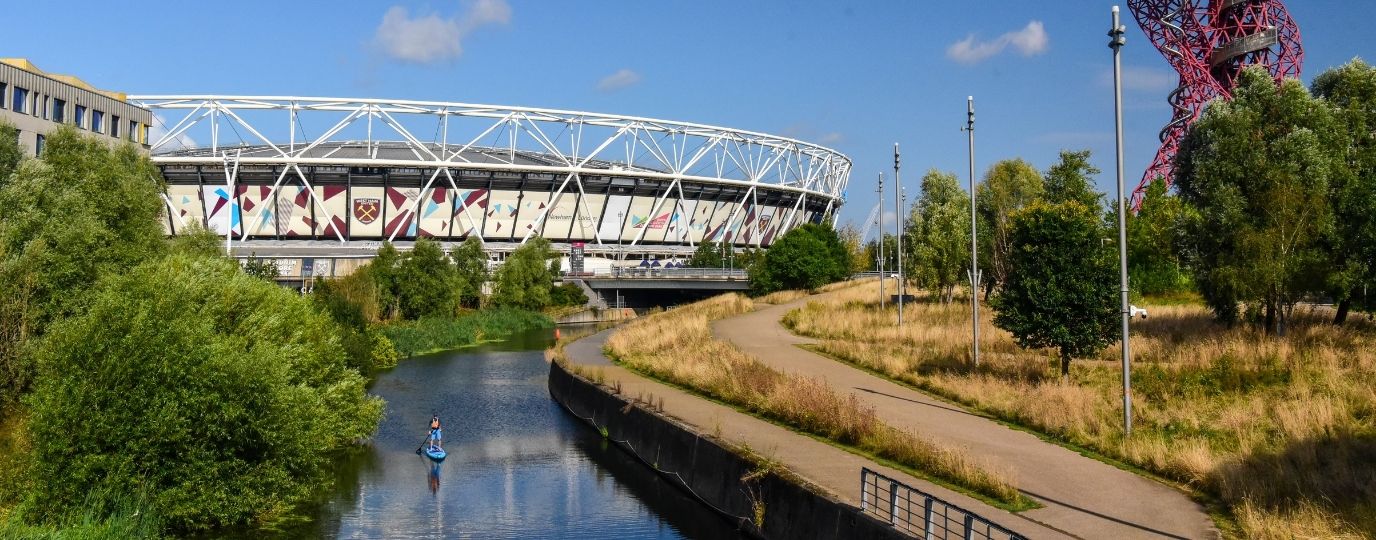
Researching the book took me across London’s blue spaces. The non-tidal Thames above Teddington Lock feels wide and green, with stretches that resemble quiet villages far removed from the capital. Downstream, the tidal river moves through historic scenery at Richmond, Hammersmith and central London before continuing towards the sea. I followed the old working routes of Regent’s Canal, the Grand Union and the Lee Navigation, waterways dug during the Industrial Revolution that now form green corridors through the city. Along the way I also explored basins, docks, reservoirs and smaller rivers.
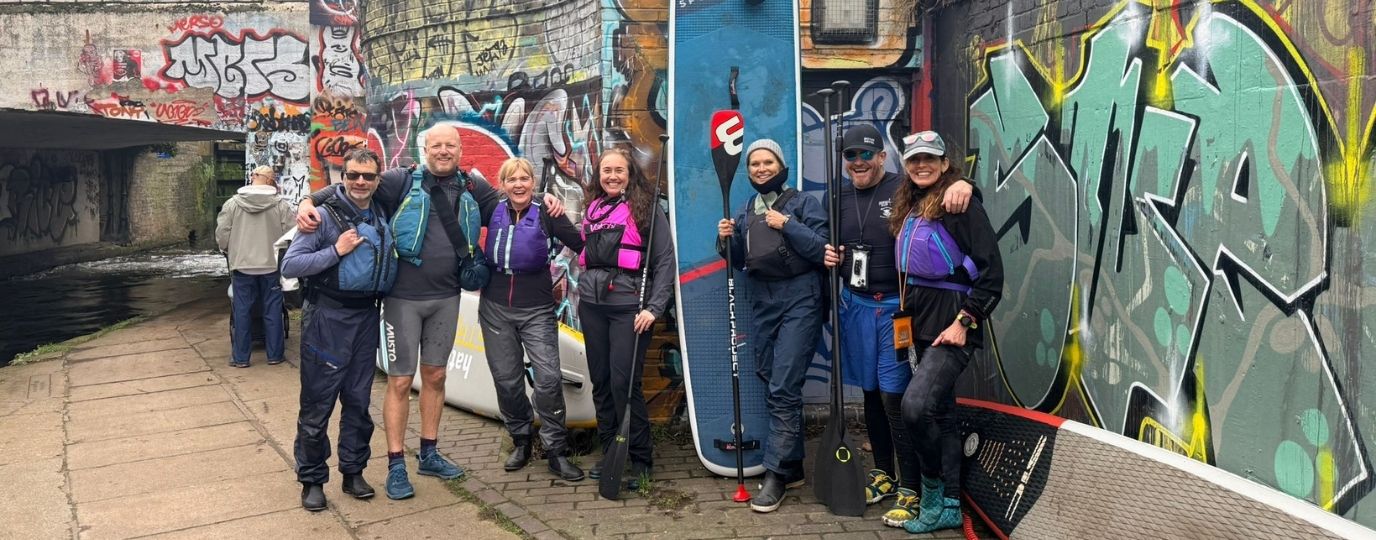
At the same time, I reconnected with the paddling community. After months spent largely inside my own head, it felt good to be back on the water with people from all walks of life: chatting, laughing and discovering new waterside spots for paddle breaks. Many of the paddles were organised through social media, with fellow paddlers generously sharing local knowledge, launch spots and favourite routes. Strangers soon became friends and those shared adventures helped restore some much-needed perspective.
What Paddleboarding Gives Me Now
Paddleboarding has become my way of resetting. It clears my head, brings me back outdoors and reminds me how much I value the people and community I’ve found on the water. Even after a difficult chapter, I know there is still adventure, freedom and calm waiting out there.
Follow Anu’s adventure on her Instagram Page @mysupstories
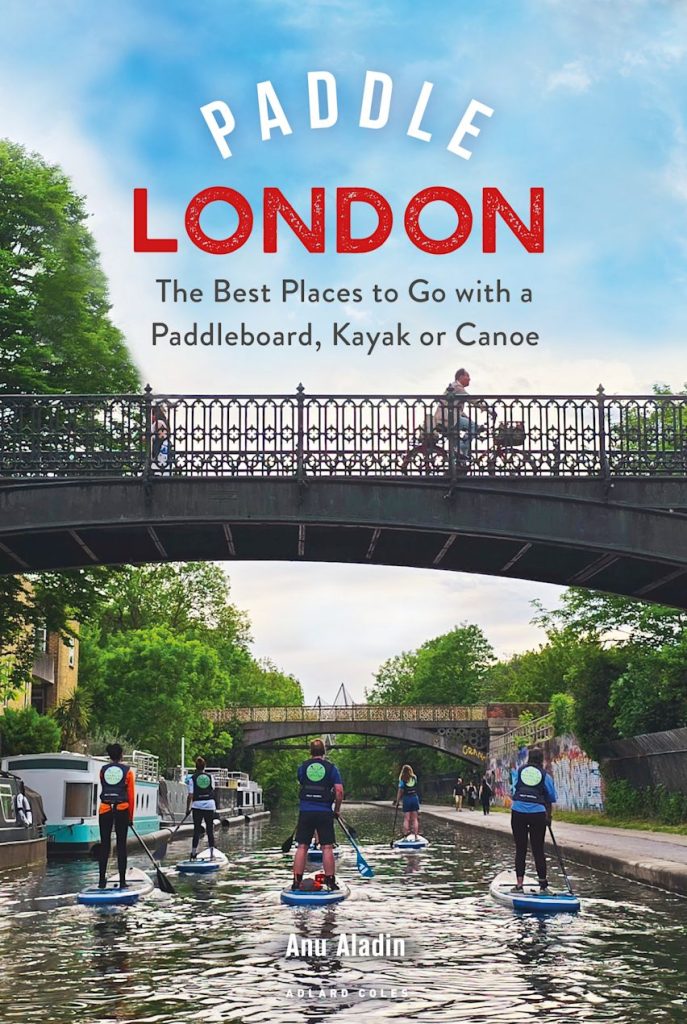
Find out more about Anu Aladin’s New Book – Paddle London
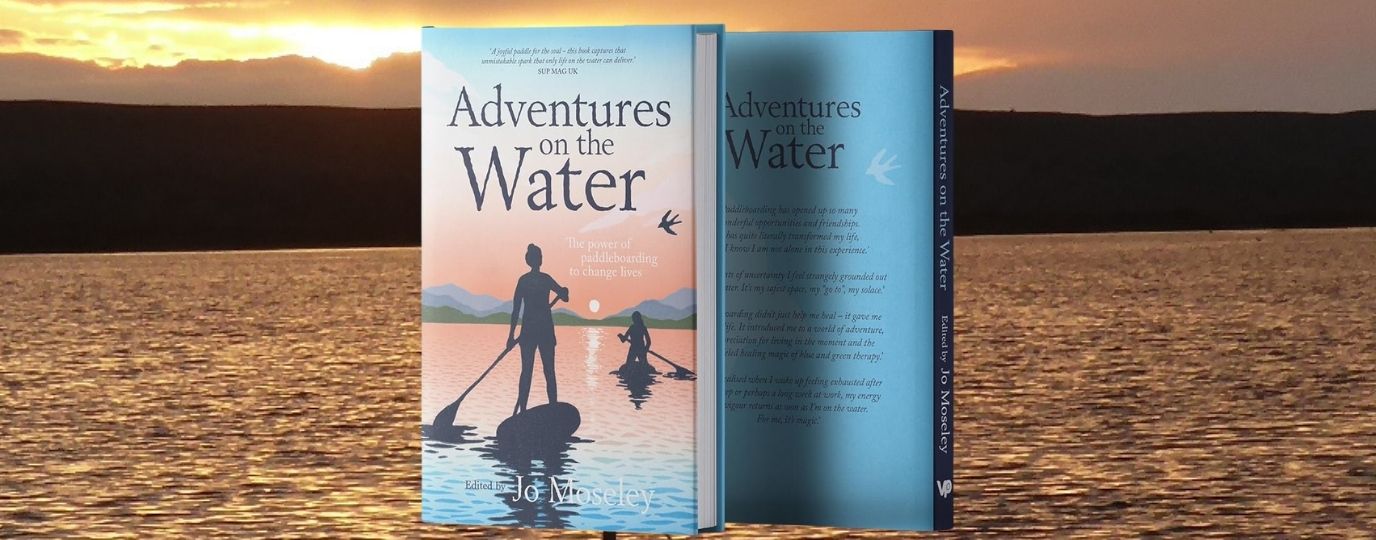
Paddle London invites you to see the capital from the water. A practical and inspiring guide to exploring in and around London, it features 40 urban and rural routes across the Thames, canals, rivers, docks and reservoirs, combining clear maps, photos and essential guidance with history, wildlife and public transport–friendly access.
By Anu Aladin
Anu Aladin is an experienced paddleboarder and writer based in South West London. A former co-owner of Paddleboarding London, she previously ran SUP lessons and guided tours. Anu has now drawn on that experience and local knowledge to write her first guidebook, Paddle London.
With over a decade spent exploring the capital from the water, Anu paddles year-round. She writes about her adventures on her blog, My SUP Stories, bringing together routes, the people she meets and practical SUP tips.
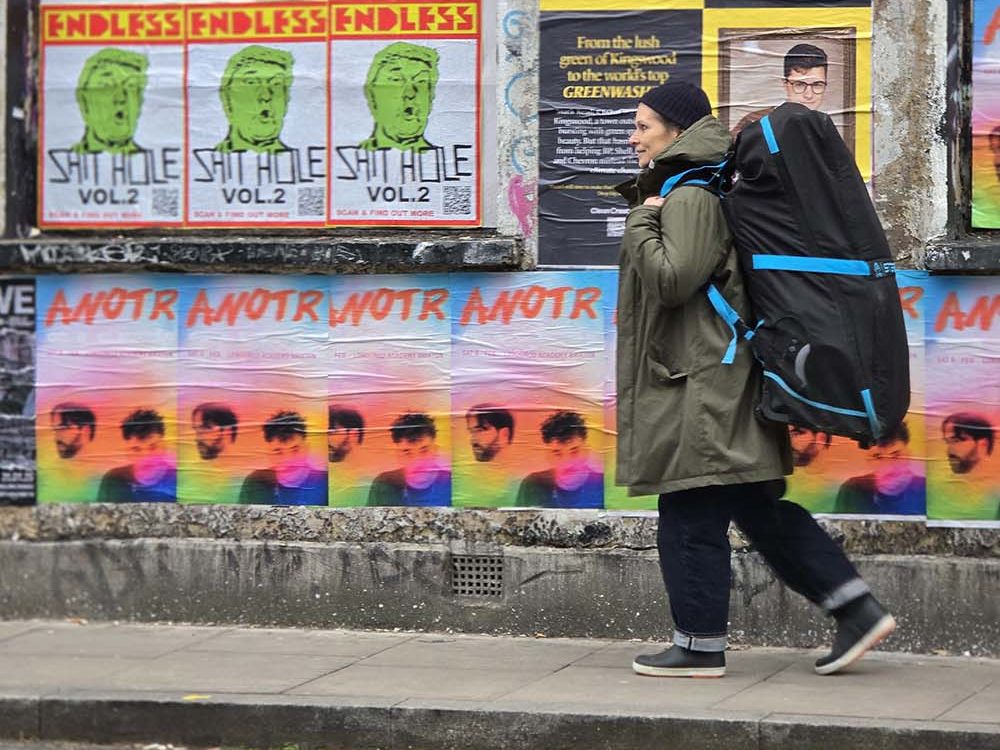
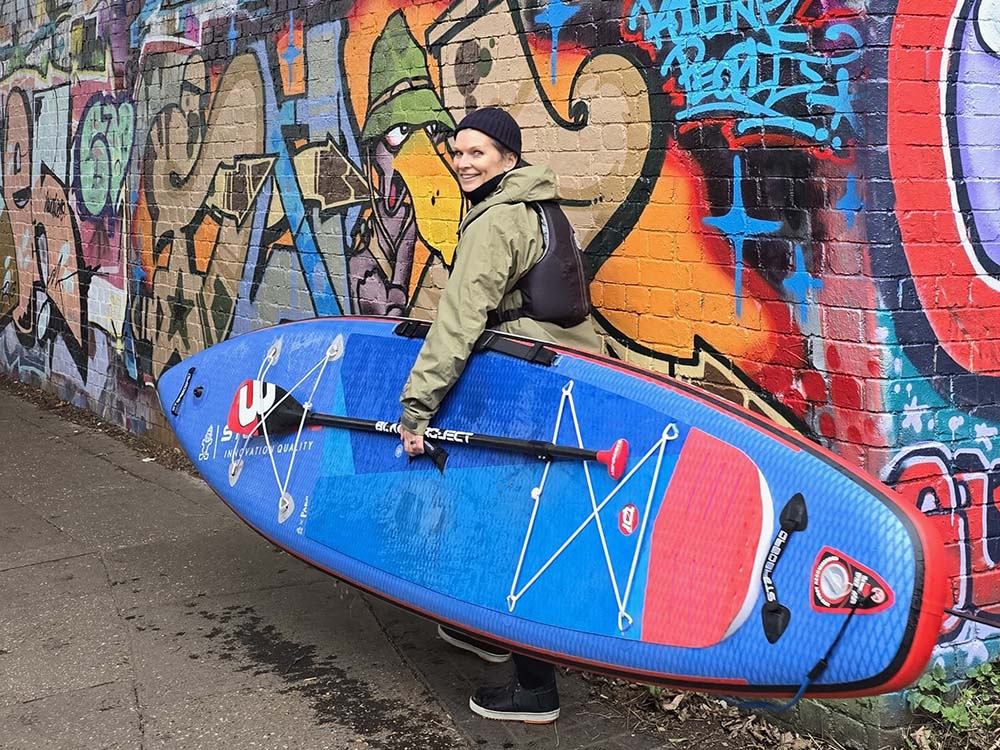
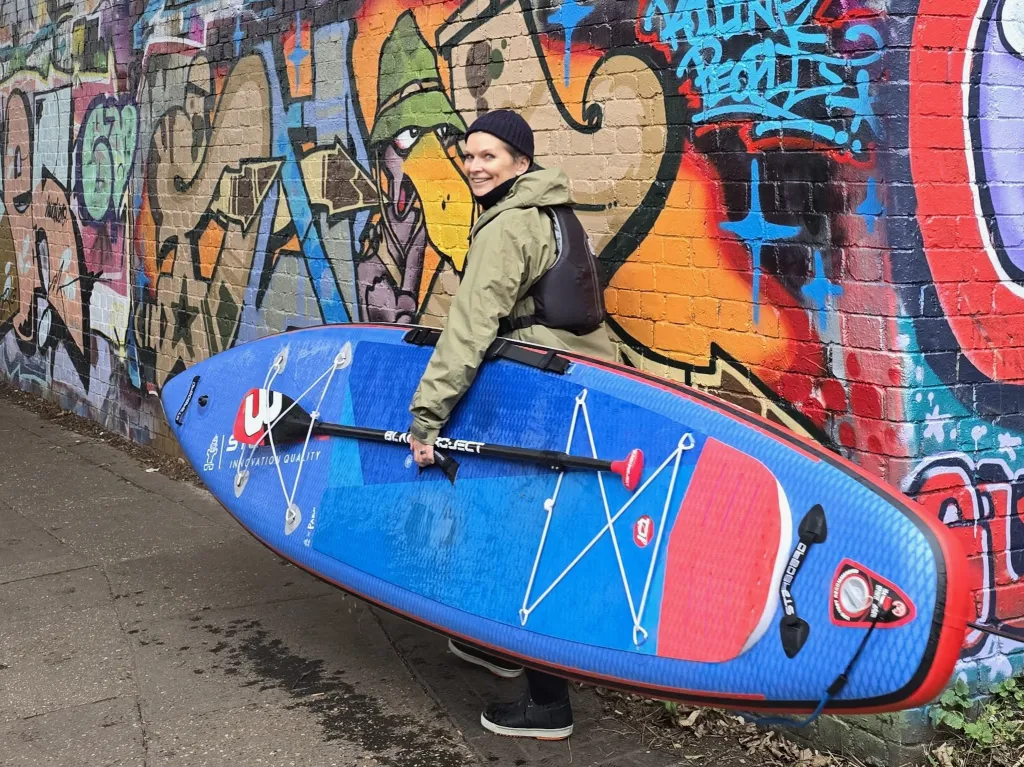
Anu is passionate about showing how accessible paddling can be in London, often travelling by public transport with her inflatable board. She believes in the restorative power of water, whether paddling or sitting in a sauna. On the board, she’s always spotting street art, canal boat names, bridges, pylons and gasholders, and she’s convinced cinnamon buns are an ideal SUP snack.